
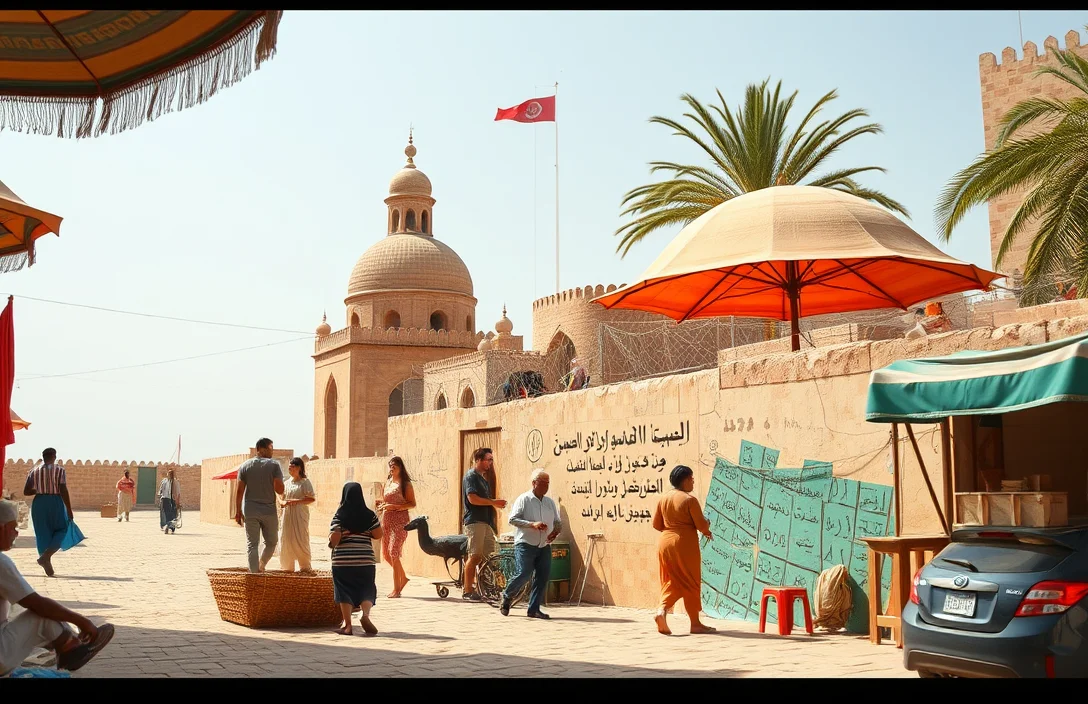
Imagine standing in the shadow of the Great Pyramids of Giza, feeling the weight of history as the sun sets over the Sahara. Planning a trip to Africa and the Middle East offers not just sights, but a deep dive into cultures and landscapes that will leave you forever changed.
This travel itinerary is designed to meet your needs as you seek out key destinations and insider tips that make your adventure seamless. You’ll find a detailed day-by-day guide covering must-see attractions, accommodations, and transportation options. Plus, get practical advice on safety, cultural etiquette, and packing essentials tailored for your travels. Expect to uncover unique experiences that bring these vibrant regions to life.
| Season | Best For | Avg Cost |
|---|---|---|
| Winter | Wildlife Safaris | $200/day |
| Spring | Cultural Festivals | $150/day |
| Fall | Desert Adventures | $180/day |
10-Day Itinerary Overview
This 10-day itinerary to Africa and the Middle East promises a whirlwind of adventure, culture, and breathtaking sights. From the ancient wonders of Cairo to the thrilling safaris of Maasai Mara and the modern marvels of Dubai, each day is packed with unique experiences tailored for travelers seeking a blend of history and excitement. Here’s a snapshot of what to expect throughout your journey.
- Day 1: Arrival in Cairo
- Accommodation: Budget hotels start from $30/night
- Transfer to hotel: Arrange airport transport in advance to avoid delays
- Day 2: Explore Cairo
- Visit the Pyramids of Giza and the Sphinx
- Explore the Egyptian Museum
- Tips: Go early to avoid crowds and heat
- Day 3: Luxor Adventure
- Travel: Train to Luxor takes about 9 hours; book in advance
- Highlights: Valley of the Kings and Karnak Temple
- Day 4: Aswan Highlights
- Tour the Philae Temple and the High Dam
- Optional: Felucca ride on the Nile
- Day 5: Travel to Nairobi
- Flight: 3 hours from Aswan to Nairobi
- Accommodation: Range from $50 to $150/night
- Day 6: Safari in Maasai Mara
- Duration: Full-day safari with a guide
- Cost: $150-$300 for a guided safari
- Day 7: Flight to Dubai
- Duration: 6 hours direct flight
- Day 8: Discover Dubai
- Visit Burj Khalifa and Dubai Mall
- Tip: Book Burj Khalifa tickets ahead of time
- Day 9: Abu Dhabi Day Trip
- Travel: 1.5-hour drive from Dubai
- Must-see: Sheikh Zayed Grand Mosque
- Day 10: Departure
- Final shopping in Dubai
- Ensure transport to the airport is arranged
“A well-planned itinerary can save you both time and money, allowing for a stress-free exploration of Africa and the Middle East’s most captivating spots.”
Each destination in this itinerary has been carefully selected to give you an immersive experience while keeping costs and travel times manageable. By planning your accommodations and transport in advance, you can enjoy a seamless adventure across these diverse regions.
Destinations and Activities
This section highlights the major attractions and activities for your travel itinerary to Africa and the Middle East. Each destination offers unique experiences that make the journey worthwhile, ensuring you capture the essence of these rich cultures and landscapes. Explore ancient wonders, vibrant wildlife, and modern marvels to create unforgettable memories.
Cairo: Pyramids and Museums
- Pyramids of Giza: Entrance fee is approximately $10. Visit early to avoid crowds.
- Egyptian Museum: Home to treasures of Tutankhamun. Entry is around $15.
- Tip: Consider booking a guided tour for deeper insights into the history.
Luxor: Temples and Tombs
- Karnak Temple: A vast temple complex best visited at sunrise. Entry fee is around $12.
- Valley of the Kings: Explore tombs of pharaohs; ticket costs about $10 for three tombs.
- Accessibility: Most sites are stroller-friendly, but some tombs may require stair access.
Nairobi: Wildlife and Culture
- Nairobi National Park: Entry fee is roughly $43. Witness wildlife against a city backdrop.
- David Sheldrick Wildlife Trust: Home to orphaned elephants. Entry is free, with donations welcome.
- Pro tip: Book a safari with a local guide for a more personalized experience.
Maasai Mara: Safari Experience
“In the Maasai Mara, I witnessed the Great Migration—an unforgettable spectacle of nature.”
- Safari Packages: Prices start at $150 per day, including accommodation and meals.
- Best time to visit: July to October for the migration; book early to secure spots.
Dubai: Modern Marvels
- Burj Khalifa: Tickets cost around $40 for the observation deck. Book in advance to skip the line.
- Dubai Mall: Explore shops, an aquarium, and entertainment options.
- Safety: Dubai is considered one of the safest cities for tourists.
Abu Dhabi: Cultural Sites
- Sheikh Zayed Grand Mosque: Free entry; dress conservatively.
- Louvre Abu Dhabi: Entry fee is around $17. Explore art and history from around the world.
- Transportation: Use taxis or public transport; both are reliable and affordable.
| Destination | Rating | Price Range | Why Recommended |
|---|---|---|---|
| Cairo | ★★★★★ | $10-$15 | Rich in history and culture. |
| Luxor | ★★★★★ | $10-$12 |
Transportation Options
Understanding transportation options is crucial for navigating your travel itinerary to Africa and the Middle East. From domestic flights to local transport, knowing your choices can save time and money while enhancing your travel experience.
Domestic Flights
Traveling between major cities often requires flights due to vast distances. Airlines like Ethiopian Airlines, EgyptAir, and Kenya Airways offer competitive prices and numerous routes.
- Booking Tips: Book flights at least 3 months in advance for better rates.
- Typical Costs: Domestic flights range from $50 to $200, depending on the route.
Trains and Buses
For a more scenic and economical option, trains and buses can be an excellent choice. Countries like Morocco and South Africa have reliable train services, while long-distance buses, such as those from Greyhound or CTM, cover extensive routes.
| Destination | Rating | Price Range | Why Recommended |
|---|---|---|---|
| Marrakech to Casablanca | 4/5 | $15-$25 | Comfortable and scenic train ride. |
| Cairo to Luxor | 4.5/5 | $10-$30 | Historical views along the Nile. |
Car Rentals
Renting a car offers flexibility, especially for exploring remote areas. Major cities have international rental companies, but local agencies can provide competitive rates. However, be cautious of road conditions and local driving laws.
- Average Rental Costs: $30-$70 per day.
- Insurance: Always opt for comprehensive coverage for peace of mind.
Local Transport Tips
Public transport options like matatus in Kenya or shared taxis in Egypt are budget-friendly. Consider using rideshare apps like Uber in urban areas for convenience and safety.
“On my last trip to Dakar, I found local buses were not only affordable but also a great way to meet locals!”
With these transportation options in mind, you can create an efficient travel itinerary to Africa and the Middle East that suits your style and budget.
Accommodation Recommendations
Finding the right place to stay is crucial for any travel itinerary to Africa and the Middle East. From luxury hotels to budget stays, the options are vast and can significantly impact your experience. Here’s a breakdown of accommodation types to suit various budgets and preferences across the region.
Luxury Hotels
- Burj Al Arab, Dubai – Known as the world’s only seven-star hotel, offering unparalleled luxury with a price tag of around $1,500 per night. Ideal for a lavish stay with stunning views.
- The Mena House, Cairo – A historic hotel with breathtaking views of the Pyramids, priced around $250 per night. Perfect for those seeking culture and comfort.
Mid-Range Options
- Protea Hotel by Marriott, Cape Town – Situated near Table Mountain, this hotel offers modern amenities at approximately $120 per night.
- Ramada Resort, Dead Sea – A great choice for relaxation, with prices around $150 per night, including access to the unique shores of the Dead Sea.
Budget Stays
“On my last trip, I discovered that hostels in Morocco offer not just affordable rates but also a chance to connect with fellow travelers.” – Travel Enthusiast
- Hostelworld, Marrakech – Prices start at $15 per night, providing a vibrant atmosphere and easy access to local markets.
- Backpackers, Nairobi – Affordable dormitory options around $10 per night, perfect for meeting like-minded adventurers.
Unique Lodgings
| Destination | Type | Price Range | Why Recommended |
|---|---|---|---|
| Wadi Rum, Jordan | Desert Camp | $50-$100 | Experience the stunning desert landscapes under a starry sky. |
| Fes, Morocco | Riad | $70-$150 | Stay in a traditional Moroccan house with intricate designs and local charm. |
With options ranging from opulent hotels to budget-friendly hostels, your travel itinerary to Africa and the Middle East can be tailored to fit any budget. Always book in advance to secure the best rates, especially during peak seasons.
Safety and Health Considerations
Traveling to Africa and the Middle East can be an exhilarating experience, but it’s crucial to stay informed about safety and health precautions. This section provides essential tips to ensure your trip is both enjoyable and secure, addressing potential concerns related to travel safety and health measures.
Travel Safety Tips
- Stay Informed: Regularly check travel advisories from your government. Areas can change in terms of safety, so keeping up-to-date can help you avoid risks.
- Local Laws and Customs: Familiarize yourself with local regulations and cultural practices. Respecting these can help you avoid misunderstandings and legal issues.
- Secure Your Belongings: Use hotel safes for valuables and keep only what you need in your daypack. Petty theft can occur in crowded areas, so stay vigilant.
- Transportation Safety: Use reputable transportation services; rideshare apps are often safer than hailing a cab on the street. Always negotiate fares beforehand when using local taxis.
Health Precautions
- Vaccinations: Ensure you are up-to-date on routine vaccines and consult a travel clinic about specific vaccinations required for your destinations, like yellow fever or hepatitis A.
- Travel Insurance: Purchase comprehensive travel insurance that includes health coverage. This can save you from high medical costs in case of emergencies.
- Stay Hydrated and Safe: Drink bottled water and ensure food is properly cooked to avoid gastrointestinal issues. Carry hand sanitizer for hygiene.
Emergency Contacts
- Local Emergency Numbers: Familiarize yourself with local emergency contacts, including police, fire, and medical services. Save these numbers on your phone for quick access.
- Embassy Information: Keep the contact details of your country’s embassy or consulate handy. They can assist in emergencies or legal issues.
By prioritizing safety and health considerations during your travel itinerary to Africa and the Middle East, you can focus on adventure and exploration while minimizing risks.
Cultural Etiquette Insights
Cultural etiquette is essential for a respectful and enjoyable travel experience in Africa and the Middle East. Understanding local customs can enhance your interactions and help you avoid unintentional faux pas. Whether you’re visiting bustling markets or serene mosques, being aware of these norms will enrich your journey.
Respectful Behavior
- Greetings: A firm handshake is common, but wait for the local to initiate. In some cultures, a slight bow or nod is preferred.
- Personal Space: Maintain a respectful distance, especially in conservative areas. Close proximity may be seen as intrusive.
- Photography: Always ask permission before taking photos of people, especially in rural areas or during religious ceremonies.
Dress Code
Dress modestly to respect local traditions, especially in Muslim-majority countries. Here are some tips:
- Women should consider wearing long skirts or dresses and cover their shoulders. A scarf can also be handy for covering the head when entering religious sites.
- Men should wear long pants and avoid sleeveless shirts.
Dining Etiquette
Dining customs can vary greatly across regions, but these practices are widely accepted:
- Always accept food and drink when offered, as it is a sign of hospitality.
- In many cultures, it is customary to eat with your right hand only, as the left hand is considered unclean.
“On my last trip to Morocco, I learned the importance of sharing meals. Dining together is a sign of friendship, so don’t shy away from joining locals!”
By embracing these cultural etiquette insights, your travel itinerary to Africa and the Middle East will not only be more respectful but also more fulfilling. Always approach new experiences with an open heart and mind.
Best Times to Visit
Understanding the best times to visit Africa and the Middle East is crucial for crafting an enjoyable travel itinerary. Weather conditions, local events, and peak tourist seasons can significantly influence your experience, costs, and accessibility. Here’s a breakdown to help you plan your adventure effectively.
Peak Seasons
- Africa: The peak tourist season typically spans from June to August and December to February. Expect higher prices and crowded attractions, especially in popular national parks like Serengeti and Kruger.
- Middle East: The ideal months are from November to March, when temperatures are milder, making it perfect for exploring cities like Jerusalem and Cairo.
Off-Peak Advantages
Traveling during the off-peak seasons can offer substantial savings and fewer crowds. Consider these perks:
- Lower accommodation prices—often 30-50% cheaper.
- More availability for tours and activities, allowing for a personalized experience.
- Unique local festivals that may provide deeper cultural insights.
Event Highlights
Incorporating local events into your itinerary can enhance your travels. Here are a few notable events:
| Event | Location | Date | Why Visit |
|---|---|---|---|
| Timkat Festival | Ethiopia | January 19 | Experience vibrant religious celebrations. |
| Dubai Shopping Festival | UAE | January-February | Great discounts and entertainment options. |
| World Travel Market | London | November | To network and learn about upcoming travel trends. |
“During the Timkat Festival in Ethiopia, I wandered through streets filled with colorful processions, experiencing the rich culture firsthand.”
By strategically planning your travel itinerary to Africa and the Middle East around these optimal times, you can maximize your experience while minimizing costs and hassle. Always remember to check local weather patterns and event calendars for any last-minute changes. Based on personal research; experiences may vary.
Packing Essentials for Africa and the Middle East
Preparing for your travel itinerary to Africa and the Middle East requires thoughtful packing to ensure comfort, safety, and enjoyment throughout your adventures. The diverse climates and activities—from desert safaris to bustling markets—demand specific items tailored to your journey. Here’s a list of must-have essentials that will help you navigate the varying landscapes and cultural experiences with ease.
Clothing Recommendations
- Lightweight Layers: The temperatures can swing dramatically from day to night. Pack breathable clothing for daytime and warmer layers for evenings.
- Comfortable Footwear: Sturdy sandals or hiking shoes are essential for city explorations and rugged terrains.
- Modest Attire: In many areas, especially in the Middle East, it’s respectful to dress modestly. Consider long skirts or trousers and lightweight long-sleeve tops.
- Sun Protection: A wide-brimmed hat and UV-protective clothing can help shield you from the sun’s intensity.
Gear for Safari
- Binoculars: Essential for spotting wildlife from a distance.
- Camera with Zoom Lens: Capture the breathtaking landscapes and wildlife encounters.
- Insect Repellent: To keep pesky bugs at bay during your safari adventures.
Health and Safety Items
“On my last trip, I discovered that packing a basic first aid kit saved the day when a minor scrape occurred in the desert.”
- Travel Insurance: Always a wise investment for unexpected emergencies.
- Medication: Bring any personal medications along with common over-the-counter remedies for headaches, stomach issues, and allergies.
- Water Purification Tablets: Useful for ensuring safe drinking water in remote areas.
Based on personal research; experiences may vary. Keep this packing list handy as you finalize your travel itinerary to Africa and the Middle East, and you’ll be well-prepared for an unforgettable adventure!
Quick Summary
- Diverse Destinations: Explore iconic locations like the Pyramids of Giza, the Serengeti, and Petra.
- Cultural Experiences: Engage with local communities and savor authentic cuisines across various countries.
- Budget Considerations: Plan your trip with an average daily budget of $50-$150 depending on your choice of activities and accommodations.
- Safety Tips: Research safety advisories for each country and consider travel insurance for peace of mind.
- Transportation Options: Utilize budget airlines and local transport for efficient travel within and between destinations.
| Country | Must-See |
|---|---|
| Egypt | Pyramids of Giza |
| Tanzania | Serengeti National Park |
| Jordan | Petra |
This guide simplifies your travel planning by providing essential insights and actionable tips for visiting Africa and the Middle East. Ready to book? Check the links above! Share your experiences in the comments! What’s your favorite adventure spot in this region?
Frequently Asked Questions
What is the best time to visit Africa and the Middle East?
The best time to visit varies by region, but generally, April to October offers the best weather for safaris in Africa, while the Middle East is ideal from November to March to avoid extreme heat.
How much should I budget for a trip to Africa and the Middle East?
Your budget can range from $50 to $300 per day depending on your destination and travel style; safaris and guided tours tend to be on the higher end, while local guesthouses are more affordable.
Is it safe to travel in Africa and the Middle East?
Safety varies by country; regions like South Africa and parts of the Middle East have areas with high crime rates, so always check travel advisories and stay in well-reviewed accommodations.
What are some hidden gems to explore in Africa and the Middle East?
Consider visiting Ouzoud Falls in Morocco for stunning natural beauty or Wadi Rum in Jordan for breathtaking desert landscapes away from the usual tourist spots.
What should I pack for a trip to Africa and the Middle East?
Pack light, breathable clothing, a good pair of hiking boots, and a sturdy backpack; don’t forget a universal power adapter and a refillable water bottle to stay hydrated on your adventures.
