
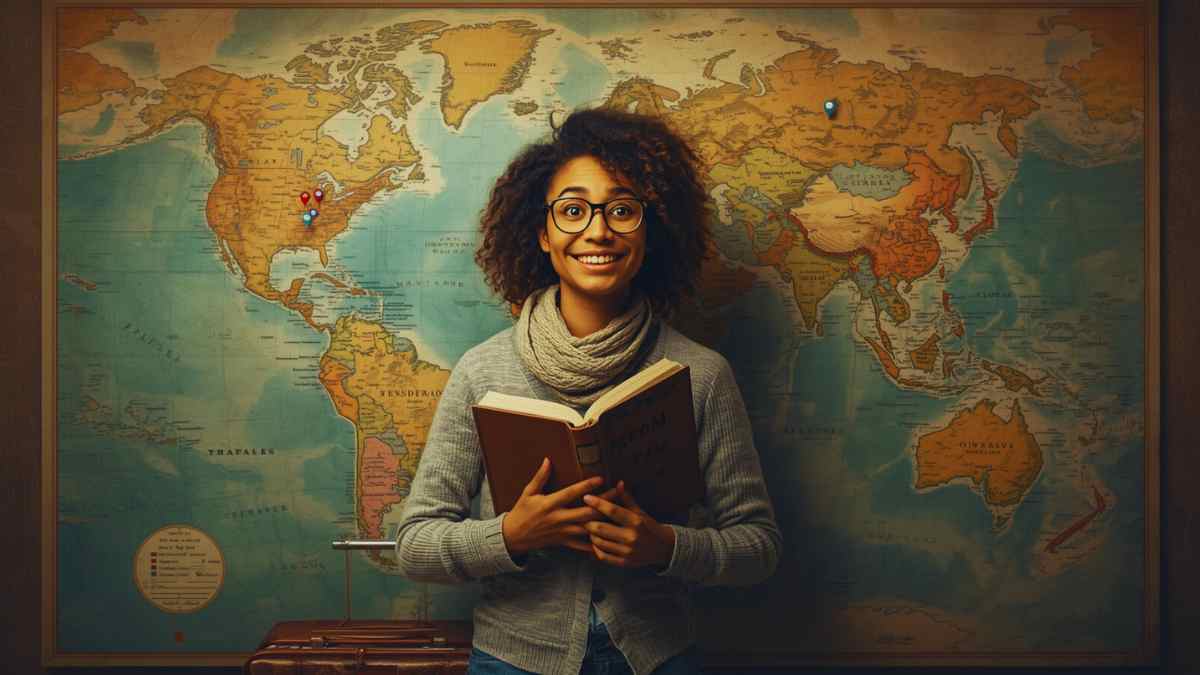
Traveling is not just about exploring new places—it plays a significant role in enhancing learning.
Traveling opens your mind to new experiences, cultures, and ideas. It provides a unique opportunity to learn practical skills, gain cultural awareness, and broaden perspectives.
If you’re visiting another country or exploring your own region, travel helps you develop critical thinking, communication, and adaptability skills that are valuable in both personal and academic life.
Traveling is one of the most powerful tools for learning, offering hands-on experiences that help individuals understand and appreciate new cultures, acquire practical knowledge, and develop essential life skills.
But Why Is Travelling Important For Learning? In this article, we will explore the ways.
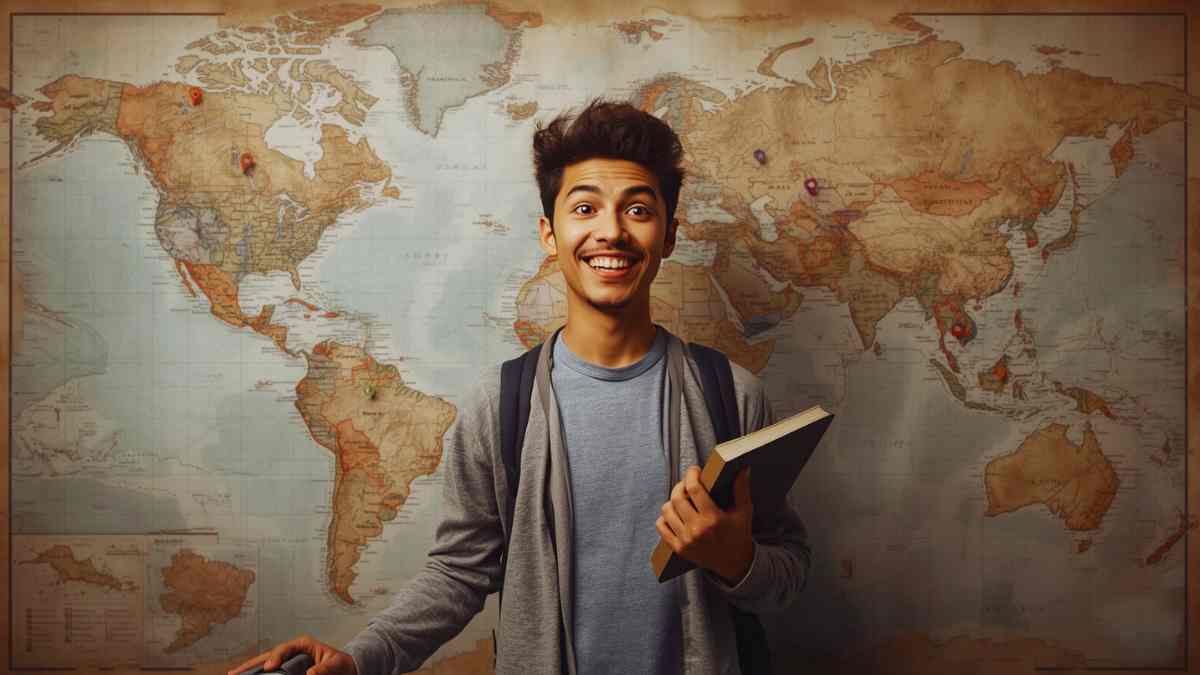
Why Is Travelling Important For Learning | 6 Travel Matters:
1. Exposure to New Cultures and Ideas
Traveling provides a unique opportunity to immerse yourself in different cultures.
When you step out of your familiar surroundings and experience a new environment, you learn more about the values, traditions, and customs of different societies.
This exposure helps break down stereotypes and fosters a deeper understanding of the world.
Cultural Immersion: Engaging with locals in different countries, participating in their daily activities, and trying new foods all contribute to a richer understanding of the world around you. Whether it’s learning about traditional dance, local cuisine, or festivals, each encounter broadens your understanding and appreciation of diversity.
Perspective Shift: Seeing the world from a different viewpoint allows you to think critically and reflect on your own life and culture. Traveling helps you step out of your comfort zone and confront unfamiliar experiences, which ultimately encourages personal growth.
Example: Traveling to places like India or Japan can teach you about the importance of community, respect, and tradition. Visiting Europe might reveal different approaches to education, politics, and social systems.
(Supporting Reference: National Geographic – Understanding Cultures Through Travel)
2. Practical Learning and Problem-Solving
One of the most valuable aspects of traveling is the real-world learning that happens outside the classroom.
If navigating foreign transportation systems, handling language barriers, or managing your time and resources, travel offers countless lessons that can’t be learned from a book.
Problem-Solving Skills: When you’re traveling, especially to unfamiliar places, you’re often required to solve problems on the fly. Whether it’s figuring out the best route to your destination or finding a solution to a missed flight, travel forces you to think on your feet and make decisions quickly.
Adaptability: Travel teaches you how to adapt to new situations and environments. You may find yourself in challenging situations where you have to make do with limited resources or adjust to unforeseen circumstances, such as last-minute schedule changes or language difficulties. These experiences develop your resilience and flexibility—skills that are important for both academic and professional success.
(Supporting Reference: Harvard Business Review – How Traveling Builds Problem-Solving Skills)
3. Enhancing Communication Skills
While traveling, you often find yourself communicating with people from diverse backgrounds, sometimes in a language you don’t speak fluently. This encourages you to improve your communication skills and develop empathy.
Language Skills: Traveling provides an opportunity to learn or practice a new language. Whether you’re learning a few phrases to navigate a city or immersing yourself in a country where the language is spoken, travel can improve your linguistic ability. Even if you’re not fluent, attempting to communicate in a foreign language can boost confidence and help you connect with people in meaningful ways.
Non-Verbal Communication: When words fail, you often have to rely on gestures, expressions, and body language. This teaches you how to communicate in more creative ways, enhancing your overall ability to connect with others.
(Supporting Reference: American Council on the Teaching of Foreign Languages – The Power of Learning a New Language)
4. Personal Growth and Independence
Traveling encourages personal development by teaching you how to navigate the world on your own, which builds confidence, independence, and responsibility.
As you travel, you face new challenges that require you to make decisions and take initiative.
Building Confidence: Traveling independently, such as exploring a new city or country by yourself, helps you build self-confidence. You learn to trust your judgment and take responsibility for your actions, which strengthens your decision-making skills.
Fostering Independence: Whether it’s planning your trip, budgeting your expenses, or taking care of travel logistics, you learn how to manage your time, resources, and responsibilities. This experience can help you develop a greater sense of independence and self-reliance.
(Supporting Reference: Psychology Today – How Travel Enhances Personal Growth)
5. Learning History and Geography in Context
Traveling is one of the best ways to bring history and geography lessons to life. Being physically present at historical sites or landmarks allows you to understand the context of events and places in a way that textbooks cannot.
Learning Through Experience: Visiting places like the Colosseum in Rome or the Great Wall of China makes history tangible. You can see and feel the stories that you’ve only read about, which enhances your learning and understanding.
Geographical Awareness: Traveling also exposes you to different landscapes and environments, making you more aware of the world’s geography. For example, exploring the Rainforest gives you insight into ecosystems and environmental conservation in a way that a classroom cannot.
(Supporting Reference: Smithsonian Magazine – Why Traveling Makes You a Better Historian)
Read Next: Can You Cross The Border With California Real ID | What You Must Know
6. Developing Critical Thinking and Global Awareness
In today’s globalized world, the ability to understand and appreciate diverse cultures and perspectives is crucial.
Traveling encourages critical thinking by allowing you to see how people in different parts of the world approach life, politics, and society.
Global Awareness: Traveling helps you develop a better understanding of global issues, such as poverty, climate change, and human rights. By engaging with different communities, you gain a broader perspective on the world, which fosters empathy and social awareness.
Questioning and Analyzing: When you travel, you are constantly exposed to new ideas and ways of thinking, which encourages you to question assumptions and reflect on your beliefs. This practice of questioning and analyzing new experiences helps to develop your critical thinking skills.
(Supporting Reference: United Nations Educational, Scientific and Cultural Organization (UNESCO) – How Travel Fosters Global Awareness)