
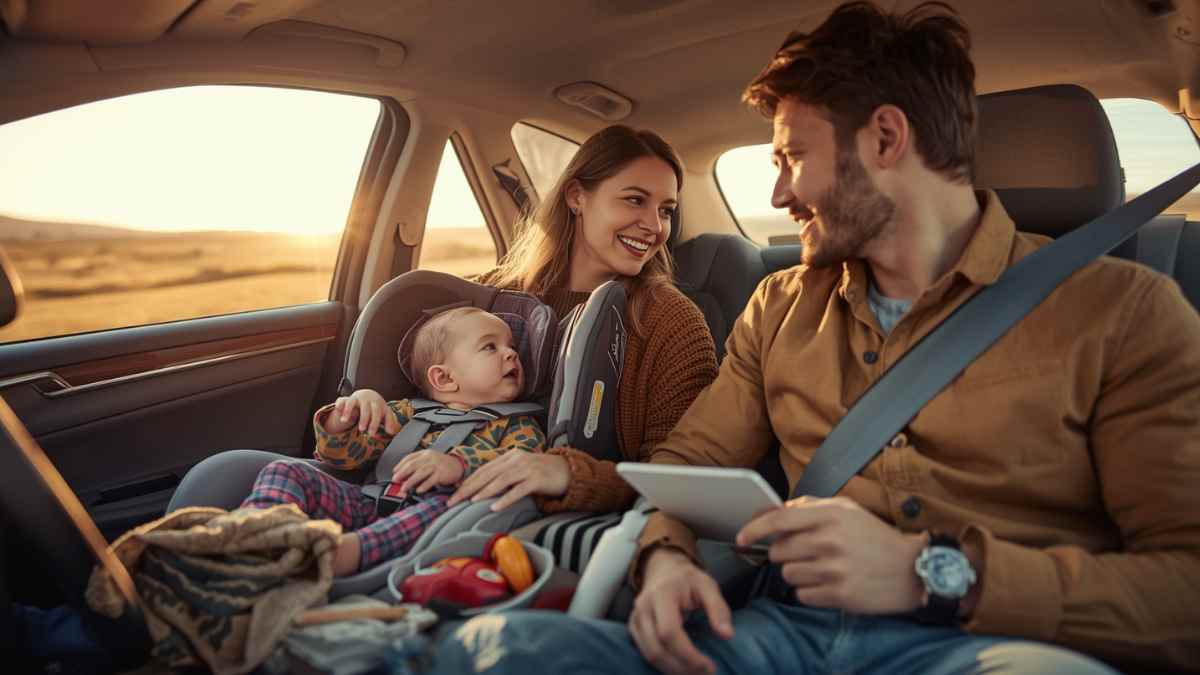
Traveling with a 2-month-old baby by car requires careful planning and preparation to ensure the trip is comfortable and safe for both the baby and the parents.
With the right preparations, a car trip with a baby can be a smooth and enjoyable experience.
While it’s a great way to introduce your little one to the world outside your home, it also requires extra care and planning to ensure a smooth, stress-free journey.
If you’re heading out on a road trip or just visiting family, traveling with a newborn involves more than just packing a bag.
Know how Travelling With 2 Month Old Baby By Car, expert tips on everything from choosing the right car seat to ensuring your baby’s comfort and safety during the ride.
How Travelling With 2 Month Old Baby By Car:
1. Choosing the Right Car Seat
The most crucial part of traveling with a 2-month-old is ensuring your baby is safely secured in the car. At this age, babies need to be in a rear-facing car seat, which is the safest position for newborns during a car ride.
Key Factors to Consider:
Infant Car Seats: These are specially designed for newborns and younger babies, typically supporting babies up to 22-35 pounds, depending on the model. They provide excellent head and neck support, which is essential for infants.
5-Point Harness: Make sure the car seat has a 5-point harness system. This ensures your baby is securely strapped in and protected from sudden movements or accidents.
Install the Car Seat Correctly: Always ensure the car seat is installed correctly. It should be tightly secured in the back seat of your vehicle, and you should not be able to move it more than an inch from side to side. Many car seats now come with easy-to-follow instructions and some even include installation videos.
Check for Certification: Always use a car seat that meets safety standards, such as those certified by the National Highway Traffic Safety Administration (NHTSA) or the European Union (EU) safety standards.
(Supporting Reference: NHTSA – Choosing the Right Car Seat for Your Child)
2. Packing Essential Items for the Journey
Packing wisely is essential to ensure that you have everything you need to keep your baby comfortable and safe during the trip. Here’s a checklist of essential items for traveling with a 2-month-old:
Essential Items:
Car Seat: As mentioned earlier, your baby’s safety seat is the top priority.
Diaper Bag: Pack enough diapers for the trip, along with wipes, diaper rash cream, and disposable bags for dirty diapers.
Extra Clothes: Accidents can happen, so pack extra onesies, socks, hats, and blankets.
Feeding Essentials: Whether you’re breastfeeding or bottle-feeding, make sure you bring everything you need. If you’re formula feeding, have bottles pre-prepared or packed with enough formula and water.
Blankets: Bring soft, breathable blankets to keep your baby warm and cozy. These can also be used to shield your baby from sunlight if you’re driving during the day.
Pacifiers: If your baby uses a pacifier, bring a couple of extras to help soothe your baby during the ride.
Toys: At 2 months, babies may begin to show interest in simple toys or soft rattles, which can help keep them entertained during long stretches of the trip.
(Supporting Reference: American Academy of Pediatrics (AAP) – Packing for Road Trips with a Baby)
Read Next: Why Is Travelling Important For Learning | Why Travel Matters
3. Planning Regular Stops for Feeding and Comfort
Babies at 2 months old need to feed frequently, and they also need plenty of time for diaper changes and comfort breaks. Planning regular stops is key to a successful trip.
Tips for Stops:
Stop Every 2-3 Hours: It’s recommended to stop every 2-3 hours to give your baby a break from the car seat, offer a feeding, and change their diaper. Babies this age typically need to feed every 2-3 hours, whether it’s breastfeeding or formula feeding.
Use Rest Areas: Look for highway rest stops or public parks with clean facilities to comfortably feed and change your baby. If you’re breastfeeding, you may also want to find a private, quiet spot where you can relax and nurse.
Stretch and Move: Take time for yourself to stretch your legs. You might find that your baby is also calmer after a brief change of scenery.
(Supporting Reference: Mayo Clinic – Tips for Traveling with a Newborn Baby)
4. Managing Your Baby’s Sleep Schedule
At 2 months, your baby’s sleep schedule may still be unpredictable. Some babies sleep in short bursts, while others may sleep for longer stretches.
Here are a few tips to manage your baby’s sleep while traveling by car:
Sleep Tips for Car Travel:
Nap Time: Babies often sleep best when they’re in familiar surroundings, so try to schedule your driving time around your baby’s usual nap or bedtime. If possible, plan to drive when your baby typically naps to maximize sleeping hours on the road.
Comfortable Environment: Make sure your baby is comfortable in their car seat, with soft blankets, and the right temperature in the car. A slight rocking motion from the car can also help soothe your baby to sleep.
White Noise or Soothing Music: Some babies find the hum of the car engine calming, while others prefer soft lullabies or white noise. Experiment with what works best for your baby to help them relax and sleep.
(Supporting Reference: What to Expect – How to Help Your Baby Sleep in the Car)
5. Keep Your Baby Safe from the Sun and Heat
If you’re traveling during the day, be mindful of your baby’s exposure to sunlight and heat. Babies are more vulnerable to overheating, so it’s essential to protect them from direct sun and keep the car at a comfortable temperature.
Sun Protection Tips:
Sun Shades: Attach sun shades to the car windows to block direct sunlight from hitting your baby. This will help keep the car cooler and provide some extra comfort.
Dress Lightly: Dress your baby in lightweight, breathable clothing to help regulate their body temperature. A soft, cotton onesie is usually a good choice.
Temperature Control: Keep the car air conditioning on a low setting to maintain a comfortable temperature. Be sure to check that the air isn’t blowing directly onto your baby, as this can make them too cold or uncomfortable.
(Supporting Reference: American Academy of Pediatrics (AAP) – Keeping Your Baby Safe During Travel)
6. Keeping Your Baby Comfortable in the Car Seat
Car seats are essential for safety, but babies are often uncomfortable in them for long periods. Here’s how you can keep your baby as comfortable as possible:
Comfort Tips:
Proper Positioning: Ensure your baby is positioned correctly in the car seat. They should be reclined in a semi-reclining position, as upright car seats may be uncomfortable for younger babies.
Neck and Head Support: Babies at 2 months old still need extra neck support. Many infant car seats come with head support inserts to provide extra cushioning and support for your baby’s delicate neck.
Keep the Straps Loose but Secure: Make sure the car seat straps are snug but not too tight. Check that they’re not pinching your baby’s skin and that the straps lie flat over their chest.
(Supporting Reference: NHTSA – Car Seat Safety for Infants)
7. Make the Journey Enjoyable for Everyone
While the main focus is on your baby’s comfort, don’t forget about your own well-being during the drive. Traveling with a baby can be tiring, but there are ways to make it easier on everyone:
Stay Hydrated and Take Breaks: Don’t forget to drink water and eat well during the trip. You’ll need your energy to take care of your baby!
Pack Snacks: Keep some healthy snacks on hand for yourself. A trip with a baby can sometimes feel endless, so a small snack can give you the energy boost you need.
Travel with a Companion: If possible, bring someone along to help with the baby. Traveling with two people makes the journey smoother, especially if one of you needs a break.
(Supporting Reference: Mayo Clinic – Tips for Parents Traveling with a Newborn)