
A good night’s sleep on the trail hinges on the pad beneath you, not just the bag above. Insulating you from frozen ground, evening cold, and rocky terrain, a sleeping pad quietly decides whether you wake rested or wrecked. With so many shapes, thicknesses, and R-values on the market, the right call depends on how far you walk, how cold it gets, and how much comfort matters once camp is set.
The Shortlist At A Glance
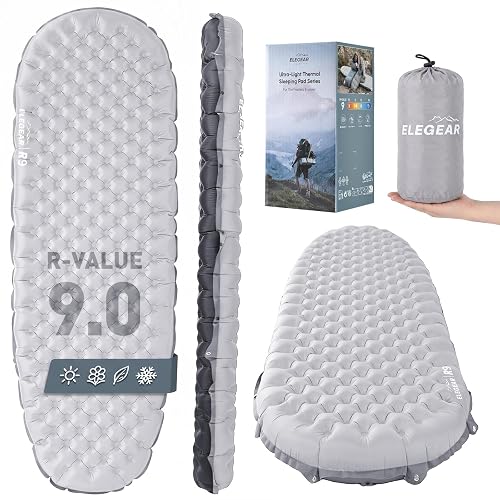
Elegear 4” Thick Sleeping Pad for Camping, 9.0 R-Value Insulated, for Tall
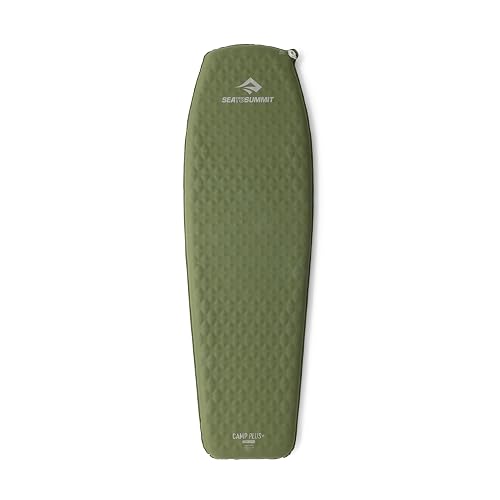
Sea to Summit Camp Plus SI Sleeping Mat, Tapered Regular
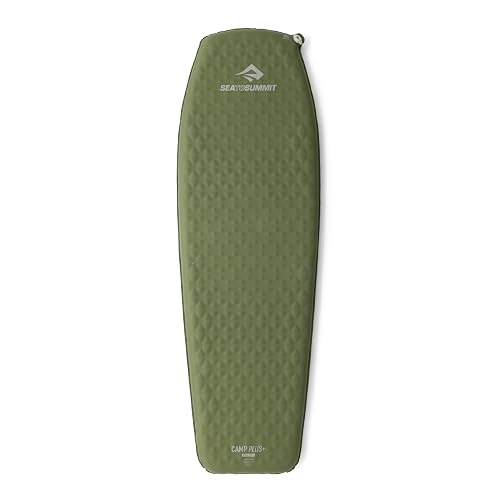
Sea to Summit Camp Plus SI Sleeping Mat, Tapered/Large

Sea to Summit Camp Plus SI Sleeping Mat, Rectangular/Large
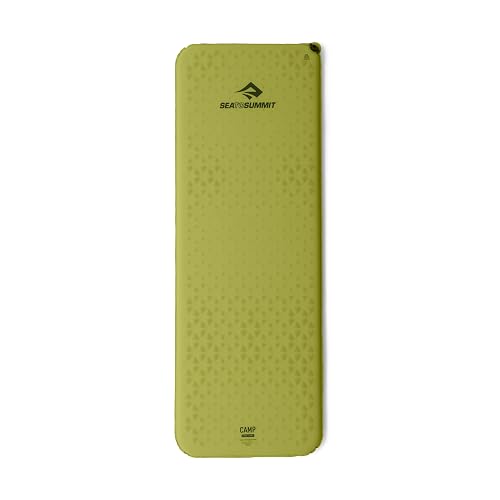
Sea to Summit Camp Plus SI Sleeping Mat, Rectangular/Regular
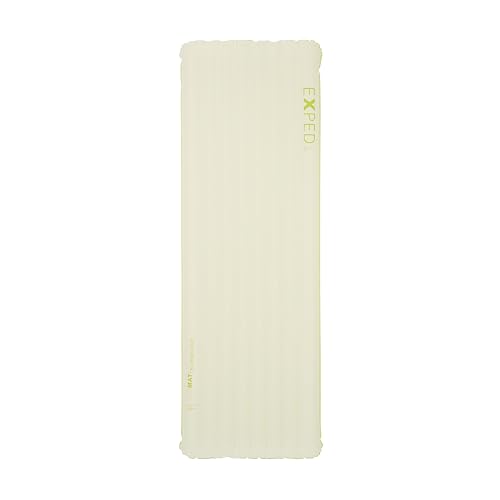
Exped Ultra – Ultralight Inflatable Backpacking Sleeping Pad
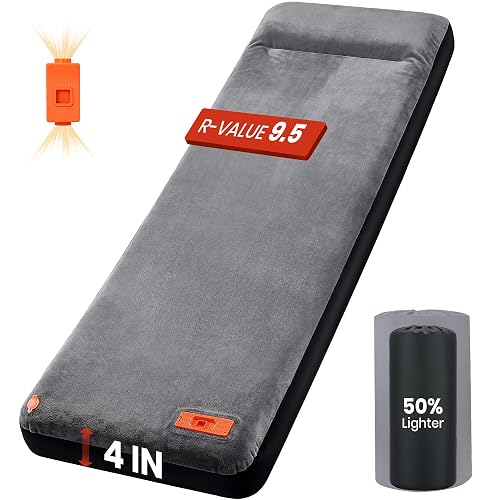
LLUAII Self Inflating Sleeping Pad with Electric Pump, 4″
Elegear 4” Thick Sleeping Pad for Camping with 9 R-Value Insulated, Single
A Deeper Look At The Lineup
Built for campers who run cold or chase shoulder-season peaks, the Elegear 4-inch tall sleeping pad pairs serious warmth with a mummy footprint that slips inside most tents without crowding the ridgeline. The 9.0 R-value, verified through ASTM F3340-22 testing, ranks well above typical three-season pads and lines up with genuinely cold overnight conditions where lower-rated foam lets ground chill creep in. Densely packed internal cells spread weight across shoulders, hips, and legs, reducing the “bottoming out” sensation on rocky or root-strewn sites.
For taller hikers who usually run out of pad before their pillow, the elongated cut answers the most common complaint about standard-length mats. Compared with the foam-heavy Sea to Summit options covered below, this one trades packability for cushion and insulation, so it suits hikers carrying a 60-liter pack rather than ultralight setups.
Why It Works Well
- 9.0 R-value insulation handles frosty nights that would flatten lower-rated mats.
- 4-inch depth keeps hips and shoulders off stony ground without feeling like a pool float.
- Elongated geometry suits campers over six feet who usually feel short on standard pads.
- Layered insulation system adds warmth without requiring a second closed-cell foam layer underneath.
- Mummy shape saves tent floor space and stabilizes the pad under side-sleepers.
Things To Consider
- Bigger packed size means it competes with your down jacket for room inside the pack.
- Higher insulation and thickness raise the weight enough that ultralight thru-hikers may want to look elsewhere.
Built With In Mind
Cold-weather backpackers over six feet tall who camp on snow, frozen ground, or shoulder-season shoulder lines.
Where Another Pick Suits Better
Thru-hikers watching every ounce should consider the Exped Ultra, which trims weight dramatically for summer and three-season trips.
The Tapered Regular version of the Sea to Summit Camp Plus SI uses open-cell foam inside a self-inflating air core, which means you crack the valve, let it breathe, then top it off with a few breaths. The 4.3 R-value pushes it into genuine four-season territory, which is uncommon for self-inflating pads in this weight class. A reversible valve handles inflation, deflation, and fine-tuning of firmness without adapters.
Compared to the Elegear covered above, this mat is shorter and slightly thinner at 2.6 inches, trading plush cushion for a smaller packed footprint. Tapered geometry saves roughly 100 grams versus rectangular equivalents, which matters when every kilo hits your knees by day three.
A Few Highlights
- Self-inflating foam core sets up in a couple of minutes without lung power.
- 4.3 R-value covers winter camping where most self-inflating pads bottom out thermally.
- Multi-function reversible valve simplifies inflation, deflation, and pressure tweaks.
- Tapered shape trims weight and pack size without sacrificing shoulder room.
Worth Noting
- Self-inflating foam tends to lose some bounce after years of compression in storage.
- 2.6-inch thickness feels less cushy than the 4-inch pads for side-sleepers.
- Regular length runs short for hikers over six feet, a real factor on cold nights.
Made For
Three-season backpackers under six feet who want a warmer-than-average self-inflating pad without extra weight.
Look Elsewhere When
Side-sleepers craving plush cushion should consider the LLUAII 4-inch pad, which trades packability for a thicker sleep surface.
Stepping up from the Tapered Regular, the Large version adds length and a few ounces to fit campers who kept sliding off the end of the shorter mat. The 4.3 R-value and 2.6-inch foam depth stay identical, so the insulation profile doesn’t shift; what changes is real estate under your feet. Side-sleepers benefit most from the extra length because their knees and elbows no longer hang over the edge into the cold air.
Versus the Elegear 4-inch tall model above, this pad packs smaller but feels thinner. The trade is clear: choose Elegear for warmth and cushion, choose this for a trimmer pack on three-season trips where you still hit frost overnight.
Noteworthy Benefits
- Extended length prevents the dreaded “feet hanging off” chill in cold air.
- Same 4.3 R-value handles freezing ground without adding bulk.
- Self-inflating setup avoids lung-busting inflation after a long day.
- Reversible valve lets you soften the mat for side sleeping comfort.
Trade Offs
- Larger packed size can crowd out other gear in smaller packs.
- Foam core is heavier than ultralight air-only designs on long routes.
Right Fit For
Taller three-season backpackers who want a self-inflating pad that actually covers their full body without dragging extra weight.
A Better Fit Elsewhere
Backpackers counting every gram should look at the Exped Ultra instead, which trades the foam layer for a much lighter air-only build.
The Rectangular/Large variant abandons the weight-saving mummy taper for full-width sleeping space, which is a genuine upgrade when your tent is wide enough to fit it. The 4.3 R-value keeps it firmly in cold-weather territory, while the rectangular cut lets restless sleepers roll, sit cross-legged, or share a corner with a small dog. Think of it as a hybrid: still a backpacking pad by weight, but roomy enough to feel like a base-camp mattress.
Compared with the tapered large version above, this one adds roughly 100 grams and noticeably more pack volume. For multi-night routes where the tent is your living room, that trade usually feels worth it.
Notable Upsides
- Rectangular shape gives restless sleepers room to roll without falling off.
- Large footprint handles taller campers and gear-heavy nights.
- Foam insulation handles freezing ground on shoulder-season trips.
- Self-inflating core frees you from manual pumping after long days.
Soft Spots
- Wider footprint may not fit single-wall or ultralight tents.
- Larger packed size strains smaller-volume backpacking packs.
Best Suited To
Base campers and car-campers with room to spare who want genuine cold-weather insulation under a wide, stable surface.
Skip It When
Backpackers packing tight should reach for the Sea to Summit Tapered Large instead, which trims the same warmth into a smaller package.
The Rectangular/Regular version of the Sea to Summit Camp Plus SI serves as the all-around option in this lineup, with a 4.2 R-value that handles three-season backpacking, scout trips, and shoulder-season overnights. Its lighter foam core helps trim pack weight compared to the wider Large version above, making it a sensible everyday hauler for campers who don’t need extra length. The 1.5-inch profile is the thinnest on this list, so warm-weather users get away with it, but winter campers may want more loft.
Against the Elegear 4-inch pads, this mat packs tighter and weighs less but gives up substantial cushion and a few R-value points. It’s the middle-ground pick that won’t disappoint on most nights short of full winter.
The Value In It
- Self-inflating foam core simplifies setup in camp.
- 4.2 R-value covers most three-season trips without supplemental insulation.
- Rectangular shape balances sleeping room with packability.
- Reversible valve allows pressure adjustment for comfort.
Honest Caveats
- 1.5-inch thickness feels minimal for side-sleepers and cold ground.
- Self-inflating foam can take on moisture if stored damp long-term.
Who It Suits Best
Year-round backpackers and scouts who need a versatile mat that handles spring, summer, and fall without specialty winter rating.
Not Your Match When
Side-sleepers who want serious cushion should consider the LLUAII 4-inch pad, which prioritizes comfort over pack weight.
The Exped Ultra flips the script on this roundup: no foam, no self-inflation, no bulk. Instead, you get a 3-inch air mat running under a pound, with head-to-toe air-insulated chambers that keep weight minimal while still delivering a flat, supportive sleep surface. It’s built for summer trips, thru-hikes, and bikepacking routes where shaving grams matters more than chasing frost.
Compared with the Elegear pads and Sea to Summit foam mats above, the Exped is lighter and far more packable, but you’ll need to bring a pump sack or steady breath to inflate it. Winter use is essentially out, so this isn’t a year-round tool.
Where It Excels
- Sub-1-pound weight barely registers on long-distance routes.
- Compact packed size fits inside ultralight packs without crowding.
- Air-insulated chambers provide stable, even support along the full body.
- Quick inflation and deflation suit fast-moving camps.
Points To Keep In Mind
- No foam means puncture repairs become a critical skill on trail.
- Lower warmth rating limits it to summer and shoulder-season use.
- Requires manual inflation, which takes more effort than self-inflating designs.
Whose Shelf It Belongs On
Thru-hikers, bikepackers, and summer backpackers who count ounces and want the lightest pad that still feels supportive.
Reach For A Different Pick When
Cold-weather backpackers should reach for the Elegear 4-inch tall pad, which provides substantial insulation for frosty nights.
The LLUAII pad throws the rulebook out the window with a built-in electric pump that inflates and deflates at the press of a button, plus an integrated pillow that removes one more thing from your packing list. The 4-inch foam depth matches the plushest pads in this roundup, and a 9.5 R-value lands it firmly in serious cold-weather territory. It’s also rated for use in cots, trucks, and car camping, which signals how heavy and bulky it is.
Versus the Elegear tall pad covered earlier, this one adds convenience features at the price of portability. It’s not a backcountry tool; it’s a comfort-first mat for short hikes into camp, vehicle-based trips, and base-camp setups.
Benefits That Matter
- 4-inch foam core delivers excellent cushion for side-sleepers and restless campers.
- Built-in electric pump eliminates manual inflation entirely.
- 9.5 R-value handles deep winter without supplemental insulation.
- Integrated pillow simplifies overnight setups.
Less Ideal Details
- Electric pump adds weight and bulk that doesn’t suit long backpack routes.
- Large packed size competes with other gear inside smaller packs.
- Higher price-per-ounce ratio makes it a poor thru-hiking choice.
Perfect Match For
Comfort-first campers who prioritize plush sleep over pack weight, especially on car camping and family camping trips.
Another Choice May Suit
Backpackers who still want serious warmth in a smaller package should consider the Elegear 4-inch tall pad instead.
The Elegear Single trades the elongated “tall” geometry above for a more compact single-user footprint, making it a better fit for solo backpackers under six feet or anyone packing tighter. The 9 R-value and 4-inch foam core stay identical to its taller sibling, so cold-weather performance doesn’t take a hit. The shorter shape saves space in the pack and fits more easily inside one-person shelters.
Next to the LLUAII pad covered just above, this Elegear option strips out the electric pump and built-in pillow for a simpler, lighter package, which matters when you’re carrying the pad on your back rather than hauling it in a trunk.
The Case For It
- 9 R-value insulation handles deep cold without supplemental layers.
- 4-inch depth keeps hips and shoulders off rocky or frozen ground.
- Compact single-user footprint saves pack space for solo trips.
- Densely packed cells prevent the “bottoming out” feel on uneven terrain.
Potential Drawbacks
- Single length runs short for campers over six feet tall.
- Larger packed size doesn’t suit ultralight thru-hikers.
Who Should Grab It
Solo winter backpackers under six feet who camp in frosty conditions and want thick cushion with serious insulation.
Swap It Out When
Taller cold-weather campers should swap to the Elegear 4-inch tall pad, which extends the same warmth into a longer footprint.
Sorting Warmth, Weight, and Comfort on the Trail
Choosing a backpacking sleeping pad comes down to matching three trade-offs: insulation (R-value), weight, and comfort. R-value measures how well the pad blocks heat loss to cold ground; higher numbers mean warmer sleep in winter, while lower numbers suffice for summer. Weight matters more on multi-day routes, where a heavier pad adds up to aching shoulders by day three. Comfort depends on thickness, surface texture, and how well the pad matches your sleeping style, especially for side-sleepers whose hips and shoulders need loft.
Insulation and R-Value
For summer backpacking, an R-value around 2 to 3 usually suffices, while shoulder-season trips typically need 3 to 5. Genuine winter camping demands R-values above 5, which is why the Elegear 4-inch pads and LLUAII stand out for cold-weather use. Lower-rated pads are lighter but fail when overnight temperatures drop below freezing.
Weight and Packed Size
Ultralight hikers chasing every ounce lean toward air-only designs like the Exped Ultra, which sacrifices foam for minimal pack impact. Self-inflating foam pads sit in the middle for warmth-to-weight ratio but take up more room. Heavy cushioned pads with built-in pumps suit car camping and base-camp comfort rather than long routes.
Shape and Sleeping Style
Mummy or tapered shapes save weight and fit narrow tents, while rectangular cuts give restless sleepers room to roll. Side-sleepers usually prefer thicker pads (3 inches or more) to cushion hips and shoulders. Taller campers need to check length carefully; a too-short pad leaves feet exposed to cold air and ruins sleep.
Key Considerations Across These Picks
Common Shopping Slip Ups
A frequent mistake is choosing an ultralight summer pad for a shoulder-season trip, only to wake up shivering when temperatures drop. Another is overestimating how much cold a thin foam pad can block; R-value ratings are standardized precisely because subjective feel can mislead. Always match the pad’s R-value to your lowest expected overnight temperature, and consider a backup foam layer if you’re uncertain.
Where The Extra Money Goes
Higher-tier pads earn their cost through better materials, including denser foam, tougher face fabrics, and valves that resist leaks. Thicker profiles also use more material, which adds weight but delivers the comfort side-sleepers need. Spending up typically makes sense for frequent campers, taller users who need longer lengths, and anyone camping below freezing.
Frequently Asked Questions
What R-value do I need for winter camping?
For genuine winter camping in freezing or below-freezing temperatures, look for pads rated at R-value 5 or higher. Lower-rated pads lose heat to the ground faster than your sleeping bag can replace it.
Are self-inflating pads better than air-only pads?
Self-inflating pads combine foam insulation with air for easier setup and reliable warmth. Air-only pads pack smaller and weigh less, but require manual inflation and puncture repairs.
How thick should a backpacking sleeping pad be?
Most campers find 2.5 to 3 inches comfortable, while side-sleepers usually want 3 to 4 inches for hip and shoulder cushion. Thinner pads work for warm summer nights but feel harsh on rocky ground.
Can I use a backpacking pad for car camping?
Yes, though heavier cushioned options like the LLUAII provide more comfort for stationary setups. Self-inflating foam pads also work well for car camping, where weight matters less.
How do I store a sleeping pad between trips?
Store pads unrolled or loosely folded in a dry place to preserve foam loft and prevent adhesive breakdown. Long-term compression in a stuff sack can reduce a self-inflating pad’s ability to expand fully.
Closing Remarks
The right sleeping pad depends on where you camp, how cold it gets, and how much weight you want to carry. Match the R-value to your conditions, pay attention to length and thickness, and you’ll sleep far better on the trail. Pick the option that fits your route and budget, and the rest of your kit will thank you for it.