
You head out for a weekend loop expecting clean switchbacks and a quiet campsite, then the strap starts digging in at mile four or your food bag swings loose. The right pack changes that whole day. This roundup walks through eight options covering quick day hikes, multi-day hauls, bear country, and tactical carry, so you can match the build to the terrain you actually walk on.
A Quick View Of The Lineup
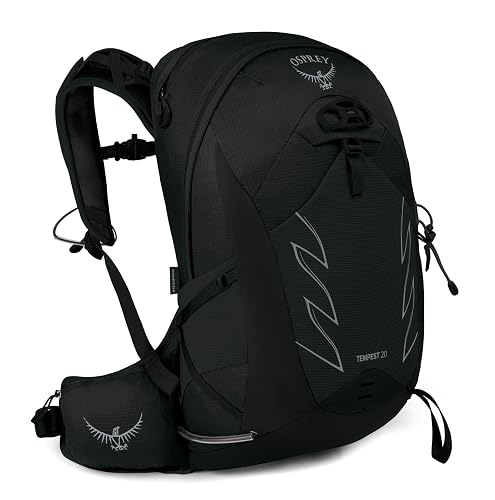
Osprey Tempest 20L Women’s Hiking Backpack (Stealth Black)
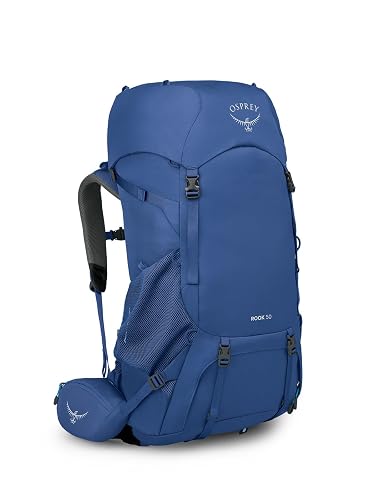
Osprey Rook 50L Men’s Backpacking Backpack (Blue)
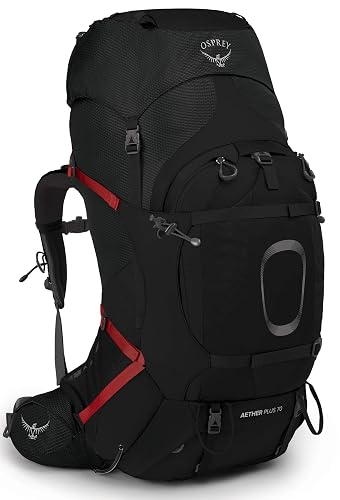
Osprey Aether Plus 70L Men’s Backpacking Backpack (Black)
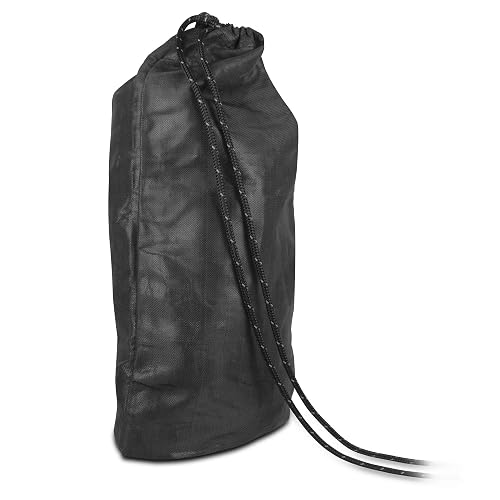
Ursack Major XL Bear Backpack for Backpacking
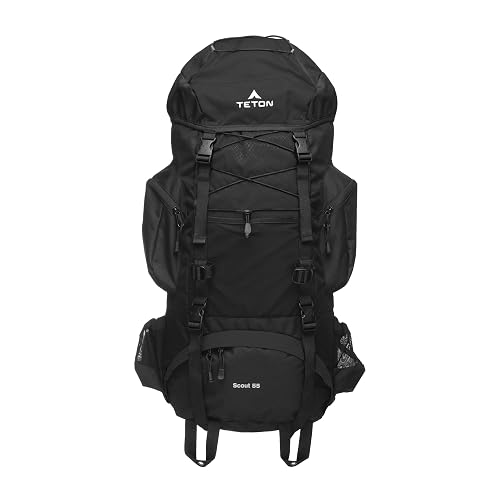
Teton 55L Scout Internal Frame Backpack (Black)

YETI Crossroads Backpack
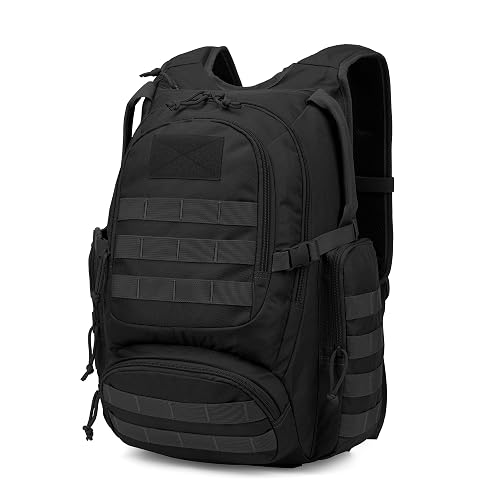
Mardingtop 25L Tactical Molle Hiking Daypack

Mardingtop 15L Tactical Molle Sling Backpack
Why These Options Stand Out
The Tempest 20L earns its spot as the women’s-tuned daypack in this lineup, and the difference shows up the moment you shoulder it. A continuous-wrap harness and hipbelt (the padded belt that wraps from the lumbar pad around the front of your hips to transfer weight off your shoulders) keep the load hugging your center of gravity rather than pulling on your neck, which matters on the second climb of the morning.
Compared to the larger Osprey options further down this list, the Tempest trades capacity for agility. Twenty liters is enough for layers, a reservoir, snacks, and a compact rain shell, which suits fast hikers and peak-baggers more than overnight haulers. Attachment loops for trekking poles, an ice axe, a bike helmet, and a blinky light make it useful across more activities than the label suggests.
What It Does Well
- Women’s-specific harness and hipbelt geometry for narrower shoulders and shorter torsos.
- AirScape backpanel channels airflow along the spine, which you may find noticeably cooler in summer.
- Panel-loading main compartment simplifies packing compared to top-loader-only designs.
- External carry options cover poles, helmets, and lights without aftermarket mods.
Things To Consider
- Twenty liters leaves little room for overnight shelter or extra layers.
- Frame support is minimal compared to the Aether Plus, so heavy loads feel less stable.
Who It Suits Best
Day hikers and weekend scramblers who want a women’s-tuned fit and don’t need overnight capacity.
A Better Fit Elsewhere
Trips that require carrying food for a few nights point toward the Osprey Rook 50L, which has the volume and integrated raincover the Tempest lacks.
The Rook 50L hits a sweet spot for first-time backpackers who want straightforward features without a long learning curve. A simple ladder-lock torso adjustment lets you dial in the torso length without tools, which removes a common stumbling block when gear is shared between family members.
You also get an AirSpeed suspension system (Osprey’s mesh-and-frame back panel that creates space between the pack and your back for airflow) and an integrated raincover, so two of the most common weather and fit problems are already handled. Versus the Tempest, this is a real multi-day pack: room for a sleeping bag, shelter, food, and a layer or two. The 50-liter capacity covers two to three nights for most users.
What Earns Its Place
- Tool-free torso adjustment for shared or growing users.
- Integrated raincover deploys from a dedicated pocket, no separate stuff sack to lose.
- Bluesign-certified materials, a sustainability standard that screens fabric inputs for environmental and chemical safety.
- Reasonable carry weight for first overnight trips.
Points To Note
- Less load-hauling stability than the Aether Plus 70L on heavy, multi-week pushes.
- Hipbelt pockets are basic, so snacks and phones take more digging.
Made For
New backpackers moving from day hikes to their first multi-day outing, or anyone who wants an unfussy pack that just gets the job done.
Where Another Pick Suits Better
Carrying a full winter load with a bear can and a heavy sleeping bag pushes past the Rook, in which case the Osprey Aether Plus 70L is the more stable choice.
The Aether Plus 70L is the load-hauler in this roundup, and the design choices reflect that. A Custom Fit-on-the-Fly hipbelt and shoulder strap system lets you tune the wrap while the pack is on your back, which is the moment adjustments actually matter. The pack also accepts serious weight without folding you in half.
A removable top lid (the detachable top compartment that closes off the main bag) converts into a DayLid daypack for side hikes from basecamp, an underrated feature when you’re camped at a lake for two nights. Add in an included raincover, Stow-on-the-Go trekking pole attachment, and FlapJacket cover for use without the lid, and you have a pack that handles long routes, big weather, and gear-heavy weeks. Compared to the Rook, this is overkill for casual weekends but a noticeable step up for serious trips.
The Case For It
- Stable carry for loads in the 35-50 lb range.
- Hot-swappable top lid doubles as a small daypack.
- Adjustable harness supports a wider range of torso lengths than fixed-frame packs.
- Built-in raincover plus a FlapJacket cover for lidless travel.
Honest Caveats
- 70L is too much pack for day hikers or short overnighters.
- Owners commonly report the empty weight feels heavy on shorter trips where you’re not using the volume.
- Premium pricing reflects the build, and it’s not the value choice in this list.
Best Suited To
Backpackers heading into weeklong or gear-intensive terrain who carry bear cans, stoves, or technical layers and need the capacity and stability to match.
Look Elsewhere When
Two- to three-night trips with light gear are handled more comfortably by the Osprey Rook 50L, which costs less and hauls less.
The Ursack Major XL isn’t a pack in the traditional sense; it’s a bear-resistant food container shaped like one, and it solves a very specific problem. Where canisters add rigid weight, this sack uses ultra-high-performance UHMWP fabric (a high-strength woven polyethylene that resists claw and tooth puncture) to protect food and small items from bears in places that require certified storage.
At 8.8 ounces and roughly 50% more capacity than the standard Major, it covers multi-day food stores for two or three hikers. The Major XL carries IGBC certification (Interagency Grizzly Bear Committee, the standard for bear-resistant containers in grizzly range) and doubles as a stuff sack for non-food items. It isn’t a substitute for a backpack, but paired with a smaller daypack like the Tempest or one of the tactical picks, it handles food-storage regulations cleanly.
Points In Its Favor
- IGBC-certified for grizzly country regulations.
- Fractions of the weight of hard canisters.
- Doubles as a packing sack when food isn’t inside.
Things To Consider
- Doesn’t replace a backpack: you still need a separate carry solution.
- Requires proper hanging or counterbalance technique where canisters are not mandated.
The Right Fit
Backpackers heading into Sierra, Yellowstone, or other IGBC-regulated wilderness who want a lighter alternative to a traditional bear canister.
Reach For A Different Pick When
Your trail doesn’t require bear-resistant storage, in which case the Osprey Rook 50L handles food and gear in one bag without the extra step.
The Teton Scout is built around shorter torsos, which most adult-fit packs quietly ignore. A 3/4 internal frame (a metal stay that runs most of the backpanel length for support without reaching all the way down) and adjustable torso panels help the pack sit correctly on teens, women with shorter torsos, and smaller-framed adults, who often get the worst fit from standard men’s packs.
At 55L, the Scout handles two to four nights depending on your sleeping bag and shelter. An integrated rain cover and multi-position adjustment on the straps mean weather and fit are already addressed, and a sleeping bag compartment separates overnight kit from daily-access gear. Versus the Osprey Rook, the Scout leans more toward value and family use than technical load-hauling.
What Helps Most
- Torso adjustment tuned for shorter frames.
- Integrated rain cover tucked into its own pocket.
- Lower price entry point for first-time owners.
- Dual-compartment layout for sleeping bag separation.
Points To Consider
- Less suspension refinement than Osprey packs under heavy loads.
- Owners commonly report the hipbelt padding as thinner than higher-end packs.
Who Should Grab It
Families outfitting teens or smaller-framed adults for their first multi-day hikes, and anyone whose torso length has never quite matched a standard pack.
Consider Something Else When
Carrying 40+ pounds for a week pushes the Scout, and the Osprey Aether Plus 70L handles that weight class with more support.
The Crossroads lands as the travel-and-commute entry in this roundup, with features that trail packs ignore and travel packs require. A clamshell opening (a fully unzipping main compartment that lays flat like a suitcase) folds the bag out 180 degrees, so packing cubes, laptops, and shoes go in like luggage, not like cargo stuffed through a top loader.
A 35L main compartment plus structured organization handles a laptop, layers, and travel kit without bulging. A pass-through strap on the back lets you slide the Crossroads onto roller luggage handles for transit days. The build leans toward daily wear and tear rather than granite-and-scrub use, which positions it differently from the hiking-focused Osprey options in this list.
What Makes Sense
- Suitcase-style packing for organized travel.
- Luggage pass-through strap for roller-bag stacking.
- Durable shell fabric with structured laptop protection.
Trade Offs
- Not a true backpacking pack: no hipbelt, limited load transfer for trail use.
- Heavier empty weight than dedicated daypacks like the Tempest.
Whose Shelf It Belongs On
Frequent flyers, business travelers, and commuters who want one bag that handles airport days and weekend detours equally well.
Another Choice May Suit
Hikers heading into actual trail terrain should pick the Osprey Tempest 20L or the Mardingtop 25L tactical pack, both of which carry weight across the hips properly.
The Mardingtop 25L trades ultralight trail design for modularity, and that choice pays off in specific scenarios. Molle webbing (rows of heavy-duty stitched loops that let you clip on extra pouches and gear) runs across the exterior, so you can add admin pouches, hydration carriers, or rifle scabbards without aftermarket mods. Side cinch straps secure rolled gear, and a patch panel accommodates name tape and morale patches.
Two side pockets handle 32 oz water bottles, which is more capacity than the smaller Mardingtop 15L. The front zippered pocket includes organization slots for tools, maps, and electronics. Compared to the Tempest, this pack is heavier and less ventilated, but far more configurable. For range days, motorcycle overland trips, or utility-heavy day hikes, that modularity matters.
A Favorable Mix
- Molle webbing for add-on pouches and accessories.
- Patch area for identification or personalization.
- Two large side pockets plus an organized front admin pocket.
- Side cinch straps secure awkward loads.
Less-Strong Areas
- Heavier than ultralight trail daypacks.
- Backpanel ventilation is minimal compared to Osprey’s mesh designs.
Perfect Match For
Range-goers, overlanders, and tactical-leaning hikers who want a configurable daypack that carries gear and accessories in one rig.
Swap It Out When
Pure trail comfort and breathability matter more than modular carry, in which case the Osprey Tempest 20L handles hot-weather day hikes with cooler back contact.
The 15L Mardingtop is the most adaptable item in this lineup by far, and that versatility comes from detachable straps. You can run it as a backpack, sling bag, crossbody, chest pack, or hand-carry, which means one bag covers a trailhead walk, a city commute, and a motorcycle run without swapping gear.
At 9.5 x 7.1 x 16.9 inches and roughly 0.88 kg, the build uses 600D polyester (a medium-weight fabric rated for everyday abrasion) with YKK hardware (a widely respected Japanese brand of buckles and zippers). YKK zippers specifically are commonly reported as more reliable than budget alternatives. Versus the larger 25L tactical pack, this version drops capacity for compact carry, which suits quick outings more than full-day hauls.
What Stands Out
- Five carry modes from a single bag.
- Compact dimensions fit under airline seats and in tight daypacks.
- YKK zippers and buckles for hardware that holds up to repeated use.
Things To Weigh Up
- Fifteen liters leaves little room for layers or water on warm days.
- No frame or hipbelt, so weight sits on one shoulder in sling mode.
Built With In Mind
Outdoors-minded commuters, motorcycle riders, and travelers who want one small bag that handles EDC (everyday carry) and short trail stops interchangeably.
Not Your Match When
You’re carrying real water, food, and layers for a half-day outing, in which case the Mardingtop 25L or the Osprey Tempest 20L offers the capacity.
Matching A Pack To Your Trail Time
Choosing the right size comes down to honest math about trip length, not aspiration. Day hikers carrying a reservoir, a rain shell, snacks, and a first-aid kit usually fit into 15-25 liters, while weekend backpackers with shelter, sleeping bag, food, and cookware generally need 45-55 liters. Weeklong routes or trips that require a bear can push capacity into the 60-70 liter range, where packs like the Aether Plus 70L earn their weight.
Suspension matters as much as volume. A pack with an internal frame and a mesh backpanel, like the AirSpeed designs on the Osprey options, transfers weight to the hips and breathes better in summer. Hipbelt padding is the second thing to check, since most of your load should sit on the padded belt rather than the shoulders. Torso length also matters more than people expect: a pack that doesn’t match your back length pulls on the shoulders and creates hot spots no matter how much padding it has, which is exactly the gap the Teton Scout aims to close for shorter frames.
For hikers in regulated bear country, food storage is its own decision. The Ursack Major XL handles the certification requirement with a fraction of the weight of a hard canister, but it adds a step to hanging or counterbalancing. The right pick depends on whether your trail mandates canisters specifically or accepts the certified sack.
Material and care round out the picture. Most technical packs use ripstop nylon or polyester, and most owners get years of service by storing them loosely in a dry place and rinsing mud before it dries into the zippers. For modular setups with Molle webbing, debris tends to collect in the stitching, so a soft brush occasionally keeps the loops functional.
Smart Spending And Smart Selections
Pitfalls Shoppers Hit
The most common mistake is buying by liter count alone. A 70L pack sounds like freedom until you pack 30 liters into it and the unused space bounces against your back. Equally common is ignoring torso fit: a well-fitted 50L pack carries further than a poorly-fitted 70L, and the best specs on paper mean nothing if the harness sits wrong.
Another trap is overlooking food storage requirements. Hikers buy a beautiful pack, then arrive at the trailhead to learn the wilderness requires a bear canister, and the pack’s frame can’t fit one. Confirming local regulations before you buy saves a real headache at the trailhead.
Where The Extra Money Goes
Higher-tier packs spend money on suspension refinement, lighter materials, and adjustability that survives real mileage. The jump from a basic 50L to something like the Aether Plus 70L shows up in how the pack carries 40 pounds, how the harness adjusts on the trail, and how the materials hold up after a few seasons. The premium also funds modular features like convertible lids and integrated rain covers that lower-tier packs omit.
For most hikers, the upgrade is worth it once trip length exceeds a long weekend or load weight climbs past 30 pounds. For day hikers and short overnights, value picks like the Rook 50L handle the work without the cost.
Frequently Asked Questions
How big should my pack be for a weekend trip?
Two- to three-night trips usually fit into a 45-55 liter pack if your sleeping bag compresses well and your shelter stays compact. Going much smaller forces uncomfortable compression, and going much larger leaves empty space that bounces.
Do I really need a hipbelt?
A real hipbelt transfers most of the load off your shoulders, which matters on anything heavier than a quick day hike. Without one, all the weight sits on the shoulders and a few miles in, you’ll feel it.
What’s the difference between a daypack and a backpacking pack?
Daypacks prioritize ventilation, light carry, and quick access; backpacking packs add an internal frame, hipbelt, and often an integrated raincover to handle heavier loads across longer days.
Are tactical packs good for hiking?
Tactical packs like the Mardingtop 25L carry well on moderate trails and offer more modular attachment than hiking-specific packs, but they typically weigh more and ventilate less than trail-focused designs.
How do I clean a hiking pack?
Empty the pack, brush out debris, hand wash with mild soap and lukewarm water, and air dry out of direct sunlight. Machine washing or dry cleaning tends to damage coatings and hardware.
The Takeaway
Your trail sets the rules, not the spec sheet. A 20L pack covers fast day hikes, a 50-55L handles weekends, and a 70L earns its keep on weeklong routes with serious gear. Match the pack to your actual miles and your food storage regulations, and the rest of the choice tends to fall into place.