
An overnight hike asks more from your pack than a simple day loop. You carry shelter, sleep system, food, layers, and water, all of which need a frame that distributes weight comfortably while keeping gear organized and accessible. Choosing well matters: the wrong pack can turn a beautiful mile into a shoulder-aching slog. This roundup walks you through ten packs built to handle overnight loads, from full-frame haulers down to ultralight packable options for fast-and-light missions.
The Essentials At A Glance
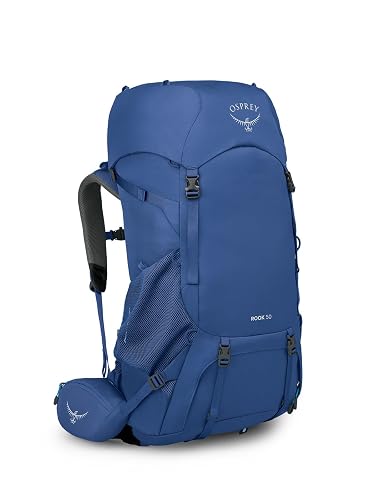
Osprey Rook 50L Men’s Backpacking Backpack, Blue
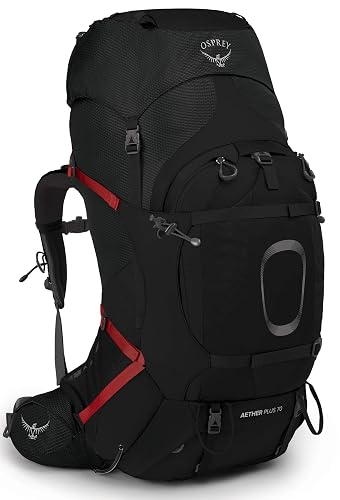
Osprey Aether Plus 70L Men’s Backpacking Backpack, Black
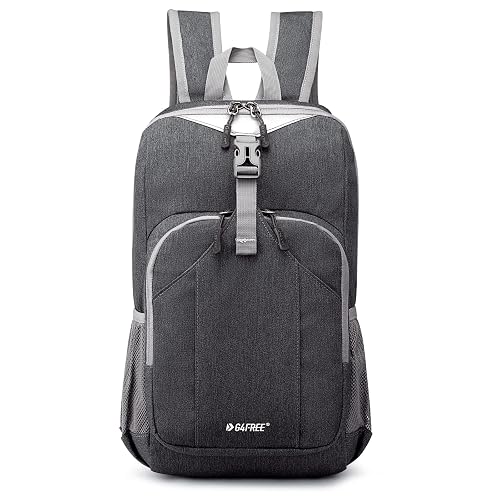
G4Free Mini 10L Hiking Daypack (Dark Grey)
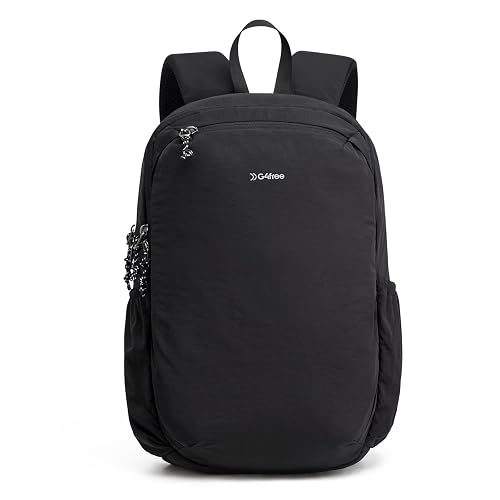
G4Free 15L Hiking Backpack Lightweight Daypack
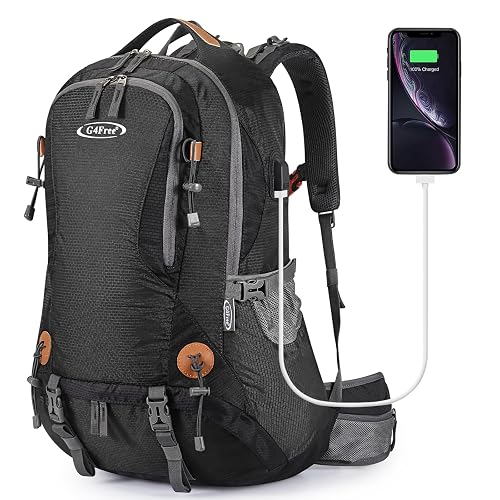
G4Free 50L Hiking Backpack with Rain Cover
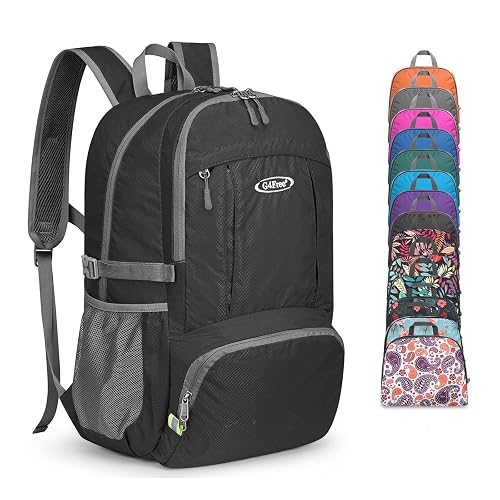
G4Free 40L Lightweight Packable Hiking Backpack
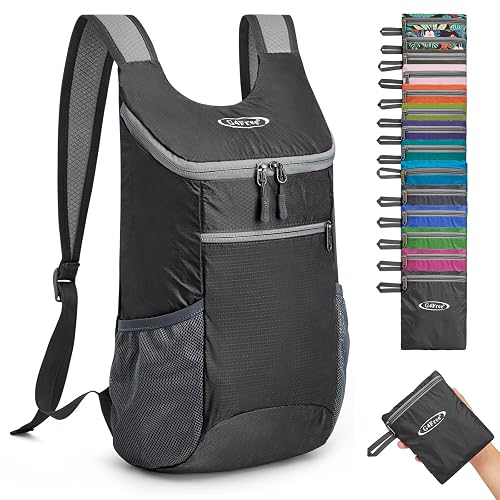
G4Free 10L Lightweight Packable Hiking Backpack
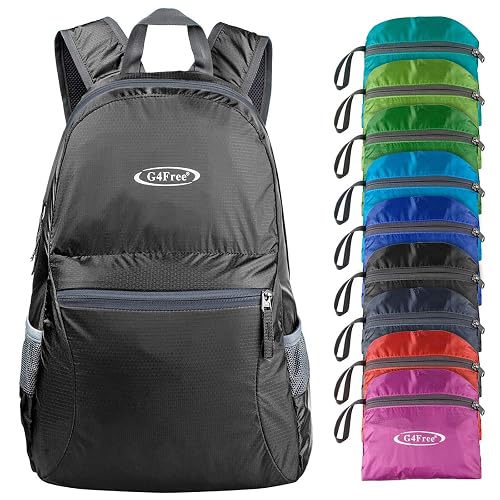
G4Free 20L Small Packable Travel Hiking Backpack
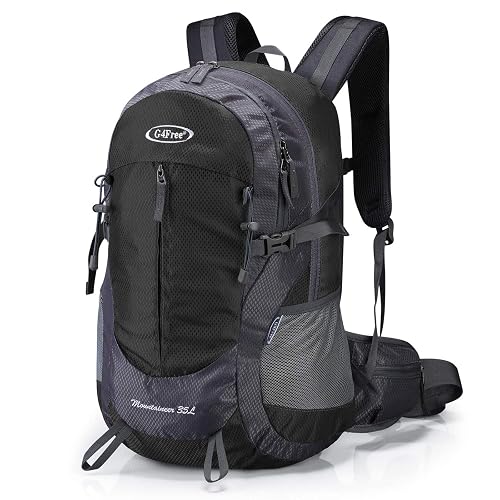
G4Free 35L Hiking Backpack, Water Resistant
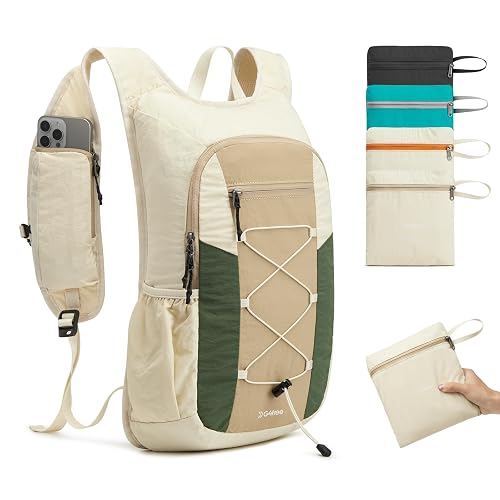
G4Free 20L Lightweight Packable Hiking Backpack
Why These Options Stand Out
The Rook 50 sits at the entry point of Osprey’s backpacking lineup, and that is exactly what makes it useful for first-timers learning overnight packing. Its AirSpeed suspension uses a tensioned mesh backpanel (a trampoline-like fabric that lets air circulate between the pack and your back) so the bag pulls weight off your shoulders and onto your hips, which matters most on the third mile of a humid climb. The injection-molded ladder lock torso adjustment is a rigid plastic ladder you slide up or down to match your back length, and it dials in a clean fit without tools.
Compared to the G4Free packs further down this list, the Rook trades raw storage for a real frame and harness system. For weekend overnights at moderate loads, the difference in comfort shows up fast on long descents where cheap frames tend to collapse into your lower back.
Points In Its Favor
- Tensioned mesh backpanel keeps air moving across your back on hot climbs.
- Tool-free torso ladder means a friend can borrow it and reset it in seconds.
- Integrated raincover deploys from a bottom zip when weather rolls in.
- Hipbelt pockets handle a phone and snacks without rummaging.
- bluesign certification signals responsible material sourcing (an independent standard that screens fabric chemicals for environmental and worker safety).
Trade Offs
- 50 liters runs tight for cold-weather overnights where bulky layers stack up.
- Heavier than ultralight alternatives once you step off marked trail.
Key Specs
Who It Suits Best
First-time backpackers heading into mild, two-season overnights who want a forgiving fit system and don’t want to think about frame engineering.
Where Another Pick Suits Better
The Osprey Aether Plus 70L is a better match for experienced load-haulers carrying winter gear or week-long food caches.
The Aether Plus 70 is Osprey’s load-hauling workhorse, built for the kind of trips where your pack tips past 40 pounds before you leave the parking lot. Its Custom Fit-on-the-Fly hipbelt and shoulder straps (padded contact points you can lengthen or shorten with a pull tab) let you tune the contact points in real time, which is useful when your body shifts between an uphill grunt and a long downhill march. A removable top lid that converts to a DayLid daypack means you can stash your overnight bag at basecamp and run a smaller pack up a side peak.
Compared to the Rook 50, the Aether Plus carries significantly more volume and uses a stiffer internal frame, which costs weight but earns stability. Stow-on-the-Go trekking pole attachment (a bungee loop that grabs pole tips without removing the pack) is a small but welcome touch for ridge scrambles where poles swing in and out of your hands.
Real Benefits
- Adjustable hipbelt and harness let you re-fit on long days as layers change.
- Removable top lid doubles as a summit pack, saving a second bag in your closet.
- Stow-on-the-Go trekking pole carry keeps poles accessible without a pack drop.
- Integrated raincover shields a fully loaded pack in sustained downpours.
Less Ideal Details
- 70L is overkill for summer overnights and encourages hauling things you won’t use.
- Stiff frame and heavier fabric add noticeable pounds compared to mid-volume picks.
Built With In Mind
Experienced backpackers planning gear-heavy trips, winter expeditions, or week-long routes where food and fuel take real space.
Skip It When
The G4Free 50L with Rain Cover is a smarter fit for budget shoppers who only need two-season capacity and prefer lighter carry weight.
The G4Free Mini is not an overnight pack in the traditional sense, and that is the point. At 10 liters with a compact shoulder-bag silhouette, it is sized for summit pushes, fast-packing day missions, or short overnight trips where you are running lean with a tarp and bivy. The reinforced seams and SBS metal zippers (SBS is a brand known for smoother-gliding, more durable zippers than the generic YKK alternatives found on cheaper bags) hold up well given how thin the fabric feels in hand.
You may find the lack of a hipbelt and the small backpanel feel less stable under any real load. For ultralight shelter, water, and a layer, the trade-off in comfort is well worth the weight savings if your trip is short and your base weight is dialed.
Bright Spots
- Tear-resistant polyester shell shrugs off brush and rock scrapes.
- Metal zippers outlast plastic sliders on cheap daypacks.
- Breathable, adjustable shoulder straps keep the pack steady on a run or scramble.
Practical Considerations
- 10L cannot fit a traditional sleeping bag, pad, and shelter, so it only suits ultralight kits.
- No hipbelt means the load pulls on shoulders over any real distance.
- Compact dimensions leave little room for water storage beyond a soft flask.
Right Fit For
Fast-and-light adventurers running tarp-and-bivy overnighters who already own a 30L or 50L pack for bigger trips.
Not Your Match When
The G4Free 50L Hiking Backpack is the better pick when you want full overnight capacity without ultralight discipline.
The G4Free 15L sits in the awkward middle ground between a tiny summit pack and a real overnight bag, and that is exactly its use case. It handles a trail day with a rain layer, lunch, water, and a small first-aid kit, while leaving a little leftover room for a shared rope or extra food. The lightweight construction means it disappears on the trail, but you wouldn’t want to push it past a quick overnighter.
Versus the G4Free Mini 10L reviewed above, this bag adds a bit more structure and a touch more volume without significant weight. For most people who don’t run ultralight, the 15L is the more forgiving choice for casual overnighters that lean on a partner’s pack for the bulky gear.
Where It Excels
- Compact body fits under airplane seats for travel days before the trail.
- Lightweight shell cuts fatigue on short approaches and city walks alike.
- Versatile sizing handles a trail day or a single-night overnighter with a pared kit.
Things To Consider
- 15L runs out of room fast when a tent or full sleeping bag enters the picture.
- No internal frame, so heavier loads pull the pack off your shoulders.
Best Suited To
Casual hikers and travelers who split group gear on overnight trips and need a pack that doubles as a personal item on flights.
Look Elsewhere When
The G4Free 35L Hiking Backpack is the right call when you want to carry your own shelter, sleep, and food on short overnights.
The G4Free 50L delivers serious overnight capacity at a price that won’t scare off casual weekend warriors. The waterproof nylon shell holds up under light to moderate rain on its own, and the included raincover steps in when weather turns serious. The bag measures roughly 14.2 x 9.4 x 23.6 inches, which is a tall column of pack that swallows a two-person tent and a full-length sleeping pad without bulging.
Compared to the Osprey Rook 50, this G4Free trades the engineered suspension for a simpler harness and more pocket organization. The trade-off shows up on heavy, multi-day miles where a real suspension matters more, but for two-night trips at moderate weight, the value math is hard to beat.
Reasons It Performs
- Roomy main compartment handles tent, pad, and sleeping bag without forcing out extra gear.
- Front zipper pocket gives quick access to maps, snacks, and a headlamp.
- Included raincover removes one more purchase from your gear list.
- Waterproof nylon shell resists light rain and puddle splashes.
Points To Note
- Simple suspension compresses less comfortably under heavy loads than framed picks.
- Zippers are smooth at first, but owners commonly report they need care after heavy use.
Feature Snapshot
Who Should Grab It
Budget-minded overnight campers who want full capacity and rain protection without paying for a premium suspension system.
Swap It Out When
The Osprey Rook 50L earns its place for shoppers willing to invest more in fit and carry comfort on long trail days.
The 40L G4Free distinguishes itself with a dedicated waterproof wet pocket against the back panel, a small detail that pays off on hikes that start with a swim, a rain shower, or a soaked base layer. The packable design (which folds into its own stuff sack for storage) makes it a favorite for travelers who don’t want to commit shelf space to a rigid backpack.
For most overnight trips with a moderately compact kit, the 40L hits a comfortable middle. Compared to the G4Free 50L above, you give up some volume but gain the wet-pocket feature and a lighter carry. The trade-off works well for hikers who plan their overnight load tightly.
Strengths Worth Knowing
- Waterproof back-panel pocket keeps phones and layers dry during water crossings.
- Packable construction folds flat for storage in luggage or under a car seat.
- Multi-compartment layout separates clean clothes from damp gear.
- 40L handles a tarp, quilt, and pad for one or two nights.
A Few Limitations
- Packable fabric feels thinner against rock and sharp branches than traditional backpacking shells.
- Lacks a hipbelt for load transfer on long, heavy hauls.
Key Attributes
Made For
Travelers and hikers who ford streams, paddle to campsites, or get caught in coastal rain and want a built-in dry zone.
Reach For A Different Pick When
The G4Free 50L with Rain Cover makes more sense for cold-weather overnighters carrying bulky insulation layers.
At roughly 4.59 ounces, this 10L packable disappears into a suitcase pocket until you need it, then unfolds into a functional daypack for short hikes or city wandering. The tear-resistant nylon and water-resistant shell handle the rough edges of travel better than the weight suggests, and the compact unfolded size fits small hikers and shorter torsos well.
For overnight hikers, this works as a summit or side-trip pack stashed inside a larger backpack. The G4Free Mini 10L covered earlier has a similar footprint but a different feel, so the choice between them comes down to whether you want a shoulder-bag silhouette (Mini) or a backpack shape (this one).
Everyday Perks
- Folds into a built-in pouch roughly the size of a sandwich.
- Tear-resistant nylon shrugs off airport conveyor scrapes and trail brush.
- Water-resistant shell keeps light rain from soaking a tablet or paperback.
Worth Noting
- No internal frame or hipbelt, so heavier loads get uncomfortable fast.
- 10L can’t carry overnight sleeping gear, so it’s strictly a secondary pack.
- Thin shoulder straps may dig in under sustained weight.
The Right Fit
Frequent travelers who want a stowable daypack for trips that combine cities and short trails, and who already own a real overnight pack.
Another Choice May Suit
The G4Free 20L Small Packable Travel Hiking Backpack offers more room while still folding flat for travel days.
The 20L G4Free packable adds useful volume over the 10L version while keeping the fold-flat design that makes it travel-friendly. Three zippered compartments handle the essentials: a main pocket large enough for an iPad and a change of clothes, plus smaller pockets for wallet, phone, and snacks. The unfolded size of 16.5 x 11.8 x 6.3 inches fits under most airplane seats.
For overnight trips, the 20L works as a personal pack for ultralight setups where your partner carries shelter and food. Compared to the G4Free 15L reviewed above, this one trades a bit of compactness for better organization.
The Helpful Details
- Folds into a built-in pouch small enough for a carry-on pocket.
- Three zippered compartments keep items separate without bulging the silhouette.
- Main pocket fits a tablet plus a change of clothes for hostel or camp use.
- Lightweight shell keeps the bag’s own weight off your shoulders.
Trade Offs
- Packable fabric is more delicate than standard backpacking shells over time.
- Limited padding means fragile electronics need their own sleeve.
Perfect Match For
Travelers and minimalist campers who pair this bag with a partner’s bigger pack or use it for hostel-based overnighters.
A Better Fit Elsewhere
The G4Free 35L Hiking Backpack earns the spot for solo overnighters who need to carry their own shelter and sleep system.
The 35L G4Free strikes a useful balance between carry-on compliance and full overnight capacity. At 19.7 x 12.6 x 8.7 inches and roughly 2.14 pounds, it meets the size requirements for most airlines, which means you can hike and fly with the same bag. The layout includes a main compartment, a front zipper pocket, a multi-layer middle pocket, two side pockets, and two waist-strap pockets, which is generous organization for a pack at this volume.
For overnight trips, the 35L handles a solo shelter, sleep system, and food for two or three nights. Compared to the larger 50L G4Free covered earlier, this one is easier to pack light and harder to overload, which most casual hikers appreciate.
Practical Advantages
- Carry-on friendly dimensions simplify air travel before and after the trail.
- Multiple pockets spread gear into accessible zones without unpacking the main bag.
- 2.14-pound weight keeps the bag manageable on long approaches.
- Waist-strap pockets handle a phone and snacks at your fingertips.
Things That May Matter
- Water-resistant shell handles drizzle, but a heavy storm wants a pack cover.
- 35L is tight for a full winter overnight with a four-season tent and down bag.
At A Glance
Whose Shelf It Belongs On
Hybrid travelers who fly to a trailhead and want a single bag that handles both the airport and the overnight.
Where A Sibling Pick Shines
The G4Free 40L Lightweight Packable Hiking Backpack suits hikers who want a built-in wet pocket over more total volume.
The newest 20L G4Free packable rounds out the list with a streamlined, ultralight build aimed at fast-and-light overnighters. The compact folded size makes it a natural choice for trail runners, bikepackers, and hikers who carry a small kit and rely on a partner or hut for the heavy items.
Versus the older 20L G4Free covered above, this model shares the volume but updates the construction for a lighter feel. The trade-off is less structure, which means the pack carries best with soft, compressible items rather than rigid gear.
A Favorable Mix
- Packable design slips into a luggage pocket for travel days.
- Lightweight build disappears on the trail.
- 20L suits overnighters with a tarp, quilt, and pared-down essentials.
Room For Improvement
- Minimal padding means the bag is uncomfortable under heavy loads.
- Less structure than the older 20L G4Free, so the bag collapses under bulky items.
Who Will Love This
Fast-and-light hikers and bikepackers who already own a heavier pack for big trips and want a smaller companion for quick overnighters.
Consider Something Else When
The Osprey Rook 50L is the right answer for shoppers who want suspension engineering and a real overnight harness in one bag.
Picking the Right Overnight Hiking Backpack for Your Trip
Match Volume to Trip Length
For a single summer overnight, 35 to 50 liters usually fits shelter, sleep system, food, water, and a layer without forcing you to Tetris every piece. Winter trips with bulky insulation and a four-season tent want 60 to 70 liters because down jackets and snow stakes eat space fast. Ultralight tarp-and-quilt kits can squeeze into 20 to 30 liters if you commit to a small footprint, but the G4Free Mini 10L only works for summit pushes or paired partners who split gear.
Suspension Matters More Than You Think
A real suspension system shifts weight from your shoulders to your hips, which is the difference between a comfortable third mile and a miserable tenth mile. Packs like the Osprey Rook 50 and Aether Plus 70 use engineered harnesses with hipbelts and load lifters (small straps at the top of the shoulder harness that pull the pack’s weight forward and closer to your center of gravity). For trips over five miles one-way with a loaded pack, suspension is non-negotiable. Shorter carries and lighter loads forgive a basic strap-and-zipper setup.
Get the Fit Right Before the Trail
Back length matters as much as torso length, since most packs need to sit so the hipbelt cradles your iliac crest (the bony ridge at the top of your pelvis) rather than your waist. Measure your torso from the C7 vertebra (the bony bump at the base of your neck) down to that iliac crest, then match to the pack’s size range. The Osprey Aether Plus 70L is offered in a specific L-XL sizing, which helps shoppers at the taller end of the spectrum find a clean fit.
Plan for Weather, Not Just Weight
A waterproof nylon shell handles drizzle and puddle splashes, but sustained downpours want a pack cover or a separate liner. The G4Free 50L includes an integrated raincover for that reason, while the G4Free 40L solves a different problem with a waterproof wet pocket against the back panel for damp clothes and electronics.
Common Mistakes and Smart Upgrades
Where Shoppers Go Wrong
The biggest mistake is buying a pack that is too big, since extra volume quietly fills with unnecessary gear and turns a comfortable overnight into a hauling project. The second common trap is ignoring torso length and trusting a “one size fits all” label, which leaves the hipbelt floating above the hips and puts every pound onto your shoulders. A third pitfall is choosing a packable daypack for a real overnight trip because the volume sounded right on paper, even though the bag has no frame to handle the load.
Where The Extra Money Goes
Premium picks like the Osprey Aether Plus 70L earn their price through adjustable harnesses, real load lifters, and fabrics that survive years of abrasion. The upgraded materials tend to resist abrasion (scuffing against rock and brush) better than the budget shells, which means the bag still looks like a pack after multiple seasons. The honest read is that the upgrade pays off when you carry heavy loads on multi-day trips, but for casual weekend overnights, a value pick like the G4Free 50L handles the work without the extra cost.
Frequently Asked Questions
What size backpack do you need for an overnight hike?
For a single summer night, 35 to 50 liters is usually enough room for a shelter, sleep system, food, water, and an extra layer. Winter trips with bulky insulation want 60 to 70 liters, while ultralight tarp setups can fit into 20 to 30 liters.
Are packable backpacks good for overnight hiking?
Packable backpacks work for overnight hiking only when your kit is genuinely small and your trip is short. They lack the frames and hipbelts that distribute weight on real trail miles, so for overnighters with full gear, a traditional pack like the Osprey Rook 50 or G4Free 50L handles the load better.
How much does an overnight hiking backpack weigh empty?
Most overnight packs in this roundup weigh between 2 and 4 pounds empty. The Osprey Aether Plus 70L is heavier because of its engineered suspension and full feature set, while packable daypacks like the G4Free 10L drop below 5 ounces.
Can a 50 liter backpack work for a weekend trip?
Yes, a 50 liter pack like the Osprey Rook 50 or G4Free 50L handles two to three nights of three-season gear with room to spare. The honest read is that a 50L works best when you pack deliberately, since extra space tends to invite extra weight.
Do I need a rain cover for my hiking backpack?
A rain cover or pack liner is useful for any trip where sustained rain is possible, even on bags with a water-resistant shell. The G4Free 50L includes an integrated raincover, which removes one more item to remember, while other packs benefit from a separate pack liner for full waterproofing.
Closing Remarks
The right overnight hiking backpack depends less on brand reputation and more on matching volume, fit, and suspension to your specific trip length and load. Start with how many nights, then dial in fit before features. Once a pack carries comfortably across a few training miles, the rest of the gear list falls into place.