
A long weekend in the backcountry can run through dozens of liters of water, and the streams you trust aren’t always as clean as they look. Sediment, bacteria, and the occasional virus all ride along in untreated water, so the right purifier becomes part of your kit rather than a luxury. This roundup covers eight filter and purifier options for backpackers, thru-hikers, and emergency planners. Each one handles a slightly different scenario, from ultralight straw-style sipping to group base-camp pumping.
The Picks In Brief

GRAYL GeoPress Replacement Filter & Purifier Cartridge

LifeStraw Personal Water Filter for Hiking
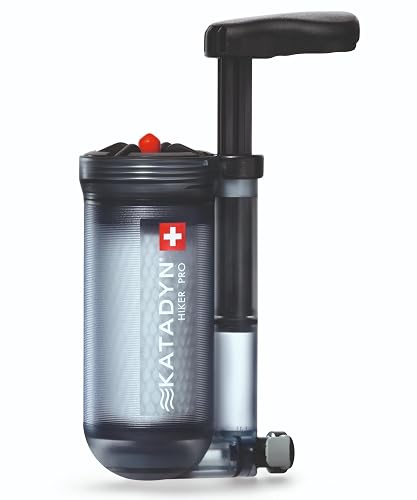
Katadyn Hiker Pro Transparent Hand Pump Filter
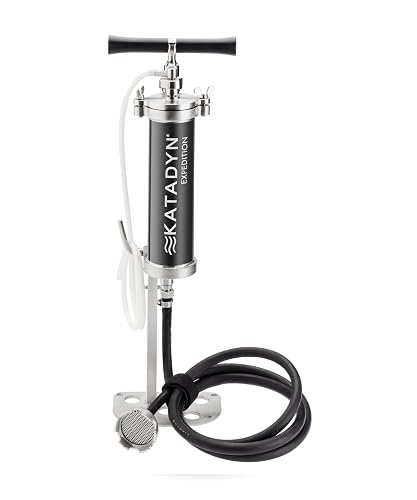
Katadyn KFT Expedition Stainless Steel Hand Pump
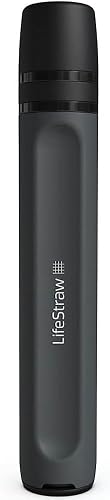
LifeStraw Peak Series Personal Water Filter Straw

SteriPen Adventurer Opti UV Personal Water Purifier
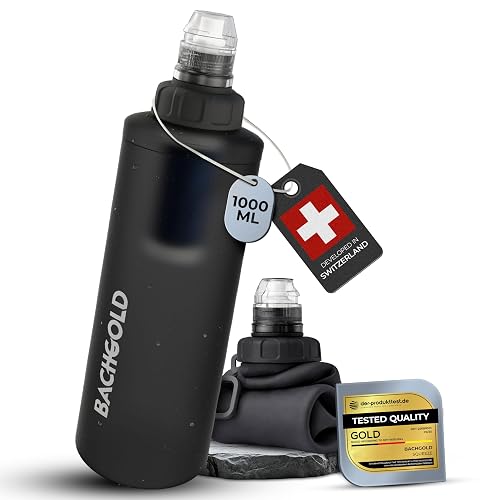
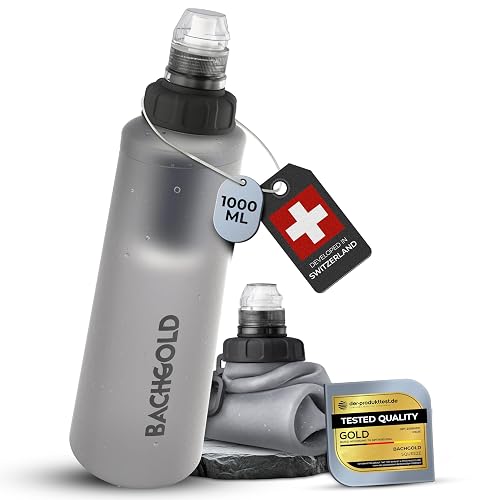
Bachgold Squeeze Collapsible Water Filter Bottle (Gray)
Bachgold Squeeze Collapsible Water Filter Bottle (White)
Meet The Standout Selections
This cartridge drops into the GRAYL GeoPress bottle and steps well past the bacteria-and-protozoa level that straw filters cover. It also tackles viruses, which matters the moment you cross into regions where tap and surface water carry that risk. The Hi-Vis orange shell simple to spot at the bottom of a stuffed pack.
Because this is a replacement cartridge, the bottle and valve are purchased separately, so first-time owners should plan accordingly. Once the system is in hand, treatment feels more like pouring a cup of coffee than field-pumping. Travelers moving between hotels, hostels, and trailheads tend to appreciate that blend of speed and broad-spectrum protection.
Useful Highlights
- Targets viruses alongside bacteria and protozoan cysts, raising the safety ceiling past most straw filters.
- One-press operation that requires no pumping, squeezing, or waiting for chemicals.
- Hi-Vis orange housing is easy to find in a dim shelter or shared gear pile.
- Replaces a worn cartridge rather than the whole bottle, which simplifies long-term ownership.
Things To Consider
- The GeoPress bottle and drink-mix valve are sold separately, so the upfront kit is bigger than a single straw purchase.
- Pour-through style means you’ll still need a clean vessel to collect untreated water from a stream.
Feature Snapshot
Made For
International travelers and backpackers who want virus-level protection without carrying a pump.
Where Another Pick Suits Better
Ultralight purists who hate extra ounces will prefer the LifeStraw Personal Water Filter for Hiking.
The original LifeStraw is the straw that defined a category, and it remains the simplest entry point for someone new to backcountry water treatment. Uncap one end, point the other at a stream, and drink. There are no moving parts to break and no batteries to babysit, which is part of why it stays in so many emergency kits.
It’s built around a 0.2-micron hollow fiber membrane, meaning it catches bacteria and parasites while letting clean water pass through. You can sip directly from a lake or use it to fill a bottle. Compared with the GRAYL GeoPress above, it skips virus protection in exchange for grams saved, so it’s a poor match for high-risk international travel but a solid choice for North American backpacking.
Where It Helps
- Weighs very little and slips into a hip belt or shirt pocket without complaint.
- Straw-style design removes the learning curve entirely for first-timers.
- Filters bacteria, parasites, and microplastics down to a meaningful size threshold.
- Functions as a backup option in any layered water-treatment strategy.
Honest Caveats
- Sipping straight from a moving stream is awkward when you actually want to fill a cook pot.
- No virus protection, so high-risk international regions call for a different option.
Best Suited To
First-time backpackers who want a no-fuss filter for weekend trails.
Skip It When
Backpackers who prefer to collect, treat, then drink will find the Katadyn Hiker Pro Transparent a better fit.
The Hiker Pro has been a fixture on long trails for years, and the transparent body is the small touch that keeps it useful in the field. You can watch the cartridge darken with silt and know exactly when to swap or backflush, which turns cartridge maintenance from a guessing game into a quick glance.
At roughly 11 ounces, it sits in that middle zone between ultralight straws and expedition-scale pumps. Output lands around a liter per minute under good conditions, enough to fill a hydration bladder while dinner simmers. The threaded inlet hose connects to most bottles and reservoir hangers, so you can filter straight into the container you’ll drink from later.
Useful Touches
- Transparent housing makes cartridge condition visible at a glance.
- Hand-pump output around one liter per minute suits solo hikers with modest water needs.
- Hose adapter fits common bottles and hydration-pack openings.
Worth Noting
- Backflushing adds a small maintenance step that straw filters don’t require.
- Hand-pumping for multiple liters in one session can fatigue wrists on long days.
Who It Suits Best
Solo backpackers who filter into bottles or bladders and want a transparent view of cartridge life.
Look Elsewhere When
Group campers filtering large volumes will find a better fit in the Katadyn KFT Expedition Stainless Steel Hand Pump.
The Expedition is the workhorse of the Katadyn catalog, with a stainless steel body and a ceramic element rated for tens of thousands of liters. It’s the pump you’ll find on mountaineering expeditions, base camps, and remote research stations, where one person is filtering water for an entire group.
Output reaches about 4 liters per minute, which is dramatically faster than the Hiker Pro above. That speed earns its weight in any scenario with multiple campers or a long trip without resupply. It’s overkill for a solo weekend, but it earns its place when your shelter holds six hungry hikers and a stack of cooking pots.
Strong Points
- Ceramic element rated for roughly 100,000 liters of use before replacement.
- Output around four liters per minute suits group-sized water needs.
- Stainless housing holds up to repeated drops and rough handling.
Things To Weigh
- Significantly heavier than hand pumps built for solo hikers.
- Field cleaning of a ceramic cartridge adds a maintenance step lighter filters avoid.
Feature Snapshot
Right Fit For
Group leaders, guides, and emergency responders filtering water for multiple people.
Reach For A Different Pick When
Solo day hikers will do better with the LifeStraw Peak Series Personal Water Filter Straw.
The Peak Series is LifeStraw’s second-generation take on the personal straw, refined for grip and flow rather than reinvented. It still weighs about 2 ounces and slips into a hip belt or pocket without complaint, but the updated texture makes it easier to hold with cold or wet hands.
It carries no extra parts, no batteries, and no cartridges to swap, which is exactly why it earns a slot in so many bug-out bags. Compared with the original LifeStraw above, flow rate has been tuned for easier sipping on long trail days. The trade-off is the same as its predecessor: no virus protection, so it suits clean North American water more than international travel.
Features That Help
- Updated grip texture improves handling in cold or wet conditions.
- No moving parts or batteries to fail in storage.
- Tuned flow rate for easier sipping compared with the original LifeStraw.
- Sustainable, BPA-free construction for travelers wary of plastic taste.
Points To Keep In Mind
- Straw-style use still means filling a separate bottle for cooking water.
- No virus protection, so it’s a poor primary filter for international trips.
Who Should Grab It
Thru-hikers and emergency-prep shoppers who want a featherweight backup filter.
A Better Fit Elsewhere
Backpackers cooking rehydrated meals will prefer the Bachgold Squeeze Collapsible Water Filter Bottle (Gray).
The Adventurer Opti takes a different route through the purifier category by using UV light instead of a membrane. A short treatment cycle in clear water neutralizes bacteria, viruses, and protozoa without slowing you down at the campsite. The pen-style form factor disappears into a side pocket until you need it.
It runs on CR123 lithium batteries, which are easy to find at camera shops and outdoor retailers in most regions. The catch is that UV only works in reasonably clear water, so turbid streams need pre-filtering or settling. Compared with the GRAYL GeoPress above, this one skips the pour-through step but trades it for battery management.
The Good Stuff
- UV treatment covers viruses, bacteria, and protozoa in a single short cycle.
- Pen-style housing weighs little and stores flat in a pack.
- CR123 batteries are widely stocked at camera and outdoor retailers worldwide.
Practical Considerations
- Turbid water reduces effectiveness, so cloudy sources may need pre-filtering.
- Carrying spare CR123 batteries adds a small ongoing ownership cost.
Quick Facts
Built With In Mind
International travelers in regions where water is reasonably clear and viral risk runs high.
Consider Something Else When
Backpackers filtering silty mountain streams will get better results from the Katadyn Hiker Pro Transparent Hand Pump.
The Bachgold Squeeze folds flat when empty and stands up to hold 33.8 ounces when full, which is the kind of pack-friendly behavior backpackers notice immediately. Inside, an electro-adsorptive nanofiber layer pairs with a 0.2-micron hollow fiber membrane for two stages of filtration rather than one.
The dual-stage setup is meant to catch what single-stage membranes sometimes miss, and the squeeze format means you can filter directly into a cooking pot or hydration bladder. Compared with the LifeStraw Peak Series above, this one trades straw-style sipping for hands-on filling and storage.
What Stands Out
- Collapsible body flattens for storage when the bottle is empty.
- Dual-stage filtration combines nanofiber and hollow fiber layers.
- 33.8-ounce capacity covers cooking and drinking in one fill.
Some Limits To Know
- Squeezing takes more effort than sipping through a straw.
- Collapsible designs can wear faster than rigid bottles under heavy use.
Feature Rundown
Whose Shelf It Belongs On
Pack-light backpackers who want a bottle-shaped filter rather than a pump or straw.
Swap It Out When
Cooks who filter into a separate pot should consider the Katadyn Hiker Pro Transparent Hand Pump.
This white version of the Bachgold Squeeze shares its gray sibling’s dual-stage membrane and 33.8-ounce capacity, so the differences are mostly cosmetic. The lighter color reads cleaner on a kitchen shelf and may appeal to anyone who doesn’t love high-visibility gear in their pack.
Functionally, it works the same way: fill, squeeze, and drink. The two-stage filter catches particles down to 0.2 microns, and the bottle collapses when empty for easy packing. Where it earns its spot over the LifeStraw Peak Series is in volume; you can cook and drink from the same fill rather than sipping mouthful by mouthful.
Where It Excels
- Same dual-stage filtration as the gray version, in a cleaner colorway.
- Collapsible format stows flat between camps.
- 33.8-ounce capacity covers both hydration and cooking in one fill.
Trade-Offs To Consider
- White shell shows dirt and trail grime faster than darker bottles.
- Squeeze operation is slower than sipping from a straw for quick drinks.
Who Will Love This
Minimalist weekend hikers who value a clean-looking, pack-flat bottle for short trips.
Where A Sibling Pick Shines
Long-distance thru-hikers will appreciate the lighter weight of the LifeStraw Peak Series Personal Water Filter Straw.
What Matters Most Before Choosing Water Purifiers For Backpacking
A filter’s pathogen rating sets the floor for safety, but the right match depends on how you hike. Solo day hikers tend to do well with straw-style filters that weigh almost nothing, while group campers gain more from a high-output hand pump that fills multiple vessels at once. International travelers in regions with viral risk should prioritize units that neutralize viruses, whether through UV treatment, hollow fiber membranes rated below 0.1 microns, or chemical-plus-filter combos.
Flow rate shapes daily routine more than most shoppers expect. A slow filter at the end of a long day feels like punishment, while a fast one becomes part of camp choreography. Weight matters for backpackers, but a heavy filter that you can actually see into for maintenance often beats a lighter sealed cartridge. Finally, durability and field serviceability (the ability to backflush, replace a cartridge, or swap batteries) decide whether a unit lasts one season or a decade.
Key Considerations Across These Picks
Where Shoppers Go Wrong
The biggest mistake is choosing a filter by weight alone without checking the pathogen class it covers. A two-ounce straw feels great in the pack until it meets water that demands virus protection. The other common trap is buying a pump without confirming it connects to your hydration bladder or bottle. Thread standards vary across brands, and adapters are not always included. Pre-filtering turbid water also gets ignored, which clogs cartridges faster and shortens their service life.
What The Higher Tier Buys
Premium water purifiers earn their price through build quality, broader pathogen coverage, and longer cartridge life. A stainless steel pump like the Katadyn Expedition handles decades of seasonal use where a plastic pump may only last a handful. Higher-tier bottles and cartridges often add virus protection, which is a meaningful upgrade for international travel and emergency kits. The honest read is that spending up pays off most when you filter often, travel widely, or carry the unit for years rather than weekends.
Frequently Asked Questions
Do I need virus protection for North American backpacking?
Most North American trails carry bacterial and protozoan risk rather than viral, so a 0.2-micron filter handles the typical scenario. International travel changes the calculus, especially in regions with limited sanitation.
How long does a backpacking water filter last?
Lifespan depends on the design. Hollow fiber cartridges typically last for several hundred liters before slowing down, while ceramic elements like the Katadyn Expedition’s can reach tens of thousands. Always carry a backup in case of premature clogging.
Can I use these filters on muddy or silty water?
Most filters handle light sediment, but heavy silt clogs membranes fast. Pre-filtering through a cloth or letting water settle in a bottle improves flow and protects the cartridge.
Are UV purifiers as effective as filter bottles?
UV light neutralizes bacteria, viruses, and protozoa in clear water, but cloudy water shields pathogens from the light. In turbid streams, a physical filter is the safer choice.
How do I store a water filter between trips?
Dry the cartridge fully, store it loose rather than sealed, and avoid extreme heat. Backflushing before storage extends the life of hollow fiber membranes noticeably.
The Takeaway
The right water purifier matches your trail, your group size, and the water sources you’ll actually drink from. Solo weekend hikers tend to thrive with straw or squeeze-bottle options, while groups and international travelers gain more from pumps or UV units with virus coverage. Pick the category that fits your trip style, double-check the connection hardware, and carry a small backup filter for the day your main unit clogs at dusk.