
Sipping straight from a glacial stream looks great on social media, but your gut rarely enjoys the sequel. Backcountry water carries bacteria, protozoa, and on popular routes, traces of agricultural runoff that nobody wants to think about over dinner. A reliable purification method turns ambiguous creek water into hydration you can count on, and the right tool disappears into your kit without complaint. This roundup covers nine options across filter straws, hollow-fiber squeeze systems, chemical tablets, and a hand-pumped workhorse, so you can match the method to the trip and the trail.
The Essentials At A Glance

LifeStraw Personal Water Filter (Blue)

Aquatabs 49mg Purification Tablets (50 Pack)
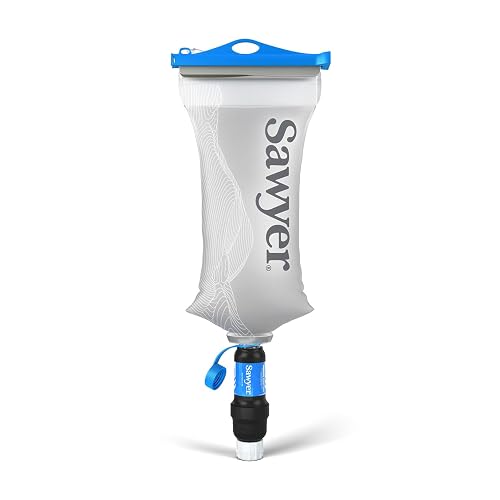
Sawyer Squeeze Water Filtration System
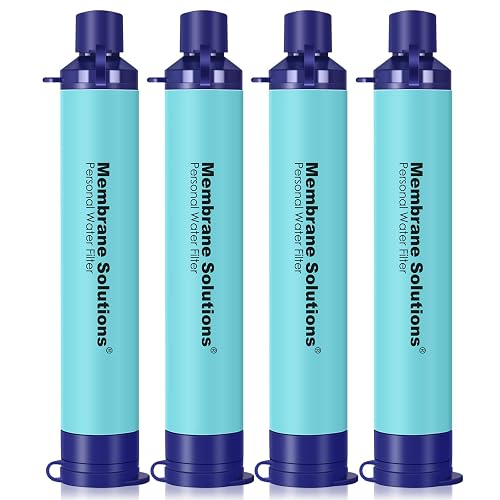
Membrane Solutions Filter Straw S1
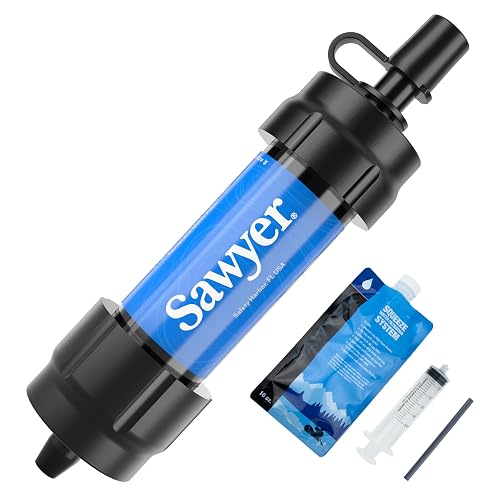
Sawyer SP128 Mini Water Filter
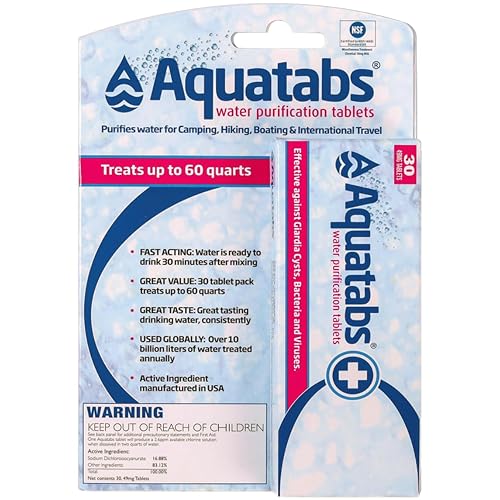
Aquatabs 49mg Tablets (30 Pack)
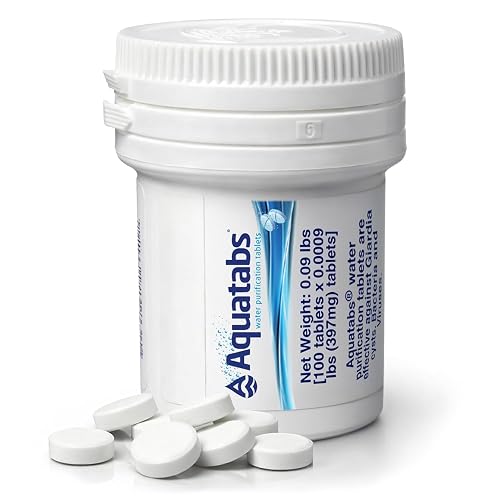
Aquatabs 397mg Tablets (100 Pack)
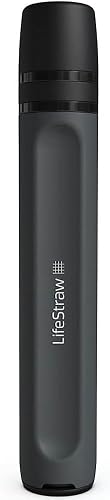
LifeStraw Peak Series Filter Straw
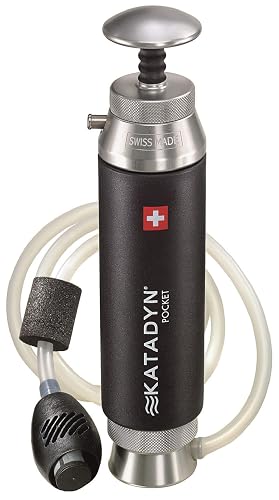
Katadyn Pocket Ceramic Hand Pump Filter
Meet The Standout Selections
The LifeStraw Personal Water Filter launched an entire category, and it still earns attention because the design is brutally simple. You drink straight through the mouthpiece from a stream, lake, or scooped-up bottle, and the internal membrane, where hollow fibers act as tiny strainers that physically block pathogens, does the work without moving parts or batteries.
For solo hikers trying to shave grams, this straw lives in the lid of a Smartwater bottle or slips into a hip-belt pocket. It addresses bacteria, parasites, and microplastics, and it clears cloudiness from silty water without complaint. Treat it as both your primary purifier and your emergency backup, since it adds almost nothing to a kit that already carries a filter.
Standout Benefits
- Weighs roughly two ounces, so it barely registers against a loaded pack
- No pumping or squeezing required, just sip and keep moving
- Filters bacteria, parasites, and microplastics in one pass
- Requires no setup, batteries, or replacement cartridges in the short term
Trade-Offs Worth Knowing
- Drinking directly through the straw means you must kneel at the water source, which gets awkward in winter
- Flow rate slows noticeably as the filter nears the end of its lifespan
- Not effective against viruses, so travelers abroad should pair it with chemical treatment
Key Specs
Who It Suits Best
Solo hikers and emergency-prep builders who want a no-fuss, ultralight backup they can toss in any pack.
Skip It When
You need to fill multiple bottles fast, in which case the Sawyer Squeeze Water Filtration System handles group cooking and camp chores with far less hassle.
Aquatabs skip the hardware entirely and rely on chlorine-based chemistry to neutralize pathogens in your water bottle. One 49mg tablet drops into a liter of water, dissolves, and waits out its contact time while you set up camp or boil the pasta.
The format suits travelers who already carry soft flasks and hate fiddling with squeeze filters. It also appeals to group leaders, since dosing is as simple as counting tablets. The catch is patience: you wait roughly 30 minutes before drinking, and the faint chlorine taste comes through in cold alpine water.
Notable Upsides
- Fifty tablets weigh less than a single energy bar in your kit
- Treats bacteria, viruses, and cysts, including pathogens that physical filters miss
- No moving parts to clog, freeze, or break on rocky trips
- Easy to split doses among multiple bottles at camp
Honest Caveats
- Half-hour contact time leaves you waiting before that first sip
- Does not remove sediment, so murky water still looks murky
- Chlorine taste lingers, which picky drinkers may find off-putting
Feature Snapshot
Made For
Group leaders and ultralight backpackers who pre-plan water sources and can tolerate the wait time.
Where Another Pick Suits Better
If waiting is not your style, the LifeStraw Personal Water Filter delivers instant sips without the half-hour pause.
The Sawyer Squeeze is the workhorse of long-distance hiking, with good reason. Fill the included pouch from a stream, screw the filter onto the top, and squeeze clean water into your bottle or pot. Hollow-fiber membranes inside physically block bacteria, protozoa, cysts, sediment, and microplastics as water passes through.
Compared with the LifeStraw Personal Water Filter covered above, this system actively produces water rather than requiring you to sip straight from the source. You can filter a liter in well under a minute, then move on. Backcountry cleaning is a simple backflush with a clean syringe, and the cartridge lifespan reaches into the six-figure gallon range, so replacement costs stay low across years of use.
Everyday Perks
- Fills bottles and cook pots without you bending down to the water
- Rated for up to 100,000 gallons before the cartridge needs replacing
- Removes sediment and cloudiness, not just pathogens
- Backflushable in the field with the included syringe
Points To Note
- Heavier and bulkier than a simple straw filter
- Requires manual pressure, which can tire hands on long filtering sessions
- Does not remove viruses, so international travel may need a second layer
Right Fit For
Thru-hikers and expedition planners who refill multiple bottles per camp and want a durable, serviceable filter.
Consider Something Else When
You travel abroad where viral contamination is a real risk, since the Aquatabs 49mg Purification Tablets (50 Pack) add virus protection for almost no weight penalty.
The Membrane Solutions S1 plays the same straw-filter game as the LifeStraw at a friendlier entry point. You drink directly from the source through a hollow-fiber membrane that the manufacturer rates to remove 99.9999% of total coliforms, including E. coli.
The build feels solid enough in the hand, with a carry lanyard and a basic pre-filter mouthpiece. It suits first-time backpackers who want protection without committing to a squeeze system, and it slips neatly into emergency kits that already carry the Sawyer Squeeze as a primary.
A Few Strong Suits
- Light on the wallet compared with most straw competitors
- Independent lab testing backs the bacterial removal claim
- Compact form factor fits inside a cargo pocket or bottle lid
- Useful as a backup alongside a faster primary filter
Areas To Watch
- Branding and recognition trail the LifeStraw name
- Replacement parts and accessories are harder to source
- Flow rate slows in very silty water without frequent rinsing
Best Suited To
New backpackers building their first kit on a tight budget, and seasoned travelers adding a stashable backup filter.
A Better Fit Elsewhere
You want a more proven name with widespread community support, in which case the LifeStraw Peak Series Filter Straw offers similar function with a redesigned body.
The Sawyer SP128 Mini shrinks the brand’s hollow-fiber technology to about two ounces, roughly the size of a roll of film. You can attach it inline on a hydration bladder, drink straight through it like a straw, or pair it with a soft flask for squeezing.
Where the larger Sawyer Squeeze Water Filtration System focuses on group volume, the Mini targets hikers who count every gram. You sacrifice faster flow for a smaller pack footprint, and the 0.1-micron membrane still blocks bacteria and protozoa cleanly.
Points In Its Favor
- Two-ounce weight barely registers against a loaded pack
- Plays nicely with Smartwater bottles, hydration bladders, or inline drinking tubes
- Field-cleanable with a simple syringe backflush
- Pairs easily with chemical tabs as a redundant backup
Potential Sticking Points
- Slower flow than the full-size Squeeze under heavy demand
- No built-in pre-filter, so silty water needs extra care
- Small size makes it easier to misplace on busy camp chores
Spec Overview
Who Should Grab It
Day hikers, fastpackers, and travelers who want Sawyer reliability in the smallest possible package.
Not Your Match When
You cook for a group and need liters at a time, since the Katadyn Pocket Ceramic Hand Pump Filter handles big-batch cooking water with a faster effective flow.
The 30-pack version of the Aquatabs 49mg tablets targets short trips and tight packing lists. You get the same chlorine-based treatment as the 50-pack covered earlier, just trimmed down for a weekend warrior who already owns backup methods.
It slips into a toiletry kit for international travel where tap water quality raises questions, and it acts as a tidy backup alongside any physical filter. The 49mg dose treats a single liter per tablet, and you wait the standard half-hour before drinking.
Good Reasons To Consider
- Smallest count in the Aquatabs line, perfect for weekend trips
- Easy to repackage into weekly pill minders for shorter outings
- Broad-spectrum protection against viruses most filters miss
- Useful insurance when crossing borders with uncertain tap water
Small Caveats
- Per-tablet cost runs higher than the larger 50-pack sibling
- Contact time still applies, so you plan hydration ahead
- Taste-sensitive drinkers notice the chlorine edge in cold water
Perfect Match For
Weekend backpackers and overseas travelers who want a compact chemical backup that fits in any side pocket.
Swap It Out When
You carry water for more than one person or need a longer supply, since the Aquatabs 49mg Purification Tablets (50 Pack) deliver more doses per dollar.
The 397mg tablet is the big sibling in the Aquatabs line, designed to treat roughly four gallons per dose. Base-camp kitchens, group leaders, and emergency stockpilers appreciate that one tablet covers a cooking pot or a large water jug rather than a single bottle.
Compared with the 49mg tablets covered earlier, this option trades convenience for batch capacity. You still get chlorine-based treatment, but the dose shifts to higher-volume containers that filters struggle to keep up with during busy meal prep.
Useful Strengths
- Each tablet purifies up to four gallons in about 30 minutes
- Bulk count of 100 tablets handles long expeditions or home reserves
- Targets bacteria, viruses, and cysts for broad pathogen coverage
- No batteries, hoses, or moving parts to maintain in the field
Practical Considerations
- Bigger dose means heavier packaging than the 49mg versions
- Less precise dosing for solo bottles of water
- Chlorine taste becomes more pronounced at full concentration
Feature Card
Built With In Mind
Base camp cooks, group trip leaders, and emergency preppers who need to treat large volumes without filter hardware.
Reach For A Different Pick When
You mostly drink on the move from a single bottle, where the Aquatabs 49mg Purification Tablets (50 Pack) match dose size to your container.
The LifeStraw Peak Series is the brand’s updated take on the original LifeStraw Personal Water Filter reviewed above. The shape gains a grippier body, BPA-free materials, and a faster flow rate, while keeping the simple straw-format that made the original famous.
It appeals to hikers who already trust the LifeStraw design but want a more polished feel in the hand. The straw still weighs about two ounces and fits the same bottle-lid carry trick, which makes migration from the older model painless.
Positive Takeaways
- Improved grip texture over the original LifeStraw tube
- Faster sipping without sacrificing filtration performance
- BPA-free construction for sensitive users
- Backed by the same brand support and parts ecosystem
Factors To Consider
- Costs more than the classic LifeStraw without a dramatic spec jump
- Same straw-format limitations, you must drink at the source
- No virus protection, like the original
Whose Shelf It Belongs On
Existing LifeStraw owners who want a refreshed design, and new buyers who value grip and flow over price.
Where A Sibling Pick Shines
You want virus coverage for international trips, where the Aquatabs 49mg Purification Tablets (50 Pack) layer in chemical protection cheaply.
The Katadyn Pocket swaps passive filtering for a hand pump, and the trade-off is volume. A ceramic element, a type of filter media made from pressed, porous mineral that catches particles down to roughly 0.2 microns, handles bacteria and protozoa while you work a small handle that pushes water through at about one liter per minute.
Compared with the Sawyer Squeeze Water Filtration System covered above, this pump feels more deliberate and far more durable. Capacity ratings run up to 13,000 gallons when maintained properly, and the ceramic element can be scrubbed and reused in the field, which keeps long-term costs low for serious users.
Where It Delivers
- Pumps roughly one liter per minute for fast bottle refills
- Cleanable ceramic element extends service life well past filter straw lifespans
- High total throughput suits expeditions and group base camps
- Reliable performance across cold and silty water conditions
Worth Bearing In Mind
- Heavier than every filter in this roundup, around a pound fully assembled
- Manual pumping tires hands during long cooking-water sessions
- Premium price tag compared with squeeze and straw options
Feature Card
The Right Fit
Group base camp leaders, expedition cooks, and emergency-prep households who need durable, high-volume filtration.
Look Elsewhere When
You count every gram on fast-and-light trips, since the LifeStraw Personal Water Filter weighs a fraction of this pump and slips into a pocket.
Choosing The Right Water Treatment For Your Trail
Hiking water safety hinges on three variables: what you treat, how often you treat it, and how much weight you can carry. Match the method to your trip before you obsess over brand names.
Filtration Method And Pathogen Coverage
Filter straws and squeeze systems use hollow-fiber membranes that physically block bacteria, protozoa, and microplastics, but not viruses. Chemical tablets like the Aquatabs line use chlorine chemistry, where a measured dose of chlorine oxidizes and inactivates pathogens over a contact window, to neutralize a broader spectrum that includes viruses. Travelers abroad where viral contamination is a real risk often carry both, layering a filter for sediment and a tablet for virus coverage.
Weight, Pack Footprint, And Trip Length
Straw filters weigh around two ounces and disappear into a pocket, perfect for solo day hikes and emergency kits. Squeeze systems add a pouch and a few ounces but produce liters on demand for thru-hikers. Hand pumps like the Katadyn Pocket push past a pound and earn their keep on long expeditions or base camps where water volume outweighs weight concerns. The honest read is that no single method wins every category.
Maintenance And Long-Term Reliability
Hollow-fiber filters clean with a syringe backflush in the field, while ceramic elements scrub free of silt and reset to full flow. Chemical tablets need no maintenance at all, which appeals to travelers who do not want to babysit gear. Consider how much fiddling you enjoy at camp before picking a system that demands it.
Key Considerations Across These Picks
Where Shoppers Go Wrong
The most common trap is choosing by weight alone. A two-ounce straw filter cannot fill a four-person cooking pot in a reasonable window, and a heavy pump is overkill for a day hike. Match the tool to the trip, not to the gram count on the spec sheet.
Another mistake is trusting a filter to handle viruses. Standard hollow-fiber membranes do not block them, so travelers heading abroad where viral contamination is documented should layer in chemical treatment. Ignoring the contact time on tablets is the third slip: skipping the wait window undermines the protection you paid for.
What Separates Premium From Basic
Premium models like the Katadyn Pocket justify their weight and price through durable ceramic elements, multi-thousand-gallon lifespans, and field-serviceable parts. Budget picks like the Membrane Solutions Filter Straw S1 cover the same bacterial threats at a fraction of the cost, but with shorter track records and fewer replacement-part options. The upgrade pays off when you camp often, in varied water conditions, or with groups that demand reliable throughput.
Frequently Asked Questions
Do backpacking water filters remove viruses?
Standard hollow-fiber filters block bacteria and protozoa but not viruses. For virus coverage, pair your filter with chemical treatment such as the Aquatabs 49mg Purification Tablets (50 Pack). Travelers heading abroad where viral contamination is documented should plan for that extra layer.
How often should I backflush a hollow-fiber filter?
Backflush whenever flow slows noticeably, typically every few days on a multi-day trip. Carry the cleaning syringe and use clean water to push debris out of the fibers. A clean filter performs better and lasts longer across the season.
Can I drink directly from a stream with these filters?
Straw-style filters like the LifeStraw Personal Water Filter are designed for direct sipping. Squeeze and pump systems are not; you fill a pouch or container first, then push water through. Match your drinking style to the format you carry.
Are purification tablets safe for long-term use?
Chlorine-based tablets treat water safely over multi-week trips when used at the recommended dose. They leave a faint taste that sensitive drinkers notice, and the half-hour contact time requires planning around your hydration schedule.
What is the lightest option for ultralight backpackers?
The LifeStraw Personal Water Filter and the Sawyer SP128 Mini both weigh around two ounces and vanish into a kit. Choose based on whether you prefer sipping directly from the source or attaching the filter to a soft flask for squeezing.
The Takeaway
Pick the purification method that matches your trip length, group size, and water sources. Solo day hikers and emergency kits thrive with a simple straw; thru-hikers and base camps need the volume of a squeeze system or a pump. Layer chemical tablets on any trip where viral risk enters the picture, and keep a backup method in your pack for the day a filter clogs at the worst possible moment.