
A solid blade turns a frustrating afternoon on the trail into a smooth one. You reach for it to cut cordage, slice an apple, open a stubborn package, or whittle a stake. The catch is that the category is full of look-alike folders with wildly different steel, locks, and grip profiles.
This roundup covers nine folders worth knowing about, ranging from a friendly cat-shaped mini knife to a 15-function multitool built for basecamp. Every pick is a folding pocket knife suited to trail and travel use, and each one earns its spot for a clear reason.
How The Shortlist Stacks Up
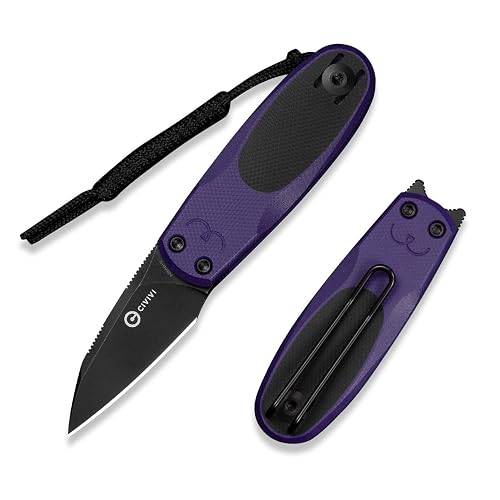
CIVIVI Purr Mini Folding Pocket Knife, 1.83″ Nitro-V Blade C25054-3

CIVIVI Yonder Clip Point 2.88″ 14C28N Pocket Knife Wood/Brass C25026-1
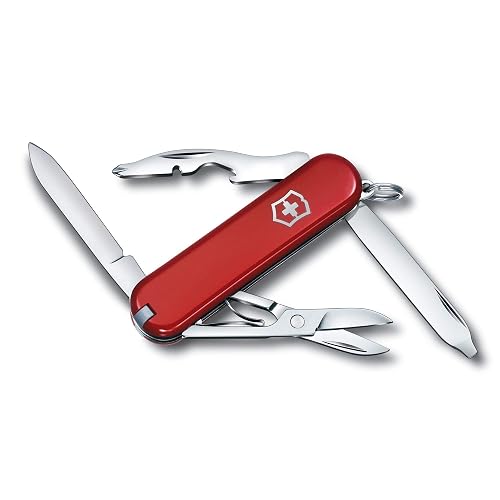
Victorinox Rambler Swiss Army Knife, 10-Function (Red)
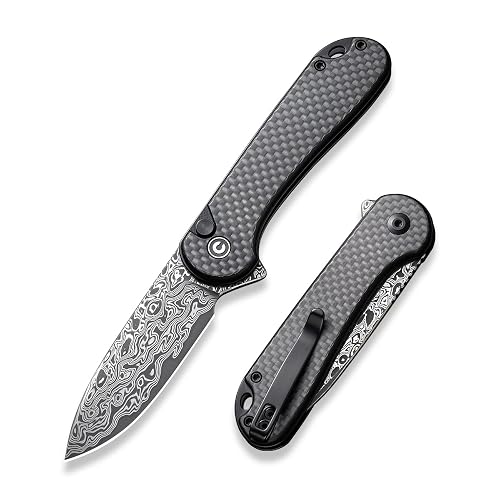
CIVIVI Elementum II Folding Pocket Knife, 2.96″ Damascus Blade, Carbon Fiber
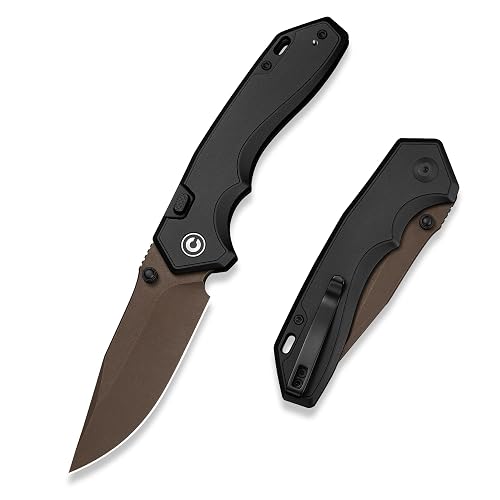
CIVIVI Elite Brova Pocket Knife, 3.41″ CPM S35VN Blade, Top Liner Lock
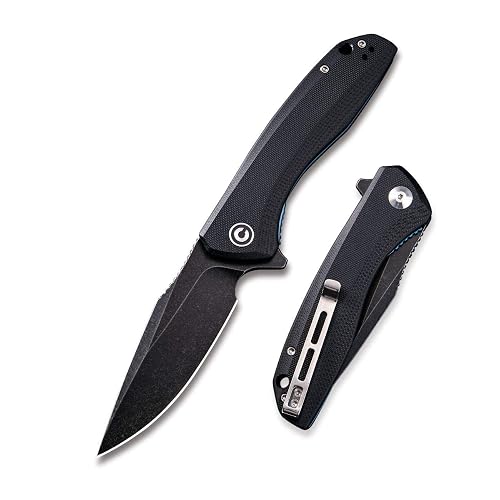
CIVIVI Baklash Folding Pocket Knife, 3.5″ Blade G10 Handle C801H
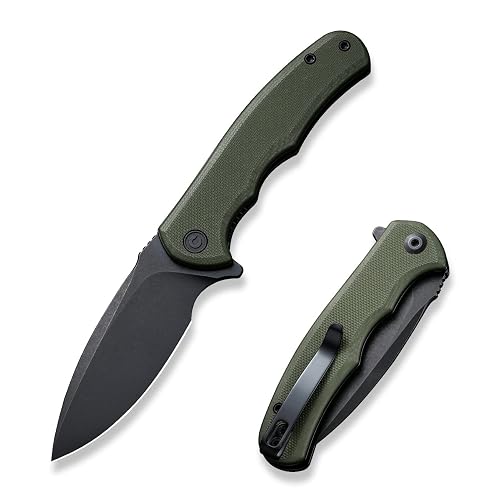
CIVIVI Mini Praxis Folding Pocket Knife, 2.98″ D2 Steel Blade, OD Green
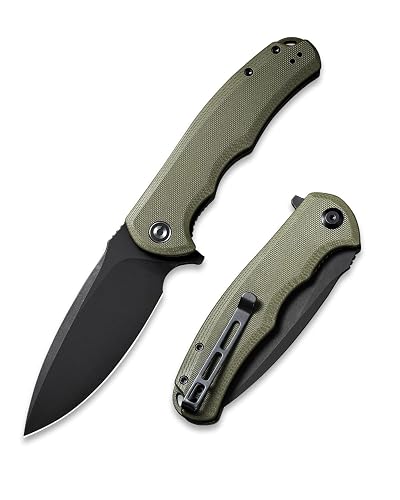
CIVIVI Praxis Folding Pocket Knife for EDC, 3.75″ Blade G10 Handle C803F
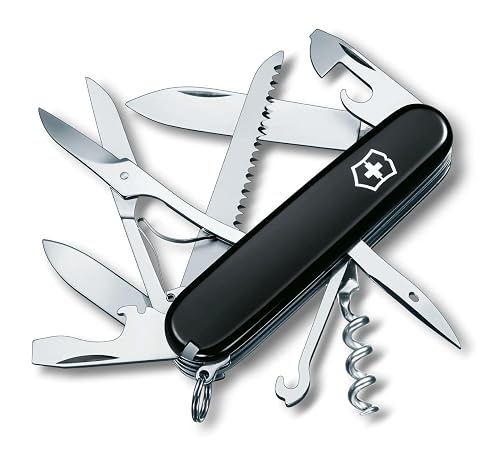
Victorinox Huntsman Swiss Army Knife, Medium, 15 Functions, Black
Taking A Closer Look At The Options
The CIVIVI Purr leans into personality. It’s a designer collaboration by Ostap Hel shaped to look like a smiling cat when folded, with the flipper tab reading as ears and the pocket clip forming a tail. Underneath the playful exterior sits a Nitro-V steel blade (Nitro-V is a nitrogen-enriched stainless formula tuned for toughness and edge retention) at a short 1.83 inches, paired with a closed length of roughly 2.89 inches.
It’s the kind of knife you forget is in your pocket. The 1.48-ounce weight barely registers on a hip clip or a thin shirt, which is why hikers who hate bulky gear tend to gravitate toward it. You give up slicing authority, but for cutting cordage, opening snacks, and the small fiddly tasks of a day hike, the format works.
Advantages To Know
- Sub-1.5-ounce carry weight disappears in a pocket or pack strap.
- Nitro-V steel holds a working edge through typical trail chores.
- Cat-shaped silhouette gives the knife a gift-friendly character that stands out from plain EDC folders.
- Wire clip keeps the handle slim and snag-free against a hip belt.
- Compact 2.89-inch closed length is comfortable in a coin pocket.
Small Caveats
- The 1.83-inch blade limits heavier slicing jobs like processing firewood.
- Playful styling may not appeal to anyone wanting a traditional-looking tool.
- Small format can be awkward for users with larger hands during sustained cuts.
Feature Snapshot
Whose Shelf It Belongs On
Owners who want a barely-there folder for light trail tasks, or anyone shopping for a memorable gift that still cuts real material.
Swap It Out When
Step up to the CIVIVI Baklash if your hikes involve more demanding cutting where a longer, grippier handle earns its space.
The CIVIVI Yonder Clip Point takes the brand’s award-winning Yonder shape and adds a sharper, more directional tip. Designed by Zac Whitmore, this version uses a 2.88-inch blade in Swedish 14C28N stainless steel (a Sandvik stainless formulated for fine edge taking and corrosion resistance) with a flat grind that favors controlled slicing. The handle pairs natural wood with brass bolsters for a classic, old-school feel.
Compared to the playful Purr, this knife reads as more grown-up. The clip-point geometry excels at detail cuts, opening boxes, and food prep on the trail. You trade the colorful character for a more traditional pocket profile that disappears cleanly into a dressier EDC rotation.
Benefits That Matter
- 14C28N steel sharpens easily at home and resists staining in damp weather.
- Clip-point tip handles precise detail work like notching and feather sticking.
- Wood-and-brass handle offers a warm, classic grip that ages with use.
- Flat grind supports smooth, low-drag slicing through rope and food.
- Mid-size 2.88-inch blade splits the difference between carry and capability.
Things To Consider
- Natural wood scales need a touch more care than synthetic handles in wet conditions.
- Brass bolsters add weight compared to all-metal frame folders.
Best Suited To
Hikers and EDC users who appreciate traditional materials and want a blade tuned for fine, controlled cutting rather than heavy chopping.
Consider Something Else When
Pick the Victorinox Rambler instead if you want a non-locking, multi-tool format with scissors and screwdrivers packed into a similar pocket footprint.
The Victorinox Rambler is the smallest member of the Swiss Army family that still feels genuinely useful. It packs ten functions into a slim red cell, including a small blade, scissors, a magnetic Phillips screwdriver, a bottle opener, and a few secondary tools. For hikers who treat their pocket as a multi-tool drawer, this is the lightweight end of that idea.
It contrasts with the CIVIVI folders above in a meaningful way. There’s no locking blade, no flipper deployment, and no premium steel, but the Rambler does things no single-blade folder can: trim loose threads, tighten a glasses screw, slice cheese. It’s the knife to grab when you don’t know what the day will ask for.
Real-World Strengths
- Ten-tool versatility covers small repair jobs that single-blade folders can’t touch.
- Slim profile slips into watch pockets, jacket organizers, and small pouches.
- Victorinox stainless holds up well to sweat, humidity, and the occasional rinse under a tap.
- Non-locking slip-joint format is accepted in more jurisdictions than locking folders.
Honest Caveats
- Small blade and slip joint can’t match the heavy-duty authority of the CIVIVI Baklash or Praxis.
- Slip-joint mechanism (a spring-tensioned blade that holds open with friction rather than a lock) requires two-handed closure for safe use.
- Tool tips are tiny; not ideal for large hands or sustained pressure tasks.
Who Should Grab It
Day hikers, city travelers, and anyone who wants a pocketable multi-tool that legally carries almost anywhere a folder is restricted.
Look Elsewhere When
Reach for the CIVIVI Praxis if your hikes involve real cutting tasks where a longer, locking blade earns its place.
The CIVIVI Elementum II builds on the brand’s most popular slim-EDC pattern with a Damascus blade and carbon fiber handle scales. Damascus steel here refers to pattern-welded steel, where multiple alloys are forge-folded to create the swirled surface pattern and a layered internal structure. The blade runs 2.96 inches, with a flipper tab riding on a ceramic ball-bearing pivot (small bearings that replace the standard washers, giving a glassy-smooth one-handed opening).
Compared to the stainless workhorses elsewhere in this list, the Elementum II leans presentation-forward. It’s the folder you hand to someone and watch their eyes light up, and the carbon fiber keeps the carry weight low. For pure trail abuse, the harder-use picks below may be a better match, but as a refined everyday companion, it punches above its size.
Notable Gains
- Pattern-welded Damascus gives every blade a unique visual fingerprint.
- Ceramic bearing pivot delivers a fast, satisfying one-handed flip.
- Carbon fiber scales trim weight while adding a high-tech look.
- Button lock secures the blade solidly under moderate cutting loads.
Trade Offs
- Damascus surfaces need a light coat of oil to prevent patina (a natural surface oxidation) in humid conditions.
- Carbon fiber can show scuffs faster than coated G10 or micarta (a fabric-and-resin composite handle material).
- Higher materials push this above the price band of plain stainless folders.
Right Fit For
Owners who want a refined-looking folder with character, useful for daily carry and the occasional trail outing rather than heavy camp work.
A Better Fit Elsewhere
The CIVIVI Elite Brova suits you better if you want premium feel paired with a tougher S35VN working steel for serious use.
The CIVIVI Elite Brova sits at the top of CIVIVI’s lineup, pairing a 3.41-inch CPM S35VN blade with the brand’s first top liner lock. S35VN is a Crucible powder-metallurgy stainless steel (steel formed from fine, atomized powder rather than traditional ingots) prized for its balance of edge retention, toughness, and corrosion resistance. The top liner lock places the lock release along the spine of the handle instead of the side, which keeps it out of the way during use and works equally well for left or right hands.
This is the upgrade pick for someone who already knows what they want from a folder. Compared to the Elementum II above, the Brova trades some style points for a noticeably tougher working blade and a more ambidextrous lock geometry. You feel the difference immediately when switching grips or wearing gloves.
Where It Helps
- S35VN steel holds an edge through rope, cardboard, and food prep without frequent touch-ups.
- Top liner lock is genuinely ambidextrous and keeps fingers clear during cuts.
- 3.41-inch blade offers useful authority for camp chores while staying folder-portable.
- Elite-tier fit and finish show in the action and lockup.
Points To Keep In Mind
- Larger blade may push past local length limits in restrictive jurisdictions.
- Premium materials put this above the budget end of CIVIVI’s range.
- Heavier build than the Elementum II, so it registers more in a dressier pocket.
Quick Facts
Made For
Knife enthusiasts stepping up from a starter folder who want premium steel, a refined lock, and a build that lasts for years of regular carry.
Reach For A Different Pick When
The CIVIVI Mini Praxis fits better if you want similar build quality in a shorter, more state-legal format for daily pocket carry.
The CIVIVI Baklash is the workhorse in this list. It pairs a 3.5-inch 9Cr18MoV stainless blade with textured G10 scales (a fiberglass laminate that grips well even when wet or cold), making it a folder that feels more like a small fixed blade in hand. The flipper rides on ball bearings for a snappy deployment, and the longer handle gives your fingers room to work.
Compared to the compact picks above, the Baklash is a different beast. It’s a knife you grab when the day’s tasks include cutting paracord, opening packages, and slicing food for a campsite meal, all without babying the blade. The trade-off is bulk in the pocket.
Where It Delivers
- 9Cr18MoV stainless offers solid corrosion resistance for damp trail environments.
- Textured G10 scales lock into a confident grip, even with wet or cold hands.
- Ball-bearing pivot gives a clean, fast flip-out for one-handed use.
- 3.5-inch blade handles rope, food prep, and packaging with authority.
Practical Considerations
- Larger footprint means it takes up more pocket real estate than the mini picks.
- Longer blade may exceed local length limits in some municipalities, so check before traveling.
Best Suited To
Campers, hikers, and anyone whose knife needs to handle wet weather, gloved hands, and a full afternoon of cutting without complaint.
Where Another Pick Suits Better
The CIVIVI Praxis serves you better if you want a similarly capable blade in a slimmer, more pocket-friendly profile for daily carry.
The CIVIVI Mini Praxis shrinks the brand’s popular Praxis pattern into a more pocketable format. You get a 2.98-inch D2 steel blade (a semi-stainless tool steel that holds an edge well but benefits from light oiling in humid climates) in a stonewashed black finish, OD green G10 scales, and a reversible deep-carry pocket clip. The shorter geometry keeps it friendly with state blade-length limits.
This is the pick for people who like the Baklash’s character but want it in a smaller carry. The Mini Praxis trades some blade reach for a more discreet profile and a steel that holds a working edge longer between sharpenings than plain 9Cr18MoV.
What It Does Well
- Compact 2.98-inch blade stays within more restrictive carry laws.
- D2 tool steel holds an edge through demanding trail cutting chores.
- Deep-carry clip keeps the handle low and discreet in the pocket.
- OD green handle scales read as outdoor-utility without screaming tactical.
Where It Is Less Suited
- D2 is a semi-stainless steel that can show surface rust if neglected in wet storage.
- Shorter handle may feel cramped for users with larger hands during heavy cuts.
Who It Suits Best
Outdoor-oriented EDC users who want a compact, edge-holding folder that legally carries almost anywhere.
A Better Fit Elsewhere
Pick the CIVIVI Baklash if you want a longer blade and more handle room for sustained camp work.
The full-size CIVIVI Praxis is the long-blade counterpart to the Mini above. It stretches the cutting edge to 3.75 inches with the same G10 handle scales and ball-bearing pivot that made the design popular. The thin blade geometry gives it a piercing point that handles tasks like opening packages or starting a notch in wood.
Compared to the Baklash, the Praxis leans toward slicing efficiency rather than ruggedness. The slimmer profile cuts cleaner through cardboard and rope, and the lighter carry makes it more comfortable as an everyday folder. It’s the knife many CIVIVI fans end up using daily.
The Case For It
- 3.75-inch blade handles both EDC and outdoor chores without compromise.
- Lightweight G10 scales feel balanced and disappear in a pocket.
- Reversible deep-carry clip supports left or right carry with low-profile concealment.
- Decisive flipper action works well for one-handed deployment.
Potential Drawbacks
- Long blade exceeds restrictive state or municipal length limits.
- Thin geometry isn’t ideal for prying or twisting cuts.
Perfect Match For
Daily carriers who want a single folder that transitions smoothly from office and errands to weekend trail and campsite use.
Consider Something Else When
The Victorinox Huntsman makes more sense if your priorities lean toward multiple tools and saw capability rather than a single sharp blade.
The Victorinox Huntsman is the classic Swiss Army multi-tool for outdoor use. It carries fifteen functions, including a large blade, small blade, wood saw, scissors, corkscrew, bottle opener, can opener, reamer, and a multi-purpose hook, plus the standard toothpick and tweezers. The slip-joint format keeps it legal in more jurisdictions than locking folders.
This is the right tool when the day might ask for cutting paracord, slicing cheese, opening wine, or sawing a small notch in kindling. Compared to the CIVIVI folders above, the Huntsman sacrifices a premium steel feel for breadth of capability. It’s a different product for a different kind of hiker: the one who wants one pocket tool that handles whatever comes up.
The Practical Payoff
- Wood saw adds real camp utility that single-blade folders can’t match.
- Fifteen tools cover repairs, food prep, and gear fixes in one carry.
- Non-locking slip joint is widely accepted in places that restrict locking folders.
- Iconic Swiss build quality backed by a long track record of real-world use.
Points To Note
- Thicker handle bulk than a dedicated folder, so it sits heavier in the pocket.
- Slip-joint blade requires two-handed closure and limits hard cutting leverage.
- Smaller individual blades can’t match a dedicated 3.5-inch folder for slicing.
Feature Rundown
Who Will Love This
Family campers, basecamp cooks, and travelers who want one trusted tool that handles repair, food, and gear tasks across a whole trip.
Look Elsewhere When
The CIVIVI Praxis fits better if you want a single sharp blade optimized for cutting rather than a full multi-tool kit.
Picking A Blade That Matches Your Trail
Choosing a hiking folder comes down to matching the tool to your actual cutting day, not the fantasy of one. A 3.75-inch slicer feels great until you’re carrying it through a state that caps blade length at 2.5 inches. A 1.5-ounce mini knife disappears in your pocket until you need to baton through kindling, a task where length and weight matter.
Blade Length And Local Laws
State and municipal knife laws vary more than most shoppers expect. A 3.5-inch blade is fine in many places and illegal in others, so check the rule for the jurisdictions you actually carry through. The CIVIVI Purr and Mini Praxis live comfortably in the compact end of the spectrum, while the Baklash, Praxis, and Elite Brova push into larger-format territory.
Steel Choice And Edge Maintenance
Stainless steels like 14C28N, 9Cr18MoV, and S35VN resist rust with minimal care. Tool steels like D2 hold an edge longer but want a light wipe of oil after wet use. Damascus and pattern-welded steels reward owners who enjoy a patina and don’t mind a quick dry cloth after trail use.
Lock Type And Safety
Locking folders, including liner locks, frame locks, and button locks, let you cut harder without the blade closing on your fingers. Slip-joint multi-tools like the Victorinox Rambler and Huntsman are widely accepted but require two-handed closure and lighter pressure. For trail use with gloved hands, a locking folder is generally the safer pick.
Handle Material And Grip Confidence
G10, carbon fiber, micarta, and textured synthetic scales stay grippy when wet or cold. Smooth wood and polished metal look beautiful but can slip when your hands are damp. If your hiking climate runs to rain, snow, or sweaty palms, prioritize texture over looks.
Key Considerations Across These Picks
Common Buying Slip Ups
The most common mistake is choosing a knife based on its looks or its steel name rather than its actual cutting life on your trails. A Damascus-blade folder is gorgeous, but if your hikes involve muddy rope and wet kindling, the steel and grind matter more than the pattern. Another frequent slip is ignoring carry comfort: a 4-ounce folder feels great in hand at home and unbearable on a six-mile loop.
What The Higher Tier Buys
Moving up the price ladder in this category buys better steel, smoother action, and tighter lockup. The CIVIVI Elite Brova’s S35VN holds an edge far longer than the budget stainless on entry folders, which means fewer touch-ups on longer trips. Premium tier also tends to bring ambidextrous locks and bearings that open with a satisfying snap, which sounds trivial until you use one every day.
Frequently Asked Questions
What size hiking knife should I carry?
Most hikers settle on a blade between 2.5 and 3.5 inches, which handles rope, food, and packaging without becoming awkward. Smaller formats work for ultralight day trips; longer blades suit basecamp-heavy travel where reach matters.
Is a folding knife enough for hiking, or do I need a fixed blade?
For most day hikes and casual overnights, a folder is sufficient and far easier to carry. Fixed blades excel at heavier tasks like batoning wood (using the blade to strike and split wood along the grain) and processing kindling, but they require a sheath and legal compliance that folders avoid.
Do I need to oil my folding knife?
A light wipe of knife oil on the pivot and blade after wet use keeps any folder working smoothly and prevents surface oxidation on semi-stainless and tool steels. Full stainless blades tolerate neglect better but still benefit from occasional cleaning.
How do I sharpen a pocket knife on the trail?
A small pocket sharpener with carbide slots handles most field touch-ups in under a minute. Diamond rods or compact whetstones give finer results when you have time at camp. Avoid power grinders, which can overheat and weaken the edge.
Are locking blades safer than slip joints?
Locking blades hold open under load and allow harder cuts with one hand. Slip joints are safer in pockets and legal in more places but limit the force you can apply. For trail use with gloved hands, locking folders are generally easier and safer.
Closing Thoughts
The right hiking folder is the one that lives in your pocket, opens reliably, and handles the actual cutting your days demand. Match the blade length to your local laws, pick a steel you can maintain, and choose a handle that grips when conditions turn wet. Any of these nine picks will serve you well once that match clicks.