
A good day on the trail starts long before the first switchback. It starts in the gear closet, with a backpack that fits right, socks that don’t blister, a kit for the things you don’t want to think about, and a small optic for the moments you want to remember. This roundup pulls together seven practical picks across the categories hikers actually pack: a multi-day pack, a daypack, a comprehensive first aid kit, socks, and three compact binoculars in different finishes. Each item below has a clear job. The goal is to help you match the right product to your kind of hiking, whether that’s a quick loop at a local preserve or a longer overnight carry.
An Overview Of The Picks
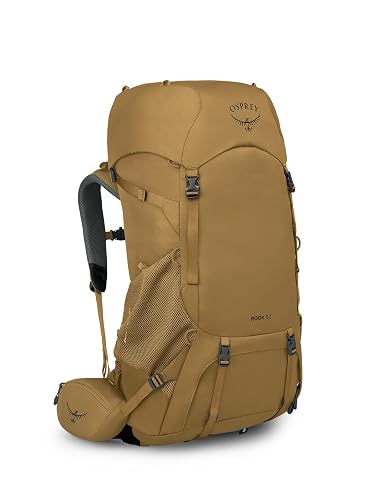
Osprey Rook 50L Men’s Backpacking Backpack, Brown
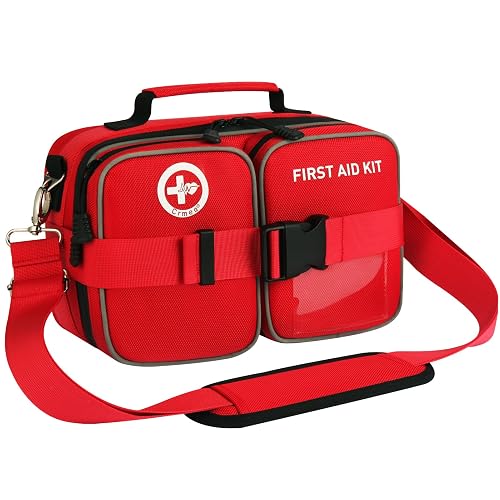
Crmea 516-Piece First Aid Kit with Molle Strap
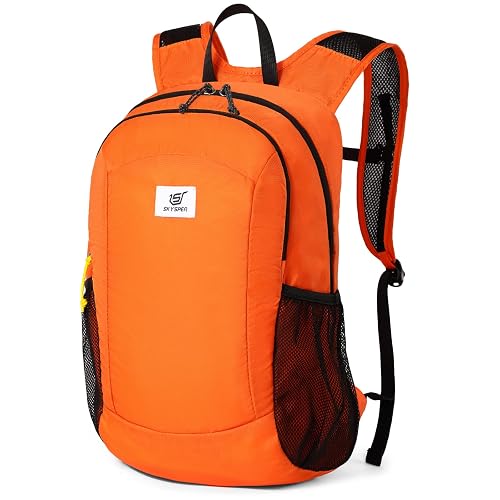
SKYSPER Ultralight Packable 16L Daypack

innotree Merino Wool Hiking Socks, 5 Pairs
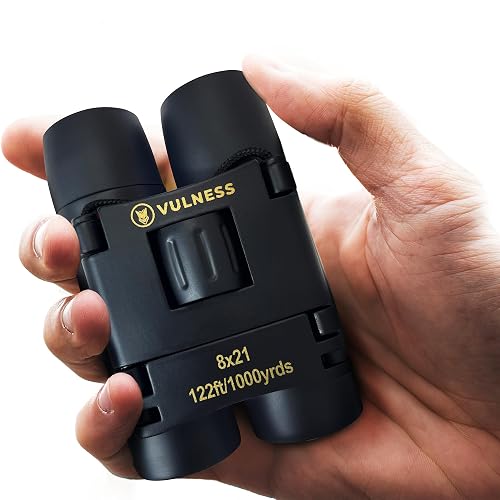
VULNESS 8×21 Compact Binoculars, Black
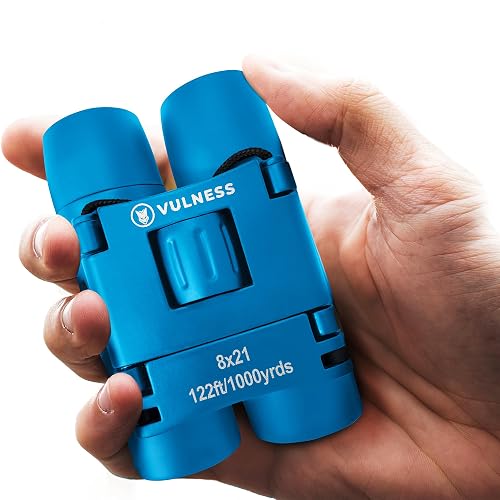
VULNESS 8×21 Compact Binoculars, Blue

VULNESS 8×21 Compact Binoculars, Camo
Meet The Standout Selections
The Osprey Rook 50L is the kind of pack that quietly disappears on your back once the load is dialed in. The AirSpeed-style suspension uses a tensioned mesh back panel (a framework of mesh stretched between the pack body and your shoulders that lets air circulate) to keep the load off your spine, which matters a lot on a long climb in summer humidity. Osprey fits an integrated raincover, so the question of “did I bring the cover” never comes up, and a ladder-lock torso adjustment lets you slide the harness up or down to match your torso length.
At 50 liters, the Rook lands in the sweet spot for two- to three-night trips where you’re carrying shelter, sleep system, food, and layers without going ultralight. The frame carries weight comfortably, and the hip belt does the heavy lifting once you tighten it. This is a far more serious carry than the SKYSPER daypack later in this list, but it also takes up more room in your closet. For hikers moving from car camping into real backpacking, the Rook is a confident first big pack.
Strong Points
- Adjustable AirSpeed-style suspension keeps the load stable and ventilated on warm climbs
- Built-in rain cover saves you from packing (and forgetting) a separate one
- 50L volume covers multi-day trips without forcing ultralight trade-offs
- Ladder-lock torso adjustment adapts to a range of body sizes for shared household use
- Hip belt transfers most of the load off your shoulders, useful on long days
Things To Consider
- At 50L, it is overkill for short day hikes where the SKYSPER daypack would be enough
- Empty weight is higher than frameless alternatives, which may bother fastpackers
Who It Suits Best
Newer backpackers heading into their first two- or three-night trip who want a forgiving, well-ventilated pack that won’t punish a slightly-too-heavy load.
Look Elsewhere When
You only do half-day local hikes and want a small, packable carry, in which case the SKYSPER Ultralight Packable 16L Daypack is the better fit.
The Crmea 516-piece kit is built for the moment you wish you’d packed more than adhesive bandages. Inside the labeled, transparent compartments you find the everyday basics, but also a tourniquet, burn gel, trauma shears, an emergency blanket, and a poncho. The labeled layout matters more than people expect: when adrenaline is high and the light is fading, hunting through a jumbled pouch is the last thing you want. The kit opens flat, so you can see everything at once.
A Molle-compatible shoulder strap (Molle is a system of webbing loops that lets you clip gear to packs, vests, and belts) lets you lash it to the outside of a pack or wear it across the chest for fast access. The whole bag is described as waterproof, though owners commonly recommend keeping it in a dry bag for serious rain. It’s a good match for hiking clubs, family camping trips, and vehicles that double as base camp. For a solo day hiker going light, it may feel like more kit than you’ll ever open.
Real Benefits
- Labeled compartments cut the time spent hunting for the right supply
- Trauma-level supplies (tourniquet, shears, burn gel) go beyond a basic kit
- Molle strap makes it easy to carry hands-free on a rough trail
- Opens flat, so the full inventory is visible at a glance
- One kit covers car, travel, and trail, which simplifies ownership
Worth Noting
- Size and weight are noticeable in a small daypack, so ultralight hikers may want a slimmer option
- You should still check expiration dates on ointments and sterile items periodically
Key Specs
Right Fit For
Trip leaders, group hikers, and anyone who wants one kit that works in the car, at the campsite, and on the trail without rebuilding between uses.
A Better Fit Elsewhere
You mostly hike solo on short, well-marked loops and want to keep weight low, in which case a smaller personal kit paired with the Osprey Rook 50L is a lighter setup.
The SKYSPER daypack solves a specific problem: you need a real bag only sometimes, and you don’t want a bulky pack taking up space the rest of the time. It stuffs into its own pocket, so it lives in your luggage, daypack, or glove box until you need it. The 16-liter capacity handles water, snacks, a layer, and a few essentials for a half-day outing, which is the size of hike most people actually do.
The headline feature is RFID-blocking (radio-frequency identification shielding that prevents digital scanners from reading cards and passports through the fabric), aimed at travelers worried about crowded airports and transit hubs. The shielding blocks common scanner frequencies, so contactless cards and passports stored in the dedicated pocket get an extra layer of protection. For hiking specifically, the value is more about the small size and packability than the tech. If your hikes involve heavy camera gear or extra layers, the 16L will feel tight fast, and you’ll want to step up to something like the Osprey Rook.
Useful Touches
- Stuffs into its own pocket for true grab-and-go storage
- RFID-blocking pocket adds data protection in busy transit areas
- Lightweight nylon won’t weigh down a suitcase or travel pack
- 16L hits a practical size for short hikes and city days
Honest Caveats
- No frame or hip belt, so it is not comfortable under heavy loads
- 16L is too small for layered winter hiking or carrying water for a group
- Thin nylon can snag on rough brush, so bushwhackers should be cautious
Feature Card
Best Suited To
Travelers and casual hikers who want one bag that disappears into a suitcase and pulls double duty on short trails and city days.
Swap It Out When
You regularly carry a packed lunch, extra layers, and water for a full day, in which case a framed daypack or the Osprey Rook 50L will carry the load more comfortably.
Socks don’t get a lot of attention, but the wrong pair will ruin a hike faster than the wrong pack. The innotree set is built from merino wool, the fiber of choice for serious hikers because it manages moisture, regulates temperature across seasons, and resists odor far better than cotton. A five-pack means you have a fresh pair for most of the week, which matters on longer trips where laundry is a luxury.
These are women’s-fit, so the sizing and shape are cut for that profile. Hikers with wider calves or larger feet sometimes find the fit on the snug side, especially after a wash. For the price of a single pair from premium sock makers, you get five pairs here, which is a real value if you hike often and go through socks the way most people go through water bottles.
Reasons It Performs
- Merino wool wicks moisture and reduces hot spots on long descents
- Five-pair pack covers a full week of hiking between washes
- Natural odor resistance means a pair can be worn more than once on shorter trips
- Multi-pair value beats premium single-pair pricing for budget-minded hikers
Points To Keep In Mind
- Women’s-specific cut may not fit hikers with broader feet or taller shafts
- Merino-blend knits wear through faster than heavy synthetic hiking socks under heavy boots
Spec Overview
Made For
Hikers who put in regular weekend miles and want a reliable sock rotation without paying single-pair prices.
Where Another Pick Suits Better
You hike in heavy leather boots and need a thicker, reinforced sock, in which case a heavyweight single-pair merino sock from a specialist brand may outlast this value pack.
The VULNESS 8×21 is a pocket-sized binocular that lives in a daypack or jacket without reminding you it’s there. The 8x magnification with a 21mm objective lens is a common compact configuration, and for general trail use (scanning a ridge, picking out a raptor overhead, checking the trail junction a half mile ahead) it does the job. The center-focus knob is smooth enough to dial with cold fingers, and the right-eyepiece diopter (a small adjustment ring that corrects the focus difference between your two eyes) lets you tune the view to your specific vision.
The build is light, which is the point, but it also means there’s no real impact protection if you drop it on rock. Many owners tuck these in a soft pouch inside their pack. The black finish is the most versatile of the three VULNESS color options here, blending into a pack without standing out. The two following picks cover the same optic in blue and camo, so the choice is mostly aesthetic.
The Good Stuff
- Folds small enough to fit in a jacket or hip-belt pocket
- Center-focus knob and diopter make personal fine-tuning quick
- Lightweight build won’t tip your pack balance on long hikes
- 8×21 configuration suits general wildlife and scenery viewing
Some Limits To Know
- Small 21mm objective limits low-light performance near dusk
- Compact body lacks armor, so a drop on rock can be a real risk
Feature Facts
Who Will Love This
Hikers who want a binocular in the pack “just in case” without committing to a heavier full-size optic.
Another Choice May Suit
You mostly bird at dawn or hike into dusk and need a brighter image, in which case a larger-objective binocular is worth the extra weight.
Mechanically, this is the same 8×21 VULNESS binocular as the black version above, which means you get the same folding design, smooth center focus, and diopter adjustment. What changes is the color. The blue finish is the one to pick if you want a binocular that’s easy to spot in a pack or a glove box. Anyone who has set a small black optic down on a forest floor and spent twenty minutes hunting for it will appreciate that.
For casual hikers and travelers, the optical performance is enough to read a trail sign across a meadow, spot a heron in the reeds, or pick out a distant summit. Like the other VULNESS picks, it works best in good light, and you’ll want to keep it in a soft pouch to avoid scratches. The honest read is that color is the only meaningful difference here, so the decision between this and the black version is mostly about visibility and personal style.
Everyday Wins
- High-visibility color reduces the chance of leaving it behind on a trail
- Same compact folding body fits in a hip-belt pocket
- Diopter and center focus make one-handed use realistic
Soft Spots
- Coated finish may show scuffs faster than a matte black housing
- Same small objective, so dawn and dusk performance is limited
Whose Shelf It Belongs On
Casual hikers and travelers who want a fun color and a binocular they can find quickly in a packed bag.
Reach For A Different Pick When
You want a binocular that disappears into your kit, in which case the VULNESS 8×21 in Black is a quieter carry.
The camo version rounds out the VULNESS trio with a finish aimed at field use. The optical package is identical to the black and blue versions: 8x magnification, 21mm objective, center focus with diopter. The difference is visual. Camo sits well in a pack alongside earth-toned gear, and it doesn’t scream “expensive optic” if you leave it clipped to the outside of a daypack.
For birders and wildlife watchers, the muted pattern has a small practical side: it doesn’t catch sunlight or reflect off the body when you’re trying to stay still at an overlook. That said, camouflage finish has no effect on how close you can get to wildlife, so don’t expect it to do the work of patience and quiet. Like the other VULNESS options, this is a daylight-friendly compact, not a dawn-and-dusk specialist.
Practical Pluses
- Camouflage pattern blends with field gear and outdoor packs
- Non-reflective finish helps at wildlife overlooks
- Same compact foldable body as the other VULNESS 8×21 options
What To Weigh
- Pattern can make it harder to spot in low light or dense brush if dropped
- Compact 21mm lens is not ideal for serious low-light observation
At A Glance
Built With In Mind
Birders and wildlife watchers who want a compact optic that quietly fits into a field kit and stays out of the way.
Where A Sibling Pick Shines
You frequently set your binocular down on a busy picnic table or in a glove box, in which case the VULNESS 8×21 in Blue is easier to find in a cluttered space.
What To Think Through Before Buying Hiking Items
Match The Pack To The Trip, Not The Other Way Around
Daypacks, multi-day packs, and travel packs are different tools. A 50-liter pack like the Osprey Rook is right for a weekend with shelter, sleep system, and food. A 16-liter pack like the SKYSPER is right for water, snacks, and a layer on a half-day hike. Buying the bigger pack because you’ll “grow into it” usually means a heavy, awkward daypack. Buy the volume that matches your most common trip, and rent or borrow for bigger pushes until you know what you actually carry.
Get The Fit Right Before You Worry About Features
Torso length, hip-belt size, and shoulder-strap shape matter more than fabric weight or pocket count. An Osprey-style ladder-lock torso adjustment lets you tune the harness to your back, and a hip belt that wraps your iliac crest (the top of the hip bone) instead of your waist transfers weight to your legs. For socks and binoculars, fit is simpler but just as important: a sock that bunches under a boot will blister your foot faster than any trail hazard.
Pay Attention To Materials, Not Just Marketing
Merino wool in the innotree socks manages moisture and resists odor because the fiber absorbs vapor and releases it slowly. Nylon in the SKYSPER daypack keeps weight down but snags on brush. Coated optics on the VULNESS binoculars reduce glare but scratch under hard use. Each material choice has a trade-off, and the right pick depends on where and how often you hike.
Don’t Skip The Boring Stuff
A first aid kit only earns its keep if you can actually find the supplies when you need them. The Crmea kit’s labeled compartments address this directly, but the same principle applies to whatever you pack: organize so you can act under stress. Dry bags, repair patches, a small multitool, and a backup headlamp all live in this “boring but essential” category. Hikers who skip them usually replace them on the trail, in worse conditions, for more money.
Smart Trade-Offs When Comparing Picks
Common Slip Ups In This Category
The most common mistake in hiking gear is buying for an imagined future trip instead of a real one. A new hiker sees a 65-liter pack online and pictures themselves in the Sierras, but the trips they actually do this year are three-mile loops. Starting with the right-sized daypack or mid-size pack, like the SKYSPER or the Osprey Rook, keeps the gear usable week one. A second common slip is skipping socks and going straight for big-ticket items, when socks are arguably the highest-mileage piece of gear you own. The innotree 5-pack covers this for less than a single premium pair.
Where The Extra Money Goes
Higher-tier gear usually spends your money on three things: better materials, better fit adjustment, and better long-term durability. The Osprey Rook’s ladder-lock torso and integrated rain cover are simple on paper but add up to a pack that fits more body types and handles weather without a separate purchase. In binoculars, a larger objective lens (the front glass that gathers light) costs more and adds weight, but it makes a real difference at dawn and dusk. In first aid kits, the upgrade path is scope: more trauma-level supplies, clearer organization, and water-resistant shells. None of these upgrades are necessary for every hiker, but knowing what the extra money buys helps you decide when it’s worth it.
Frequently Asked Questions
What Is The Most Important Hiking Item For A Beginner?
A properly fitted pack. Everything else depends on what you carry and how it sits on your back. A mid-volume pack like the Osprey Rook 50L with an adjustable torso is a forgiving first choice.
How Do I Choose Between A Daypack And A Backpacking Pack?
Match the pack to your longest typical trip, not your dream trip. Daypacks like the SKYSPER 16L handle half-day outings; multi-day packs like the Osprey Rook carry shelter and sleep system for two to three nights.
Are Compact Binoculars Worth It For Hiking?
Yes, for trail scanning and casual wildlife viewing. The VULNESS 8×21 picks are small enough to live in a pack and powerful enough to read distant trail signs. For serious low-light or long-range birding, a larger objective is worth the extra weight.
How Many Pairs Of Hiking Socks Do You Actually Need?
A good rule is one pair per day on the trail, plus a spare. The innotree 5-pack covers a full workweek of hiking, which is enough for most weekenders.
What Should A Hiking First Aid Kit Include Beyond Bandages?
Trauma-level supplies like a tourniquet, trauma shears, and a burn dressing cover situations a basic kit won’t. The Crmea 516-piece kit includes these alongside labeled compartments for fast access.
Bottom Line
The right hiking gear is the gear that matches your real trips, fits your body, and stays out of your way once you’re moving. Start with a pack sized to your most common hike, layer in the right socks and a small first aid kit, and add an optic if the trails you walk reward a closer look. Each of the seven picks above earns its place in a different kind of kit, and the right combination is the one that gets you out the door.