
A good pair of trekking pants can quietly make or break a long day on the trail. The wrong pair traps heat, snags on brush, or sags the second your pack cinches down. This roundup covers five pairs built for very different kinds of walking, from quick weekend loops to multi-day backcountry trips.
The Picks In Brief
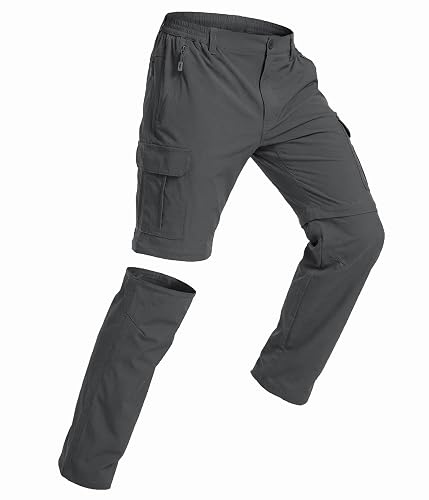
NATUVENIX Mens Hiking Pants Convertible Quick Dry Travel Pants
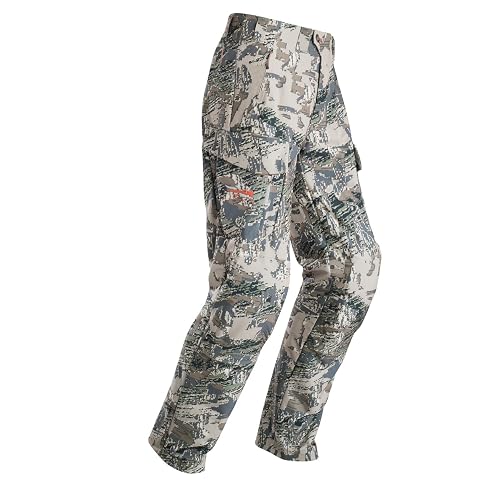
SITKA Gear Mountain Pant
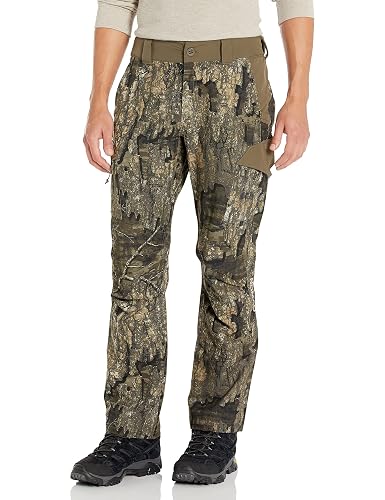
Nomad Mens Pursuit Pant Camo Hunting Pants

Moosehill Men’s Hiking Pants Convertible Quick-Dry
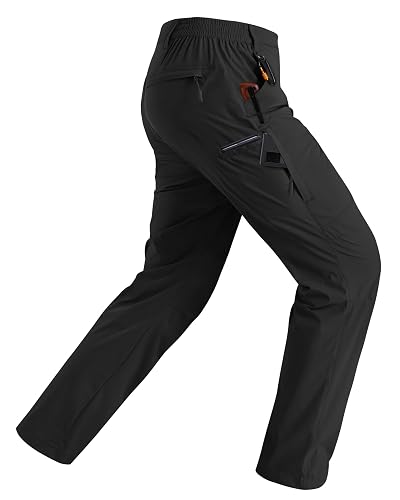
Rapoo Mens Hiking Pants Lightweight Water Resistant Nylon Cargo
More On The Choices That Made The List
The NATUVENIX convertible pant leans hard into the do-it-all mindset. Zip-off lower legs turn a full pant into shorts without anyone needing to stop and dig through their pack, which matters on trips where morning starts cold and the afternoon turns muggy.
For a backpacker bouncing between climates, that single design choice removes a layer decision from every morning. Compared with the SITKA Mountain Pant reviewed later, this one prioritizes flexibility and quick-dry comfort over heavy-duty abrasion resistance.
Everyday Perks
- Convertible legs cut weight by skipping a separate pair of shorts on short trips
- Quick-dry fabric handles stream crossings and surprise rain without staying soaked for hours
- Lightweight build keeps the pants comfortable on warm-weather ascents
- Travel-friendly profile rolls down small for tight pack space
- Practical enough to wear straight to a hostel or coffee shop after the trail
Things To Consider
- Convertible zippers can be a snag point on heavy brush, so care is needed in thick scrub
- Lightweight fabric is not built for scrambling over sharp granite day after day
Key Specs
Right Fit For
Travelers and weekend hikers who want one pant that handles airports, hostels, and variable trail days without a separate pair of shorts.
Swap It Out When
Multi-day backcountry trekkers carrying heavier packs on abrasive terrain should look at the SITKA Gear Mountain Pant instead.
SITKA built its reputation outfitting hunters and mountain athletes, and the Mountain Pant shows that lineage clearly. It is a heavier, more structured piece than the NATUVENIX convertible reviewed above, with patterning built around long days under a pack.
Where this pant earns attention is in the backcountry scenario. The cut leaves room for layering underneath, the fabric handles abrasion from granite and pack straps, and the hunting-clothing roots translate well into steep, technical terrain.
Everyday Advantages
- Durable build stands up to rocky terrain and repeated pack wear
- Patterned fit accommodates baselayers in cold weather
- Recognized hunting brand with a track record in technical outdoor clothing
Worth Noting
- Heavier and warmer than typical summer hiking pants, which can feel bulky on hot lowland trails
- Premium positioning may stretch budgets for casual day hikers
- Focused hunting styling may not suit hikers wanting a lower-profile everyday look
- Fewer convertible or travel-friendly features than lighter options
Made For
Big-mountain hunters and serious trekkers who carry weight into cold or variable terrain and want a pant that takes abuse.
Look Elsewhere When
Casual day hikers wanting a lightweight, breathable summer option will get more value from the Moosehill Men’s Hiking Pants Convertible Quick-Dry.
Nomad focuses on hunting apparel, and the Pursuit Pant is built around that reality. The adjustable waistband is the headline feature, allowing the fit to expand or contract across layers and changing conditions.
For a trekker spending long hours sitting in a tree stand or glassing a meadow, that adjustability removes the need to size up just to fit thermals underneath. It is a different design philosophy than the NATUVENIX convertible, prioritizing concealment and layering over travel flexibility.
Practical Advantages
- Adjustable waistband adapts to baselayers and changing activity levels
- Camo pattern suits hunters wanting low visual profile
- Built for the kind of slow, cold movement that hunting demands
- Sport-specific construction from a brand focused on field use
Honest Caveats
- Camo styling reads as hunting-specific and may feel out of place at a trailhead or campsite
- Less versatile than neutral travel pants for non-hunting outings
- Heavier build than ultralight options, so it adds pack weight on long routes
Quick Facts
Best Suited To
Hunters heading into cool-weather territory who need a pant that adjusts through layers and stays quiet through long sits.
A Better Fit Elsewhere
Hikers wanting a more travel-ready, neutral-look convertible should consider the NATUVENIX Mens Hiking Pants instead.
The Moosehill Convertible lands firmly in the entry-level hiking category. The convertible zip-off design mirrors the NATUVENIX approach reviewed first, which makes it easy to compare feature-for-feature against a more established option.
For a new hiker building out a kit on a tighter budget, this is a sensible first pair. It covers the two features most beginners care about: a zip-off leg and quick-dry fabric. The honest read is that it is not built for heavy abuse, but for typical day hikes and the occasional overnight it gets the job done.
Reasons It Performs
- Convertible legs cover the warm-weather versatility question without a second pair of pants
- Quick-dry focus suits hikers crossing streams or caught in pop-up storms
- Entry-level positioning helps first-timers spend less while learning what they like
- Lightweight build keeps beginner hikers comfortable without adjustment
Trade Offs
- Construction is not as durable as premium options for repeated rough use
- Fit and finish may feel less refined than higher-priced alternatives
Whose Shelf It Belongs On
New hikers putting together a first kit who want convertible versatility without committing to a premium price.
Reach For A Different Pick When
Anyone planning serious backcountry trips with heavy abrasion should step toward the SITKA Gear Mountain Pant instead.
The Rapoo cargo is the most storage-forward pant on this list, with six pockets built into a water-resistant nylon shell. It targets a different kind of trail day than any of the picks above, where carrying a small camera, phone, snacks, and a multi-tool matters as much as ventilation.
Compared with the lighter NATUVENIX convertible, this one trades convertible legs for utility and weather resistance. For a day hiker or content creator who hates wearing a pack for short loops, that trade usually feels worth it.
What Stands Out
- Six pockets reduce the need to wear a pack on short outings
- Water-resistant nylon sheds light rain and morning dew without soaking through
- Breathable weave handles warm-weather hiking without trapping sweat
- Cargo profile suits gear-heavy day trips and casual campsite wear
Points To Note
- More fabric and pockets means more weight and slower drying than minimalist options
- Looser cargo cut can snag on dense brush if not careful
- Less packable than convertible options for travelers counting every cubic inch
Feature Snapshot
Perfect Match For
Day hikers, photographers, and casual trekkers who carry small gear and prefer pocket storage over a pack.
Where A Sibling Pick Shines
Long-distance travelers chasing packable versatility will prefer the NATUVENIX Convertible Quick Dry Travel Pants.
Picking Trekking Pants That Actually Fit Your Trips
The right trekking pant depends less on fabric specs and more on what your average day looks like. A weekend traveler bouncing between climates wants convertible legs and quick-dry fabric, while a hunter sitting still for hours wants an adjustable waistband and quiet material.
Fit deserves more attention than most shoppers give it. A pant that fits well in a parking lot often fits poorly under a 40-pound pack, so trying pants on with weight on the hips tells the real story. Articulation in the knees and a gusseted crotch (a diamond or triangle of extra fabric sewn into the crotch seam to allow wider movement without binding) help here, and most quality options now include them.
Fabric weight matters because it controls the trade-off between durability and breathability. Lightweight nylon dries fast and breathes, but it wears through faster on granite. Heavier weaves last longer but run hotter in summer.
Finally, think about pockets and storage. Trekkers carrying camera gear, snacks, and layers in their pants benefit from cargo pockets, while ultralight travelers usually prefer minimalist storage and a real backpack.
What Matters Most Before Choosing Trekking Pants
Common Shopping Slip Ups
The most common mistake is choosing pants based on feature lists rather than use case. Convertible legs sound great until you realize most of your hiking happens in weather where shorts are useless. Match the pant to your actual conditions, not the spec sheet.
Another trap is ignoring pocket layout. Sealed cargo pockets feel clever until your phone slides out on a steep downhill, or you cannot reach your map while wearing a pack belt. Test pocket access with your pack on.
Where The Extra Money Goes
Premium trekking pants spend their extra cost on fabric quality, seam construction, and patterning. Heavier denier nylon (denier measures fiber thickness, with higher numbers meaning tougher fabric) resists abrasion longer, articulated knees reduce seam blowouts, and better patterning means less bunching under a pack belt. For casual day hikers, the upgrade rarely matters. For multi-day backcountry trekkers, it adds up fast in the form of pants that survive several seasons.