
Trails ask a lot from footwear. You need grip that bites into loose dirt and wet rock, enough cushion to eat up miles of rocky descents, and a fit that stays comfortable when the route turns technical. This list rounds up seven pairs that handle that mix well, from cushioned hikers built for wet weather to featherweight trail racers and budget-friendly options that don’t feel budget once they’re on your feet.
The Lineup, Simplified
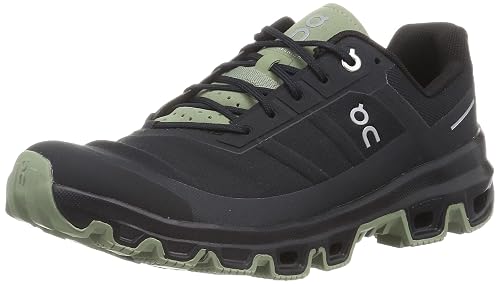
On Cloudhorizon Waterproof

ALTRA Experience Wild 2
The Picks, Examined More Closely
The On Cloudhorizon is built for hikers who treat their local trail like a year-round second commute. Its CloudTec Phase midsole (On’s signature hollow-pod cushioning that compresses on impact for a soft, rolling landing) gives the shoe a plush, walk-all-day feel that stands apart from the leaner trail runners further down this list.
Where this shoe earns its place is wet weather. The waterproof membrane keeps rain and puddle splash from soaking through, so a sudden downpour on a ridge walk doesn’t end your day. For hikers in the Pacific Northwest or anywhere shoulder seasons stay damp, that protection alone justifies the cost.
What Makes Sense
- CloudTec Phase cushioning softens long descents without feeling mushy on the climb back up.
- Waterproof construction handles wet grass, shallow stream crossings, and steady rain without leaking.
- Rocker-style geometry, a curved sole shape that rolls you forward with each step, reduces fatigue on multi-hour outings.
- Versatile enough for post-hike coffee stops without looking overly technical.
Things To Consider
- Heavier than pure trail racers, so it’s not the pick for sub-ultramarathon paces.
- Less aggressive lug pattern than the Salomon options; owners on loose volcanic terrain may want stickier rubber.
- Waterproof membranes can trap heat in summer humidity.
Key Specs
Built With In Mind
Hikers in rainy climates who log multi-hour walks and want a single pair that handles wet trails, casual miles, and damp commutes alike.
Look Elsewhere When
Runners chasing fast, technical mountain miles should reach for the Salomon Speedcross 6, which trades the waterproof comfort for serious grip and agility.
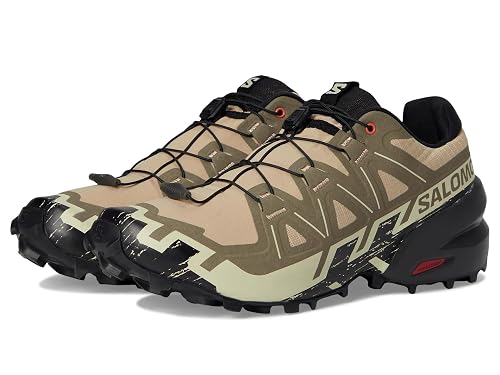
The Speedcross line is one of those rare shoes that almost defines the category it sits in. Where the On Cloudhorizon leans plush and protective, the Speedcross 6 leans mean. It’s lighter, more aggressive, and built for runners who care more about traction on wet roots than they do about street-to-trail versatility.
The chevron-shaped lugs (angled tread blocks shaped like arrows) dig deep into soft ground and shed mud faster than most competitors, which is exactly the point. For muddy spring trail races or steep Pacific Northwest descents, this is the kind of shoe you strap on when confidence underfoot matters more than cushion.
What Helps Most
- Deep chevron lugs bite into mud, soft dirt, and wet grass with serious purchase.
- Lightweight build reduces leg fatigue on long climbs where every gram counts.
- Quicklace system tightens the upper with one pull and tucks away cleanly.
- Open lug pattern clears mud quickly so the shoe doesn’t get bogged down mid-run.
Room For Improvement
- No waterproof membrane; feet get wet fast in standing water or steady rain.
- Firmer ride than the On Cloudhorizon, which some hikers find harsh on pavement connectors.
- Aggressive grip wears faster on asphalt than a road-leaning trail shoe.
Quick Facts
Whose Shelf It Belongs On
Trail runners tackling soft, muddy, or steep terrain who want grip that punches well above the cushion.
A Better Fit Elsewhere
Wet-weather hikers who need waterproofing should pick the Salomon Speedcross 6 GTX, which keeps the same grip and adds a Gore-Tex liner.
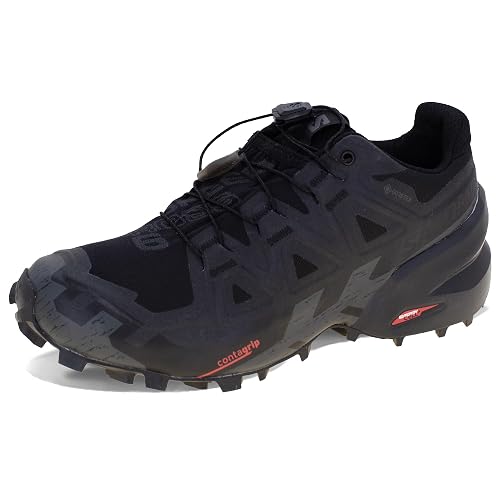
The Speedcross 6 GTX takes everything the standard Speedcross 6 does well and seals the upper with a Gore-Tex membrane, a waterproof yet breathable liner that blocks water while letting heat escape. So you get the same aggressive grip, the same mud-shedding lugs, plus a barrier against the wet stuff.
For runners who train year-round in damp climates, this is the practical choice over its non-GTX sibling. It costs more and runs a touch warmer in summer, but the trade-off keeps feet dry through creek crossings and hours of drizzle. Like the regular Speedcross, it leans toward performance over plush comfort.
The Upside
- Gore-Tex membrane keeps water out during stream crossings and rain-heavy routes.
- Same aggressive chevron outsole as the standard Speedcross 6 for confident traction.
- Durable mesh upper construction holds up against brush and rocky scrambles.
- Quicklace system stays tidy even with gloves on in cold conditions.
Honest Caveats
- Higher cost than the non-waterproof sibling for the Gore-Tex upgrade alone.
- Reduced breathability can feel warm on hot, dry trail days.
- Once water enters over the collar, the membrane slows drying compared to a non-waterproof shoe.
At A Glance
The Right Fit
Trail runners in consistently wet regions, or anyone tackling shoulder-season races where rain is a given, who refuse to let weather dictate training.
Swap It Out When
Runners who mostly train on dry, hard-packed trails will appreciate the lighter, more breathable standard Salomon Speedcross 6 instead.
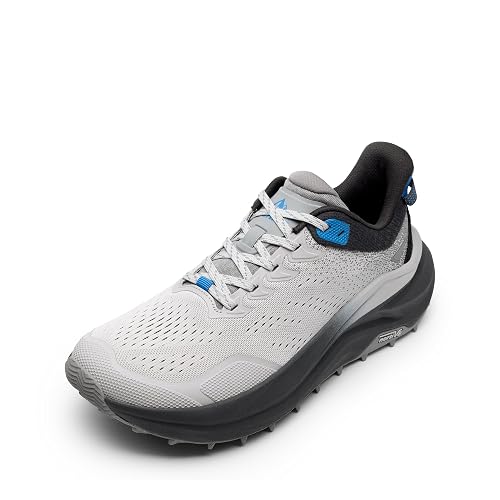
The Experience Flow 2 represents ALTRA’s more approachable side of trail footwear. Where the brand’s higher-mileage trail shoes chase performance, this one focuses on comfort and a forgiving ride for newer trail runners. The signature FootShape toe box, a wider, foot-shaped forefoot that lets toes splay naturally, gives the shoe a roomy fit that’s especially welcome if you’ve been squished into narrow trainers.
Compared to the On Cloudhorizon at the top of this list, the Flow 2 sits closer to the ground with a lower stack height. That means less cushion underfoot but a more grounded, connected feel on rock and root. For first-time trail runners easing into the sport, that connection helps build confidence.
Useful Touches
- FootShape toe box accommodates wide feet and natural toe splay.
- Balanced cushioning handles short trail runs without feeling harsh.
- Versatile enough to transition from park paths to light singletrack.
- Lower stack height offers better ground feel on rocky sections.
Softer Spots
- Less aggressive lug pattern than the Salomon Speedcross; struggles in deep mud.
- Lower cushion stack may feel thin on longer runs over rough ground.
- Not built for serious mountain terrain with extended technical scrambling.
Who Should Grab It
New trail runners and anyone transitioning from road running who wants a forgiving entry point with a roomy, comfortable fit.
Consider Something Else When
Runners tackling aggressive mountain terrain will get more grip and protection from the Salomon Speedcross 6.
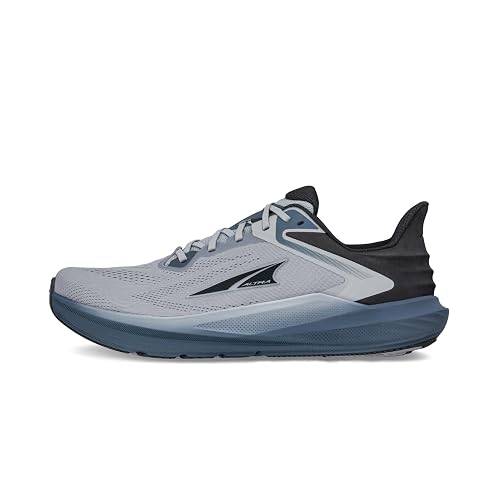
The Torin 8 sits in ALTRA’s road-running lineup, but its roomy FootShape fit and generous cushion make it a useful crossover for paved greenways and crushed-gravel rail trails. It’s the comfort-first option here, prioritizing long-mile ease over trail-ready grip.
Where this shoe stands apart is the daily-wear comfort. The plush midsole and balanced geometry handle long walks and easy jogs without beating up your joints. For hikers tackling flat, groomed paths or anyone who wants one pair that doubles as a commuter and weekend trail walker, this fits the bill cleanly.
Real-World Strengths
- Generous cushioning softens long walks and recovery runs.
- FootShape toe box reduces pinching and blisters for wide feet.
- Versatile enough for casual trail use on groomed or gravel paths.
- Zero-drop platform, meaning the heel and forefoot sit at the same height off the ground, encourages a natural midfoot strike.
Points To Note
- Road-leaning outsole lacks the grip needed for technical or muddy trails.
- Zero-drop geometry takes adjustment if you’re used to elevated heels.
- Not waterproof; wet grass and puddles soak through quickly.
Best Suited To
Casual walkers and crossover runners logging miles on pavement, gravel, and easy paths who want maximum comfort in a roomy fit.
Reach For A Different Pick When
Off-road adventurers need the lug depth and protection of the ALTRA Experience Wild 2 for proper trail use.
The NORTIV 8 brings something useful to this list: a true trail-ready silhouette at a price that doesn’t punish your wallet. For hikers who want the wide toe box and trail styling of premium brands without the premium cost, this is the entry point that gets you on the trail the same day.
The build isn’t as refined as the ALTRA or Salomon pairs here, but the wide forefoot and trail outsole make it a comfortable, accessible pick for casual hikes and weekend park loops. For someone building a starter kit or adding a backup pair to the closet, this is worth a serious look.
A Few Highlights
- Wide toe box accommodates natural foot shape without compression.
- Trail-style outsole handles dirt paths, gravel, and grass with decent grip.
- Accessible cost makes it easy to grab a pair without overthinking.
- Comfortable straight out of the box for casual, low-mileage use.
Trade Offs To Consider
- Lacks the refined cushioning of premium trail running shoes for long distances.
- Construction quality doesn’t match premium brands; expect faster wear with heavy use.
- Less technical than the Salomon options for serious mountain terrain.
Made For
Casual hikers and first-time trail walkers who want a comfortable, affordable shoe for park loops and easy paths.
Skip It When
Runners logging serious trail mileage will get more durability and performance from the ALTRA Experience Wild 2.
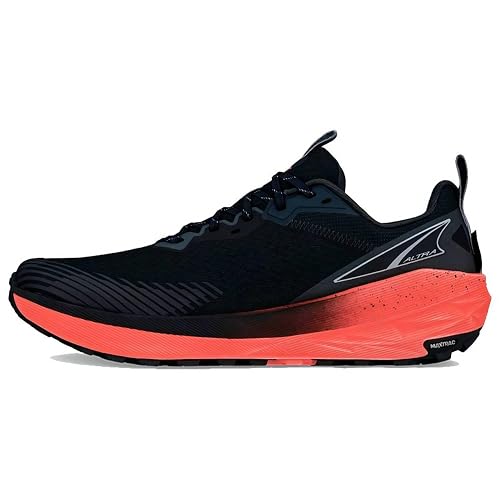
The Experience Wild 2 closes this list by bringing ALTRA’s signature foot-shaped fit into a proper trail-ready package. It carries the brand’s zero-drop geometry and FootShape toe box into terrain that demands more than a road shoe can give. Compared to the Torin 8, this is the trail-capable cousin.
For trail runners who love ALTRA’s roomy, natural-fit philosophy but want actual grip and protection underfoot, this is the version to reach for. It handles roots, rocks, and dry singletrack without the bulk of a traditional hiking boot. The trade-off is cushion stack: it’s lower than the On Cloudhorizon, but the connection to the trail is the point.
Features That Help
- FootShape toe box allows natural toe splay over long miles.
- Trail-tuned outsole grips dirt, gravel, and rock with confidence.
- Zero-drop platform supports natural midfoot landing.
- Lightweight construction reduces fatigue on multi-hour trail runs.
Worth Bearing In Mind
- Zero-drop geometry requires adjustment if you’re used to elevated heels.
- Lower cushion stack feels firm compared to the On Cloudhorizon on long descents.
- Lug pattern is versatile rather than specialized for deep mud.
Perfect Match For
Trail runners who prefer a natural foot shape and zero-drop ride, and want a versatile shoe for varied off-road terrain.
Another Choice May Suit
Runners needing serious grip in deep mud will appreciate the more aggressive Salomon Speedcross 6 lug pattern.
What To Weigh Before Picking Your Pair
Trail Surface And Grip Demands
Trail surfaces vary wildly. Smooth rail-trails and dirt paths ask less of your outsole than loose volcanic pumice, wet roots, or alpine scree. Lug depth, the height of the rubber tread blocks underfoot, and pattern shape matter more than most specs suggest. Deep chevron lugs like those on the Salomon Speedcross pairs shed mud and bite soft ground. Shallower, multi-directional patterns work better on hard-packed trails and mixed pavement.
Cushion Versus Ground Feel
Higher stack heights, meaning thicker midsoles between your foot and the ground, give plush cushion that softens long descents, but they raise your center of gravity and reduce trail feel. Lower-profile shoes keep you connected to rock and root but punish joints on rough miles. Most runners find a balanced mid-stack option works for mixed use.
Waterproofing Trade-Offs
Gore-Tex and similar membranes keep water out but trap heat inside. In warm, dry climates, the breathability cost outweighs the benefit. In damp regions or shoulder seasons with regular rain, waterproofing extends your hiking window significantly.
Fit And Toe Box Shape
Narrow trail shoes pinch wider feet and cause blisters on long descents. FootShape and other wide toe box designs let toes splay naturally for better balance and comfort. Try the fit with the socks you actually hike in, because thickness changes volume considerably.
Smart Choices That Save Headaches
Mistakes Worth Dodging
A common slip-up is buying a trail runner purely for cushion without checking outsole grip. Soft shoes on loose terrain feel unstable and tire your feet faster as they grip unconsciously. Another trap is assuming waterproof means warm; the membrane helps in wet conditions but can overheat your feet on hot summer hikes.
Where The Extra Money Goes
Higher-tier trail shoes invest in better rubber compounds, more refined midsoles, and tougher uppers. You pay for grip that lasts longer, cushion that doesn’t pack out after a few months, and construction that survives brush and rock scrapes. For weekend park walks, the upgrade rarely matters. For regular trail training or mountain use, the extra durability pays back quickly.
Frequently Asked Questions
How Do Hiking And Trail Running Shoes Differ?
Hiking shoes typically have stiffer midsoles and more durable uppers for carrying loads over mixed terrain, while trail running shoes prioritize flexibility, lighter weight, and grippy outsoles for faster movement. Many modern shoes blur the line, especially cushioned hikers and aggressive trail runners.
Can Trail Running Shoes Handle Day Hikes?
Yes, most trail running shoes work well for day hikes under moderate loads, particularly on established trails. For backpacking with heavy packs or rough routes, a more supportive hiking shoe is usually a better match.
How Often Should Trail Shoes Be Replaced?
Most trail shoes last between 300 and 500 miles depending on terrain and gait. Rough, rocky trails wear outsoles faster than smooth dirt paths, while heavier runners may see cushioning break down sooner than lighter users.
Do I Need Waterproof Trail Shoes?
Waterproofing helps in consistently wet climates, during shoulder seasons, or on routes with stream crossings. In dry, hot regions, the breathability cost often outweighs the benefit, and a non-waterproof shoe dries faster and runs cooler.
What’s The Deal With Zero-Drop Shoes?
Zero-drop shoes keep the heel and forefoot at the same height off the ground, encouraging a natural midfoot strike. Some runners find this more comfortable and efficient, while others need time to adapt from elevated-heel shoes.
Bottom Line
The right pair depends on where you actually walk and run. Cushioned hikers like the On Cloudhorizon handle wet weather and varied terrain; aggressive trail runners like the Salomon Speedcross 6 grip mud and steep ground; roomy, natural-fit shoes like the Experience Wild 2 reward runners who want ground connection. Match the shoe to the trail, and the miles take care of themselves.