
Cold toes, wet socks, and a mile still left to cover. Anyone who spends real time in the woods or on a rough trail knows the boots either hold up or ruin the day. The right pair insulates, grips, supports, and stays dry through creek crossings, snow, and long stalks. This lineup pulls together nine standout choices for 2026, from insulated rubber pull-ons for subzero mornings to trail-ready hikers and supportive insoles that rescue tired arches. Whatever the terrain, there’s something here built for the way you actually get outside.
An Overview Of The Picks

MUCK Woody Max Rubber Insulated Hunting Boot

Korkers Darkhorse Wading Boot with Interchangeable Soles
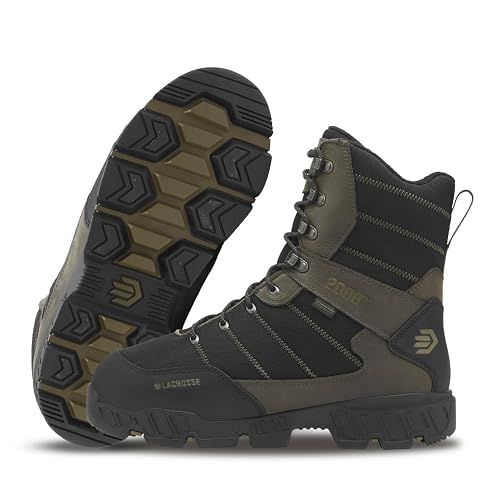
LaCrosse Cold Snap 9″ Hunting Boot with Thinsulate
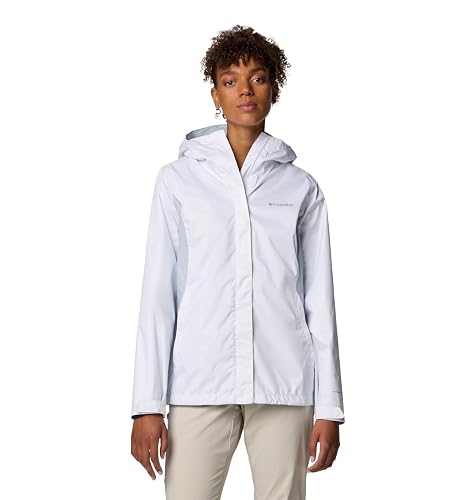
Columbia Women’s Arcadia II Rain Jacket
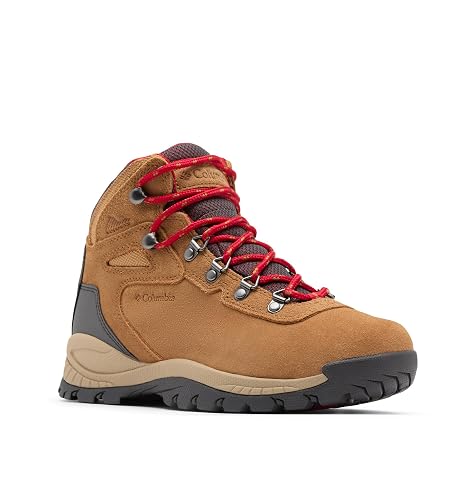
Columbia Newton Ridge Plus Waterproof Hiking Boot
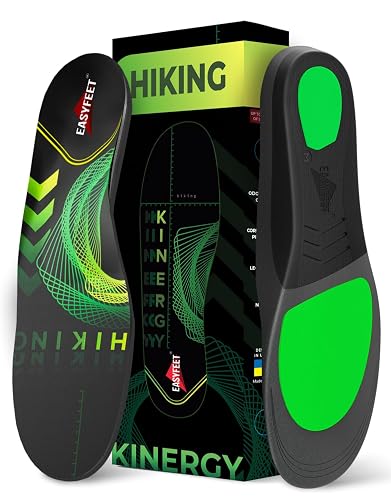
EASYFEET Hiking Boot Arch Support Insoles
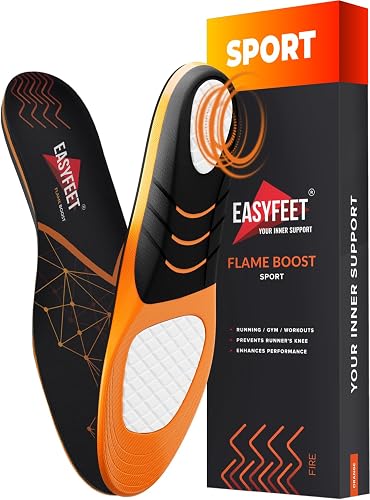
EASYFEET Flame Boost Athletic Sport Insoles

EASYFEET Plantar Fasciitis High Arch Insoles
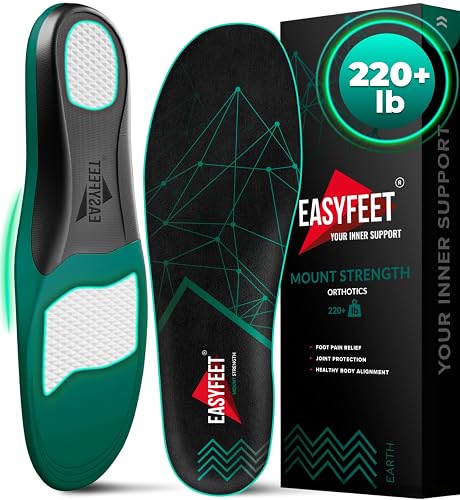
EASYFEET Mount Strength Heavy Duty Arch Insoles
Inside Each Recommended Option
For hunters sitting in a treestand at dawn in single-digit temperatures, rubber boots with serious insulation are the difference between a productive morning and a miserable one. The MUCK Woody Max leans into that exact use case, wrapping the lower leg in a tall rubber exterior with a Mossy Oak camo finish that blends into brush and tree cover.
Inside, a fleece lining and roughly 5 mm of internal neoprene (a synthetic rubber that traps warmth and stays flexible in the cold) trap heat against the foot, while a stretch-fit topline keeps the boot snug around the calf so cold air can’t sneak in. Owners commonly report that this pair handles slush, mud, and shallow stream crossings without letting moisture through, and the rubber shell cleans up quickly with a hose afterward. It runs a bit bulky, so it’s not a nimble choice for fast-paced hill travel, but for still-hunting and stationary glassing, the warmth is hard to beat.
What It Does Well
- Tall rubber construction keeps feet dry through deep snow, slush, and standing water crossings.
- Fleece lining plus neoprene core holds warmth during long sits in subfreezing conditions.
- Camo pattern helps the boot disappear in the woods, useful for bowhunters who need visual concealment.
- Stretch-fit topline seals around the calf to block cold drafts and debris.
- Pull-on design with no laces means no fumbling in the dark before a hunt.
Honest Caveats
- The rubber shell runs heavy, so long hikes over rough terrain can wear down the legs faster than a leather boot.
- Less breathable than a fabric or leather upper, which can lead to interior moisture on warmer days.
Feature Snapshot
Who It Suits Best
Still-hunters and treestand hunters who face long stretches of cold, wet, low-mobility conditions and value warmth and waterproofing over agility.
Look Elsewhere When
The Columbia Newton Ridge Plus Waterproof Hiking Boot suits day hikers who want a lighter, more breathable boot for miles of trail rather than extended stationary sits in deep cold.
Wading boots live a strange double life. They need to grip slick river rocks, drain water fast, and survive the rocky abuse of constant submersion. The Korkers Darkhorse answers that with a modular sole system, the kind of practical feature that surprises people who’ve only ever owned fixed-sole waders before.
What sets this apart from the MUCK Woody Max is the focus on traction customization rather than pure cold-weather insulation. The OmniTrax interchangeable sole system lets anglers swap between felt (for soft, mossy riverbeds where felt grips best) and Kling-On rubber (studded rubber that performs on hard, rocky terrain and is allowed on more waterways). The BOA M2 lacing system (a twist-to-tighten dial that replaces traditional laces) makes adjustments quick, and internal drainage channels push water out through the midsole, reducing the sloshing weight that wears down wading legs over a long day.
Practical Pluses
- OmniTrax sole system swaps between felt and rubber for changing river conditions.
- BOA dial lacing adjusts tension in seconds, even with cold or wet hands.
- Hydrophobic upper (a water-shedding material that resists soaking) with a tonal camo pattern for anglers who prefer subtle concealment.
- Internal drainage channels vent water through midsole ports to keep weight down during long sessions.
Trade-Offs To Consider
- Felt soles are banned or restricted on some rivers, so checking local regulations before heading out matters.
- Spare soles and studs are sold separately, adding to the total cost over time.
Made For
Anglers who move between rivers with different bottom conditions and want one boot that adapts with them.
Swap It Out When
The MUCK Woody Max Rubber Insulated Hunting Boot is a better fit for hunters who need tall waterproof warmth rather than modular river traction.
Late-season deer and elk hunters tend to push deeper into the woods, often during the coldest stretch of the calendar. The LaCrosse Cold Snap 9″ is built for that reality, layering serious insulation into a shorter, more agile profile than the MUCK Woody Max’s tall rubber design.
The standout spec is the 2000G Thinsulate Ultra insulation (a thin, synthetic fiberfill rated by grams per square meter, where higher numbers mean more warmth), which handles long glassing sessions and slow stalks through snowy draws. A Permafrost outsole is engineered to stay flexible in freezing temps, so the grip doesn’t turn into a hard, slippery plank when the temperature drops. An EVA footbed (lightweight foam cushioning that absorbs impact) softens the ride over miles of uneven terrain. For a 9-inch boot, it offers a lot of warmth without the bulk of a full knee-high rubber pull-on.
Positive Takeaways
- 2000G Thinsulate Ultra handles subfreezing exposure during long, still-hunting sessions.
- Permafrost outsole stays pliable and grippy when the temperature plummets.
- EVA footbed cushions the foot over long treks in rough terrain.
- Mid-height 9-inch profile is more agile than tall rubber boots for hiking in and out of hunting spots.
Small Caveats
- The 9-inch shaft doesn’t keep water out as well as a tall rubber boot during deep creek crossings.
- Break-in time can run longer than a softer pull-on rubber boot.
Quick Facts
Best Suited To
Late-season whitetail and elk hunters who log long, slow miles in freezing conditions and want warmth without committing to a tall rubber boot.
Consider Something Else When
The Korkers Darkhorse Wading Boot is the smarter pick for anglers who prioritize swappable traction over insulation weight.
Rain on the trail changes the whole experience. A good shell keeps the body dry from the shoulders up so the rest of the layering system can do its job. The Columbia Arcadia II fits that role well, especially for hikers and hunters who already own solid boots and just need a jacket that handles the wet.
Built from 100% nylon with a waterproof, breathable membrane (a fabric layer that blocks rain from coming in while letting internal sweat vapor escape), it packs down small and pulls on quickly when weather rolls in. Compared to the heavy rubber and leather boots in this lineup, the Arcadia II is a layering piece, but it’s the kind of product that pairs naturally with any of them. It weighs very little, layers over fleeces and midweights, and the adjustable hood seals out wind-driven rain. The nylon face fabric holds up well to abrasion from pack straps, though it isn’t designed for serious brush.
A Favorable Mix
- Waterproof and breathable membrane keeps rain out while letting body heat escape.
- Lightweight 100% nylon shell compresses into a pack without taking up much room.
- Adjustable hood fits over a baseball cap for sudden showers on exposed ridges.
- Layering-friendly cut works over base layers and midweight fleeces alike.
Less-Strong Areas
- Light nylon can snag in heavy brush or thorny undergrowth on tight game trails.
- Not insulated, so it needs to be paired with warm mid-layers in cold weather.
Whose Shelf It Belongs On
Wet-weather hikers and hunters who already have boots sorted and need a dependable, packable rain shell.
Reach For A Different Pick When
The LaCrosse Cold Snap 9″ Hunting Boot is the better answer for shoppers who specifically need insulated footwear rather than a top-layer shell.
Day hikers and weekend backpackers tend to want a boot that disappears on the foot. The Columbia Newton Ridge Plus is a classic mid-cut hiking boot built for that crowd, especially hikers buying their first serious pair of boots and looking for something forgiving.
Where the MUCK Woody Max is a fortress of warmth, the Newton Ridge Plus is a nimble all-rounder. The waterproof membrane keeps morning dew and shallow puddles from soaking through, while the suede and synthetic upper breaks in faster than a stiffer full-leather boot. A grippy rubber outsole handles dirt, gravel, and roots confidently, and the cushioned midsole softens impact over long miles. The women’s version is shaped for a narrower heel and a slightly different arch profile, which matters more than people expect on longer hikes.
Bright Spots
- Waterproof membrane handles wet grass, shallow puddles, and rain-soaked trails.
- Suede and synthetic upper breaks in faster than heavier full-grain leather boots.
- Cushioned midsole softens impact over long miles of mixed terrain.
- Women’s-specific last (the foot-shaped form boots are built around) improves fit for narrower heels and arches.
Points To Note
- Not built for subzero temperatures the way the LaCrosse Cold Snap or MUCK Woody Max are.
- Suede upper needs occasional cleaning and treatment to keep waterproofing effective over time.
Feature Card
Right Fit For
Day hikers and weekend backpackers who want a forgiving, all-purpose waterproof boot for three-season trail use.
A Better Fit Elsewhere
The MUCK Woody Max Rubber Insulated Hunting Boot makes more sense for hunters who need tall waterproof warmth for subzero conditions rather than trail-day versatility.
A good insole can rescue a boot that almost fits. The EASYFEET Hiking Boot Insoles focus on the arch, the part of the foot that takes a beating over uneven ground, and they’re shaped specifically for hiking footwear rather than casual sneakers.
Compared to the stock foam liner that ships in most boots, these offer a firmer arch bridge and deeper heel cup (a molded cradle around the heel that locks it in place and reduces side-to-side slippage), which helps distribute pressure more evenly across the foot. The size range covers smaller and larger feet, and they slip into most hiking boots and hunting boots without requiring a fight. For shoppers who already own a pair of boots like the Columbia Newton Ridge Plus but want more support underneath, this is a smart add-on rather than a full replacement.
The Case For It
- Firm arch bridge helps distribute weight across the foot rather than concentrating it on the heel and ball.
- Deep heel cup stabilizes the foot and reduces fatigue over long miles.
- Multiple size options accommodate both men’s and women’s boots.
- Drops into most hiking and hunting boots without trimming.
Worth Bearing In Mind
- Firmer support takes a few hikes to feel natural if you’re used to softer stock liners.
- Not a substitute for properly sized boots when the underlying fit is off.
Spec Overview
Who Will Love This
Long-distance hikers and backpackers who already own well-fitted boots but want stronger arch support underneath.
Not Your Match When
The EASYFEET Mount Strength Heavy Duty Insoles are a better fit for shoppers over 220 pounds who need a stronger, more reinforced arch bridge.
Trail runners and fast hikers want a different feel underfoot than someone walking a graded path. The EASYFEET Flame Boost insoles lean toward the athletic side, with a focus on shock absorption and rebound for higher-output movement.
Where the EASYFEET Hiking Boot Insoles prioritize arch firmness, the Flame Boost trades some of that structure for a plusher, more responsive ride. They make sense for trail runners, fast-packers, and hunters covering ground quickly between spots. They fit into lightweight hiking shoes, trail runners, and approach shoes (low-profile hybrid footwear designed for moving fast over technical terrain), making them more versatile across an active footwear rotation than the heavier hiking-specific insert.
Useful Touches
- Plush cushioning absorbs impact during faster-paced trail movement.
- Responsive feel suits trail runners and hikers covering ground quickly.
- Fits into lighter shoes like trail runners and approach shoes.
Points To Keep In Mind
- Less firm arch support than the hiking-specific EASYFEET insole, so it’s not ideal for flat-footed shoppers who need corrective structure.
- Cushioning compresses over time with heavy mileage and may need replacing sooner than firmer inserts.
Built With In Mind
Trail runners, fast-packers, and active hikers who want more bounce and shock absorption than a rigid insole provides.
Another Choice May Suit
The EASYFEET Hiking Boot Insoles are a smarter match for backpackers focused on long-mile arch support over high-energy rebound.
Foot pain changes everything. Shoppers with high arches or recurring heel pain (the kind that flares up after long days on hard ground) need more than generic cushioning. The EASYFEET Plantar Fasciitis insoles use a firm arch bridge and deep heel cup to address the pressure points that drive that discomfort.
Unlike the cushioned Flame Boost, this insole is built around structure. The firm arch fills the gap under a high arch, so weight spreads across the whole foot rather than loading the heel and ball. For flat feet, the same bridge stops the foot from rolling inward. The deep heel cup cradles the heel to reduce strain on the plantar fascia (the thick band of tissue running along the bottom of the foot that often causes pain when inflamed). It’s the kind of product that turns a boot from “almost right” into something usable for hikes that used to leave the feet aching.
Reasons It Performs
- Firm arch bridge supports high arches and reduces overpronation (the inward rolling of the foot during walking) in flat feet.
- Deep heel cup cradles the heel to relieve strain on the plantar fascia.
- Structured design suits shoppers who have recurring foot pain on long hikes.
Small Limitations
- Firm feel takes adjustment if you’ve only used soft stock insoles.
- Not engineered for very heavy body weight, where the reinforced Mount Strength model is a stronger choice.
Perfect Match For
Hikers and hunters with high arches, flat feet, or recurring heel pain who need corrective structure underfoot.
Skip It When
The EASYFEET Flame Boost Athletic Sport Insoles suit trail runners who prefer plush cushioning over corrective firmness.
Heavier hikers and hunters put more force through every step, and a standard insole can flatten out under that load. The EASYFEET Mount Strength insoles are engineered specifically for body weights over 220 pounds, with a reinforced arch and sturdier construction that holds its shape under pressure.
Compared to the standard Plantar Fasciitis model, this version uses a more robust build that resists compression over time. The shaped arch and deep heel cup work the same way, distributing weight across the foot instead of letting it concentrate on the heel and ball. For bigger shoppers, this turns out to be the difference between an insole that lasts a season and one that holds its support for the long haul. It pairs well with the MUCK Woody Max or LaCrosse Cold Snap for hunters carrying gear on long stalks.
What Helps Most
- Reinforced arch bridge holds shape under heavier body weight.
- Built for shoppers over 220 pounds who find standard insoles compress too quickly.
- Deep heel cup reduces strain on the plantar fascia over long days.
Factors To Consider
- Stiffer feel may be too much structure for lightweight shoppers who don’t need the extra reinforcement.
- Bulky in narrow boots, where the footbed volume can crowd the toes.
Feature Rundown
Who Should Grab It
Heavier hikers, hunters, and workers who need an insole that holds up under load and won’t flatten out within a season.
Where Another Pick Suits Better
The EASYFEET Flame Boost Athletic Sport Insoles suit lighter shoppers who prioritize cushioning and rebound over reinforced structure.
Choosing Footwear That Earns The Miles
Boots and insoles are a matched pair, even when you don’t buy them at the same time. The right boot protects from the outside, and the right insole supports from the inside, and the combination is what determines how far you can go without thinking about your feet.
Match Insulation To The Cold, Not The Calendar
Insulation ratings matter more than fabric weight, and they vary more than most shoppers expect. The LaCrosse Cold Snap’s 2000G Thinsulate Ultra is built for deep-freeze late-season hunts, while the Columbia Newton Ridge Plus is a three-season boot that handles cool mornings and wet trails without overheating in summer. Wearing a heavily insulated boot in moderate weather causes sweat buildup, which actually makes feet colder once you stop moving.
Think About The Terrain, Not Just The Distance
A boot that handles flat gravel well might struggle on wet rocks or soft mud. The Korkers Darkhorse wading boot’s interchangeable sole system makes it a standout for anglers who move between rocky rivers and soft-bottom streams, while the MUCK Woody Max excels in snow and standing water. Trail hikers get the most out of a boot with a balanced lug pattern (the arrangement of rubber tread on the outsole) that grips uphill and sheds mud on the way down.
Fit Matters More Than Brand
A poorly fitted premium boot performs worse than a well-fitted basic one. Most foot issues on the trail come down to volume, heel slip, and toe room, not the name on the side. Insoles like the EASYFEET line let you fine-tune the inside of a boot that almost fits, often eliminating the need to replace a perfectly good pair.
Support Layers With Activity Level
Shoppers carrying heavy packs, stalking long distances, or pushing through rough terrain benefit from reinforced insoles like the Mount Strength model. Casual day hikers on graded trails rarely need that level of structure, and the lighter Flame Boost or Hiking Boot inserts handle their needs without overcorrecting. The right support depends on the work the foot is doing, not just the boot it’s sitting in.
Key Considerations Across These Picks
Mistakes Worth Dodging
Going by the warmest rating on the shelf is a common trap, and it leaves many shoppers with overheated, sweaty feet that turn cold the moment they stop moving. Match the boot to the actual conditions you’ll face, not the worst-case scenario you’ve ever experienced. Skipping insoles is the other common miss, since a quality insert often does more for foot comfort than a more expensive boot shell.
What The Higher Tier Buys
The jump from a basic boot to a premium model usually shows up in three places: materials (full-grain leather over suede, rubber over synthetics), construction (stitchdown or cemented soles that can be resoled, which means replacing the worn-out bottom while keeping the rest of the boot), and specialized features like the Korkers swappable sole system. Higher-tier insoles earn their keep through reinforcement and longevity rather than raw cushioning, and the Mount Strength model is a good example of that philosophy. Spend up when the conditions are tough or the usage is heavy, and save when the trail ahead is forgiving.