
A solid hydration pack changes how a day hike feels. With water on your back and gear sorted into the right pockets, you stop thinking about logistics and start noticing the trail. This lineup covers cycling-leaning packs, ultralight runners, and roomy daypacks, so you can match the pack to the kind of miles you actually log.
A Quick View Of The Lineup
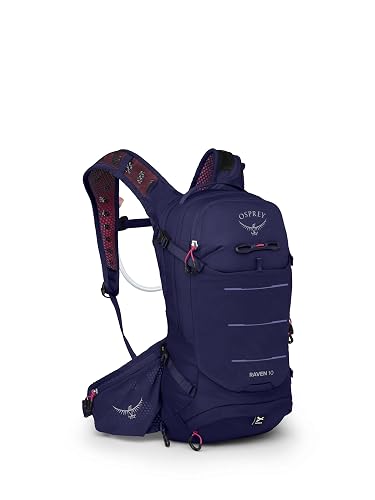
Osprey Raven 10L Women’s Mountain Biking Backpack

Gregory Juno 30L Women’s Hydration Backpack
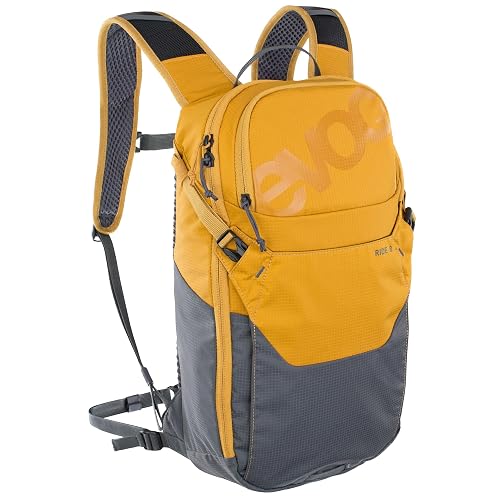
EVOC Unisex Ride Cycling Backpack
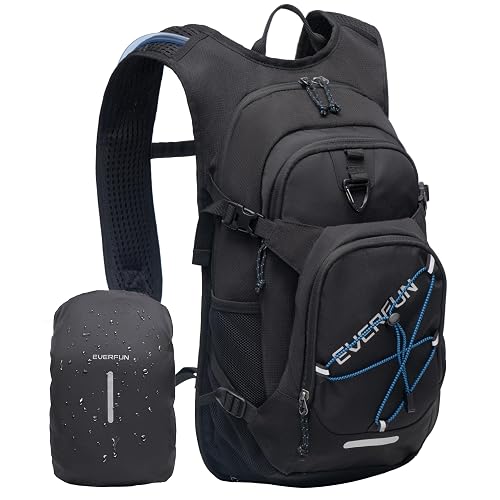
Everfun 18L Hydration Backpack with Water Bladder
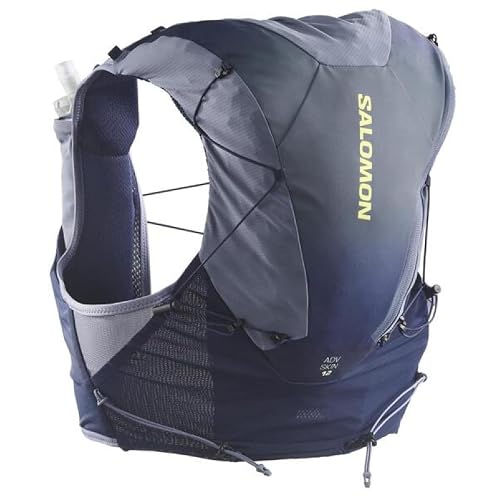
Salomon Unisex Advance Skin 12 Hydration Vest

MARCHWAY Tactical Molle Hydration Pack with 3L Bladder

CamelBak M.U.L.E. Mountain Bike Hydration Pack

CamelBak Cloud Walker 18 Hiking Hydration Backpack
The Raven is built around the idea that on a bike, your pack is part of the chassis. Osprey’s winged shoulder harness wraps the torso so the load doesn’t swing when the trail pitches sideways, and the wide airmesh hipbelt takes weight off the shoulders on rough descents. In a 10-liter shell, it lands in that sweet spot for half-day rides where you want water, a layer, and tools without bulk.
Riders who log regular laps at a bike park or shuttle days will appreciate the trailside-focused layout: a dedicated tool roll for wrenches and a tire plug, internal organizer pockets that keep tubes from rattling around, and a hydration sleeve sized for the included reservoir. Compared to the more road-friendly packs below, this one is unapologetically mountain.
What Makes Sense
- The winged harness and airmesh hipbelt keep the pack locked to your back on steep, choppy trails.
- Internal tool roll keeps wrenches, levers, and a spare tube organized so you stop digging.
- 10 liters is enough room for a rain shell, snacks, and repair gear without sagging the harness.
- Hydraulics reservoir setup lets you refill fast at trailhead spigots.
Trade Offs
- 10 liters is tight if you carry extra layers or a full first-aid kit.
- The MTB-specific silhouette can feel overbuilt on mellow, flat gravel paths.
- Reservoir cleaning requires a dedicated brush since the sleeve opening is narrow.
Who It Suits Best
Female mountain bikers running shuttle days, bike park laps, or technical singletrack with a regular hydration need.
Consider Something Else When
The CamelBak M.U.L.E. Mountain Bike Hydration Pack fits better if you want a more neutral, unisex-cut layout for mixed riding.
The Juno plays in a different weight class than the Raven, trading compact bike ergonomics for outright volume. With 30 liters of storage and a 3-liter quick-drying reservoir, it’s aimed at hikers who carry more than water and a snack. The VaporSpan suspension system uses a moisture-wicking mesh across the back panel, which means sweat has somewhere to go when the climb steepens.
One-handed hydration access via the SpeedClip hanger is the kind of feature that earns its place on long miles. You snap the reservoir in place without taking the pack off, and the magnetic sternum buckle keeps the bite valve parked where you can grab it. Compared to the 10-liter Raven, this is the pack for days when “short” still means seven or eight hours on the trail.
Benefits That Matter
- 3-liter reservoir cuts down on mid-day refills on routes with sparse water sources.
- SpeedClip hanger and Drylock bite valve let you rehydrate without removing the pack.
- VaporSpan back panel channels airflow, which keeps your back drier on long climbs.
- ActiveFlex shoulder harness flexes with your torso, reducing hot spots over hours of wear.
Points To Keep In Mind
- The 30-liter footprint runs large for quick afternoon loops where lighter gear would do.
- The dedicated hydration sleeve consumes space that smaller packs use for general storage.
- Owners commonly report the reservoir takes longer to fully air-dry between trips.
Feature Snapshot
Right Fit For
Hikers tackling full-day routes with multiple layers, food, and safety gear who want women-specific harness geometry.
A Better Fit Elsewhere
The CamelBak Cloud Walker 18 Hiking Hydration Backpack makes more sense for shorter day hikes where you don’t need 30 liters of volume.
EVOC built the Ride around the idea that a cycling pack should hold more than just water. The AIR-PAD back padding runs channels along the spine so air keeps moving on hot climbs, and the wide hip fins transfer weight off your shoulders on long rides. Inside, the layout treats tools and accessories as first-class citizens rather than afterthoughts.
A separate tool compartment with organizer sleeves keeps wrenches, a chain breaker, and tire plugs exactly where you left them. There’s also an integrated helmet holder for when the ride ends at a café stop. Compared to the 10-liter Raven, the EVOC leans toward riders who treat every ride as a self-supported mini-expedition.
Everyday Wins
- AIR-PAD back ventilation keeps your back cooler than solid-panel packs on long climbs.
- Wide hip fins stabilize heavier loads and stop the pack from sliding during technical descents.
- Tool compartment with organizer sleeves stops wrenches from disappearing into the main pocket.
- External helmet carry lets you stash a lid without stuffing it inside.
Honest Caveats
- Hydration bladder is sold separately, so the total cost climbs if you don’t already own one.
- The hip fins can feel bulky under a hip belt on a backpacker’s frame.
- Plenty of pockets means more time spent learning the layout before muscle memory kicks in.
Made For
Self-sufficient cyclists who carry repair kits, snacks, and layers for longer rides and want organized tool storage.
Look Elsewhere When
The Osprey Raven 10L Women’s Mountain Biking Backpack is a tighter fit if you want a women-specific harness in a smaller package.
The Everfun packs a lot of layout into a starter-friendly price. At 18 liters with 8 functional pockets, it covers the basics for a first-timer who doesn’t want to think too hard about compartments. The nylon shell keeps the weight down, and the included bladder option means you’re not chasing accessories the day before your hike.
Inside the main compartment, a zippered mesh pocket keeps small valuables like a wallet and passport contained, while a velvet-lined pocket handles sunglasses or a phone without scratches. The 18.5 by 10.5 by 6-inch footprint hits the middle of the daypack range, so it works for festivals, easy trails, and casual rides alike.
Useful Strengths
- Eight pockets give beginners plenty of places to assign gear without overthinking it.
- Velvet-lined pocket protects sunglasses and phone screens from scratches on the move.
- Nylon shell keeps the pack light enough for shorter all-day outings.
- Front quick-access pocket holds a phone or keys for grabs at security checkpoints.
Possible Compromises
- Insulation rating is modest, so water warms up faster on hot summer days.
- The unisex fit doesn’t include women-specific harness shaping, which some hikers prefer.
- Lighter materials show wear faster than heavier denier shells on rough trails.
Who Should Grab It
New hikers, festival-goers, and casual cyclists who want a versatile daypack without a steep price tag.
Swap It Out When
The Gregory Juno 30L Women’s Hydration Backpack fits better if you want women-specific harness geometry and more volume for full-day routes.
The Advance Skin 12 is built for runners who measure their days in kilometers rather than hours at the trailhead. At 12 liters, it carries enough soft flasks, gels, and a shell for 60-kilometer-plus efforts without the bounce of a traditional backpack. The vest-style harness wraps the shoulders so the load feels like apparel, not luggage.
Storage is front-loaded and accessible without breaking stride, which matters when you reach for a flask at the 40K mark. The latest version tightens the fit for demanding endurance races, and the lightweight fabric breathes well on warm-weather efforts. Compared to the EVOC, this is a focused tool for moving fast rather than carrying everything.
Notable Upsides
- Vest-style harness keeps the pack locked down without bouncing on technical descents.
- Front flask pockets let you refill or swap soft flasks without removing the pack.
- Lightweight build matches the demands of long-distance trail racing.
- Multiple stretch pockets handle gels, gloves, and a phone without rummaging.
Where It May Fall Short
- 12 liters is too tight for hikes that demand a real layer, lunch, and safety kit.
- The vest-style fit takes adjustment if you’re used to traditional backpack straps.
- Soft flask format means you carry your own hydration hardware rather than using a standard bladder.
Feature Rundown
Perfect Match For
Trail runners and ultrarunners training for distances beyond a marathon who need fast access to hydration and fuel.
Another Choice May Suit
The MARCHWAY Tactical Molle Hydration Pack Backpack fits better if you want a traditional backpack harness for hiking and biking rather than running.
The MARCHWAY leans into a slim, sculpted profile that hugs the torso. At 19.5 by 8.7 by 2.6 inches, it sits closer to the body than a traditional daypack, which keeps the load from swinging during running, climbing, or fast hiking. The included 3-liter TPU bladder handles hot and cold water without the taste issues some rubberized reservoirs develop.
The Molle webbing across the front lets you clip extra pouches or accessories when the outing expands beyond a simple loop. Adjustable sternum, waist, and shoulder straps let you dial in fit, and the cooling air-mesh back panel helps on humid days. Compared to the 12-liter Salomon vest, this is a more versatile pick for mixed activities.
A Few Highlights
- Slim 2.6-inch depth keeps the pack close to the torso during high-output movement.
- TPU bladder resists taste transfer better than basic rubberized reservoirs.
- Molle webbing expands the pack’s carrying capacity for longer trips.
- Cushioned shoulder straps reduce pressure points on multi-hour outings.
Factors To Consider
- Tactical styling looks out of place on casual social hikes.
- Nylon shell is light but less abrasion-resistant than heavier denier packs.
- The narrow profile limits how much bulky gear you can stuff inside.
Quick Technical Notes
Best Suited To
Active hikers, climbers, and cyclists who want a stable, low-profile pack that handles multiple disciplines.
Not Your Match When
The Everfun 18L Hydration Backpack with Water Bladder is a friendlier pick if you want a traditional daypack shape with simpler organization.
The M.U.L.E. earned its name honestly: it carries 12 liters of total storage with a 3-liter Crux reservoir, which historically made it the do-everything option for mountain bikers. The Air Director back panel channels airflow across the back to reduce heat buildup, and the removable stability belt adds an extra anchor point on rough terrain.
Quicklink is the small detail that matters over time: it lets you detach the reservoir without yanking at the hose, so cleaning and swapping bladders is a faster job. Integrated tool roll, secure zip pockets, and an exterior helmet carry round out a layout designed for riders who do their own trailside repairs.
What Pays Off
- Air Director back panel channels heat away from the back on long climbs.
- 3-liter Crux reservoir moves more water per sip than older CamelBak designs.
- Quicklink system speeds up reservoir swaps and cleaning between trips.
- Exterior helmet carry keeps your hands free at the trailhead café stop.
- Removable stability belt customizes the fit for different body types and trail intensities.
Worth Noting
- The unisex cut doesn’t include women-specific shoulder harness shaping.
- 12 liters is roomy for racing but tight for all-day backcountry rides with extra layers.
- The Crux reservoir’s larger bite valve takes a moment to get used to if you’re coming from older CamelBak models.
Feature Card
Built With In Mind
Riders who want a versatile, unisex mountain bike pack with proven storage layout and hydration hardware.
Where A Sibling Pick Shines
The Osprey Raven 10L Women’s Mountain Biking Backpack is a better match if you prefer a women-specific harness for trail riding.
The Cloud Walker closes the list as the most straightforward hiking pick in the lineup. The 85-ounce Crux reservoir handles day-long hydration without refills, and the Air Support Back Panel uses body mapping to place ventilation where your back runs hottest. At 18 liters, it sits in the middle ground between cycling-leaning packs and full backcountry haulers.
Side cargo pockets and compression straps keep gear organized and stable on uneven terrain. Built with sustainable, durable materials, the pack handles regular trail use without feeling fragile. Compared to the bike-tuned M.U.L.E., this one focuses purely on trail comfort rather than ride-specific stability.
Why It Works Well
- Air Support Back Panel uses body mapping for targeted ventilation where heat builds up.
- 85-ounce Crux reservoir handles long day hikes between refill points.
- Side cargo pockets and compression straps stabilize loads on uneven terrain.
- 18-liter volume fits layers, food, and a small first-aid kit without overpacking.
Things To Weigh
- 18 liters is roomy for quick afternoon loops where smaller packs would suffice.
- Hiking-focused design lacks bike-specific stability features for trail riding.
- The Crux reservoir benefits from periodic deep cleaning to prevent buildup.
Whose Shelf It Belongs On
Hikers who want a versatile, comfort-focused daypack with reliable hydration and enough room for layers and snacks.
Reach For A Different Pick When
The Salomon Unisex Advance Skin 12 Hydration Vest is a better choice if your priority is fast trail running rather than traditional day hiking.
How To Pick The Right Hydration Pack For The Trail
A good hydration pack earns its place by disappearing. When the fit is right and the layout matches your route, you stop noticing the pack and start focusing on the trail.
Match The Volume To Your Route
Reservoir and pack size should scale with how far you go and what you carry. Anything under 5 miles with just water and a snack fits comfortably in a 10 to 12-liter pack like the Osprey Raven or Salomon Skin 12. Day hikes between 6 and 10 miles benefit from the 18-liter sweet spot, which is where the CamelBak Cloud Walker and Everfun land. Routes past 10 miles or hikes with extra layers, food, and safety gear usually want 25 liters or more, which is the Juno 30L’s territory.
Fit Matters More Than Spec Sheets
Back-panel ventilation, shoulder harness shape, and hipbelt design vary more than the spec lists suggest. Women-specific harnesses like the Raven and Juno match torso and shoulder geometry differently than unisex designs. The M.U.L.E. and EVOC lean toward athletic, cycling-style fits, while the Cloud Walker targets upright hiking posture. Trying a pack loaded with water before committing saves a lot of mid-trail discomfort.
Storage Layout Should Match Your Habits
Pocket count means little if the pockets don’t fit your gear. Cyclists want tool rolls and helmet carry, runners want front flask access, and hikers want space for layers and snacks. Consider how you actually pack a daypack before falling for a clever compartment layout.
Hydration System Compatibility
Most packs in this category use a 2 to 3-liter reservoir, but access style varies. Crux and Hydraulics reservoirs favor one-handed drinking, while traditional bite valves take more effort on the move. Soft flask systems work best for runners but slow down hikers who want reservoir-style refills.
Key Considerations Across These Picks
Where Shoppers Go Wrong
The most common slip-up is buying a pack sized for the gear you think you’ll carry rather than the gear you actually bring. Oversized packs encourage overpacking, which tires you out faster on the trail. Another trap is prioritizing reservoir capacity over fit, since a heavy 3-liter bladder on a poorly fitted harness will punish your shoulders long before you finish a loop. A close third is ignoring back-panel ventilation, which turns summer hikes into a sweat-soaked grind.
What Separates Premium From Basic
Higher-tier packs earn their cost through materials and harness engineering. Denser denier nylon shells resist abrasion on rocky trails, while lighter starter packs show wear faster. Women-specific harnesses, magnetic sternum buckles, and modular storage panels add real usability that budget packs often skip. The upgrade usually pays off when you hike regularly, but casual users can comfortably start with a simpler pack and upgrade later.
Frequently Asked Questions
How Big Should A Hydration Pack Be For Day Hiking?
For most day hikes, a pack between 10 and 18 liters handles the essentials, with longer or more remote routes pushing toward 25 to 30 liters.
Do I Need A Women-Specific Hydration Pack?
Women-specific harnesses match torso length and shoulder shape differently, which can reduce pressure points on longer hikes, but a well-fitted unisex pack works fine for many hikers.
Can I Use A Mountain Bike Hydration Pack For Hiking?
Yes, mountain bike packs like the M.U.L.E. and Raven work for hiking too, though their cycling-focused stability features add bulk that hikers may not need on smooth trails.
How Do I Clean A Hydration Reservoir?
Most reservoirs clean best with warm water, mild soap, and a dedicated brush, then air-dried upside down with the cap off to prevent mildew.
Are Insulated Hydration Packs Worth It?
Insulation helps in summer by slowing water warming, but on cold-weather hikes it can actually keep water uncomfortably cold, so consider your climate before prioritizing insulation.
Closing Remarks
A hydration pack earns its place by how it disappears on the trail. Match the volume to your typical route, get the fit dialed in, and choose a layout that matches how you actually carry gear. The right pack makes hydration effortless, and the rest of your hike falls into place from there.