
A great day on the trail starts with a pack that disappears on your back, and the wrong one reminds you it’s there within the first mile. Lifestyle hiking backpacks have evolved into versatile carry systems that handle trailheads, weekend trips, and city commutes without looking like technical gear.
The eight packs below cover the full spread, from ultralight slings to 80L expedition haulers. Each one solves a specific kind of outdoor problem, so the real match comes down to how far you go, how much you carry, and how often you switch between trail and pavement.
A Snapshot Of The Selections
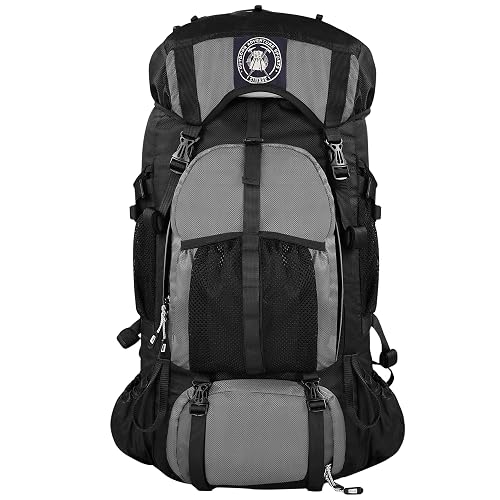
Expedition 58L Internal Frame Hiking Backpack for Men & Women
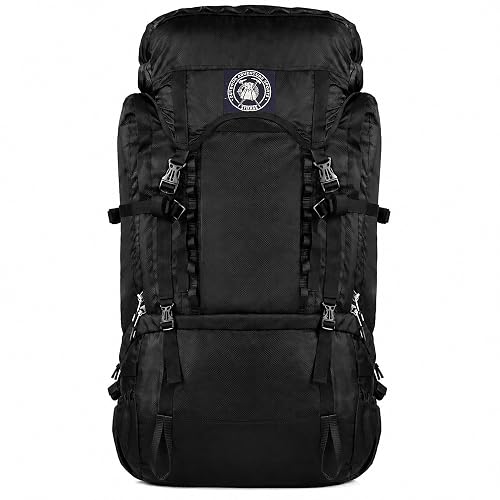
SuperSonik 72L Internal Frame Hiking Backpack for Men & Women

KAVU Original Rope Sling Bag, Water-Resistant Crossbody
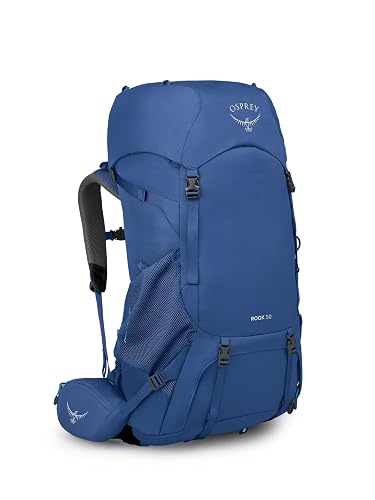
Osprey Rook 50L Men’s Backpacking Backpack, Blue OS
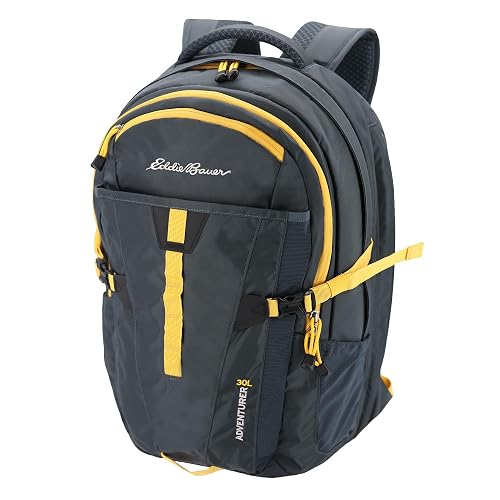
Eddie Bauer Adventurer 30L Backpack with Organization Compartments
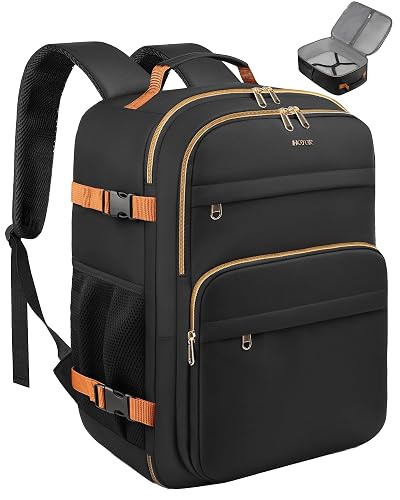
HOTOR Travel Backpack Women Flight Approved Carry on Bag
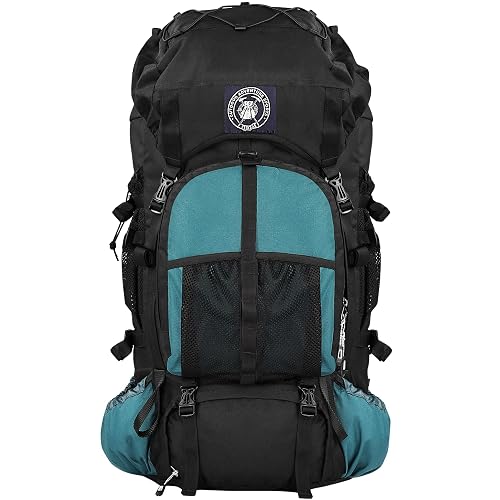
Expedition 80L Internal Frame Hiking Backpack for Men & Women
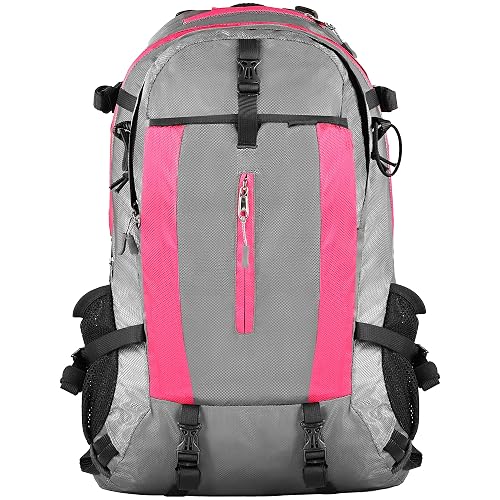
Nomad 30L Lightweight Carry-On Hiking Backpack with Internal Frame
A Deeper Look At The Lineup
The 58L Expedition lands in that sweet spot most weekend hikers actually need, big enough for a tent, sleeping bag, and two days of food, small enough to stay comfortable on shorter routes. The internal frame, supported by twin aluminum rods, takes the heavy lifting off your shoulders and pushes it toward your hips, which matters most on the descent when gravity stops helping you.
An adjustable back system lets you dial in torso length, and the unisex design works across a wide range of body shapes. For most casual hikers building a kit around a single overnight trip, the capacity feels generous without dragging on the trail.
Bright Spots
- Internal frame with twin aluminum rods for load stability
- Adjustable back panel for personalized torso fit
- 58L capacity handles two to three-day trips comfortably
- Unisex sizing works for most body types
Things To Consider
- Owners commonly report the pack runs warm against the back on hot days
- Larger loads make the frame feel rigid without proper packing
Key Specs
Who Will Love This
Weekend hikers and casual backpackers tackling two to three-day routes with a moderate load.
Where Another Pick Suits Better
Thru-hikers carrying a full kit for a week or more get more room from the SuperSonik 72L.
Where the 58L Expedition feels practical, the SuperSonik 72L feels ambitious. The extra capacity swallows a four-season tent, a bear canister, and a week’s worth of freeze-dried meals without forcing you to leave essentials behind. Long-distance trekkers and aspiring thru-hikers tend to gravitate here for the headroom.
The same internal frame approach carries over, with curved geometry and aluminum stays that handle a heavy load. The back panel adjusts across multiple positions, which helps when sharing the pack between differently sized hiking partners. For trips that stretch past a long weekend, the volume makes a real difference.
What Helps Most
- 72L volume supports week-long backcountry trips
- Multi-position adjustable back panel for shared use
- Internal frame spreads heavy loads across the hips
Honest Caveats
- Unfilled bulk makes the pack awkward on day hikes
- Wide profile can catch on brush in tight trails
- Cleaning the deep interior compartments takes more effort than smaller packs
Made For
Backpackers and trekkers planning multi-day routes who need real carrying capacity without moving to expedition-grade volume.
Look Elsewhere When
Day hikers and casual weekend trips will find the Osprey Rook 50L more comfortable and less bulky.
The KAVU Original Rope Sling sits at the opposite end of the hiking pack spectrum. It’s not a backpack at all, technically, but the crossbody design earns a place in any conversation about lifestyle carry for trail-adjacent days. Farmers market mornings, beach boardwalks, and short nature walks all fit naturally.
The water-resistant fabric handles light weather, and the single-strap rotation lets you swing the bag to your front without taking it off. For most users, the appeal is the simplicity, just enough room for a phone, wallet, snack, and a small layer, and nothing more.
What Pays Off
- Single-strap design swings easily from back to front
- Water-resistant fabric handles light rain and splashes
- Compact footprint for travel and everyday errands
Some Limits To Know
- One-strap carry can fatigue the shoulder on longer walks
- Limited capacity excludes it from real hiking duty
Right Fit For
Travelers, festival-goers, and casual walkers who want a hands-free carry for small essentials.
Swap It Out When
Anyone planning actual trail time on dirt and elevation should reach for the Nomad 30L instead.
The Osprey Rook 50L is the kind of pack that quietly does its job. The AirSpeed suspension system uses a tensioned mesh back panel that creates space between your back and the load, which improves airflow on warm climbs. The integrated raincover pulls out from a dedicated pocket, a small but appreciated touch when weather turns.
Osprey fits the Rook 50L into a popular spot in their lineup, accessible enough for newer backpackers without skimping on the suspension that experienced hikers expect. The 50L capacity handles two to three-night trips with room for a bear canister, a real-world win for popular wilderness routes.
Positive Takeaways
- AirSpeed suspension promotes airflow and reduces sweat buildup
- Integrated raincover deploys quickly in storms
- Ladder lock torso adjustment dials in fit for different bodies
Points To Keep In Mind
- Men’s-specific fit may not suit all body types
- 50L capacity limits long-haul trip planning
Feature Snapshot
Who Should Grab It
New and intermediate backpackers who want a refined, well-ventilated pack for moderate multi-day trips.
Reach For A Different Pick When
Thru-hikers and expedition-style travelers will want the larger SuperSonik 72L for added capacity.
The Adventurer 30L earns its name by handling both worlds. The 420D fabric (a denier rating where higher numbers mean thicker, more durable material) with a water-repellent finish shrugs off light rain, and the cooling back panel keeps air moving whether you’re on a trail or cycling across town. Four fleece-lined pockets protect sunglasses, tablets, and other gear that scratches easily.
Where this pack separates from the trail-focused options is the hydration and laptop sleeve. You can slip in a water reservoir for hiking days or a 15-inch laptop for office mornings. For most users splitting time between weekday commutes and weekend trailheads, that dual purpose is the entire appeal.
Notable Gains
- Hydration and laptop sleeve switches between trail and office use
- 420D water-repellent fabric handles light weather
- Fleece-lined pockets protect fragile gear
- Cooling back panel helps on warm days
Trade Offs
- 30L capacity rules out overnight backpacking
- Hybrid design means no heavy-load frame for technical terrain
Whose Shelf It Belongs On
Commuters and day hikers who want a single pack for office mornings and weekend trailheads.
Consider Something Else When
Overnight backpackers will get more range from the Expedition 58L.
The HOTOR Travel Backpack lives in the overlap between luggage and lifestyle pack. Carry-on sizing means it slides under most airline seats without forcing you to gate-check, which matters when you land and need to move quickly. The structured layout works well for travelers organizing clothes, electronics, and travel documents in separate compartments.
For day hikes on trips, the pack has enough structure to handle a short trail without folding awkwardly under load. The main trade-off is that it’s not built as a technical hiking pack, so pushing it onto rough terrain with heavy gear will stress the seams over time.
Features That Help
- Carry-on sizing fits most airline overhead and under-seat requirements
- Organized interior compartments simplify travel packing
- Structured build holds shape during airport handling
Worth Noting
- Not designed for technical hiking with heavy loads
- Compression straps limited compared to true hiking packs
Quick Facts
Best Suited To
Frequent travelers and digital nomads who want one pack for flights, hotels, and casual day hikes.
A Better Fit Elsewhere
Dedicated day hikers will appreciate the trail-ready construction of the Nomad 30L more.
The Expedition 80L pushes into serious territory. This is the pack for week-plus wilderness routes, winter mountaineering, or any trip where you need to carry group shelter, extra food, and full cold-weather layers. Compared to the 58L version, the extra 22 liters feels like an entirely different category of pack.
The internal frame still uses twin aluminum rods, and the adjustable back system helps manage the bulk across different body sizes. For most users, 80L is overkill for weekends, but for hunters, winter campers, and long-distance trekkers, the capacity is the entire point of buying it.
What Stands Out
- 80L capacity supports extended winter and expedition trips
- Internal frame maintains load distribution at heavy weights
- Adjustable back system fits various torso lengths
Honest Caveats
- Excessive for anything shorter than a five-day trip
- Large dimensions can be cumbersome on narrow switchbacks
Built With In Mind
Winter campers, hunters, and expedition trekkers carrying bulky cold-weather gear across multi-week routes.
Skip It When
Weekend hikers will find the 58L Expedition far more practical and comfortable.
The Nomad 30L does something unusual for a small pack: it includes an internal frame with twin aluminum rods, a feature you usually find in packs twice its size. That structure makes a real difference on day hikes with a heavy load, like a photography kit, climbing rope, or a full day of food and water.
The trail-to-travel design uses carry-on compliant dimensions and a padded laptop sleeve that doubles as a hydration reservoir pocket. For users who fly into a destination and head straight to the trail, the hybrid build removes the need to own a separate travel pack.
A Favorable Mix
- Internal frame with aluminum rods rare at 30L
- Carry-on compliant size for plane-friendly travel
- Laptop sleeve doubles as hydration reservoir pocket
Points To Note
- 30L capacity excludes overnight backpacking
- Smaller pack can feel tight with bulkier winter layers
Feature Card
Perfect Match For
Day hikers and travelers who want frame support in a compact, plane-friendly pack.
Not Your Match When
Office-first commuters needing more laptop storage should look at the Eddie Bauer Adventurer 30L.
What To Weigh Before Choosing A Lifestyle Hiking Backpack
Capacity should follow your longest trip, not your shortest. A 30L pack handles day hikes and quick overnights beautifully, but forces brutal gear Tetris for anything longer. A 58L to 72L pack gives breathing room for multi-day routes, while 80L serves winter trips and expeditions where bulk adds up fast.
Frame presence matters more than people expect. An internal frame with aluminum stays transfers weight to your hips and makes a 30-pound load feel manageable. Frameless packs save weight, but your shoulders pay the price on longer days.
Suspension and fit affect every step. Adjustable torso systems, padded hip belts, and breathable back panels turn a pack from tolerable to genuinely comfortable. Hot climates benefit from mesh suspension systems that promote airflow, while cold-weather users often prefer padded contact for warmth against the back.
Hybrid features decide how many bags you own. A pack with a padded laptop sleeve pulls double duty for travel and office days. One with a hydration-compatible sleeve serves trail and gym sessions. Choosing a pack that handles two or three real use cases usually beats buying three specialized packs over time.
Smart Spending And Common Slip-Ups
Where Shoppers Go Wrong
Many shoppers pick capacity based on what they want to carry, not what they need to carry. A first overnight trip rarely needs more than 50 to 60 liters, and overestimating leads to an overstuffed, unbalanced pack on the trail.
Others prioritize weight and ignore fit. A two-pound pack that doesn’t sit on your hips correctly will feel heavier than a four-pound pack that does. Fit always wins over grams.
Skipping the raincover is another frequent miss. Even water-resistant fabric struggles in sustained downpours, and an integrated or packable raincover protects electronics, sleeping bags, and layers when weather turns.
What The Higher Tier Buys
Premium packs earn their place through better suspension, lighter materials, and longer warranties. The aluminum frame rods in a higher-tier pack flex correctly under load instead of bowing, and the hip belts distribute pressure across a wider contact area.
The upgrade makes sense once you’re carrying heavier loads regularly or hiking in conditions where pack failure has real consequences. For casual weekend use, mid-range options cover the bases without overspending. For multi-day routes with technical terrain, the suspension and frame quality on premium packs become safety equipment rather than luxury features.
Frequently Asked Questions
What size backpack do I need for day hiking?
A 20 to 30 liter pack handles most day hikes with room for water, food, layers, and small essentials. The Nomad 30L and Eddie Bauer Adventurer 30L both sit in this range with enough structure for loaded day outings.
Can a 50 liter pack work for backpacking?
A 50 liter pack works for two to three-night trips when you pack carefully and use a compact tent. The Osprey Rook 50L is a common entry point for this trip length, though longer routes usually push you toward 60L or more.
Are internal frame backpacks better than frameless?
Internal frame packs carry heavier loads more comfortably and stand upright when set down, which makes them easier to load. Frameless packs are lighter and pack down smaller, but fatigue the shoulders faster on long days with significant weight.
How do I clean a hiking backpack?
Empty every pocket, turn the pack inside out where possible, and hand wash with mild soap and lukewarm water. Air dry completely before storage to prevent mildew, and avoid machine dryers that can damage coatings and frame materials.
What is the difference between a hiking backpack and a travel backpack?
Hiking backpacks prioritize suspension, frame support, and trail-friendly features like hip belts and compression straps. Travel backpacks favor organization, laptop sleeves, and carry-on compliance over technical load carrying. Hybrid packs blend both approaches for users who move between worlds.
The Takeaway
The right lifestyle hiking backpack matches your longest typical trip, not your dream expedition. Day hikers and commuters will feel at home in the 30L options, while weekend backpackers benefit from the 50 to 60L range. Multi-day trekkers and winter campers need the 70L+ capacity that dedicated expedition packs provide.
Start with capacity, then check fit, then look at the features that support your real use cases. A pack you actually carry on every trip beats a technically perfect pack that sits in the closet because it’s too bulky for daily use.