
A light drizzle has ended more hikes than steep terrain. The right shell keeps your shoulders dry, your core temperature steady, and your pack weight manageable, so the trail stays fun instead of miserable. You’ll find picks here built for everything from quick weekend loops to longer backcountry outings, with real attention to fit, fabric, and how each one actually feels to wear mile after mile.
Your Options, Compared
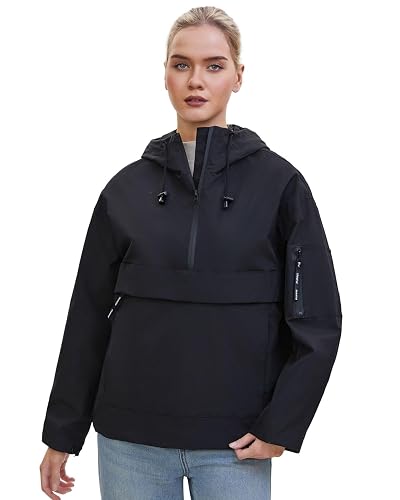
PUFFIT Rain Jacket Women, Lightweight Anorak Pullover
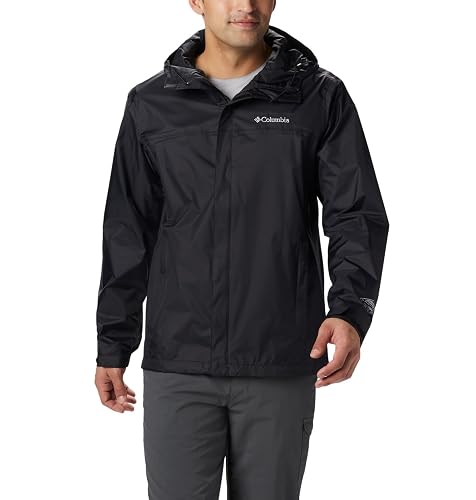
Columbia Men’s Watertight II Rain Jacket
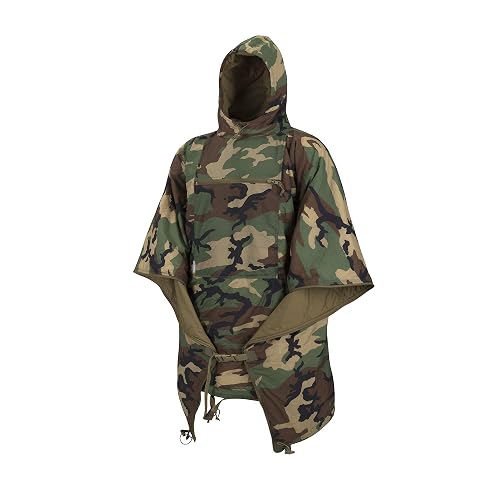
Helikon-Tex Swagman Roll Poncho
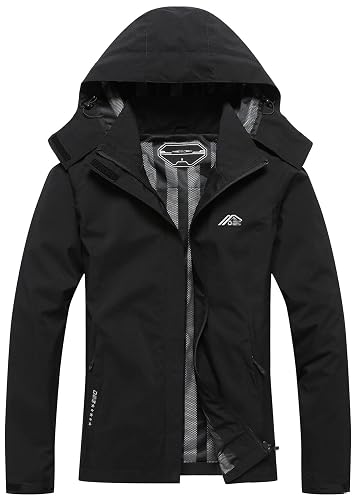
DECKTIN Women’s Waterproof Raincoat with Detachable Hood
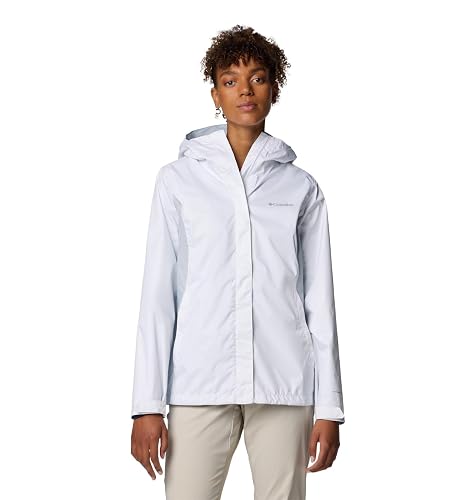
Columbia Women’s Arcadia II Jacket

Men’s Hooded Softshell Jacket with Vent Zippers
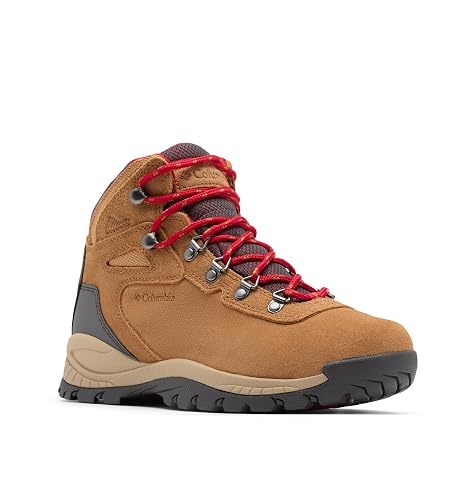
Columbia Women’s Newton Ridge Plus Waterproof Hiking Boot
Inside Each Recommended Option
The PUFFIT anorak is the kind of layer that lives at the bottom of a daypack, then gets hauled out the moment a front rolls in. The pullover silhouette (a half-zip design that slips on over the head rather than zipping all the way down the front) keeps the cut simple and the weight down, which suits hikers who’d rather carry ounces than features they won’t use.
For a casual trail or a long walk in misty coastal weather, it handles light precipitation without turning into a sauna. Runners logging easy miles appreciate the roomy hood, and travelers tucking it into a carry-on will find it folds nearly flat.
What Helps Most
- The pullover build trims weight and bulk, so it packs into a small stuff pocket when the sun comes back out.
- A roomy hood seals out wind and drizzle without feeling restrictive around the face.
- Layering is easy over a fleece or thermal on shoulder-season hikes.
- The anorak styling works for coffee stops after the trail without screaming “technical gear.”
- Owners commonly find it comfortable for travel days where weather shifts without warning.
Things To Consider
- The half-zip entry takes some getting used to if you tend to layer on and off at every break.
- You may want a more technical shell for sustained downpours on exposed ridgelines.
Who It Suits Best
Casual hikers and travelers who want a featherlight shell for drizzly walks and weekend trips.
Where Another Pick Suits Better
The Columbia Men’s Watertight II Rain Jacket is a smarter grab for hikers who expect all-day rain rather than passing showers.
The Columbia Watertight II takes the opposite approach from the PUFFIT anorak: it commits to full waterproofing rather than just water resistance. The fabric carries a waterproof-breathable membrane (a thin layer that blocks rain from entering while letting sweat vapor escape) paired with fully seam-sealed construction, where every stitched joint is covered with waterproof tape, so the jacket keeps working when weather gets serious.
On wet Pacific Northwest day hikes or storm-watch trips, that extra protection pays off. Inside, a fine mesh lining sits softly against base layers, which matters when temperatures drop mid-route. Compared to softshell options, this one feels more rain armor than breathable second skin.
Practical Pluses
- Seam-sealed seams and a waterproof-breathable membrane keep steady rain out without turning the interior into a sweat lodge.
- Multiple color options make it easy to find a style that fits your trail kit.
- The mesh inner lining adds comfort on chilly days when you need to keep moving.
Worth Noting
- It runs a bit warmer than ultralight anoraks, so high-output hikers may overheat on climbs.
- Some owners report the hood needs cinching to stay put in strong wind.
Feature Snapshot
Made For
Hikers who deal with real rain, not just mist, and want one shell that handles it all.
Not Your Match When
The PUFFIT anorak is a better travel companion when pack size and weight matter more than all-day waterproofing.
The Helikon-Tex Swagman Roll is the odd one out in this lineup, and that’s exactly why it earns a spot. It pulls double duty as a poncho, a snap-off groundsheet, and a quilted “woobie” layer (military slang for a soft, insulating blanket), so it solves several problems at once for backpackers carrying limited space.
Campers who wake up to damp mornings, hammock sleepers, and emergency-prep folks appreciate how it spreads flat as a shelter layer and then rolls up tight. For a fast-and-light weekend, you can leave the dedicated blanket at home.
Real-World Strengths
- Three-in-one design replaces a poncho, a blanket, and a bivy cover in your pack.
- Quilted construction adds warmth on cold, wet evenings at camp.
- Rolls compactly into a stuff sack for tight pack loads.
- Handy in emergency kits where weight and versatility both matter.
Honest Caveats
- It isn’t a tailored hiking jacket, so active movement on steep terrain feels loose.
- Cleaning the quilted fabric takes more care than a smooth shell, since it holds onto dust and debris.
Best Suited To
Backpackers, hammock campers, and emergency kit builders who want one piece that covers rain, warmth, and shelter.
Skip It When
The Columbia Men’s Watertight II Rain Jacket is a better fit for hikers who want proper sleeves and active rain protection on trail.
DECKTIN leans into versatility with a removable hood and a waterproof shell that’s happy in both trail and city settings. Travelers who hop between airports, trains, and trailheads find that flexibility useful, since the jacket adapts without needing a second layer in the bag.
Compared to the PUFFIT anorak, this one is more of a traditional zip-front coat with a cleaner silhouette. The detachable hood means you can switch from a brisk hike look to a more streamlined travel outfit in seconds.
What It Does Well
- The detachable hood lets you switch between rain-ready and low-profile styling on the fly.
- Waterproof construction handles light-to-moderate rain without soaking through.
- The cut layers cleanly over a hoodie or mid-weight fleece on cool mornings.
- Travelers appreciate the pack-flat fabric that doesn’t fight you in a suitcase.
Points To Note
- In a heavy downpour, the seams may need reproofing (a fresh coat of durable water repellent spray) sooner than premium shells.
- The zip-front design adds a little weight compared to a pullover anorak.
Feature Card
Who Will Love This
Travelers and commuters who want one rain layer that works from trailhead to city street.
Look Elsewhere When
The Columbia Women’s Arcadia II Jacket is a stronger trail-first pick for dedicated hikers who log weekly miles.
Columbia’s Arcadia II has long been a quiet workhorse in the women’s rain-shell category, and the refreshed version keeps that reputation intact. Built around a 100% nylon face fabric, the jacket delivers waterproof-breathable protection in a package light enough for shoulder-season day hikes.
It’s a sensible middle ground between ultralight anoraks and heavier storm shells. The cut leaves room for a base layer or a thin fleece underneath, which matters when you’re starting a trail at dawn and finishing in afternoon sun. Compared to the DECKTIN option, the Arcadia is more trail-focused and less fashion-leaning.
The Helpful Details
- Waterproof-breathable construction keeps rain out while letting perspiration escape on uphills.
- The nylon face fabric sheds drizzle and resists light abrasion from pack straps.
- A relaxed cut layers over a fleece without bunching at the elbows or shoulders.
Small Caveats
- It packs down reasonably well, but not as small as a dedicated ultralight anorak.
- Ventilation is decent rather than aggressive, so hot, humid climbs may feel clammy.
Spec Overview
Perfect Match For
Recreational hikers who want a dependable, all-season shell that works on trail and off.
A Better Fit Elsewhere
The EDWEESH softshell is the better match for high-output hikers who run hot on climbs.
The EDWEESH softshell takes a different angle from the rest of this list. Softshell fabric (a stretchier, more breathable woven material compared to a hard rain shell) prioritizes airflow and mobility over outright waterproofing, so it’s a stronger pick for hikers who sweat hard and rarely face prolonged downpours.
The standout feature is the pair of vent zippers running under the arms, which let you dump heat fast without shrugging out of the layer entirely. For shoulder-season trail work, ridge walks, and fastpacking, that matters more than tape-sealed seams.
Useful Highlights
- Underarm vent zippers release heat in seconds when the grade steepens.
- The water-resistant finish handles drizzle and morning dew without absorbing.
- Windproof construction blocks cold gusts on exposed ridgelines.
- Breathable fabric reduces that sticky, clammy feel during high-output movement.
A Few Limitations
- It’s water-resistant rather than fully waterproof, so steady rain will eventually soak through.
- It runs warmer than a true rain shell, which can be too much on calm, mild days.
Quick Facts
Who Should Grab It
Active hikers and fastpackers who log high-output miles in mixed weather.
Reach For A Different Pick When
The Columbia Men’s Watertight II Rain Jacket handles genuine storms better, especially for hikers who often walk in steady rain.
The Newton Ridge Plus isn’t a jacket, and that’s the point. Wet feet end a hike faster than wet shoulders, so pairing your shell with waterproof footwear is what keeps a light-rain day from turning miserable. This boot slots in as the lower-half answer to every shell above it.
Built for female hikers who want one boot that handles rough trails, creek crossings, and sloppy spring conditions, it bridges casual and serious. Compared to trail runners, you trade a bit of weight for waterproof security on unpredictable terrain.
A Few Highlights
- Waterproof construction keeps feet dry through shallow stream crossings and muddy stretches.
- Built for the specific fit demands of women’s hiking, which often differs from scaled-down men’s versions.
- Durable build holds up to rocky, rooted, and abrasive trail surfaces.
Points To Keep In Mind
- It runs heavier than a trail-running shoe, which matters on fast-paced days.
- Break-in time is typical for a leather-style hiking boot, so plan a short shakedown walk before a big trip.
Feature Snapshot
Whose Shelf It Belongs On
Hikers who regularly deal with wet, muddy trails and want a confident, supportive boot to pair with their rain shell.
Swap It Out When
The Columbia Women’s Arcadia II Jacket is a better top-layer fit for hikers who mostly walk dry terrain and only need occasional rain protection.
Choosing a Shell That Actually Keeps You Dry
The right rain layer comes down to how and where you hike, more than brand loyalty. Fabric technology, fit, weight, and ventilation all change the way a shell feels on the trail, and skipping any of those details often leads to a jacket that ends up tied around your waist by mile three.
Waterproofing vs. Water Resistance Waterproof jackets use a membrane plus fully taped seams, so the fabric itself stops water from passing through. Water-resistant shells shed light drizzle but soak through in a real downpour, which is fine for short walks and bad for storm-prone ridges. Hikers walking wet climates should default to fully waterproof construction, while those in dry regions can save weight with a water-resistant layer.
Breathability and Venting A waterproof-breathable membrane (a thin layer that blocks rain while letting sweat vapor escape) only works if it can move moisture, and on hard climbs, no membrane keeps up with hard effort. Pit zips, back vents, and softshell panels help dump heat before that internal moisture condenses and chills you. Runners and fastpackers will value venting far more than casual walkers will.
Weight, Packability, and Fit An ultralight anorak disappears in a pack but feels constrictive over thick layers. A roomier cut handles layering but packs larger and weighs more. Try to match the jacket to your usual layering system, since a shell that fights your fleece or puffy becomes annoying fast.
Footwear and the Full System A rain jacket only solves half the problem. Wet feet cool your whole body and turn a pleasant drizzle into a miserable day. A waterproof hiking boot or trail shoe completes the system, especially on creek-heavy routes where puddles are unavoidable. Matching your top and bottom layers to the same weather profile is what keeps a light-rain hike fun.
Common Traps Shoppers Fall Into
Mistakes Worth Dodging The biggest mistake is buying a “waterproof” jacket that’s actually only water-resistant. Marketing language gets blurry, and water-resistant fabrics feel dry in the store but soak through fast on trail. Another trap is choosing the wrong size, since a shell that’s too tight won’t layer, and one that’s too loose flaps in the wind and traps cold air.
Where Shoppers Go Wrong Some shoppers ignore ventilation entirely, then blame the jacket for feeling clammy. Pit zips, mesh-lined backs, and softshell panels aren’t luxury features; they’re how a waterproof shell actually breathes on uphill grades. Footwear mistakes show up just as often, with people buying stiff mountaineering boots for day hikes or trail runners for wet, rocky terrain.
Frequently Asked Questions
Do I really need a waterproof jacket, or will water-resistant do? A water-resistant shell handles light mist and short drizzles, but anything beyond an hour of steady rain calls for fully waterproof construction with taped seams.
How important is breathability in a rain shell? Very. A waterproof jacket that can’t vent traps sweat, which then cools against your skin and feels colder than wearing no shell at all.
Can I use a softshell for hiking in the rain? Softshells are great for wind and light drizzle, but they soak through in real storms. Pair one with a packable waterproof layer for full coverage.
Should rain jackets fit loose or snug? Loose enough to layer over a fleece, but not so loose that wind whistles through. Try the jacket on with the layers you actually hike in before deciding.
How do I care for a rain jacket to keep it waterproof? Wash it with a technical cleaner rather than regular detergent, since soap residue clogs membranes. Reapply a durable water-repellent spray when water stops beading on the surface.
Closing Verdict
A good rain shell fades into the background of a hike, doing its job without complaint. The best pick depends on your climate, effort level, and how much you layer, but any of these options will keep a drizzly trail day comfortable. Match the jacket to your typical weather, not the worst day you can imagine, and you’ll reach for it often enough to justify the space in your pack.