
Day hikers and weekend trekkers want footwear that disappears on the foot, grips loose terrain, and shrugs off stream crossings without weighing down every mile. The right pair turns a rocky descent into a confident stride and saves your ankles from gravel fatigue. This list rounds up ten of the most capable options currently on the retailer, spanning waterproof boots, retro sneakers, and aggressive trail runners.
A Side-By-Side Look
A Side-By-Side Look
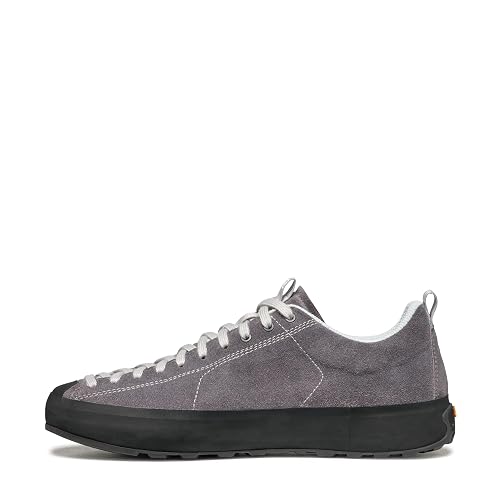
SCARPA Mojito Wrap Walking Shoes
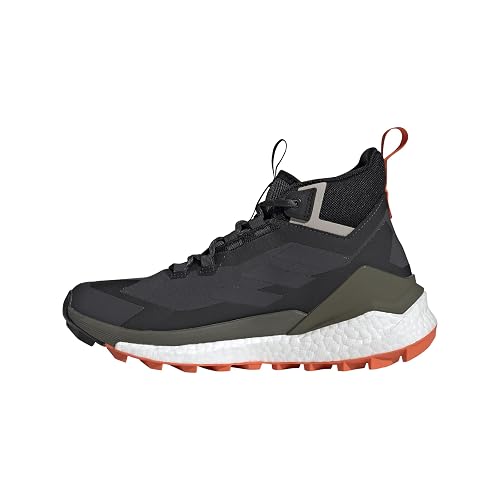
adidas Terrex Trailmaker 2.0 Mid GTX

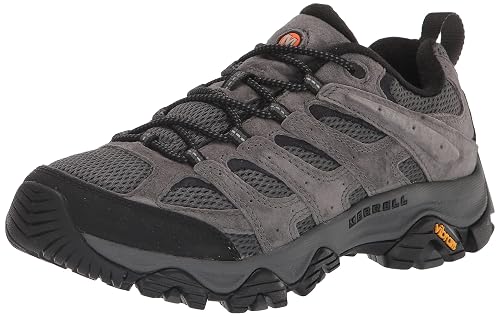
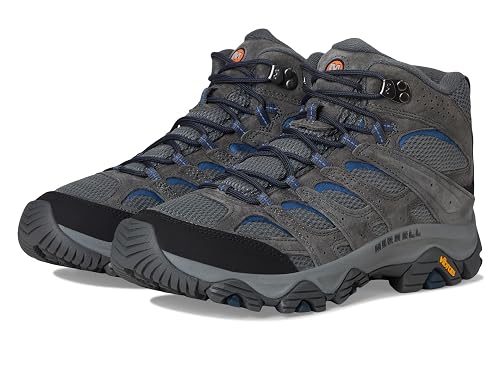
Merrell Moab 3 Mid Hiking Boot
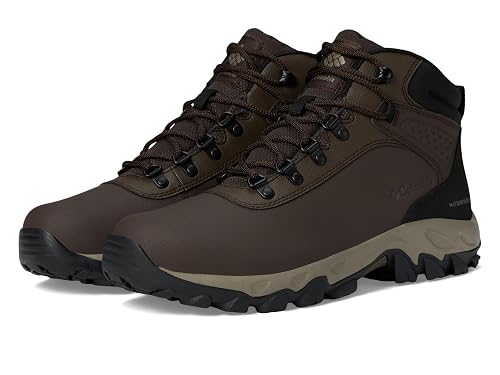
Columbia Newton Explorer
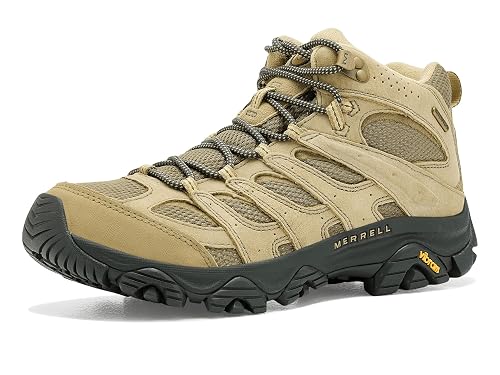
Merrell Moab 3 Mid Waterproof
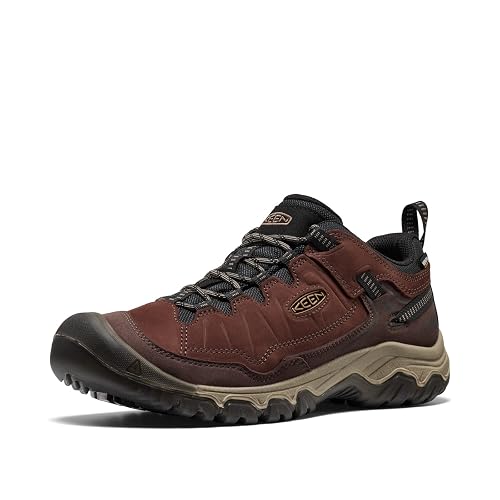
KEEN Targhee 4 Low Waterproof

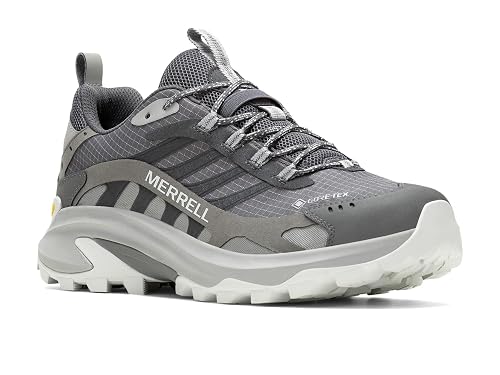
Merrell Moab Speed 2 GTX
The Picks, Examined More Closely
SCARPA built the Mojito Wrap for trekkers who hop between pavement and dirt trail in a single afternoon. Its suede-and-mesh upper borrows from the brand’s approach shoe heritage, giving it a low, sock-like profile that flatters casual outfits and disappears on the foot during long walks. The wrap-style closure delivers an even, hug-like fit across the instep.
Where this shoe really earns its slot is in that crossover comfort: you can wear it on a trail-to-cafe day and never feel out of place. Climbers and scramblers sometimes use a similar silhouette for gym sessions and easy multipitch approaches, which tells you something about the grip and sensitivity on offer.
Notable Upsides
- Low-cut construction feels nimble on stairs, ladders, and rocky ground.
- Suede and textile upper breaks in quickly and conforms to the foot within a few outings.
- Versatile profile that handles cafes, travel days, and short trail loops equally well.
- Lightweight feel reduces fatigue on long sightseeing walks.
Things To Consider
- No listed waterproof membrane, so wet grass and puddles will soak through.
- Suède panels require routine cleaning to keep trail grime from setting in.
Who Should Grab It
Travelers and urban explorers who want one shoe that walks city blocks and gravel paths without a swap.
Where Another Pick Suits Better
For serious trail mileage on wet ground, the adidas Terrex Trailmaker 2.0 Mid GTX offers a waterproof build better suited to stream-heavy routes.
The Terrex Trailmaker 2.0 Mid pairs BOOST foam, an energy-returning midsole material that compresses and bounces back with each footstrike, with a GORE-TEX waterproof membrane, a thin waterproof layer bonded inside the shoe that blocks rain while letting vapor escape. Together they address the two biggest complaints on long wet hikes: soggy socks and tired legs. The mid-cut collar adds ankle security without moving into full boot territory.
Compared with the SCARPA covered above, this adidas is built for harsher conditions. The soft, supportive upper wraps the foot snugly, while the contoured midsole keeps every step cushioned over uneven ground. It’s designed to keep you moving on hikes long and short.
Good Reasons To Consider
- GORE-TEX liner blocks water from stream crossings and rainstorms while venting perspiration.
- BOOST midsole returns energy step after step, easing fatigue on long ascents.
- Mid-top collar stabilizes the ankle when carrying a loaded pack.
- Lightweight construction keeps the shoe agile despite its supportive build.
Honest Caveats
- Waterproof membranes trap heat, so summer desert use gets uncomfortable fast.
- Imported construction means replacement insoles may be tricky to source.
- The mid-cut height can feel stiff during the first few hikes before break in.
Built With In Mind
Wet-weather trekkers and thru-hikers tackling multi-day routes with reliable stream crossings and mountain weather.
Look Elsewhere When
Shoppers chasing a lighter, more breathable summer shoe should consider the KEEN KS86 Retro Sneakers for dry trails and casual wear.
The Speedcross 6 sits in a different lane: trail running rather than casual trekking. Its aggressive lugs, deep rubber teeth on the outsole that bite into soft ground, and lightweight chassis make it the choice for runners who want hiking-shoe traction with running-shoe speed. The redesigned upper sheds weight while keeping the foothold snug across the midfoot.
This is the pick when your “trek” includes steep climbs, slippery descents, and muddy creek beds. Salomon engineered the outsole pattern to evacuate mud fast, meaning the lugs don’t pack up and turn into slippery platforms after a few steps.
A Few Strong Suits
- Deep, widely spaced lugs grip mud, wet grass, and loose scree confidently.
- Lightweight build suits runners logging long distances on trails.
- Quicklace system tightens the fit with a single pull.
- Updated upper reduces weight without sacrificing foot lockdown.
Worth Bearing In Mind
- Aggressive lugs wear faster on pavement than flatter outsoles do.
- Narrower fit may squeeze wide feet over time.
The Right Fit
Trail runners and fast-paced trekkers who want athletic speed with serious grip on soft, technical terrain.
Swap It Out When
Casual day hikers carrying heavier loads will find the Merrell Moab 3 Hiking Shoe more forgiving and easier to walk in for hours.
The Moab line has earned its reputation by being the shoe most hikers reach for first. Version 3 keeps the roomy fit, supportive insole, and grippy Vibram outsole, a high-traction rubber outsole manufactured by Vibram and used across many premium hiking shoes, that owners have trusted for over a decade. New in this generation are a softer, more cushioned midsole and a slightly grippier outsole pattern that holds better on wet rock.
Where it really shines is the out-of-the-box comfort most users notice from the first wear. Newcomers to hiking often start here because the forgiving toe box accommodates wider feet, and the lacing system cinches evenly across the instep.
What Works In Its Favor
- Roomy toe box suits hikers with wider feet or those who want sock layering room.
- Vibram outsole grips reliably on dirt, gravel, and wet rock.
- Cushioned midsole softens impact on rocky trails and long mileage days.
- Tried-and-true lacing system lets you fine-tune fit across the forefoot and ankle.
Some Limits To Know
- Stock insole is supportive but breaks down faster than aftermarket replacements.
- Sizing runs slightly short for some users, so trying on or measuring matters.
Best Suited To
First-time hikers and casual trekkers who want a comfortable, versatile shoe that handles a wide range of trail conditions.
Not Your Match When
Runners chasing speed on technical terrain will find the Salomon Speedcross 6 a more agile match for their needs.
The mid-cut Moab 3 takes everything the low version does well and adds ankle coverage. That extra height matters on uneven terrain, loose scree, or when carrying a backpack that shifts your center of gravity. The shaft wraps comfortably without the stiff, clunky feel of a traditional backpacking boot.
For hikers who want more support than a low-cut shoe offers but don’t need a full mountaineering, the Moab 3 Mid sits in a useful middle zone. Compared with the Salomon Speedcross above, this Merrell trades agility for stability and load-carrying comfort.
The Value In It
- Mid-cut collar stabilizes the ankle on uneven terrain and loose gravel.
- Same proven Vibram outsole as the low version for reliable traction.
- Cushioned midsole reduces foot fatigue during multi-hour treks.
- Reasonable weight for a mid-cut boot keeps it walkable.
Trade-Offs To Consider
- Higher shaft can feel hot in warm weather.
- Break-in period around the collar is common during the first few hikes.
Whose Shelf It Belongs On
Ankle-conscious hikers and backpackers carrying moderate loads on trails with uneven footing.
Reach For A Different Pick When
Shoppers wanting breathable summer wear for dry trails will prefer the lower-profile KEEN KS86 Retro Sneakers.
Columbia leans on two proprietary systems in the Newton Explorer. The Techlite midsole is a lightweight foam platform that delivers long-lasting cushioning and high energy return for less fatigue on long days. Paired with the Omni-Tech waterproof-breathable bootie, it keeps rain and puddles out while letting perspiration vapor escape.
The result is a comfortable hiker with a refined upper, with a waterproof leather build, that works as well on rainy day hikes as it does on damp camp mornings. It’s the most weather-ready shoe on this list without moving into heavy-duty boot territory.
What It Does Well
- Waterproof leather upper repels rain and stream splash effectively.
- Techlite midsole provides high energy return for reduced fatigue.
- Supportive cushioning handles long days without bottoming out.
- Durable construction holds up to repeated trail use.
Possible Compromises
- Leather upper requires occasional conditioning to stay supple.
- Heavier than mesh-based hiking shoes over the same mileage.
Made For
Long-distance trekkers who hike in damp climates and want lasting comfort across full-day adventures.
A Better Fit Elsewhere
Hikers prioritizing minimal weight over weather sealing should consider the Merrell Moab Speed 2 GTX for faster, athletic-style hiking.
The waterproof version of the Moab 3 Mid closes the gap between comfort and wet-weather performance. It uses the same supportive midsole and grippy Vibram outsole as the standard mid boot but adds a sealed membrane that keeps water out during stream crossings and rainstorms.
For hikers who roam terrain where puddles and morning dew are constant, that membrane pays for itself quickly. The mid-cut height still feels nimble compared with traditional backpacking boots, and the fit breaks in within a couple of hikes.
A Strong Showing
- Waterproof membrane blocks rain, dew, and shallow stream crossings.
- Mid-cut collar provides ankle stability for uneven ground and loaded packs.
- Vibram outsole maintains traction across varied terrain.
- Familiar Moab fit feels comfortable from the first wear.
Factors To Consider
- Waterproofing reduces breathability during hot summer treks.
- Slightly heavier than the non-waterproof Moab 3 Mid.
Perfect Match For
Trekkers facing consistently damp trails who want ankle support and sealed protection in one package.
Where Another Pick Suits Better
Hikers wanting lighter weight and a faster ride for athletic hikes will prefer the Merrell Moab Speed 2 GTX.
KEEN carved out a reputation for roomy toe boxes and durable construction, and the Targhee 4 Low carries both forward. Its direct-attach construction bonds the upper directly to the sole, creating a tight seal that helps the waterproof KEEN dry lining keep moisture out over time.
Where this shoe really earns its slot is with hikers who have given up on narrow-fitting competitors. The wider platform lets toes splay on steep descents, reducing the foot fatigue that comes from compressed footwear.
A Favorable Mix
- Roomy toe box accommodates wider feet and natural toe splay.
- Direct-attach construction increases durability and water resistance.
- KEEN.DRY waterproof lining blocks moisture while venting heat.
- Aggressive lug pattern grips varied trail surfaces.
Potential Drawbacks
- Wider fit may feel loose on narrow-footed hikers without thick socks.
- Heavier than competing low-cut hiking shoes on long mileage days.
Right Fit For
Hikers with wider feet or anyone who wants durable, weather-ready footwear that lasts through years of trail time.
Skip It When
Runners chasing athletic speed will find the Salomon Speedcross 6 a faster, more responsive match.
The KS86 is the wildcard on this list: a retro-styled sneaker built on KEEN’s wider footwear platform with an aggressive tread. It uses recycled mesh or environmentally friendly leather in the upper, depending on the colorway, and pairs that with cushioning that holds up to all-day wear.
It’s the right answer when you want something you can wear to the office, the trailhead, and the brewery afterward without changing shoes. Compared with the SCARPA Mojito Wrap, the KS86 trades climbing-shoe heritage for sustainable materials and a slightly more urban look.
Noteworthy Benefits
- Casual silhouette works for both trail days and everyday wear.
- Recycled mesh and eco-friendly leather options reduce environmental footprint.
- Wider platform suits a broader range of foot shapes.
- All-day cushioning reduces fatigue during long wear sessions.
Worth Noting
- No waterproof membrane, so wet conditions soak through quickly.
- Aggressive tread wears faster on pavement than on trail.
Who Will Love This
Hybrid wearers who split their time between city streets, light trails, and casual weekends.
Consider Something Else When
Trekkers heading into wet terrain should consider the Columbia Newton Explorer for its sealed, weather-ready construction.
The Moab Speed 2 GTX is Merrell’s answer to hikers who want trail-running speed with the trusted Moab name behind it. The Vibram TC5+ outsole, a premium rubber compound formulated specifically for Merrell hiking shoes, grips loose terrain, while the GORE-TEX membrane seals out wet conditions. A redesigned traction lug pattern increases bite on soft ground and rock slabs alike.
Compared with the classic Moab 3 Mid above, this Speed version is lighter, lower, and quicker underfoot, the kind of shoe you reach for when your hike includes distance and pace. It blends the agility of a trail runner with the comfort of a Moab.
Real-World Strengths
- Vibram TC5+ outsole grips varied surfaces reliably.
- GORE-TEX membrane blocks rain and stream splash effectively.
- Athletic platform feels lighter and more responsive than the standard Moab.
- Updated traction lugs bite into loose dirt on climbs.
Where It Is Less Suited
- Lower cut offers less ankle support than the Moab 3 Mid.
- Waterproof membrane reduces breathability during warm hikes.
Made For
Fast-paced hikers and athletic trekkers who want a lightweight, weather-ready shoe for moving quickly through varied terrain.
Where A Sibling Pick Shines
Hikers carrying heavier loads who need more ankle stability will find the Merrell Moab 3 Mid Waterproof a sturdier match.
What Separates A Great Trekking Shoe From A Frustrating One
Fit And Foot Shape
Foot shape matters more than brand loyalty. Wider feet tend to thrive in KEEN’s roomier platforms, while narrow feet often feel locked in by Salomon’s snug midfoot wrap. Try shoes on at the end of the day when feet swell, and wear the socks you actually plan to hike in.
Cushioning And Weight Balance
Higher stack height, the measurement of midsole material between foot and ground, gives longer mileage comfort but adds weight. Trail runners prioritize a low stack and fast turnover, while backpackers usually want more cushion underfoot. Match the platform to your expected mileage and pack weight.
Traction And Outsole Design
Lug depth and spacing determine how a shoe behaves on different surfaces. Aggressive, widely spaced lugs like the Speedcross 6’s evacuate mud and grip loose dirt, but wear quickly on pavement. Flatter, tighter patterns handle mixed terrain and last longer on hard surfaces.
Weather Protection
Waterproof membranes keep feet dry but trap heat. If your hikes tend toward wet climates and stream crossings, that trade-off pays off. In dry, warm terrain, a breathable non-waterproof build breathes better and dries faster after creek dips.
Picking The Right Pair Without Second-Guessing
Where Shoppers Go Wrong
Buying for looks instead of terrain. A retro crossover sneaker won’t survive a wet, rocky canyon, no matter how good it looks with jeans. Match the shoe to the trail you actually walk, not the trail you wish you walked.
Sizing down for “support.” Feet swell on long hikes, and a snug shoe becomes painful by mile six. Leave a thumb’s width at the toe and accept the roominess as insurance against blisters and swelling.
Skipping the break-in. Even comfortable-feeling shoes benefit from a short neighborhood walk before a full day on the trail. That first outing reveals hotspots and lets the upper adapt to your foot.
Where The Extra Money Goes
Premium tiers typically buy upgraded rubber compounds, lighter midsole foam, and tighter waterproof membranes. The Moab Speed 2 GTX’s Vibram TC5+ rubber costs more than entry-level outsoles because it grips better and lasts longer. For casual weekend loops, the extra cost rarely matters. For serious mileage, technical terrain, or wet conditions, the upgrade often pays back in comfort and durability.
Frequently Asked Questions
Do I need waterproof trekking shoes?
Waterproof membranes help in rain, wet grass, and shallow stream crossings. They trap heat, though, so dry-summer hikers often prefer breathable builds for comfort.
How long should trekking shoes last?
Casual use stretches to a year or two, while regular trail use typically wears them down within 600 to 800 miles. Inspect the midsole compression and outsole lugs to gauge remaining life.
Can I use trail running shoes for trekking?
Yes, on most day hikes with light packs. For heavier loads or technical terrain, hiking shoes with stiffer midsoles handle the stress better.
Should I size up for hiking?
Many hikers benefit from a half-size larger than street shoes to account for foot swelling and downhill toe pressure. Trying on at the end of the day gives the most realistic fit.
How do I clean trekking shoes?
Brush off loose dirt, rinse with cool water, and air-dry away from direct heat. Conditioning leather uppers occasionally keeps the material supple and water-resistant.
Closing Remarks
The best trekking shoe is the one matching your feet, your trails, and your tolerance for trade-offs. Lean toward waterproofing for wet climates, roomier fits for wide feet, and athletic builds for fast mileage. Take a short test walk before committing to a long hike, and your feet will thank you for miles to come.