
The right pair of hiking leggings keeps you dry on uphill grinds, warm in cool morning air, and unencumbered when the trail turns scrambly. Stretch, pocket layout, and fabric weight matter far more here than they do for gym leggings, because you’ll cover uneven ground for hours in conditions that change fast. Whether you’re chasing weekend summits or just need one dependable pair for park loops and travel days, this list sorts five solid picks by what they actually do on the trail.
A Side-By-Side Look

baleaf Women’s Lightweight Hiking Pants
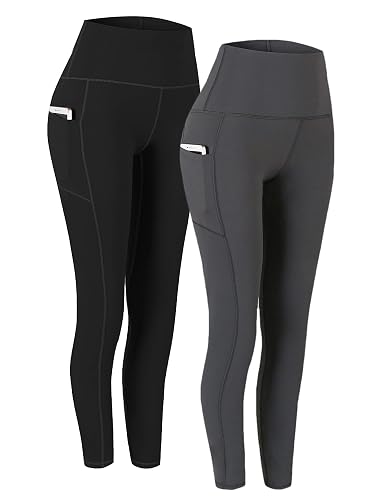
Fengbay 2 Pack High Waist Yoga Pants

IUGA Leggings with 4 Pockets
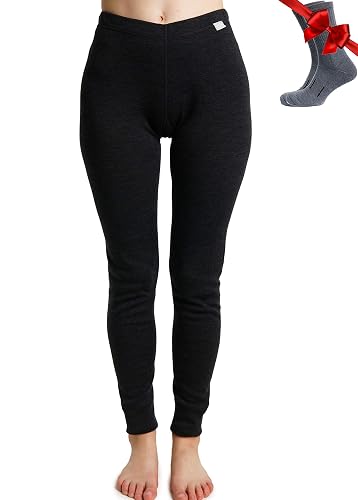
100% Merino Wool Base Layer Women Pants
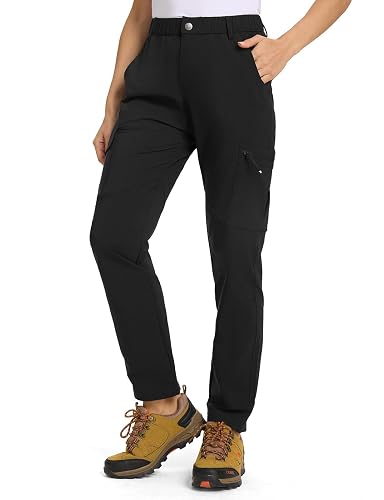
TBMPOY Women’s Hiking Cargo Pants
Taking A Closer Look At The Options
baleaf leans into a trail-first build with this pair, and the pocket layout alone makes it worth a look for hikers who hate a hip belt digging into bare thighs. Five zippered pockets, including two hand pockets and two larger cargo pockets on the thighs, mean your phone, snack, and trail map stay secure without flopping around on steep grades.
The lightweight woven fabric dries quickly after creek crossings and breathes well on warm descents, which is a real upgrade over thicker cotton blends. Compared with the more gym-leaning picks on this list, this one feels closer to a traditional hiking pant with stretch, so it handles brushy sidehill sections and kneeling belay stances without catching.
Positive Points
- Five zippered pockets keep valuables secure on steep or scrambly sections
- Lightweight woven construction breathes well in warm weather
- Quick-drying fabric handles creek splashes and surprise rain
- Trail-friendly cut avoids the gym-legging feel during off-trail movement
Things To Consider
- Lighter fabric can feel slightly sheer in deep bends depending on lighting
- Waist sizing runs closer to standard than compression, so size down for a locked-in feel
Feature Snapshot
Made For
Day hikers and weekend backpackers who want secure pocket storage and trail-specific cut over the second-skin feel of pure yoga leggings.
A Better Fit Elsewhere
Shoppers chasing a softer, gym-to-cafe stretch should look at the IUGA Leggings with 4 Pockets instead.
Two pairs for one low spend changes the math for casual trail walkers who don’t want to baby a single pair through muddy weekends. The high-rise waistband stays put when you’re stepping over roots or doing longer push-ups at the trailhead.
The stretchy knit fabric feels like classic yoga leggings, so they’re at home on paved greenways and mellow forest loops. Compared with the trail-tough baleaf and TBMPOY pairs above, these don’t have the same rip-resistant build, but they handle light trail use comfortably and double as everyday leggings.
Strengths Worth Knowing
- Two pairs included lets you rotate through a wash cycle without a gap day
- High waistband stays in place on climbs and longer strides
- Side pockets handle a phone and a key without bulky seams
Worth Noting
- Knit fabric snags more easily on brushy sidehill sections than woven hiking pants
- Less abrasion resistance for rocky scrambles or kneeling descents
- Color lineup shifts often, so expect the exact shade to vary between orders
Right Fit For
Gentle trail walkers, travelers, and anyone building a starter hiking wardrobe without committing to a higher price tag.
Consider Something Else When
Aggressive terrain with lots of brush calls for the tougher TBMPOY Women’s Hiking Cargo Pants instead.
IUGA sits in that gym-to-trail crossover zone where a single pair handles a morning yoga session and an afternoon park loop without a wardrobe change. The wide, high-rise waistband does the work of a soft tummy control panel without squeezing, which matters on long climbs when a tight waistband turns into a problem.
Four pockets, including two side drop-in pockets and a hidden waistband pocket, cover the basics for carrying a phone, a card, and a key on short hikes. Compared with the Fengbay pair above, this one feels more structured and supportive, while falling short of the trail-specific pocket layout you’ll find on the baleaf and TBMPOY options.
Everyday Wins
- Tummy control waistband smooths the silhouette without harsh compression
- Four pockets handle a phone, a card, and a key for hands-free walks
- Supportive stretch holds shape across yoga, errands, and short hikes
- Wide waistband stays put during longer strides and uphill grades
Trade Offs
- Drop-in side pockets aren’t zippered, so valuables can shift on steep grades
- Knit fabric feels warmer in summer heat than the lightweight woven baleaf pair
Who It Suits Best
Active women who want one pair that flows between yoga, errands, and casual trail days without a full wardrobe swap.
Skip It When
Hikers needing zip-secured storage for rough terrain should look at the baleaf Women’s Lightweight Hiking Pants instead.
Merino wool (a natural fiber known for regulating temperature and resisting odor) earns its spot here for shoulder-season and winter hiking, where synthetic leggings leave you clammy after the first hard climb. These fit closer to thermal underwear than gym leggings, which is exactly the point.
Layer them under shell pants on cold trail days or wear them solo for cool-morning hikes where you need warmth without bulk. Compared with the woven and knit pairs above, this one trades stretch-heavy structure for insulating performance, and it pulls double duty around camp, on the plane, and as sleepwear on overnight trips.
Everyday Advantages
- Merino wool regulates temperature on both cold and cool days
- Odor resistance extends wear between washes on longer trips
- Layering-friendly cut fits cleanly under shell pants and rain pants
- Versatile enough for camp, cabin, and travel days beyond the trail
Room For Improvement
- Merino requires gentler wash cycles and air drying to keep shape
- Limited pocket storage compared with the trail-specific picks above
- Higher cost than the synthetic pairs on this list for a single-layer design
Feature Card
Best Suited To
Cold-weather hikers, shoulder-season trekkers, and campers who want one insulating base layer that handles trail, camp, and travel.
Look Elsewhere When
Warm-weather hikers seeking secure zippered pockets should reach for the TBMPOY Women’s Hiking Cargo Pants instead.
TBMPOY leans cargo-pant on purpose, with six pockets built for the kind of gear shuffling that comes with longer hikes, fishing days, and travel where you skip a daypack. The water-resistant, quick-dry shell shrugs off light rain and seat-soaking trail breaks, which is a meaningful upgrade over knit leggings.
Compared with the lighter baleaf pair above, this one trades a softer hand-feel for harder-wearing weather protection, and the cargo cut gives you more room for layered base layers underneath. For multi-day backpackers, fishing, and travel-leaning hikers, this is the most utility-driven pick on the list.
What Works In Its Favor
- Six pockets handle phone, multitool, snacks, and a folded map with room to spare
- Water-resistant finish sheds light rain and damp seat breaks
- Quick-dry fabric recovers fast after creek splashes
- Relaxed cargo fit layers over a base layer on cooler days
A Few Limitations
- Cargo cut feels looser and less second-skin than the IUGA or Fengbay pairs
- Heavier fabric runs warmer in still summer air
Who Should Grab It
Multi-day backpackers, anglers, and travelers who want maximum pocket storage and weather handling in one pair of pants.
Another Choice May Suit
Shoppers who prefer a closer, stretchier fit for casual trail days should pick the IUGA Leggings with 4 Pockets instead.
Matching Leggings To Your Trail Style
Fabric weight and stretch matter more than color or brand for actual comfort on uneven ground. Woven, lightweight fabrics like the baleaf pair breathe well and dry fast, while knit blends stay soft for yoga and paved greenways but snag easier on brush. For colder trips, merino base layers like the Merino.tech option regulate temperature far better than synthetics, though they ask for gentler care on the wash cycle.
Pocket layout shapes how a pair actually functions on the trail. Zippered thigh and hand pockets keep a phone secure on steep grades, while drop-in side pockets suit flat paved walks. Hikers carrying a hip belt should look for pockets that sit above belt line so the belt doesn’t crush whatever’s inside.
Fit and cut depend on how you hike. Tighter compression-style leggings work for fast, flat trail days and gym crossover, while relaxed cargo cuts like the TBMPOY layer cleanly over base layers and carry more gear. High-rise waistbands help on long climbs because a low-rise pair tends to slide down when you’re leaning forward.
Durability shifts with terrain. Brushy sidehills and rocky scrambles punish thin knits, so woven trail pants earn their keep there. For travel and light loop hikes, softer knits stay more comfortable for full-day wear.
Key Considerations Across These Picks
Where Shoppers Go Wrong
Treating hiking leggings like gym leggings is the most common slip. Trail use demands abrasion resistance, secure pockets, and weather handling that a studio pair rarely delivers. Another trap is skipping the try-on hike: a pair that feels fine at home can rub raw on a six-mile climb, so a short loop before any long trip saves a rough day.
When Paying More Pays Off
Higher-priced picks on a hiking shorts-and-leggings list usually buy real fabric upgrades: better moisture-wicking, stronger pocket construction, and merino fibers that last years with proper care. The upgrade pays off most for hikers who rack up cold mornings, multi-day miles, or frequent wet conditions, where the cheaper pairs tend to wear out or stay damp.
Frequently Asked Questions
Can leggings work for serious hiking or only casual walks?
Leggings work for both, as long as the fabric, pockets, and fit match the terrain. Woven, abrasion-resistant pairs with secure pockets handle multi-day trips, while soft knit styles suit gentler loops and travel days.
How do I pick between yoga leggings and hiking pants?
Look at the trail underfoot and the weather forecast. Knit yoga leggings handle paved greenways and easy dirt paths, but woven hiking pants earn their keep on rocky, brushy, or wet terrain.
Is merino wool worth the higher cost for hiking?
Merino pays off when you hike in shifting temperatures or want fewer wash cycles on long trips. For pure warm-weather day hikes, a synthetic blend often does the same job for less.
Should hiking leggings be tight or loose?
A close, stretchy fit suits fast, flatter movement and layering under shells, while a relaxed cargo cut breathes better in summer heat and carries more gear. Match the fit to your typical trail and weather.
How do I wash and care for hiking leggings without ruining them?
Cold wash cycles, mild detergent, and air drying extend the life of both synthetic and merino pairs. Skip fabric softener on technical fabrics, since it clogs the moisture-wicking fibers over time.
The Takeaway
The best leggings for hiking depend less on brand and more on where and how you actually hike. Match fabric weight and pocket layout to your typical terrain, layer a merino base for cold trips, and save stretchy knits for easy loops and travel days. Pick the pair that suits your most common trail, and it’ll earn its keep trip after trip.