
Wet trails have a way of separating the boots that earn their keep from the ones that soak through by lunch. Day hikers logging weekend miles in the Pacific Northwest, weekend backpackers crossing rain-slicked ridgelines, and casual walkers who refuse to cancel plans over a forecast all share a common need: a boot that sheds water, breathes enough to stay comfortable, and weighs little enough that you forget it’s on your foot. The picks below cover that range of demands, from sub-two-pound low hikers built for speed to mid-cut options that handle rougher terrain without dragging you down.
A Closer Look At The Lineup
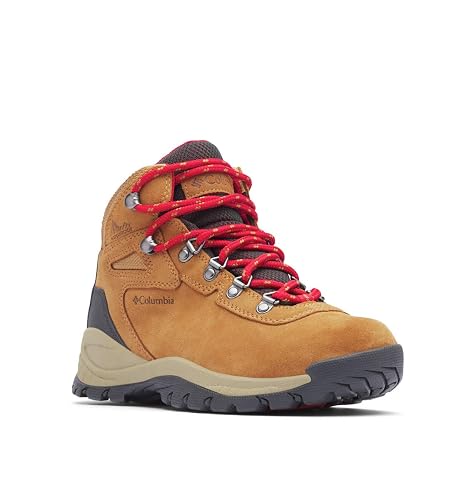
Columbia Women’s Newton Ridge Plus Waterproof Hiking Boot
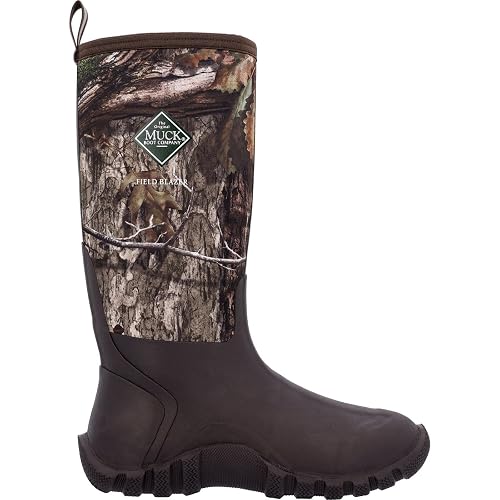
MUCK Men’s Edgewater Classic Mid Boot
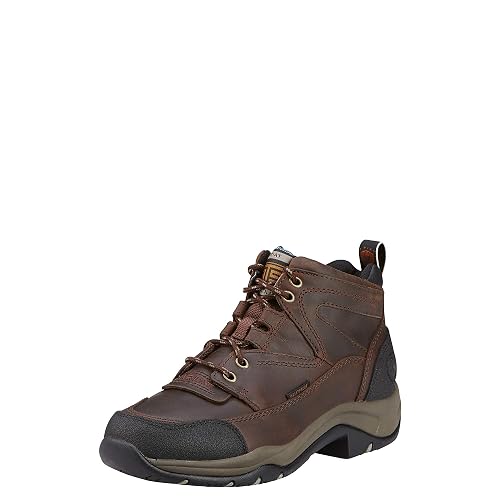
ARIAT Women’s Terrain Waterproof Boots
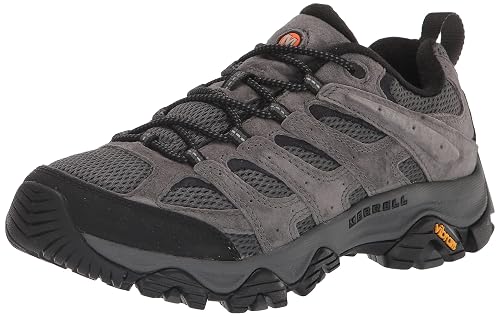
Merrell Men’s Moab 3 Hiking Shoe
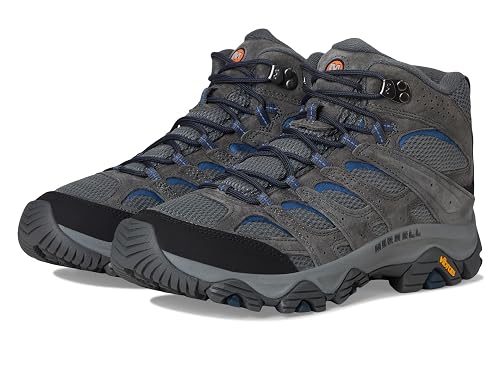
Merrell Men’s Moab 3 Mid Hiking Boot
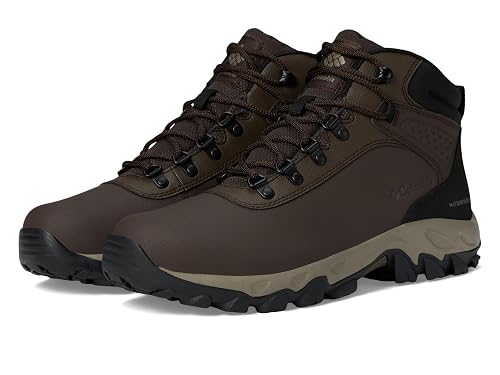
Columbia Newton Explorer
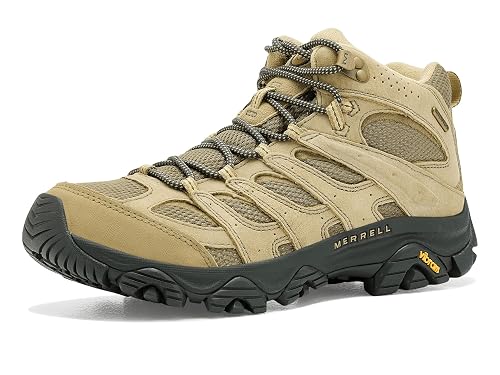
Merrell Men’s Moab 3 Mid Waterproof Hiking Boots
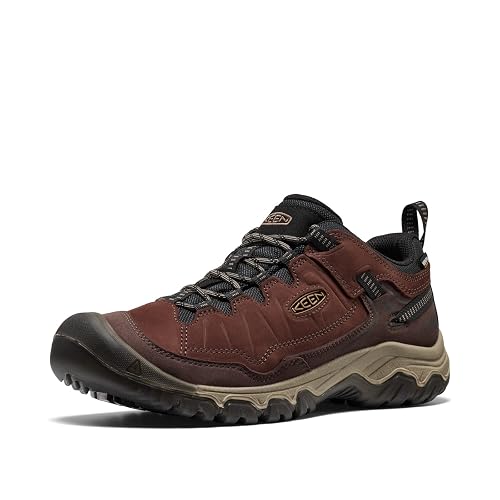
KEEN Men’s Targhee 4 Low Height Waterproof Hiking Shoes

KEEN Men’s KS86 Retro Style Sneakers
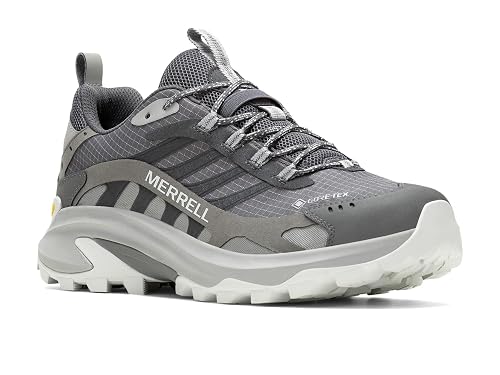
Merrell Moab Speed 2 GTX
A Closer Look At Each Pick
The Newton Ridge Plus sits in that comfortable middle ground between a casual day hiker and a more aggressive backpacking boot. Columbia built it with a waterproof bootie construction (a sealed internal membrane) wrapped in a leather upper, so puddle splashes and morning dew roll off without soaking through. The mid-cut shaft gives your ankle a bit of support when the trail turns rocky, without the stiffness that turns some hikers off mid-height boots entirely.
For weekend hikers who don’t want to overthink their footwear, this is a low-drama option. The traction pattern handles dirt, gravel, and the occasional root staircase without drama, and the boot breaks in comfortably within a few miles of walking. Compared to the MUCK Edgewater ahead, this is a more traditional hiking shoe rather than a full rubber workboot, so it runs cooler but won’t handle deep standing water the same way.
Useful Strengths
- Waterproof membrane keeps feet dry through shallow stream crossings and rain
- Mid-cut collar adds ankle stability on uneven ground
- Lightweight enough for ten-mile days without foot drag
- Leather upper holds up to trail abuse and brush scrapes
Worth Noting
- Not as breathable as mesh hikers, so summer use can feel warm
- Owners commonly report the break-in period runs a few hikes before the toe box relaxes
Quick Facts
Who Will Love This
Weekend hikers tackling mixed-terrain day trips in variable climates who want a no-fuss waterproof boot that handles most conditions competently.
Look Elsewhere When
Hot-weather hikers who prioritize airflow should consider the Columbia Newton Explorer, which trades the leather upper for a lighter, more breathable build.
MUCK built the Edgewater Classic for people who don’t trust a forecast and don’t want soggy feet as a consequence. The neoprene shell (a synthetic rubber known for flexibility and water resistance) runs the full height of the boot, sealing out water from rain, puddles, and shallow wades that would soak right through a traditional hiker. MUCK refreshed the lining package in this version, layering in a comfort-boosting inner that also doubles as a moisture-wicking barrier against sweat.
This is not a fast trail-running boot, and that’s fine. Think of it as the right tool for soggy fieldwork, marsh edges, and damp early-season scouting trips where staying dry matters more than shaving ounces. The traction reads aggressive enough for mud and muck, while the original MUCK last (the foot-shaped mold the boot is built around) keeps the fit consistent with past versions owners already know. Compared to the Columbia Newton Ridge ahead, the Edgewater is heavier and warmer but laughs off conditions that boot would struggle with.
Useful Highlights
- Full neoprene construction makes the boot fully waterproof, not just water-resistant
- Refreshed lining wicks moisture and adds comfort on long days
- Aggressive outsole grips well in mud and soft ground
- Easy to rinse clean after a muddy outing
Trade Offs
- Heavier than traditional hiking boots, so pace hikers may tire faster
- Limited breathability makes warm-weather use uncomfortable for some
Best Suited To
Hunters, anglers, and rural property owners who spend long stretches in wet grass, marsh, or shallow water and need a boot that simply refuses to leak.
Skip It When
Pace-driven hikers covering long distances on established trails will find the Merrell Moab Speed 2 GTX a far better match thanks to its lighter build and athletic feel.
ARIAT pulled its design language from its riding-boot heritage and aimed it at trail duty, and the Terrain H2O shows the lineage. The platform feels stable underfoot, which matters when you’re unloading a heavy pack or stepping off a boulder onto uneven ground. ARIAT built the waterproof layer into the boot structure rather than relying on a spray-on treatment, so the protection holds up through repeated wet outings instead of wearing off after a season.
For day hikers who log serious distance and value underfoot cushioning, this boot earns consideration. The construction leans toward durability, so expect a stiffer ride out of the box that softens with use. Stack it against the Columbia Newton Ridge earlier in this list, and the Terrain tends to feel more planted but a touch heavier.
Everyday Wins
- Stable platform handles uneven ground with confidence
- Built-in waterproof layer holds up through repeated wet outings
- Durable construction suits hikers who rack up serious mileage
- Cushioned interior reduces foot fatigue on long days
Points To Note
- Slightly heavier than low-cut hikers, so pace hikers may want lighter options
- Stiffer out of the box and benefits from a longer break-in
Whose Shelf It Belongs On
Distance hikers who want a planted, supportive ride on varied terrain and don’t mind a slightly heavier boot in exchange for durability.
Swap It Out When
Hot-weather hikers chasing airflow over ankle support will get more from the Merrell Moab 3 Hiking Shoe, which is lighter and more breathable.
The Moab 3 carries the weight of a long reputation. Merrell has iterated this silhouette for years, and version three leans further into comfort than its predecessors. A grippier Vibram outsole (a high-traction rubber compound from the well-known Vibram brand) handles loose rock and roots, while the redesigned insole and softer midsole aim to reduce the hot spots and soreness that show up after mile eight.
For hikers who cover ground quickly and want a low-cut profile, the Moab 3 earns its reputation as a versatile daily driver. It handles easy summit hikes, well-stated state park loops, and dusty canyon trails with the same easy competence. Compared to the mid-cut Moab 3 Mid coming up next, this low-cut version sacrifices some ankle security in exchange for a noticeably lighter, more breathable ride.
Where It Helps
- Lightweight low-cut design moves fast on established trails
- Soft midsole cushions long miles without feeling mushy
- Vibram outsole grips reliably on varied surfaces
- Updated insole improves arch support over earlier versions
Minor Gripes
- Low-cut design offers less ankle protection on uneven ground
Quick Facts
The Right Fit
Active hikers covering big miles on maintained trails who want a comfortable, breathable shoe that disappears on the foot.
Consider Something Else When
Hikers tackling rough or rocky terrain needing more ankle support will get more confidence from the Merrell Moab 3 Mid Hiking Boot just ahead in this list.
The Moab 3 Mid takes everything the low-cut Moab 3 does well and adds ankle coverage for tougher terrain. The mid-cut collar wraps the ankle without the stiff, restrictive feel that plagues some boots in this category, and the same updated insole and cushioned midsole carry over from its sibling. That makes this boot a natural fit for hikers who want a single shoe for both casual day hikes and the occasional rougher outing.
The trade-off shows up in weight and breathability. The mid-cut collar adds ounces and reduces airflow, so hikers pushing hard in summer heat may find it warm. Compared to the Columbia Newton Ridge earlier, this boot runs lighter on the foot and offers more refined cushioning, though the Newton Ridge has a more traditional leather aesthetic some hikers prefer.
Features That Help
- Mid-cut collar supports uneven terrain without excessive stiffness
- Vibram outsole handles loose rock and dirt trails reliably
- Updated insole provides noticeably better arch support
Honest Caveats
- Heavier and warmer than the low-cut Moab 3 Hiking Shoe
- Not a fully waterproof membrane, so deep puddles can seep through over time
Perfect Match For
Hikers who want one boot for mixed terrain, from smooth trails to rocky scrambles, without committing to a heavy backpacking model.
A Better Fit Elsewhere
Hikers prioritizing dry feet above all else should look at the Merrell Moab 3 Mid Waterproof Hiking Boots further down this list, which add a full waterproof membrane.
The Newton Explorer is Columbia’s answer for hikers who want waterproof protection without the heat trap of a sealed leather boot. The Techlite midsole (Columbia’s proprietary lightweight foam platform) keeps the weight down and returns energy with each step, while the Omni-Tech waterproof-breathable construction (a layered membrane system that blocks water while letting vapor escape) aims to balance dryness against the sweaty feet that come with full rubber-lined boots. A leather upper with metal hardware gives the boot enough durability to handle trail abuse.
This is the boot for hikers in warm climates who still get rained on. It runs cooler than the Newton Ridge earlier in this list and feels closer to a hiking shoe than a traditional boot. Compared to the Merrell Moab 3 Hiking Shoe, the Explorer trades some of Merrell’s trail-refined outsole grip for a lighter, more casual feel.
The Practical Payoff
- Breathable waterproof construction suits warm-weather hiking
- Lightweight midsole reduces foot fatigue on long days
- Metal hardware adds durability at common wear points
- Lower profile than traditional boots, suits casual trail users
Soft Spots
- Less ankle support than mid-cut boots for rocky terrain
- Owners commonly note the lighter build sacrifices some outsole durability under heavy use
Who Should Grab It
Warm-climate hikers and casual trail walkers who want waterproof protection without the weight and heat of traditional leather boots.
Reach For A Different Pick When
Hikers tackling rocky, uneven trails needing more ankle security will find the Merrell Moab 3 Mid Hiking Boot a safer bet.
The Moab 3 Mid Waterproof takes the mid-cut Moab silhouette and adds the missing piece: a waterproof membrane that holds up through real wet weather. Where the standard Moab 3 Mid can let water seep through during deep puddle crossings or extended rain, this version shuts that gap. You get the same supportive mid-cut collar, cushioned midsole, and Vibram outsole, with a fully waterproof liner stitched into the boot.
For hikers who live in wet climates or hike shoulder seasons with unpredictable weather, this version makes more sense than the non-waterproof Moab 3 Mid. The honest read is that you trade a little breathability for staying dry. Stack it next to the MUCK Edgewater from earlier, and this boot handles technical terrain better but doesn’t laugh off deep water quite as thoroughly.
Practical Pluses
- Full waterproof membrane keeps feet dry through extended wet conditions
- Mid-cut collar provides ankle support on rocky trails
- Vibram outsole grips reliably on varied surfaces
Things To Weigh
- Waterproofing reduces breathability in warm weather
- Slightly heavier than the non-waterproof Moab 3 Mid
Quick Facts
Made For
Wet-climate hikers and shoulder-season trekkers who want the Moab fit and feel with full waterproof protection built in.
Not Your Match When
Hikers working in genuinely wet environments like marshes or stream banks will get more thorough waterproofing from the MUCK Edgewater Classic Mid Boot.
KEEN carved out a following with hikers who needed more toe room than the average boot offered, and the Targhee 4 continues that tradition. The signature wide toe box lets toes splay on uneven ground, which reduces fatigue and hot spots on long days. The fused upper (a heat-bonded construction that eliminates stitched weak points) and direct-attach outsole build (where the outsole is chemically bonded to the upper for a durable, weather-resistant seal) aim to extend the boot’s lifespan beyond what traditional stitched construction delivers.
The KEEN.DRY waterproof membrane (KEEN’s proprietary waterproof-breathable lining) handles rain and stream splashes without turning the boot into a sweatbox. For wide-footed hikers who have struggled with narrow boots, this shoe often solves a real problem. Compared to the Merrell Moab 3 Hiking Shoe ahead, the Targhee 4 runs slightly heavier but offers noticeably more room up front.
The Upside
- Wide toe box suits hikers who need extra forefoot room
- Fused upper construction improves long-term durability
- KEEN.DRY membrane keeps feet dry without severe heat buildup
- All-terrain outsole grips reliably on varied surfaces
A Few Limitations
- Heavier than some low-cut competitors in its class
- Wide fit may feel loose for narrow-footed hikers
Best Suited To
Wide-footed hikers and anyone who has found standard hiking shoes too narrow, especially those logging long days where toe splay matters.
Another Choice May Suit
Narrow-footed hikers chasing a lighter low-cut ride will likely prefer the Merrell Moab 3 Hiking Shoe for its slimmer profile and trail-refined feel.
The KS86 is KEEN stretching its hiker DNA into lifestyle territory. The retro silhouette borrows visual cues from older trail shoes, while the aggressive tread and KEEN’s traditional wider last keep it functional off the pavement too. The recycled mesh upper option cuts weight and environmental impact, and the build leans toward all-day comfort rather than technical trail handling.
This is the boot for hikers who want one pair that handles both the morning trail and the afternoon coffee shop without looking out of place in either. The trade-off shows up on serious terrain, where the outsole and upper offer less protection than a dedicated hiker. Compared to the KEEN Targhee 4 ahead, the KS86 sacrifices trail capability for everyday versatility.
Where It Excels
- Retro styling works for casual wear and trail alike
- Recycled mesh option reduces weight and environmental impact
- KEEN’s wider last suits hikers with broader feet
Points To Keep In Mind
- Less protective than dedicated hiking boots on rough terrain
- Aggressive tread wears faster on pavement than trail-specific outsoles
Quick Facts
The Right Fit
Casual hikers and commuters who want one shoe that handles light trails, dog walks, and everyday wear without looking like a dedicated hiking boot.
Consider Something Else When
Hikers planning serious off-trail adventures will find the Merrell Moab 3 Mid Waterproof Hiking Boots a far more capable companion.
The Moab Speed 2 GTX borrows the Moab name and pairs it with athletic-shoe DNA, aiming at hikers covering ground quickly on trails that still demand real protection. The Vibram TC5+ outsole (a high-performance rubber compound engineered specifically for Merrell) uses redesigned traction lugs that bite into loose ground, while the GTX liner (a Gore-Tex membrane, the well-known industry standard for waterproof-breathable performance) blocks rain and stream splashes without sealing in heat the way older waterproof boots tended to.
For thru-hikers and fast-paced day hikers who want a lighter, more athletic ride without giving up waterproof protection, this boot earns serious consideration. The athletic geometry feels noticeably different from the traditional Moab mid-cut earlier in this list, which some hikers will love and others will find too race-oriented. If you’ve ever wished your hiking boots felt more like trail runners with support, this is the closest match in this lineup.
Real-World Strengths
- Lightweight, fast feel suits pace-driven hiking
- Redesigned Vibram TC5+ outsole grips loose and varied terrain
- Gore-Tex membrane provides proven waterproof-breathable performance
Things To Consider
- Athletic geometry may feel less supportive than traditional hikers for some
Quick Facts
Who It Suits Best
Fast hikers and thru-hikers who want waterproof protection without the weight penalty of traditional hiking boots.
Where Another Pick Suits Better
Hikers prioritizing ankle support over pace should consider the Merrell Moab 3 Mid Waterproof Hiking Boots for a more traditional protective ride.
What Matters Most Before Choosing Light Waterproof Hiking Boots
Weight sets the daily tone for any boot. A pair under two pounds per boot lets you forget the shoes are there, while a heavier build trades energy savings for durability and protection. The MUCK Edgewater runs noticeably heavier than the Merrell Moab Speed 2 GTX, and that difference adds up over a ten-mile day.
Waterproofing technology varies more than most hikers realize. Membrane-based systems like Gore-Tex block rain while letting vapor escape, but they can still feel warm in summer heat. Fully sealed constructions like the MUCK Edgewater’s neoprene shell keep out deeper water but trade breathability entirely. Match the protection to your climate: rain-prone areas favor membranes, while marsh and stream work calls for full seals.
Fit matters most of all. Boots that pinch in the toe box or press against the ankle ruin any technical advantage. KEEN’s wider last suits broad feet, while Merrell’s Moab line fits a more average profile. Always try boots on with the socks you plan to wear, and walk on an incline to test ankle security before committing.
Key Considerations Across These Picks
Pitfalls Shoppers Hit
The most common mistake is choosing a boot for the trail you wish you hiked instead of the one you actually walk. A Gore-Tex speed hiker sounds appealing until you’re hauling a kid carrier up a rocky mile, when a more protective mid-cut earns its weight. Match the boot to the terrain, not the brochure.
Another trap is trusting waterproof claims without checking breathability ratings. A truly sealed boot keeps water out but also traps sweat, which matters more on summer hikes than the marketing copy suggests. For warm-weather hiking, prioritize breathable membranes over maximum water resistance.
Where The Extra Money Goes
Premium boots typically invest in better outsoles, more refined midsole foams, and tighter construction tolerances. The Vibram TC5+ outsole on the Merrell Moab Speed 2 GTX grips better than budget rubber compounds, while upgraded midsoles reduce fatigue after mile eight. Higher-tier boots also tend to use fused or direct-attach construction that extends lifespan beyond stitched alternatives.
The upgrade is worth it for hikers who log serious mileage or tackle technical terrain. For casual weekend walkers covering a few miles on smooth trails, mid-tier options often deliver enough performance without the extra expense.
Frequently Asked Questions
Do waterproof hiking boots need breaking in?
Yes, most waterproof boots benefit from a few short walks before a long hike. Even flexible designs feel stiffer out of the box, and leather uppers in particular need time to soften. A few neighborhood walks or easy trail miles usually does the job.
Can waterproof boots handle submersion in water?
Most membrane-based waterproof boots resist rain and shallow crossings but cannot handle full submersion. Truly waterproof boots like the MUCK Edgewater use fully sealed construction to handle deeper water without leaking.
How do I clean waterproof hiking boots?
Brush off dried mud with a soft brush, then wipe with a damp cloth and mild soap. Avoid harsh detergents, and let boots air dry away from direct heat. Treating leather uppers periodically with a waterproofing conditioner helps extend the boot’s lifespan.
Are low-cut hiking shoes safe for rough trails?
Low-cut shoes handle smooth and moderate trails well but offer less ankle protection on rocky terrain. Mid-cut boots like the Merrell Moab 3 Mid add ankle support for tougher conditions without the bulk of full backpacking models.
How often should waterproof hiking boots be replaced?
Most quality hiking boots last 500 to 1,000 miles depending on terrain and care. Inspect soles for worn tread and check uppers for delamination (layers separating from each other) regularly, and replace boots when traction or waterproofing starts to fail.
Bottom Line
The right boot depends on where you actually hike and how far you push each day. Hot-weather walkers get the most from breathable builds like the Columbia Newton Explorer, while wet-climate hikers will appreciate the thorough waterproofing of the Merrell Moab 3 Mid Waterproof or the MUCK Edgewater. Pace-driven trekkers chasing long miles should look closely at the Merrell Moab Speed 2 GTX, and wide-footed hikers tend to land on the KEEN Targhee 4. Match the boot to your real trail, and the rest of the day sorts itself out.