
Long trails punish anything you forget to think about, and the wrong pack can sour an otherwise perfect day on foot. Choosing among lightweight hiking options means balancing capacity, ventilation, hydration, and packability against the kind of terrain you actually walk on. The four picks below cover most common hiking profiles, from overnight trips with real gear loadouts to quick summit sprints where every ounce matters.
A Snapshot Of The Selections
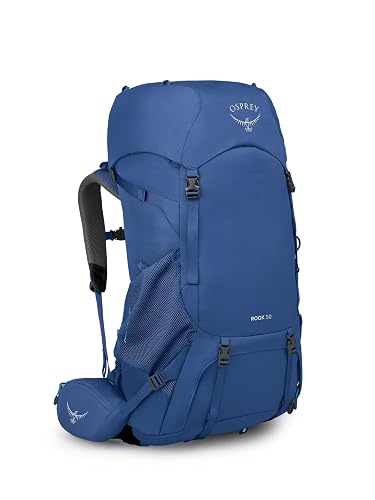
Osprey Rook 50L Men’s Backpacking Backpack

YETI Crossroads Backpack
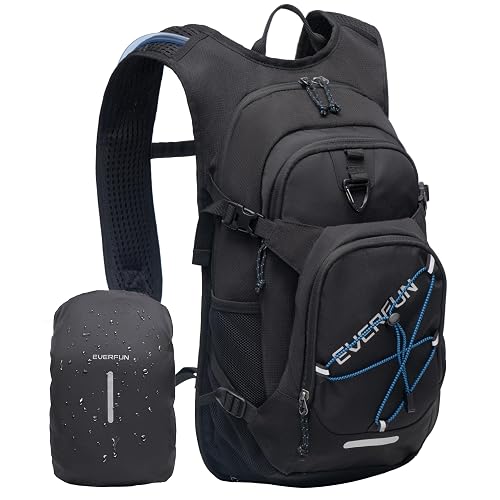
Everfun 18L Hydration Backpack

Nanobag 16L Ultralight Packable Daypack
Meet The Standout Selections
The Rook 50 sits in the sweet spot where capacity and weight meet without one crushing the other. Its adjustable AirSpeed-style suspension lets you dial in torso length so the load rides high on your back rather than sagging toward your hips, which matters once you cross the eight-mile mark with overnight gear inside.
An integrated raincover stows inside the pack, so you are not scrambling to find a separate waterproof sleeve when a squall rolls in. For backpackers stepping up from day-trip carries to their first real overnighter, this Osprey offers enough room to grow into without dragging along extra mass.
Benefits That Matter
- The injection-molded ladder lock torso adjustment system makes finding a precise fit quicker than older Velcro-and-buckle setups, especially useful when sharing a pack between hikers.
- A 50L capacity swallows a multi-day kit including shelter, sleeping bag, and cookware while staying light enough for sub-three-night trips.
- The integrated raincover removes a layer of “did I forget it?” anxiety on wet weather routes.
- You can reach into the main compartment without unpacking the whole top loader, saving time at camp.
- bluesign-certified construction signals attention to responsible material sourcing, which matters to hikers who care about the trails they walk.
Things To Consider
- The fixed women’s-fit geometry does not exist in this men’s configuration, so some shorter-torso hikers may find the fit runs long even after adjustment.
- Hipbelt pockets are minimal, so snacks and a phone tend to migrate to the brain of the pack rather than staying within easy reach at the side.
Key Product Details
Who It Suits Best
Backpackers tackling two to four-night trips who want Osprey-grade suspension without the price of a flagship Atmos or Aura.
Consider Something Else When
Day hikers and summit-only fast packers should look at the Nanobag 16L Ultralight Packable Daypack instead, since hauling 50 liters on a half-day outing is overkill.
The YETI Crossroads leans toward hybrid use rather than pure trail duty, and that is exactly the point. Its clamshell-style opening unfolds a full 180 degrees so the bag behaves like a carry-on, which appeals to travelers who board a plane one day and hit a trail the next.
Built from the brand’s reputation for tough outdoor materials, the Crossroads is constructed with a structured shell that protects a laptop and electronics. Where the Osprey Rook is built around suspension and trail comfort, the YETI is built around capacity and organization for the road.
Notable Upsides
- The suitcase-style clamshell lets you pack flat layers the way you would in luggage, avoiding the top-loader dig common on traditional hiking packs.
- A pass-through strap on the back panel secures the bag to rolling luggage handles, easing airport walks and station transfers.
- The high-capacity main compartment fits work documents, change of clothes, and outdoor layers for full-day mobility.
Trade Offs
- Unlike the Osprey Rook’s ventilated suspension, the Crossroads uses a more structured back panel that can run warm on a long uphill mile.
- You will not find external daisy chains or trekking pole loops here, so it falls short on gear-heavy backcountry days.
Made For
Travelers and commuters who split their week between offices, airports, and casual hikes and want one bag that handles both.
Look Elsewhere When
Multi-day backpackers carrying sleeping bags and cookware should grab the Osprey Rook 50L Men’s Backpacking Backpack, which is engineered for real trail loads.
Hydration-first design is the Everfun’s reason to exist. Rather than expecting you to slot in a third-party bladder, this pack ships with an integrated reservoir that you can pick up in either 2L or 3L sizes, with the insulation helping keep water cool on summer ridges and sunny trails.
It also works across running, biking, and festival settings, not just hiking. A velvet-lined pocket protects sunglasses and phone screens from scratches, while a quick-access front pocket handles the kind of stops where you just need keys, ID, and a snack.
Notable Gains
- The insulated water bladder compartment keeps fluids cooler longer than a standard mesh sleeve, which you notice on exposed midday sections.
- Eight functional pockets cover the small-item scatter problem, from the mesh valuables pocket inside the main compartment to the front quick-access zone.
- Nylon construction keeps the bag light and quick to dry after a sweaty hike or a rained-on ride.
- The unisex fit and adjustable straps make it comfortable on torsos that would otherwise bounce in a stiffer pack.
Points To Note
- At 18L, capacity tops out well below the Osprey Rook, so this is not the bag for a packed lunch and a jacket plus extra layers.
- The integrated bladder adds a cleaning step that owners commonly report is easy to forget. Rinse the tube after every few outings or flavors build up.
Right Fit For
Runners, mountain bikers, and day hikers who sweat hard and want hands-free water on every trail mile.
Skip It When
Anyone needing a backup pack to toss into a suitcase should pick the Nanobag 16L Ultralight Packable Daypack, which packs down smaller but skips the hydration hardware.
The Nanobag Daypack earns its place as the lightest item here, weighing in at barely over an ounce and folding into its attached pouch without any origami required. Travelers who carry a primary bag like the YETI Crossroads often want a second pack for short day trips once they arrive, and this fits that role without taking up suitcase space.
The 0.05mm fabric is paper-thin on purpose, which means it handles snacks, a layer, and a water bottle fine but draws the line at anything sharp or heavy. Ultralight hikers and minimalists will read that as a feature rather than a flaw.
What Helps Most
- The 1.15oz weight disappears in luggage, jacket pockets, or even a large waist pack, so you stop debating whether to bring it.
- Packing the bag into its own attached pouch takes seconds, with no fiddly folding technique to remember.
- The 16L capacity holds a day’s worth of sightseeing essentials, including a compact rain shell and water bottle.
Worth Bearing In Mind
- The ultra-thin fabric offers almost no structure, so the bag sags under heavy loads and is uncomfortable against bare shoulders for long carries.
- Without a frame or hipbelt, you feel every pound of what you put inside, so it is best reserved for genuinely light loads.
Who Should Grab It
Travelers and ultralight hikers who want a backup daypack that lives in a jacket pocket until they need it.
Another Choice May Suit
Runners and bikers who want hands-free water on the trail should reach for the Everfun 18L Hydration Backpack, which carries an integrated bladder and pocket organization.
Choosing A Backpack That Fits How You Hike
Pack weight matters, but capacity and fit shape your experience even more. A 50L pack that fits your torso beats a 30L pack that fights your back every mile, and a hydration-first design removes friction only if you actually drink on the move.
Capacity And Trip Length
For a few hours on established trail, 16L to 25L covers snacks, a layer, and water. Overnight trips with shelter and sleep system demand 45L or more. Anything between calls for a closer look at your typical packing list and willingness to pare down.
Suspension And Ventilation
Torso length matters more than chest size when dialing in fit. Adjustable suspension systems, like a ladder lock torso plate, let one pack serve multiple users in a household or guide group. A suspended mesh back panel keeps airflow moving across the spine, which helps on warm-weather climbs.
Material Trade-offs
Ultralight fabrics slash weight but cut durability. Ripstop nylon balances both, while bluesign-certified materials signal responsible sourcing for hikers who track that data. Reinforced bottoms extend the life of any pack that sees regular set-downs on rocky surfaces.
Hydration Compatibility
Some packs ship with a built-in bladder, others leave a sleeve for you to add your own. Insulated sleeves help in summer sun, while standard sleeves work fine in cool weather. Tube routing over the shoulder matters more than people expect until they have to reach back to fix it mid-stride.
Quick Notes On These Picks
Where Shoppers Go Wrong
Treating backpack weight as the only metric leads to thin fabric that tears or a flimsy frame that sags. You also see shoppers chasing capacity without checking torso length, which leaves them hauling gear in a pack that fights them all day.
What Separates Premium From Basic
The YETI Crossroads and Osprey Rook earn their higher tier through structured panels, premium hardware, and brand-backed construction. You pay for suspension tuning, better zippers, and materials that survive seasons rather than months. For travelers logging serious miles or rough handling, that upgrade tends to pay back in fewer replacements.
Frequently Asked Questions
What Size Lightweight Backpack Do I Need For Day Hikes?
A 16L to 25L pack handles most day hikes, including a layer, water, snacks, and basic safety gear. Larger packs add empty space and weight without much benefit on shorter outings.
Are Ultralight Backpacks Less Durable Than Regular Ones?
Ultralight packs use thinner fabrics to cut weight, so they wear faster under heavy or sharp loads. For light day-use they last well, but for multi-day backpacking a mid-weight pack usually holds up longer.
Do I Need A Hydration Bladder Or Can I Just Carry Water Bottles?
Either works, and your choice depends on how often you drink and whether you like sipping while moving. Bladders keep water cooler and hands-free, while bottles are simpler to refill and clean.
How Do I Clean A Hydration Bladder?
Rinse the bladder and tube with warm water after every few uses, then hang the tube open so it dries fully. A mild bleach solution once a month helps prevent mold and flavor carryover.
Can One Backpack Work For Both Hiking And Travel?
Hybrid packs like the YETI Crossroads bridge that gap, but they compromise on trail comfort. A dedicated hiking pack with a clamshell opening gives you most of that flexibility without the trade-off.
The Takeaway
The right lightweight backpack matches your trip length, terrain, and how much gear you actually carry. For overnights and beyond, the Osprey Rook delivers real suspension and capacity. Travelers will appreciate the YETI Crossroads’s organization, while active days call for the Everfun’s hydration setup. Keep the Nanobag in your suitcase for spontaneous side trips and you have a kit that adapts to almost any outing.