
The right backpack changes a trail day. For short loops, the bag sits light on your shoulders and stays out of your way. For long hauls, the same pack carries shelter, food, and water without grinding down your hips mile after mile. This list breaks down six solid options across day hikes, multi-day trips, and hydration-focused rides, so you can match the gear to the trip you actually take.
An Overview Of The Picks
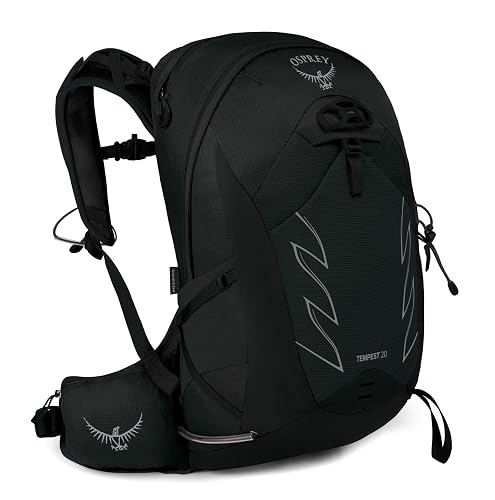
Osprey Tempest 20L Women’s Hiking Backpack (Stealth Black)
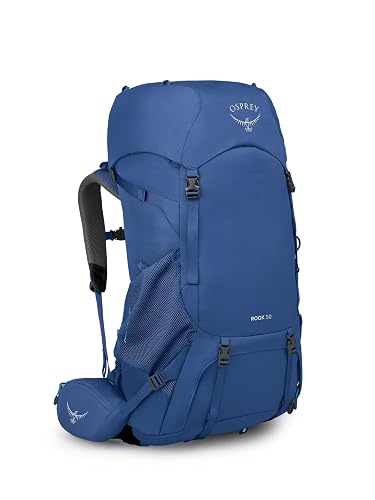
Osprey Rook 50L Men’s Backpacking Backpack (Blue)
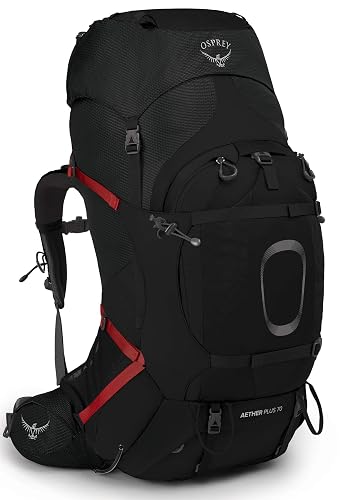
Osprey Aether Plus 70L Men’s Backpacking Backpack (Black)
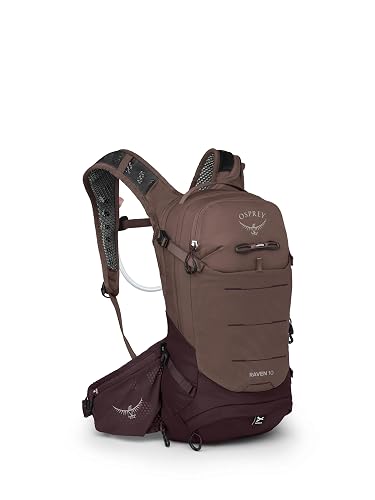
Osprey Raven 10L Women’s Mountain Biking Backpack
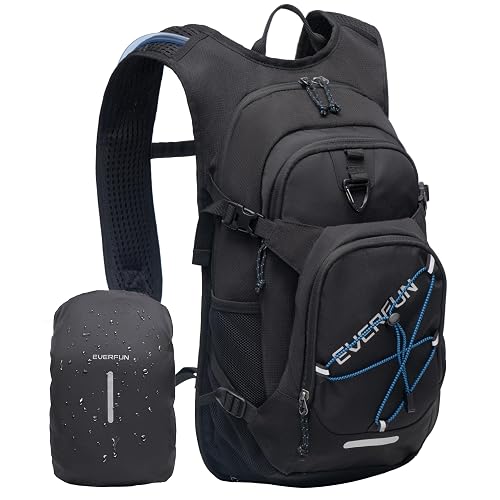
Everfun Hydration Backpack 18L with Water Bladder

YETI Crossroads Backpack
Taking A Closer Look At The Options
The Tempest 20 lands in that sweet spot for fast hikers who don’t carry much. The panel-style main opening (opens like a suitcase rather than a top-loading sack) makes grabbing a rain shell or a sandwich mid-trail far less of a juggling act than the more traditional top-loading designs.
A women’s-specific cut shapes the shoulder harness and hipbelt to shorter torsos, and the AirScape backpanel uses foam ridges to keep air moving against your back. For women logging weekend miles or squeezing in a quick post-work summit, this pack disappears on your back in the best way.
Noteworthy Benefits
- Women’s-specific harness fits narrower shoulders and shorter torsos
- AirScape backpanel helps reduce sweaty-back syndrome on warm climbs
- Built-in attachments for trekking poles, ice axe, helmet, and blinky light
- Panel-loading main compartment beats top-loading packs for quick access
- Continuous-wrap hipbelt stays put when you scramble or lean into a descent
Things To Consider
- 20-liter capacity crowds out anything longer than a half-day hike with extra layers
- Lightweight build trades some ruggedness for agility
Made For
Women tackling fast day hikes, peak-bagging missions, or short bike-and-hike combos who want a pack that fits their frame rather than fighting it.
Look Elsewhere When
The Oyster Rook 50 is a smarter grab for backpackers heading into the backcountry for more than a night.
The Rook 50 is the pack you grab when “weekend trip” starts meaning actual nights on the trail. At 50 liters it swallows a sleeping bag, shelter, food, and layers without leaving you cinching straps like a cargo net.
A ladder-lock torso system (a sliding rail that lets you lengthen or shorten the back panel) lets you dial in fit without yanking out foam pads. An included rain cover saves you from improvising with trash bags. The straightforward layout skips the bells and whistles of pricier packs, which is exactly the point for anyone not chasing ultralight gear lists.
The Upside
- 50L capacity handles 2–3 night trips without external hauling
- Adjustable AirSpeed suspension keeps the load close to your back
- Integrated rain cover deploys fast in surprise storms
- Simple feature set avoids confusion for first-time backpackers
- Carry-friendly for users new to longer miles
Worth Noting
- Heavier than ultralight alternatives once fully loaded
- Lacks the custom-fit hipbelt found on premium Osprey models
- Owners commonly report the suspension feeling less refined on 30+ lb loads
Feature Snapshot
Built With In Mind
First-time backpackers and intermediate hikers heading out for two to three nights who want a forgiving, well-organized pack without a steep learning curve.
A Better Fit Elsewhere
The Osprey Aether Plus 70 is the smarter choice for thru-hikers and week-long trips hauling heavier camera or fishing gear.
The Aether Plus 70 is what you take out when the trip is real. Seventy liters of main storage swallows bear canisters, mountaineering layers, climbing rope, or a week’s worth of dehydrated meals.
The Fit-on-the-Fly hipbelt and shoulder straps (padded belts with adjustable internal plates you tune while wearing the pack) let you re-dial fit mid-trip if your base weight shifts. A removable top lid converts into a small daypack for side hikes from basecamp. Compared to the more stripped-down Rook 50, this one earns its place on longer, gear-heavy routes where fit and load transfer make or break the second half of the day.
Where It Helps
- Fit-on-the-Fly harness lets you tune fit while wearing the pack
- Removable top lid doubles as a DayLid daypack for side trips
- Stow-on-the-Go trekking pole holders let you stash poles without taking the pack off
- Stable load management reduces hip fatigue on heavy carries
- Reinforced construction handles abrasive rock and bushwhack routes
Trade Offs
- Premium price tag puts it out of reach for casual hikers
- Overkill for trips under three nights
- Bulkier profile can be cumbersome on scrambling terrain or in tight spaces
- Owners commonly report the sheer size demanding careful packing discipline
Right Fit For
Thru-hikers, week-long backpackers, and expedition-style hikers hauling heavier gear on multi-day routes.
Swap It Out When
The Osprey Tempest 20 makes more sense for hikers sticking to single-day outings or quick summit pushes.
The Raven 10 leaves the trailhead and points itself at the bike park. With a built-in hydration reservoir (an internal water bladder with a drinking tube routed over the shoulder) and a winged shoulder harness, it’s tuned to stop the pack from sliding around when the trail turns to chunk.
The compact 10L footprint fits a tube, a multi-tool, a snack, and a layer without flapping against your spine. The integrated tool roll keeps repair essentials organized for trailside fixes, which matters more than you’d think when you’re three miles from the trailhead with a dropped chain. Where the Tempest 20 focuses on hiking comfort, this one focuses on staying put while you’re moving fast over rough ground.
Bright Spots
- Winged shoulder harness keeps the pack from sliding during rough descents
- Built-in hydration reservoir removes the need for separate bottles
- Tool roll organizes trailside repair gear efficiently
- Airmesh wrap hipbelt breathes well during hot climbs
- Women’s-specific fit matches narrower torsos
Points To Note
- 10L capacity is too small for anything beyond a short ride
- Hydration reservoir requires regular maintenance to prevent mold and bacteria
- Specialized design makes it less versatile off the bike
At A Glance
Best Suited To
Women mountain bikers tackling all-day rides or bike park laps who want hydration, storage, and stability without a bulky setup.
Reach For A Different Pick When
The Everfun 18L hydration pack offers more room and a much lower entry cost for casual cyclists and festival-goers.
The Everfun 18L is the entry ticket into hydration packs without dropping serious cash. A 2L or 3L water bladder sits inside, and the insulated bladder sleeve helps slow down how fast your water warms up on hot summer hikes.
The 18L main compartment holds more than you’d guess from the price tag, and the front pocket, side pouches, and internal mesh valuables pocket cover the basics of staying organized. Where the Osprey Raven 10 is a bike-first tool, this one leans toward generalist use: hiking, biking, running, and festivals all work without complaint. For anyone unsure how often they’ll actually use a hydration pack, the low commitment is the point.
Positive Takeaways
- 2L/3L bladder options suit different trip lengths
- Insulated bladder compartment slows water warming in summer heat
- Multiple pockets organize phone, keys, snacks, and layers
- Affordable entry point for casual hydration pack users
- Lightweight build stays comfortable on shorter outings
Points To Keep In Mind
- Construction quality doesn’t match premium Osprey or CamelBak builds
- Less stable on aggressive mountain biking compared to bike-specific packs
- Owners commonly report bladder seal durability as a long-term concern
- Strap padding is thinner than dedicated hiking packs
Whose Shelf It Belongs On
Casual hikers, runners, festival-goers, and first-time hydration pack shoppers wanting solid storage and water capacity without a steep outlay.
Consider Something Else When
The Osprey Raven 10 is the better pick for committed mountain bikers who need bike-tuned stability and reinforced construction.
The Crossroads breaks from the trail-focused pack crowd by aiming squarely at travel and commuter use. The clamshell opening (a hinge-style main compartment that opens flat like a suitcase) makes packing cubes work properly, which is the kind of detail that matters when you’re living out of a bag for a week.
The 35L capacity fits under airline carry-on limits, depending on your airline’s specific rules, and YETI’s signature tough fabric shrugs off tossed-in-gear abuse. The padded sleeve handles electronics, and the pass-through panel slides over roller luggage handles. It’s not a backcountry pack, and that’s intentional. For someone splitting time between flights, hotels, and the occasional day hike, the Crossroads covers both halves of that life cleanly.
Reasons It Performs
- Clamshell opening maximizes packing cube compatibility
- Tough fabric holds up to rough handling in transit
- Padded electronics sleeve protects laptops and tablets
- Pass-through luggage panel eases airport navigation
- Sleek profile works in airports, offices, and casual settings
Honest Caveats
- No hydration reservoir compatibility for trail use
- Lacks external attachment points for technical hiking gear
- Style-driven design skips features trail-focused packs prioritize
Perfect Match For
Travelers, commuters, and one-bag travelers splitting time between flights, hotels, and casual day hikes who want a pack that crosses contexts without looking out of place.
Skip It When
The Osprey Rook 50 is the better match for hikers heading into the backcountry who need real load support and trail-tuned features.
## What Matters Most When Choosing A Trail PackTrip length drives most of the decision. A 10–20L daypack handles fast hikes and bike rides, while anything beyond a single overnight generally wants 40L or more. For multi-day routes where you’re carrying shelter, sleep system, and food, capacity and load transfer matter far more than weight savings.Fit beats features every time. A torso-length adjustment, contoured hipbelt, and padded shoulder harness matter more for comfort than any pocket layout. Women-specific harnesses fit narrower frames better, and men’s harnesses suit broader torsos. The right pack should sit high on the back with most weight on the hips, not the shoulders.Materials and construction affect how long the pack lasts. Reinforced bottoms handle abrasion from rocky trailheads and set-downs. Ripstop nylon (a woven fabric with reinforcing threads that stop small tears from spreading) is the standard for lightweight durability. Hydration-compatible sleeves matter for bike and run use, while trekking pole and ice axe loops matter for alpine trips.Climate and weather shift priorities too. In wet climates, an integrated rain cover saves you from improvising. In hot, dry conditions, ventilated back panels (mesh-and-foam constructions that promote airflow between the pack and your back) help keep sweat under control. Daypack, weekend pack, and expedition pack each have a real job, so matching the pack to the trip is the smartest move.## Pitfalls Worth Dodging And Where The Upgrade Pays Off### Wrong Turns To Avoid Picking capacity by what looks big is a common trap. An oversized pack invites overpacking, and overpacking wrecks your hips by the second afternoon. Volume should match your longest realistic trip, not your biggest fear of forgetting something at home.Ignoring torso fit is the second mistake. A pack that’s the right volume but wrong torso length sits wrong, transfers weight to your shoulders, and turns a day hike into a pain festival. Measure your torso length (from the base of your neck to the top of your hipbones) and check the pack’s adjustment range before buying.### Where The Extra Money Goes Premium hiking backpacks earn their higher cost through custom-fit suspension, lighter materials, and reinforced construction. The Fit-on-the-Fly hipbelt on the Aether Plus 70, for example, lets you adjust the fit while wearing the pack. Lighter frames reduce fatigue over long miles, and tougher fabrics survive years of abrasion. The upgrade makes sense for anyone logging serious miles or carrying heavier loads, and matters less for casual users who only head out a few times a year.## Frequently Asked Questions### How Many Liters Do You Need For A Day Hike? Most day hikers find 15–25 liters covers the essentials: water, snacks, a layer, a first-aid kit, and rain shell. The Tempest 20L hits that range well for women, while shorter loops under five miles can get away with even less.### What’s The Difference Between A Daypack And A Backpacking Pack? Daypacks usually run 10–30L and prioritize quick access over heavy load support. Backpacking packs start around 40L and add internal frames, padded hipbelts, and load-lifter straps (short straps between the top of the shoulder harness and the pack body that pull the load closer to your body) to carry sleeping gear and food over multiple days.### Are Hydration Bladders Worth It? Hydration bladders are convenient for biking, running, and warm-weather hiking where you want hands-free drinking. They require regular cleaning to prevent bacteria and mold, and they’re not necessary for cooler-weather or short-distance hikes where bottles work fine.### How Should You Should Fit A Hiking Backpack? The hipbelt should sit on the iliac crest (the top of your hip bones), with most of the weight on your hips, not your shoulders. The shoulder harness should contour to your shoulders without gaps, and the load-lifter straps should angle at about 45 degrees from the top of the shoulders.### Can You Use A Hiking Backpack For Travel? Yes, but a dedicated travel pack like the YETI Crossroads is better suited. Hiking packs have external attachment points and technical features that look out of place in airports, while travel packs use clamshell openings and padded laptop sleeves that fit modern travel demands.## Closing RemarksFor most day hikers, a 20L women’s-specific pack or a 30L men’s pack covers everything short of overnight trips. Backpackers hauling gear for multiple nights should step up to 50L or more, and travelers splitting time between flights and casual hikes benefit from a clamshell design. Match the pack to your longest realistic outing, and the rest of the decision gets easier from there.