
A long day on the trail has a way of finding every weak link in your kit. A frayed pack strap, a stubborn food pouch, a tent zipper that catches, all that takes place far from a hardware store. Multi-tools handle those little emergencies in a single pocketable package, which is why hikers across skill levels keep one clipped somewhere within reach.
The ten picks below cover a real spread of weight classes, tool counts, and design priorities. Some lean toward featherweight minimalism for fastpackers; others pack serious repair capability for base-camp duty. The goal is matching the right shape to the way you actually hike.
The Leading Options At A Glance

LEATHERMAN Wave Plus 18-in-1 Multi-Tool
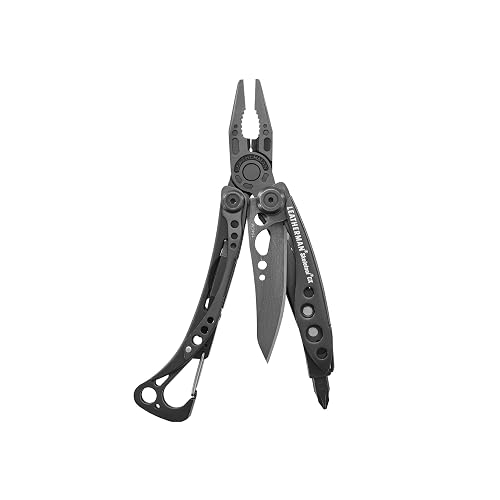
LEATHERMAN Skeletool CX 7-in-1 Multi-Tool (Onyx)
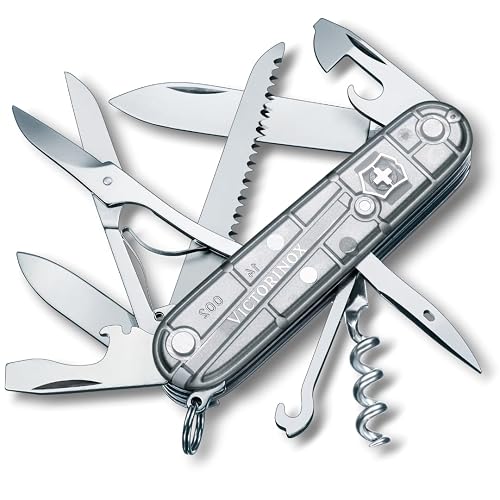
Victorinox Huntsman Swiss Army 15-Function Pocket Knife

LEATHERMAN Rebar Multitool with Replaceable Wire Cutters
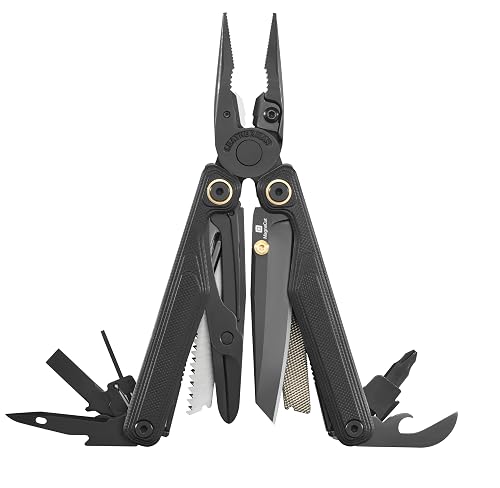
LEATHERMAN Wave Alpha 16-in-1 with MagnaCut Steel
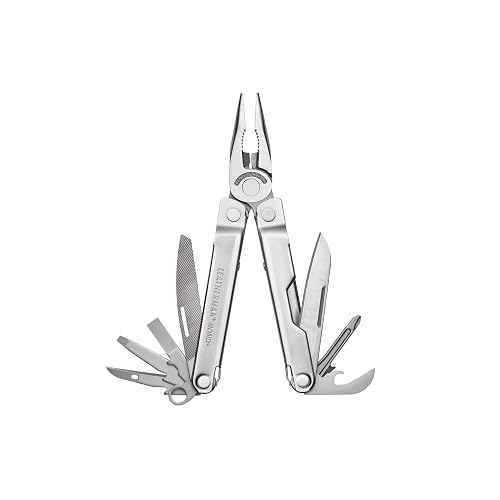
LEATHERMAN Bond Multi-Tool with 420HC Blade
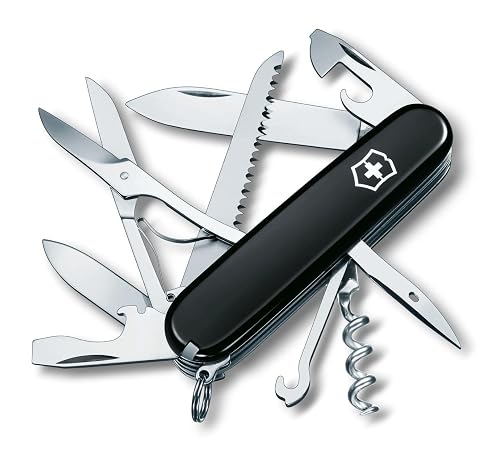
Victorinox Huntsman Swiss Army Knife, Medium, 15 Functions
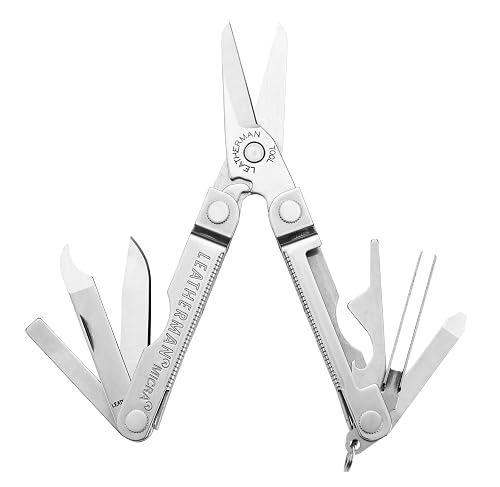
LEATHERMAN Micra Keychain Multi-Tool
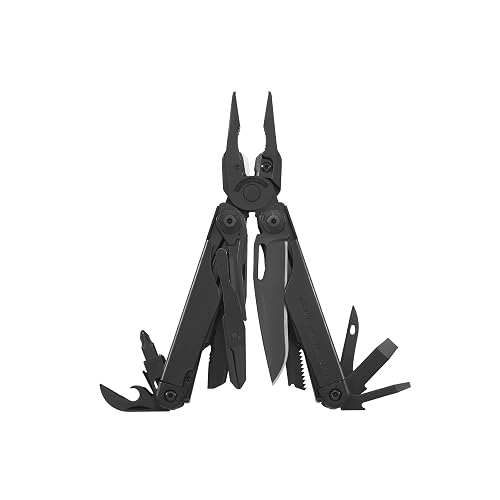
LEATHERMAN Surge 21-in-1 Heavy-Duty Multi-Tool

LEATHERMAN Signal 19-in-1 Multi-Tool
Meet The Standout Selections
The Wave Plus sits at the center of Leatherman’s lineup for good reason. With 18 functions including outside-accessible blades (meaning you can open the knife without unfolding the whole tool), it tackles gear repair at camp and food slicing on the move. Stainless steel construction handles sweat, rain, and pocket grime without much complaint.
On a multi-day trip, this is the kind of tool that quietly ends up doing almost everything. Compared with the much smaller Skeletool CX up next, this one trades pocket weight for genuine versatility. For most weekend hikers, the Wave Plus finds the sweet spot.
Strong Points
- Outside-accessible blades let you deploy the knife one-handed while the tool is closed.
- Locking mechanisms on pliers, knives, and saws prevent accidental closing under load.
- 18-function spread covers repair, food prep, and basic first-aid kit adjustments.
- Stainless steel body holds up to wet conditions and the occasional drop on rock.
- Replaceable wire cutters extend the working life of the pliers head.
Honest Caveats
- At roughly 8.5 oz, it adds noticeable weight to ultralight packing lists.
- The bulk can feel awkward on a belt loop; many owners clip it to a pack strap instead.
- Periodic cleaning of the pivot joints keeps tools deploying smoothly, especially after muddy trips.
Who It Suits Best
Hikers packing for two- to five-day trips who want one tool that handles repair, food, and camp chores without juggling separate implements.
Where Another Pick Suits Better
For thru-hikers chasing sub-pound base weights, the lighter LEATHERMAN Skeletool CX will suit your pack better.
Sometimes less really is more on the trail. The Skeletool CX strips the multi-tool concept down to seven well-chosen functions in a barely-there package. The carbon-fiber-and-stainless body weighs about 5 oz, light enough to clip to a shirt pocket without thinking about it.
It is not trying to be the Wave Plus. There is no saw, no scissors, no file. What you get is a sharp 154CM stainless blade, needlenose pliers, bit driver, and a carabiner-style clip that doubles as a bottle opener. On a fastpack or a dawn-to-dusk day hike, that is plenty.
The Upside
- Around 5 oz keeps it almost unnoticeable clipped to a hip belt or strap.
- 154CM blade steel holds an edge through real cutting tasks.
- Removable pocket clip lets you carry it without a sheath.
- Bit driver accepts the same bits carried in most repair kits.
Worth Bearing In Mind
- Seven functions means no scissors, saw, or file when you reach for them.
- The skeletonized handle looks grippy but feels slim during heavy pliers work.
- Owners commonly find the pocket clip loose after extended carry on rough trail.
Made For
Thru-hikers and fastpackers building an ultralight kit who still want pliers and a real blade within reach.
Skip It When
You fix a lot of gear on the trail, because the LEATHERMAN Wave Plus covers more repair scenarios.
The Huntsman earns its place in pockets around the world, and trails are no exception. Victorinox packs 15 functions into the iconic Swiss Army silhouette, including a wood saw and scissors that handle the small cuts hikers actually make at rest stops.
There is no pliers head, which sets the Huntsman apart from any Leatherman on this list. The trade-off is real: you shed weight and bulk, but you cannot fix a busted pack buckle the way a multi-tool with pliers can. For a day hike where nothing is going to break, that is a fine trade.
What It Does Well
- Scissors handle blister-bandage trimming and food pouch openings cleanly.
- Wood saw tackles kindling and improvised stakes on overnight trips.
- Cellidor scales resist sweat on long summer days.
- Tweezers and toothpick in the handle earn their keep on backpacking hygiene tasks.
Points To Keep In Mind
- No pliers head limits backcountry gear repair capability.
- Slim stainless handles flex slightly during harder saw cuts.
- Two-layer layout takes a moment longer to deploy than single-layer tools.
Best Suited To
Casual hikers and weekend backpackers who mostly need blade, scissors, and a saw without carrying extra ounces.
Look Elsewhere When
Trail maintenance and gear repair dominate your trips, because the LEATHERMAN Rebar covers pliers-driven fixes better.
The Rebar feels like a shop tool that happens to fit in a backpacking pocket. All-locking tools, full stainless steel construction, and replaceable wire cutters give it a workhorse character that lighter models cannot match.
Seventeen tools is a meaningful spread without crossing into Surge territory. Knives, pliers, screwdrivers, wire cutters, a saw, a file, a ruler, an awl, and bottle and can openers give it real repair versatility. Compared with the Wave Plus, the Rebar is more compact but skips some of the outside-access features.
The Good Stuff
- All-locking tools handle real torque on stuck fasteners without folding.
- Replaceable wire cutters extend working life beyond most multi-tools.
- Stainless body shrugs off trail moisture and grit.
- Compact profile fits a hip-belt pocket on most packs.
Less Ideal Details
- Blades sit inside the handles, so opening is a two-handed process.
- At roughly 6.7 oz, it sits between the Skeletool and the Wave Plus.
- Pivot screws may need a quick cleaning after muddy or sandy trips.
Who Should Grab It
Backcountry campers and trail maintainers who want a durable workhorse for real gear repair on multi-day trips.
A Better Fit Elsewhere
For hikers who rarely need pliers but want scissors and a saw, the Victorinox Huntsman Swiss Army Knife covers the lighter workload.
Leatherman’s Wave Alpha brings modern knife steel to the multi-tool category. CPM MagnaCut on the main blade is engineered for edge retention and corrosion resistance, a meaningful upgrade for hikers who actually use their knife and do not want to baby it.
G10 handles add grip texture and visual refinement to the 16-function tool set. A reverse tanto blade shape and one-hand opening thumb stud push the Alpha closer to a folding knife experience than a traditional multi-tool. It is heavier in the pocket than a Skeletool and pricier than a Bond, but for gear-curious hikers the steel is the draw.
The Value In It
- CPM MagnaCut blade steel resists corrosion and holds a working edge longer.
- Reverse tanto blade profile handles tough cuts without tip fragility.
- G10 scales deliver confident grip in wet and cold conditions.
- One-hand opening thumb stud speeds up common cutting tasks.
Trade-Offs To Consider
- Heavier carry than the Skeletool and a larger pocket footprint.
- Higher cost compared with the Wave Plus, even with fewer total tools.
- Factory-built full-size scissors add capability but also mechanism complexity.
Whose Shelf It Belongs On
Gear-focused hikers who appreciate modern knife steel and want a multi-tool that doubles as a capable folder.
Consider Something Else When
Weight matters more than blade metallurgy, because the LEATHERMAN Skeletool CX keeps ounces lower without sacrificing a sharp blade.
The Bond slots in as Leatherman’s entry-level multi-tool, and that is not a criticism. A 420HC stainless blade handles the cutting tasks most hikers actually do, and the 14-function spread gives beginners room to grow into the tool.
Stainless steel construction, a nylon sheath, and Leatherman’s familiar pliers head make the Bond an honest first multi-tool. It lacks the outside-access blades of the Wave Plus and the MagnaCut steel of the Wave Alpha, but for new hikers easing into the category, that is a fair starting point.
Positive Points
- 420HC blade is straightforward to sharpen in the field.
- 14 functions cover most trail-side repair scenarios.
- Stainless steel body tolerates moisture exposure.
- Nylon sheath ships in the box for belt or pack carry.
A Few Limitations
- 420HC dulls faster under heavy use than premium steels.
- Tools sit inside the handles, so deployment is slower than outside-access designs.
- Sheath hardware feels basic compared with premium models.
The Right Fit
First-time multi-tool owners and casual hikers who want a dependable starter that handles everyday trail fixes.
Reach For A Different Pick When
You split time between fastpacking and base-camp repair duty, because the LEATHERMAN Wave Alpha offers better steel and one-hand opening for the same tool count range.
This Huntsman variant lives in the same Swiss Army pocket-knife format as the silver Tech edition earlier, with a darker handle scale that hides trail grime better over time. The 15 functions include a large blade, small blade, scissors, wood saw, corkscrew, reamer, and the usual camping scale of tools.
Compared with the Skeletool, you trade pliers for scissors and a corkscrew. That is a meaningful swap on overnight trips where opening wine and cutting cheese actually matters. For car-camping and short backpacking loops, this is a confident classic.
Useful Touches
- Scissors and wood saw cover common trail chores in the same tool.
- Darker handle scale is forgiving when you forget to wipe it down.
- Corkscrew pulls double duty at the campfire.
- Reamer punches holes in fabric and webbing for emergency stitching.
Worth Noting
- Still no pliers for hardware repair scenarios.
- Cellidor handles flex under heavy saw pressure.
- Two-layer layout slows down tool selection at speed.
Built With In Mind
Weekend backpackers who want a versatile pocket knife with classic camping tools and don’t need pliers.
Not Your Match When
You regularly fix gear on the trail, because the LEATHERMAN Wave Plus gives you pliers alongside similar camping tools.
The Micra weighs about 1.8 oz and disappears onto a keychain. It packs 10 tools into that tiny frame, leaning heavily toward grooming and small-fix tasks: spring-action scissors, knife, nail file, tweezers, screwdrivers, and a bottle opener.
This is not the multi-tool for serious trail repair. There are no pliers, no saw, no file for heavy work. What the Micra does is handle the small annoyances on a hike, like a loose glasses screw or a hangnail on the descent, without adding bulk. Pair it with a dedicated blade in your pack and you have a refined system.
Bright Spots
- Around 1.8 oz stays out of mind on keychain carry.
- Spring-action scissors cut fabric and bandages cleanly.
- Tweezers built into the handle handle splinters and ticks.
- Eyeglass screwdriver covers a common trail-side frustration.
Soft Spots
- No pliers or saw for real repair work.
- Tiny knife blade handles only light cutting duty.
- Limited tool leverage under hand pressure.
Right Fit For
Hikers who carry a dedicated knife in their pack but want a discreet multi-tool on their keys for small daily fixes.
Another Choice May Suit
For trail duty that demands pliers and a real saw, the LEATHERMAN Skeletool CX is a meaningful step up in capability.
The Surge is the largest, most capable tool on this list. With 21 functions, full-sized pliers, and replaceable wire cutters, it covers almost any repair a backcountry group could throw at it. The trade-off is honest: this is a belt-loop companion at over half a bag.
For base-camp trips, group outings, and situations where weight matters less than capability, the Surge earns its place. Compared with the Wave Plus, you gain an extra saw, a file, and the larger pliers head. Day hikers will feel the weight; car-campers will barely notice it.
Notable Gains
- 21 functions cover nearly any trail-side repair scenario.
- Larger pliers head handles thicker branches and bigger hardware.
- Replaceable wire cutters extend working life well beyond most multi-tools.
- Stainless steel body stands up to years of regular use.
Where It Is Less Suited
- Heavier carry rules it out for ultralight packing lists.
- Bulky profile is awkward for pocket carry on a day trip.
- More moving parts means more cleaning after dusty trail use.
Perfect Match For
Base-camp hikers, group trip leaders, and trail caretakers who need one tool that handles anything the trail throws at them.
Swap It Out When
You mostly hike solo with light loads, because the LEATHERMAN Wave Plus handles 90 percent of those scenarios at half the weight.
The Signal is Leatherman’s take on a wilderness-preparedness multi-tool. 19 functions include a ferrocerium rod for fire starting, a whistle built into the body, and a diamond-coated sharpener alongside the standard knife, saw, and pliers.
Compared with the Wave Plus, you trade some everyday tools for survival-oriented ones. For day hikers in benign weather, that feels like overkill. For solo travelers, winter hikers, and anyone heading into less-trafficked terrain, those extras matter when conditions turn rough.
Well-Handled Touches
- Ferrocerium rod fires up tinder in wet conditions where lighters struggle.
- Built-in whistle covers signaling without draining a hand.
- Diamond-coated sharpener refreshes a dulled knife without a separate stone.
- 19-function spread balances repair and emergency tools.
Practical Considerations
- Ferro rod requires practice to strike reliably one-handed.
- Heavier than a Wave Plus thanks to the extra survival tools.
- Some owners find the survival-specific tools redundant on familiar local trails.
Who Will Love This
Solo hikers and winter trekkers who value emergency-capable tools over pure weight savings on less-trafficked routes.
Where A Sibling Pick Shines
For popular trails and fair-weather hikes, the LEATHERMAN Wave Plus covers routine repair without carrying survival extras you may not need.
What To Weigh Before Choosing A Trail Multi-Tool
The right tool depends less on tool count and more on what you actually do out there. Fastpackers counting every gram should prioritize the Skeletool’s roughly 5 oz footprint, while base-camp cooks and trail-fixers will appreciate the Surge’s broader capability. Weight, tool access, and steel choice move the dial in different directions.
Pliers presence is the first fork. If you fix pack buckles, repair trekking poles, or bend tent stakes, any Leatherman with full-sized pliers earns its keep. The Huntsman lacks pliers entirely, which is fine on a day hike where nothing tends to break.
Blade steel is the second fork. Entry-level 420HC sharpens easily but dulls faster. Premium CPM MagnaCut on the Wave Alpha holds an edge through heavier cutting cycles and resists corrosion in wet weather. Hikers who use their knife daily feel the difference.
Outside-access blades, meaning you can open the knife without unfolding the tool body, speed up common cuts. The Wave Plus, Wave Alpha, and Skeletool all offer some form of one-hand access. The Rebar and Bond stick to inside-access tools, which slows deployment slightly but keeps the body slimmer.
Fit Profile
A multi-tool should match your hike length and risk profile. Day hikers can run light with a Huntsman or Micra. Multi-day backpackers should reach for the Wave Plus or Rebar. Solo winter travelers gain real margin from the Signal’s ferro rod and whistle.
Picking Across The Range
Mistakes Worth Dodging
The most common slip is buying by tool count alone. Twenty tools sound impressive, but most hikers reach for the same five day after day. Match the tool list to the chores you actually perform on the trail. A second slip is underestimating weight. The Surge’s capability is real, and so is its 12 oz in a hip pocket. Build your packing list around what you carry, not what the tool can do in theory.
What The Higher Tier Buys
Premium multi-tools like the Wave Alpha earn their step-up through better steel, tighter tolerances, and more refined opening mechanisms. You notice the difference in the blade first. Edge retention improves, sharpening happens less often, and the cut feels cleaner through tougher material. For hikers who use a knife daily, that upgrade compounds. For casual day hikers, a Wave Plus or Bond is closer to the sweet spot.
Frequently Asked Questions
Do I really need pliers on a hike?
For short day hikes on maintained trails, scissors and a blade cover most needs. Multi-day backcountry trips, winter travel, and any time you carry trekking poles or repair-prone gear make pliers genuinely useful for buckle and stake adjustments.
How much should a hiking multi-tool weigh?
There is no single right answer, but most backpackers aim for under 8 oz to keep the tool from dominating a kit. Fastpackers targeting ultralight goals often hold closer to 5 oz. Base-camp and car-camping setups absorb heavier tools without complaint.
Can I sharpen a multi-tool blade on the trail?
Yes. Most multi-tool blades accept a standard pocket sharpener. Models with a built-in diamond-coated sharpener, like the Signal, refresh edges without a separate tool. Practicing before a trip pays off when you need a sharp edge mid-route.
What’s the difference between 420HC and MagnaCut steel?
420HC is a mid-grade stainless steel that sharpens easily and tolerates field maintenance. MagnaCut is a premium powder-metal steel engineered for edge retention and corrosion resistance, which means fewer sharpenings and better performance on wet or abrasive tasks.
Are outside-access blades worth the extra cost?
For hikers who cut food, rope, or webbing often, outside-access blades save real seconds on every deploy. The tradeoff is a slightly bulkier tool. Casual hikers may not feel the difference; frequent users will.
The Takeaway
The best multi-tool for your hikes is the one that handles the chores you actually meet on your routes, at a weight you can live with. Match tool count and steel to your typical cutting load, and consider how often you reach for pliers on the trail. With the right pick clipped to your pack, the small emergencies stop being emergencies at all.