
The right pair has to handle a granite slab on a Sunday and a root-laced single-track on a Tuesday. That blend is what makes hybrid hiking-running footwear trickier than either category on its own. Cushioning that feels great for ten road miles can feel sloppy on a scree slope, while a stiff hiker drains your legs by mile four of a trail run.
This roundup focuses on shoes that hold their own when the ground keeps changing, and that means a forgiving midsole, a serious outsole, and a fit that doesn’t punish you after the switch from trail to scree to pavement. Every pick here comes from a brand with a real trail pedigree, and every one of them earns its spot in a different way.
The Lineup, Simplified
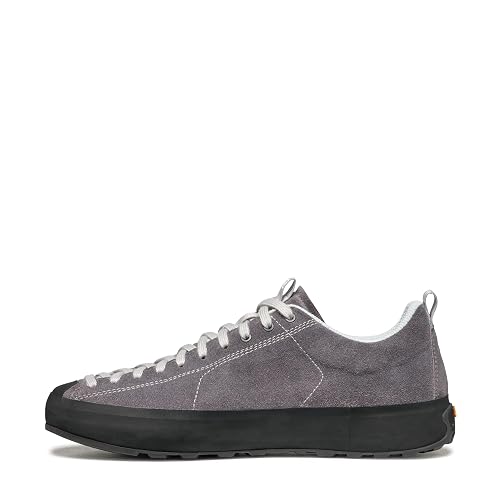
SCARPA Mojito Wrap Walking Shoes
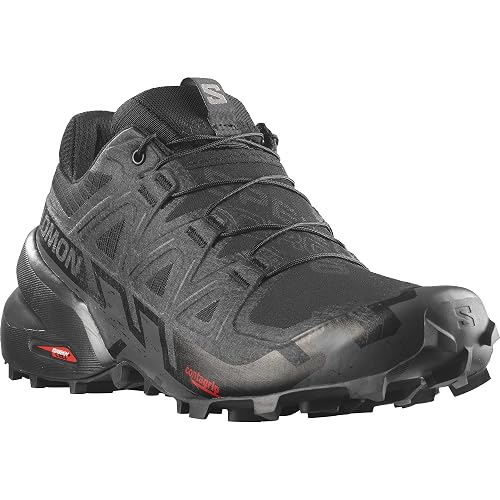
Salomon Speedcross 6 (Women’s)
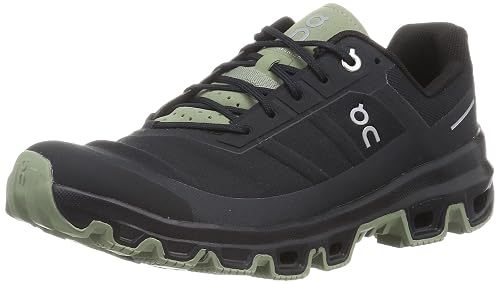
On Cloudhorizon Waterproof

Five Ten Trailcross LT Mountain Bike Shoes

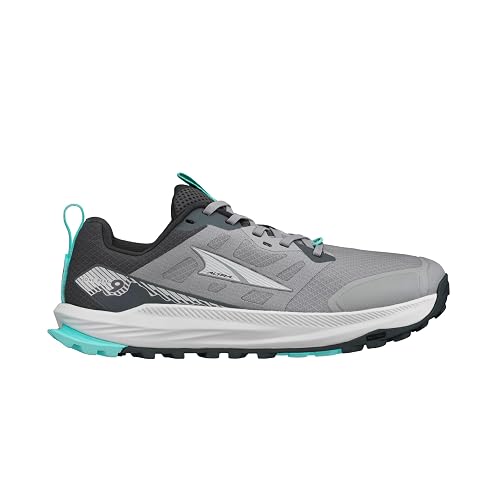
ALTRA Lone Peak 9 Trail Running Shoe
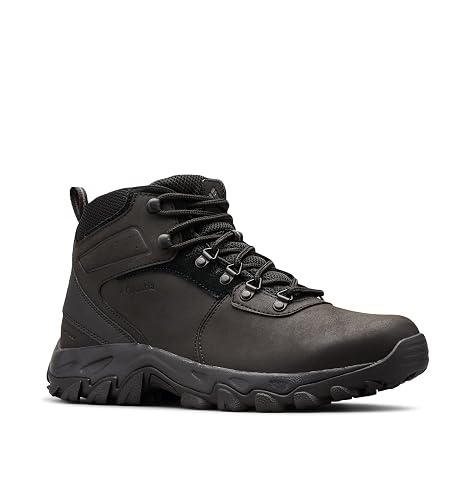
Columbia Newton Ridge Plus II Waterproof Hiking Shoe
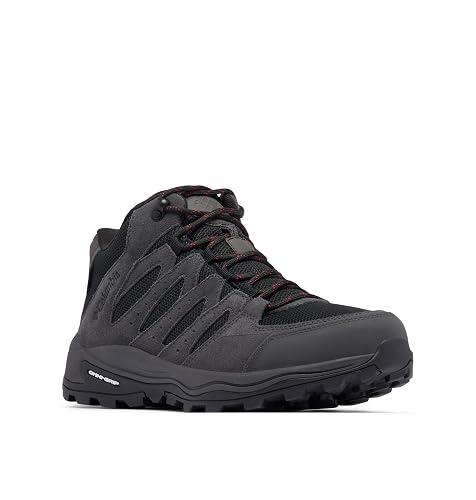
Columbia Redmond IV Mid Waterproof
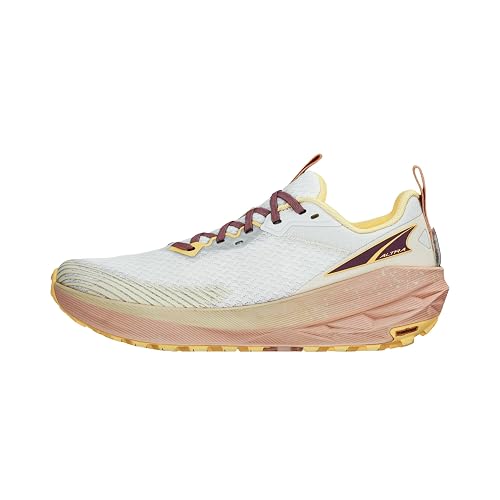
ALTRA Experience Wild 2 Trail Running Shoe
A Closer Look At Each Pick
The Mojito Wrap borrows its silhouette from SCARPA’s climbing-side heritage, which gives it a flat, grippy sole that feels right at home on rocky approaches and scrambly paths. Where most trail runners round out the toe box for a smooth stride, this one keeps a snugger, more planted shape that helps when you’re edging on boulder problems or kicking into scree.
For mixed days that lean more “hike with bursts of run” than “pace the marathon,” this is a quietly capable pick. The lacing wraps far down the foot, which is the kind of detail climbers love and hikers quickly come to appreciate on loose terrain.
Good Reasons To Consider
- Climbing-shoe DNA gives genuine edging on rock
- Low-profile sole keeps your foot close to the ground for balance
- Wrapped lacing lets you dial in forefoot tension on technical moves
- Lighter than a traditional hiker, easier on long approach days
Things To Consider
- Less stack height than a true trail runner, so heel cushion is modest on long road stretches
- The snug fit won’t suit anyone with a wide foot
- Suede and mesh panels tend to hold mud; cleaning takes a brush, not a quick rinse
Who It Suits Best
Hikers tackling rocky terrain, scrambles, and approach trails who value grip over plush cushion.
Look Elsewhere When
Runners logging soft, sustained miles should turn to the Salomon Speedcross 6 instead, since its lugged outsole handles mud far better.
The Speedcross line has spent years earning trust on gnarly trails, and this update trims weight without softening the trademark aggressive lug pattern. On soft ground, muck, and rain-soaked grass, those chevron-shaped lugs bite the earth in a way most road-leaning trail shoes simply can’t.
The fit is famously snug, which keeps your heel locked when the grade pitches up and your foot wants to slide. For trail runners who care more about grip and speed than road comfort, this remains a defining choice.
What Makes Sense
- Deep, widely spaced lugs shed mud before it clogs the outsole
- Lightweight, upper, and quick-dry mesh cuts weight from earlier versions
- Quicklace-style closure pulls even pressure across the foot in seconds
- Sensible heel hold helps when descending technical, rooty lines
Honest Caveats
- The narrow platform punishes anyone with a wide forefoot
- Deep lugs feel clunky and loud on pavement sections
- Mesh upper scuffs easily on rocky, abrasive terrain
Quick Facts
Made For
Trail runners chasing soft-ground grip and a locked-in feel on steep, muddy descents.
Reach For A Different Pick When
Anyone wanting a roomier forefoot will be happier in the ALTRA Lone Peak 9, which trades a snug race fit for a wider platform.
On’s CloudTec Phase sole is the centerpiece here: a sequenced cushion system that softens impact on the way down and firms up at toe-off. Pair that plush platform with a waterproof upper and you have a shoe that genuinely earns its place on long hike days when weather turns.
For hikers who don’t want a stiff, traditional boot and runners crossing over from road to trail, the Cloudhorizon feels like the cushy middle ground. The tradeoff is a touch less precision on truly technical scrambles, but for most mixed outings that’s a fair swap.
Everyday Wins
- CloudTec Phase cushioning softens long descent days noticeably
- Waterproof construction handles rain, stream crossings, and wet rock
- Roomy toe box keeps feet happy on multi-hour days
- Smooth heel-to-toe transition feels natural for walk-run pacing
Room For Improvement
- Less ground feel than the SCARPA Mojito, so edging on rock feels vague
- Heavier than a dedicated trail runner by a noticeable margin
- Waterproof membrane reduces breathability in summer conditions
Right Fit For
Hikers and casual trail runners who want all-day cushion over technical precision.
Swap It Out When
Hardcore trail racers chasing speed will prefer the Salomon Speedcross 6 for its lighter, grippier platform.
The Trailcross LT is a specialist, and it knows it. Built around a Stealth rubber outsole tuned for flat pedals, this is the shoe you reach for when your hike-a-bike sections equal or exceed your rolling mileage. Five Ten’s reputation for pedal grip is real, and the Trailcross carries that forward in a lighter, more breathable package.
For pure trail running this isn’t the right tool, but for bikepacking days, shuttle runs with hike-ups, or casual singletrack rides into camp, it earns its slot in a hybrid kit. The reinforced toe box protects against rock strikes when you shoulder the bike and push.
A Favorable Mix
- Stealth rubber outsole locks to flat pedals without slip
- Reinforced toe cap shrugs off rock strikes on push-up sections
- Lightweight build keeps fatigue down on hike-a-bike climbs
- Breathable upper handles warm riding days well
Worth Noting
- Flat-pedal focus means less cushion than a real trail runner
- Not designed for cleated systems, so roadies and XC racers look elsewhere
- Stealth rubber wears faster on long road approaches
Best Suited To
Riders on flat-pedal mountain bikes who hike and push as much as they roll.
Where Another Pick Suits Better
If your day is hiking-first with a bike parked at the trailhead, the Columbia Newton Ridge Plus II gives you more support for less money.
The Fairbanks Low lands in that useful middle zone between a street sneaker and a technical hiker. The suede leather upper brings real structure to the foot, while the breathable mesh webbing keeps it from feeling like a winter boot in summer.
You give up some of the running-shoe snap that dedicated trail runners deliver, but for everyday trail walks, state-park loops, and travel days where you want one shoe to do everything, this Columbia fits the bill without draining the wallet.
Key Advantages
- Suede leather upper adds structure and abrasion resistance
- Techlite midsole cushions without feeling mushy
- Omni-Grip outsole handles wet rock and dry trail alike
- Low-cut silhouette transitions easily to pavement and travel
Points To Note
- Less breathable than a mesh trail runner in midsummer heat
- Suede requires occasional cleaning to keep its look
- Stack height is lower than modern trail runners
Feature Snapshot
Whose Shelf It Belongs On
Casual hikers and travelers who want one shoe that handles trailheads and cities equally well.
Skip It When
Runners chasing longer trail miles should consider the ALTRA Experience Wild 2 for a more cushioned, runnable feel.
ALTRA built its reputation on a foot-shaped toe box and a zero-drop platform, and the Lone Peak 9 carries that signature forward. For trail runners whose toes swell at hour three and who hate the feeling of being squeezed at the forefoot, this is a familiar and trusted shape.
The MaxTrac outsole grips a wide range of terrain, from dusty desert trail to damp Pacific Northwest roots. Compared with the Salomon Speedcross 6 earlier in this list, the Lone Peak trades outright aggressiveness for daily usability.
A Few Highlights
- Foot-shaped toe box lets toes splay naturally on long climbs
- Zero-drop platform encourages a natural, midfoot strike
- MaxTrac outsole balances grip and durability across terrain
- Roomy fit accommodates sock changes for weather and season
Trade Offs
- Zero-drop geometry takes adjustment if you’re used to a raised heel
- Roomy fit can feel sloppy on narrow, technical singletrack
- Lugs are not as deep as the Speedcross for soft mud
Who Should Grab It
Distance trail runners and thru-hikers who prioritize foot comfort over outright speed.
Consider Something Else When
Anyone chasing a fast, locked-down race feel on technical terrain will appreciate the Salomon Speedcross 6 more.
The Newton Ridge Plus II is a classic for a reason: full-grain leather upper, waterproof bootie construction, and a mid-cut profile that protects the ankle on rocky descents. This is the shoe you pack when conditions are unpredictable.
It’s heavier than any trail runner on this list, but for hikers who carry weight, scramble wet rock, and appreciate a stable platform underfoot, that mass is the point. The trade-off is real, so runners looking for snap should keep moving.
The Upside
- Waterproof construction handles rain, snow, and stream crossings
- Mid-cut profile adds ankle support on uneven terrain
- Full-grain leather upper resists abrasion and lasts for seasons
- Stable platform carries loads comfortably
Points To Keep In Mind
- Heavier than any trail runner on this list
- Long break-in period compared with mesh trail shoes
- Leather needs conditioning to maintain waterproofing over time
Technical Reference
Who Will Love This
Traditional hikers and backpackers who tackle wet, rugged terrain and want a shoe that lasts multiple seasons.
Not Your Match When
Runners wanting a lighter, faster platform should look at the On Cloudhorizon for cushioned trail comfort.
The Redmond IV Mid is a sensible, middle-of-the-trail design: waterproof construction, a mid-cut collar for ankle security, and a versatile outsole for mixed surfaces. It doesn’t try to be a racing shoe or a backpacking boot, and that restraint is the appeal.
For hikers who want something that handles wet pavement, muddy trail, and casual scrambles in one package, this is a quietly capable option. It’s heavier than a trail runner but lighter than a backpacking boot, which is exactly the gap it fills.
Useful Strengths
- Waterproof membrane keeps feet dry through wet conditions
- Mid-cut collar stabilizes the ankle on uneven ground
- Versatile outsole grips pavement and trail alike
- Reasonable weight for a waterproof mid-cut shoe
Small Caveats
- Less agile than a low-cut trail runner on technical descents
- Waterproofing reduces breathability in warm conditions
- Less cushion than the On Cloudhorizon for high-mileage days
Perfect Match For
Hikers who want a single waterproof shoe that handles daily wear and trail weekends equally well.
A Better Fit Elsewhere
Runners prioritizing speed and agility should turn to the ALTRA Lone Peak 9 for a lighter, runnable platform.
The Experience Wild 2 sits in ALTRA’s lineup as a more forgiving, entry-level trail option. It carries the brand’s signature roomy toe box and zero-drop geometry, but with a slightly plusher midsole than the more race-focused models.
For runners new to trails, this shoe is a sensible first investment: it teaches a natural midfoot strike, forgives tired form, and handles varied terrain without specialized aggression. Compared with the Columbia Fairbanks Low earlier in this list, it runs lighter and breathes better, with a more trail-specific outsole.
The Helpful Details
- Roomy toe box eases pinky-toe pressure on long runs
- Zero-drop platform encourages natural form
- Trail-tuned lugs grip loose dirt and decomposed granite
- Forgiving feel suits newer trail runners
Potential Drawbacks
- Zero-drop geometry takes adjustment for raised-heel runners
- Not as aggressive as the Speedcross for soft mud
- Less protective than a mid-cut hiker for rocky descents
Product At A Glance
Who Should Grab It
New trail runners looking for a forgiving, roomy shoe that teaches natural form on mixed terrain.
Where Another Pick Suits Better
Runners chasing technical, muddy performance will find the Salomon Speedcross 6 a more aggressive option.
What To Weigh Before Choosing Shoes For Hiking And Running
Trail-running shoes and hiking shoes look similar from a distance, but the engineering tells a different story. Trail runners prioritize low weight, low stack height (the distance from ground to foot), and a flexible forefoot, while hikers favor stiffness, support, and durable materials. A hybrid shoe like those above splits that difference, which is exactly why the category exists.
Outsole lugs matter more than most shoppers realize. Lug depth shapes how the shoe grips mud versus hardpack, and lug geometry shapes how it sheds debris. The Salomon Speedcross 6’s deep chevron lugs bite soft ground but feel clumsy on pavement, while the Columbia Fairbanks Low’s shallower pattern handles both reasonably but excels at neither.
Weight shows up in your knees by mile five, but it’s not always the enemy. A heavier shoe like the Newton Ridge Plus II gives stability under load, while a lighter shoe like the SCARPA Mojito Wrap gives agility on technical moves. Pick based on whether your day favors carrying capacity or quick footwork.
Fit trumps every spec on paper. A shoe that doesn’t lock your heel will blister, and a shoe that squeezes your forefoot will go numb on descents. ALTRA’s foot-shaped toe boxes suit splay-footed runners, while Salomon’s snug platforms suit narrow-footed movers. Try a model on a sloped surface before committing, since flat-floor try-ons don’t reveal downhill pressure.
Things To Weigh Up Across These Picks
Common Shopping Slip Ups
Treating a road-running shoe like a trail shoe is a quick way to ruin a pair. Soft, smooth outsoles slip on wet rock and wear fast on dirt. Pick a shoe with a lugged, sticky outsole for any off-pavement mileage.
Assuming waterproof always wins is the other common trap. Waterproof membranes keep feet dry in rain and shallow water, but they trap heat and slow drying once they get wet from the inside. For hot, dry climates, a breathable shoe often serves better than a waterproof one.
When Paying More Pays Off
Premium trail shoes earn their cost through upper materials, outsole compounds, and midsole foams that last. A pair of Salomon Speedcross 6 or On Cloudhorizon will outlast several cheaper pairs on tough terrain, which makes the per-mile cost lower for hikers and runners who log serious miles.
The upgrade also shows up in confidence on technical terrain. Better grip, better fit retention, and better protection let you move faster and fall less, which matters on remote trails where a twisted ankle ends the day.
Frequently Asked Questions
Can the same shoe really handle both hiking and running?
Yes, for most mixed days it can, as long as the shoe has a grippy outsole and a stable midsole. Pure technical alpine days still call for stiffer boots, but most weekend hybrid outings are well-served by the picks above.
Do I need waterproof shoes for hiking and running?
You only need them if you regularly face wet conditions. Waterproof membranes add weight and reduce breathability, so for dry climates a more breathable shoe usually feels better over distance.
How long should trail-running shoes last?
Most trail runners last somewhere between 300 and 500 miles before the outsole lugs wear smooth and the midsole foam packs out. Hikers with heavier builds or sharper terrain will hit the lower end sooner.
What’s the difference between zero-drop and traditional drop?
Drop is the height difference between heel and forefoot. Zero-drop shoes like the ALTRA Lone Peak 9 keep heel and toe level, while traditional drop shoes raise the heel by several millimeters. Zero-drop encourages natural form but takes adjustment.
Can I hike in trail runners, or run in hiking shoes?
You can do both, though each comes with trade-offs. Hiking in trail runners saves weight but offers less ankle support, while running in hiking shoes adds stability but slows your pace noticeably.
The Takeaway
The hybrid category rewards an honest look at your typical day: muddy climbs, dry scrambles, long ridge walks, or wet stream crossings. Each pick above leans into a different answer, and the right one is the one that matches your usual trail, not the one with the longest feature list. Trust fit over marketing, lug pattern over colorway, and your knees by mile three over any spec sheet.