
A good pair of hiking shoes can quietly decide how far you walk, how steady you feel on loose gravel, and whether your feet are still happy after hour six. The wrong pair turns a scenic loop into a slog of blisters, hot spots, and aching arches. This roundup walks through ten men’s hiking shoes and boots worth a serious look for trail days, weekend trips, and everything in between.
A Snapshot Of The Selections
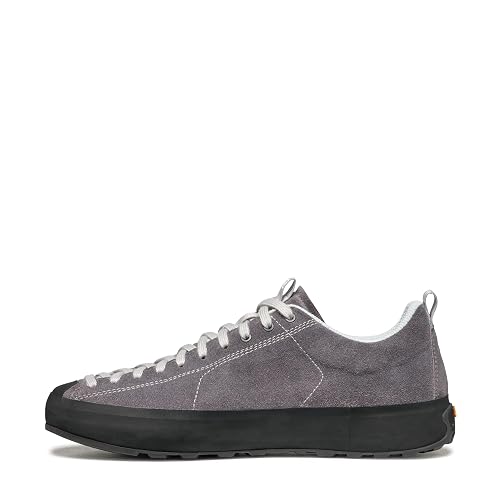
SCARPA Mojito Wrap Walking Shoes
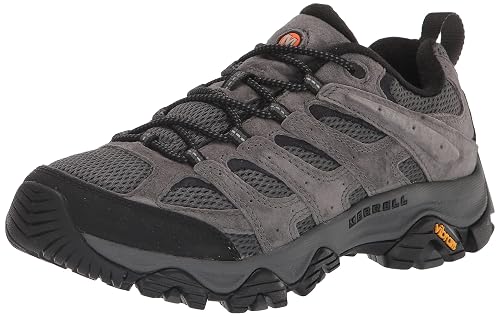
Merrell Moab 3 Hiking Shoe
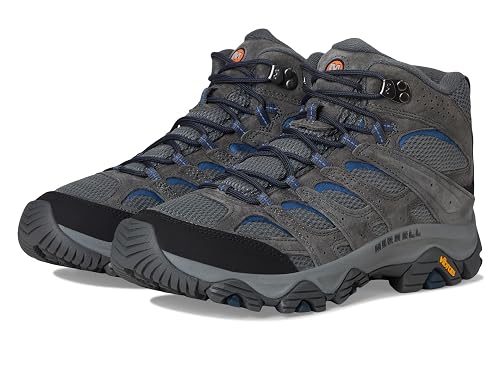
Merrell Moab 3 Mid Hiking Boot
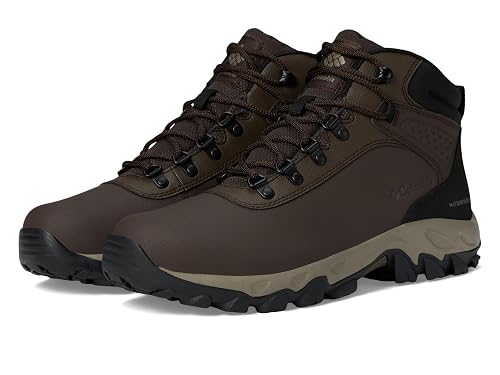
Columbia Newton Explorer
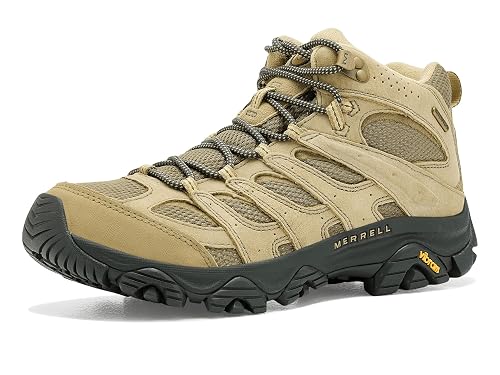
Merrell Moab 3 Mid Waterproof
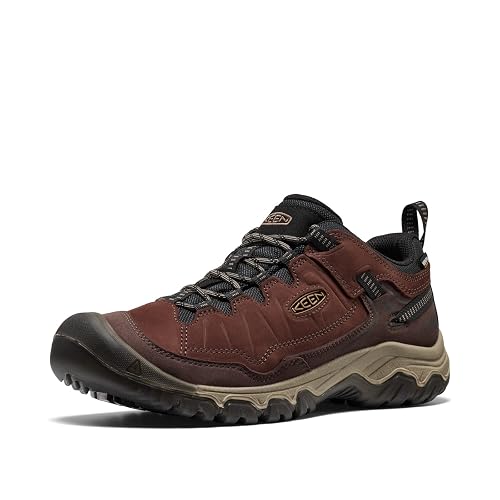
KEEN Targhee 4 Low Waterproof

adidas Terrex Free Hiker 2.0 GTX

KEEN KS86 Retro Sneakers
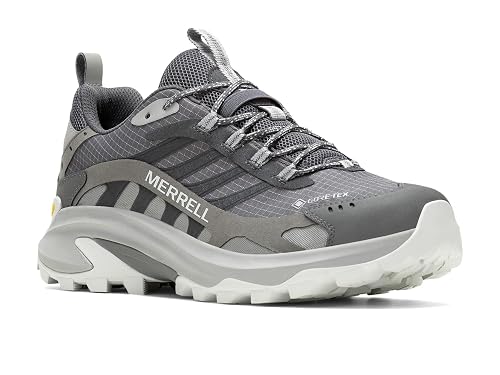
Merrell Moab Speed 2 GTX
adidas Terrex Free Hiker 2.0 GTX 9.5
Meet The Standout Selections
The SCARPA Mojito Wrap borrows its DNA from climbing footwear, where every gram matters and grip matters more. On a graded trail or a dusty fire road, that heritage pays off: you get a flat, sticky sole that feels honest on rock and a snug wrap around the midfoot that keeps your foot centered on uneven ground. Compared to the Merrell Moab entries further down, this shoe asks for a tighter, more precise fit.
Travelers who split their time between walking cobblestone cities and short trails get the most from this design. It packs light, slips into a duffel without bulk, and handles a scramble up a stone staircase the way a casual sneaker cannot. Owners commonly note that the leather upper softens up after a few wears, but the shoe still rewards a precise fit from day one.
The Case For It
- Climbing-inspired sole delivers real grip on rock and root.
- Wrap-style lacing pulls the midfoot in evenly, reducing hot spots.
- Low profile makes it an easy travel companion in a packed bag.
- Suede and mesh upper breathes well on warm summer days.
Things To Consider
- No waterproof membrane listed, so wet grass will soak through.
- Less cushion than the Moab 3, which may matter on long days.
- Narrower fit than most hiking shoes, plan to size carefully.
Built With In Mind
Day hikers and travelers who want a precise, low-profile shoe for graded trails and city-to-trail transitions.
Look Elsewhere When
The Merrell Moab 3 suits you better when you want softer cushion and a roomier fit from the first step.
The Merrell Moab 3 is the kind of shoe most people picture when they think of a hiking shoe: low-cut, lace-up, ready to go straight out of the box. The redesigned insole gives the foot a more supportive platform than older Moab versions, and the midsole cushion softens each step on root-strewn paths. Compared to the SCARPA Mojito Wrap, this one trades precision for plushness.
The Vibram outsole, a high-traction rubber compound trusted across hiking categories, grips well on dirt, gravel, and dry rock. Beginners logging their first handful of real trails get a forgiving ride here. Depending on your foot width, the standard fit may run a touch narrow at the forefoot, so trying them on with trail socks is worth the effort.
The Helpful Details
- Updated insole gives the arch more support than earlier Moab versions.
- Vibram outsole holds traction on loose gravel and dry rock.
- Cushioned midsole reduces fatigue across multi-hour hikes.
- Breathable upper keeps feet cooler on warm days.
Worth Noting
- Not waterproof, so puddle days call for a different pick.
- Standard width may feel snug for very wide feet.
Key Specs
Made For
Beginners and casual hikers who want a comfortable, no-fuss shoe for dry trails and weekend trips.
Swap It Out When
The Columbia Newton Explorer fits you better when waterproofing matters more than breathability on your usual routes.
Where the Moab 3 low-cut leaves your ankle free to flex, the Moab 3 Mid wraps the joint in a supportive collar that steadies you on uneven ground. Carrying a loaded pack on a rocky descent is where the mid-cut pays for itself, since a rolled ankle can end a trip fast. The midsole is the same cushioned platform as the low-cut version.
Day hikers stepping up from local loops to longer routes with real elevation changes get a sensible upgrade path here. The Vibram outsole still bites on loose dirt, and the lacing reaches down far enough to lock the heel in place. For most backpackers, the trade-off is a bit more warmth in summer and a slightly heavier foot on the trail.
Real Benefits
- Mid-cut collar adds real ankle support on uneven descents.
- Familiar Moab fit makes the transition from low-cut easy.
- Same Vibram traction as the low-cut version.
Trade Offs
- Heavier than the low-cut Moab 3 by a noticeable margin.
- Warmer in summer heat because the ankle collar traps heat.
- Not waterproof, so wet snow or stream crossings will soak through.
Right Fit For
Hikers carrying daypacks over rocky, rooty terrain who want ankle security without moving to a full backpacking boot.
Consider Something Else When
The Merrell Moab Speed 2 GTX suits you better when you want a faster, lighter mid-cut with waterproofing for changeable weather.
The Columbia Newton Explorer brings a waterproof leather upper to the day-hiker category, paired with a cushioned midsole that returns energy across long walks. On a damp morning through pine woods or a muddy bridle trail, the waterproof layer keeps your socks dry where a standard mesh shoe would soak through. The leather also resists abrasion from sharp rocks better than most synthetics.
Commuters who walk through wet city parks before sunrise get a lot of use out of this build, and so do weekend hikers in shoulder seasons. The trade-off shows up when temperatures climb, since waterproof leather breathes less than the mesh uppers seen on the Moab 3. For most trail days in mild or cool weather, though, the comfort is hard to beat.
Bright Spots
- Waterproof leather upper keeps feet dry in wet conditions.
- Cushioned midsole softens impact on pavement and hard-packed trail.
- Durable construction holds up to scrub and rocky ground.
Points To Note
- Less breathable than mesh hikers, so summer use can run hot.
- Heavier than low-cut mesh options like the Moab 3.
Quick Facts
Who It Suits Best
Hikers in damp climates and shoulder seasons who want a comfortable, weather-ready day shoe.
A Better Fit Elsewhere
The Merrell Moab 3 Mid Waterproof fits you better when you also want ankle support for rocky terrain.
This waterproof take on the Moab 3 Mid seals the boot against rain, snowmelt puddles, and the kind of wet grass that ruins a regular mesh shoe by mile three. It keeps the supportive mid-cut collar that hikers trust from the standard Moab 3 Mid, then adds a membrane that holds water out without sealing all airflow. On a foggy trail in early spring, that balance matters.
Backpackers tackling shoulder-season routes where weather shifts hourly get the most from this build, and so do hikers in wet climates year-round. Compared to the Columbia Newton Explorer, this option adds ankle support for rocky descents. For most users, the waterproofing earns its weight on the first truly rainy trip.
What Stands Out
- Waterproof membrane keeps socks dry through wet grass and rain.
- Mid-cut collar adds ankle support on uneven ground.
- Same trusted Vibram outsole as the standard Moab line.
Honest Caveats
- Hotter than non-waterproof hikers in summer temperatures.
- Heavier than the low-cut Moab 3, which adds up on long miles.
Perfect Match For
Shoulder-season hikers and backpackers in wet climates who need ankle support and real weather protection.
Not Your Match When
The KEEN Targhee 4 Low Waterproof suits you better when you want a low-cut waterproof shoe with a roomier forefoot.
The KEEN Targhee 4 Low is built around a roomy forefoot, a signature of KEEN’s wider footwear platform that gives toes space to splay on long descents. The waterproof membrane seals out rain and wet trail, while the resilient cushion softens each step. Compared to the Merrell Moab 3, this shoe fits noticeably broader feet without forcing a half-size up.
Hikers with wide feet, those prone to forefoot cramping, and anyone who likes a generous toe box feel right at home here. The all-terrain tread grips mixed surfaces, from loose dirt to wet rock. In our view, the trade-off is a slightly bulkier look on-foot, which most users happily accept for the comfort gain.
What Helps Most
- Roomy toe box accommodates wide feet without pressure points.
- Waterproof membrane blocks rain and wet trail debris.
- Resilient cushioning holds up across many miles.
Minor Gripes
- Bulkier silhouette than narrower low-cut hikers.
- Heavier than the SCARPA Mojito Wrap by a clear margin.
Feature Snapshot
Who Should Grab It
Wide-foot hikers who want waterproofing, durability, and all-day comfort without stepping up to a mid-cut boot.
Another Choice May Suit
The Merrell Moab 3 Hiking Shoe fits you better when a narrower, lighter profile matters more than waterproofing.
The adidas Terrex Free Hiker 2.0 GTX leans hard into the athletic-shoe side of hiking footwear. The BOOST midsole, a foam technology that stores and releases energy with each step, keeps long miles feeling lively rather than flat-footed. A Gore-Tex membrane seals the upper against rain and wet brush. Together they make this a shoe for hikers who cover ground fast.
Thru-hikers, fast-packers, and anyone counting mileage on training hikes get the most from this design. The knit-style upper wraps the foot snugly without pinch points. Depending on your preference, the snug fit around the midfoot may feel closer than a traditional hiking shoe, so try them with the socks you plan to wear.
Practical Pluses
- BOOST midsole returns energy, reducing fatigue on long days.
- Gore-Tex membrane keeps feet dry in rain and wet brush.
- Lightweight build compared to traditional mid-cut boots.
Possible Compromises
- Sleeker upper offers less ankle protection than mid-cut boots.
- Energy-return feel may feel unfamiliar to traditional hikers.
Best Suited To
Long-distance hikers and fast-packers who want athletic cushioning with real waterproofing in one package.
Reach For A Different Pick When
The Merrell Moab Speed 2 GTX fits you better when you want trail-running DNA with aggressive lugs for technical terrain.
The KEEN KS86 sits at the intersection of casual sneaker and trail shoe, which is exactly the point. The retro-styled upper wears comfortably with jeans on a Saturday, while the aggressive tread grips dirt paths and gravel lots without missing a beat. Compared to the dedicated hikers elsewhere on this list, this one prioritizes style and versatility over technical performance.
Travelers packing one pair of shoes for a multi-purpose trip get a lot from this hybrid approach. The wider fit profile follows KEEN’s familiar platform, which broad-footed wearers often appreciate. For most users, the honest read is that this shoe handles a wide range of light duties well without pretending to be a backcountry boot.
The Good Stuff
- Aggressive tread grips better than typical casual sneakers.
- Retro styling works with everyday wardrobes.
- Wider KEEN fit suits many foot shapes comfortably.
Areas To Watch
- Not built for technical trails or heavy pack carries.
- Limited ankle support compared to mid-cut hikers.
Whose Shelf It Belongs On
Travelers and casual wearers who want one shoe for errands, light trails, and weekends without changing footwear.
Where A Sibling Pick Shines
The SCARPA Mojito Wrap suits you better when technical grip and hiking-specific construction matter more than casual styling.
The Moab Speed 2 GTX blends Merrell’s trail-running platform with the Moab family’s trail-ready construction. The Vibram TC5+ outsole uses a specially formulated rubber compound paired with redesigned traction lugs that bite into soft ground more confidently than standard hiking tread. A Gore-Tex liner keeps water out through wet crossings and steady rain.
Hikers who move at a brisker pace over mixed terrain get a real edge from this shoe, since it asks less energy per mile than heavier boots. Compared to the standard Moab 3, this version feels lighter and quicker underfoot. Depending on your typical load, the lower stack height may feel close to the ground on very rocky routes.
Positive Takeaways
- Aggressive Vibram lugs grip soft and loose terrain well.
- Gore-Tex liner adds reliable waterproofing for changeable weather.
- Lighter build rewards hikers who prefer a brisk pace.
Where It May Fall Short
- Lower stack height means less cushion on rocky, demanding trails.
- Reduced ankle support compared to mid-cut boots.
At A Glance
Who Will Love This
Fast-paced hikers who want trail-running DNA with waterproofing for wet, mixed terrain.
Skip It When
The adidas Terrex Free Hiker 2.0 GTX suits you better when plush cushioning matters more than aggressive traction.
This is the same adidas Terrex Free Hiker 2.0 GTX reviewed above, offered here in a 9.5 medium width for wearers between standard sizing points. The BOOST midsole, Gore-Tex liner, and lightweight build carry over exactly. The point of listing both versions is simple: fit is everything in a hiking shoe, and a half-size shift often makes the difference.
If the standard size of the Free Hiker 2.0 felt slightly off in the toe box or heel, this alternative width deserves a look. The construction behaves the same on trail, so your decision is really about which size matches your foot. In most cases, shoppers between sizes find this version easier to dial in.
Everyday Advantages
- Same BOOST midsole energy return as the standard listing.
- Gore-Tex liner delivers identical waterproofing.
- Alternative sizing helps wearers between standard widths.
Some Limits To Know
- Sizing-specific availability may shift over time.
- Same snug fit profile as the standard version, so not for wide feet.
The Right Fit
Wearers between standard sizes who want the Free Hiker 2.0 GTX platform dialed in for their specific foot length.
A Better Fit Elsewhere
The KEEN Targhee 4 Low Waterproof fits you better when you need a roomier forefoot over a precise midfoot wrap.
What To Weigh Before Picking A Pair
Fit rules everything else in hiking footwear, even more than brand or price. A shoe that matches your foot shape, with enough room to wiggle toes and a heel that locks in place, out-performs a more expensive shoe with the wrong last. Try any new pair on at the end of the day, when feet are slightly swollen, and wear the socks you plan to hike in.
Trail conditions matter just as much as fit. Dry, rocky, well-maintained paths reward lighter, low-cut shoes like the SCARPA Mojito Wrap or the Merrell Moab 3. Wet climates and shoulder seasons push toward waterproof builds such as the Columbia Newton Explorer or KEEN Targhee 4 Low. Heavier loads and rougher terrain earn the support of a mid-cut boot.
Cushioning, support, and traction each carry trade-offs. Plush midsoles feel great on long miles but can hide foot fatigue on technical ground. Stiff outsoles handle heavy packs but tire out casual hikers. Vibram rubber, used across most of the picks above, gives reliable grip, though lug depth changes bite on soft soil.
Maintenance extends the life of any hiking shoe. Brushing off mud after each walk, air-drying away from direct heat, and storing boots loosely rather than crushed under a shelf all help waterproof membranes and adhesives last longer. Owners commonly report that rotating between two pairs also stretches overall lifespan.
Key Considerations Across These Picks
Where Shoppers Go Wrong
The most common slip-up is buying for looks instead of fit. A hiking shoe that looks sharp but pinches at the forefoot will end a trip early. Sizing up by a half size, or moving to a wider last like KEEN’s platform, often solves the problem before it starts. Skipping in-store or at-home try-on with trail socks leads to the most avoidable returns.
Another trap is matching shoe to imagined adventures instead of real ones. Buyers who picture themselves on alpine ridges but mostly walk flat gravel loops end up with a stiffer, heavier boot than they need. Choosing for your actual 80% trail is the honest move. The other 20% can often be handled with a lighter spare pair later.
Where The Extra Money Goes
Higher-tier hiking shoes typically put the extra budget into three places: better waterproof membranes, longer-lasting midsole foams, and more durable outsole compounds. The Moab Speed 2 GTX and the adidas Terrex Free Hiker 2.0 GTX illustrate this clearly, since both pair premium traction and cushion with proven weather protection.
For most hikers, the upgrade is worth it once you start logging longer miles, carrying real weight, or hiking in genuinely wet conditions. Casual day walkers on dry, easy terrain often find mid-tier picks deliver everything they need without the added cost. The honest read is that premium features pay off when your trips ask for them.
Frequently Asked Questions
Do I need waterproof hiking shoes?
Waterproof shoes help most in wet climates, muddy trails, and shoulder seasons with frequent rain. For dry, well-drained summer routes, breathable non-waterproof shoes like the Merrell Moab 3 often feel more comfortable.
How should hiking shoes fit?
Your toes should have a thumb’s width of space at the front, and your heel should not lift when walking downhill. Fit at the end of the day, with your hiking socks on, to mimic how your feet swell over long miles.
How long do hiking shoes last?
Most hikers get somewhere between 500 and 1,000 miles from a quality pair, depending on terrain and care. Rotating between two pairs, cleaning off mud, and air-drying away from heat all help extend lifespan.
Low-cut or mid-cut hiking boots?
Low-cut shoes suit day hikes on moderate terrain and reward a natural stride. Mid-cut boots add ankle support that helps on rocky descents and when carrying a loaded pack, at the cost of a bit more weight.
Can I use trail running shoes for hiking?
Trail runners like the Moab Speed 2 GTX work well for fast, light hikes on maintained trails. For rough terrain, heavy loads, or wet conditions, a dedicated hiking shoe or boot usually gives more confidence underfoot.
Bottom Line
Ten solid men’s hiking shoes and boots sit in front of you, from the precise SCARPA Mojito Wrap to the cushioned adidas Terrex Free Hiker 2.0 GTX and the supportive Moab 3 Mid. Match the build to your real trails, your real weather, and your real foot shape, and any of these picks will carry you well. Your feet will tell you the rest on the trail.