
Trekking shoes carry you through unpredictable miles, so picking the right pair shapes every step of the journey. This roundup breaks down ten solid options across hiking shoes, mid boots, waterproof builds, and a casual hybrid for days that don’t quite hit the trailhead. You get honest trade-offs, real ownership considerations, and a clear sense of which profile each shoe suits best.
The Main Contenders
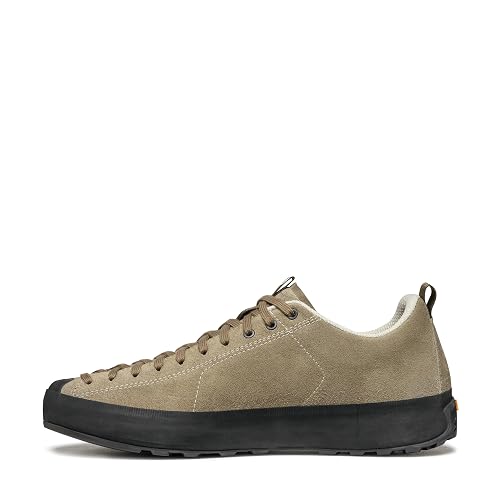
SCARPA Men’s Mojito Wrap Walking Shoes

adidas Women’s Terrex Trailmaker 2.0 Mid GTX
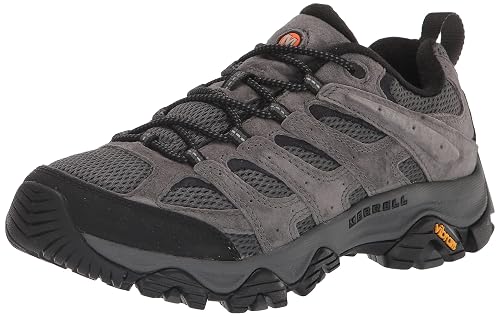
Merrell Men’s Moab 3 Hiking Shoe
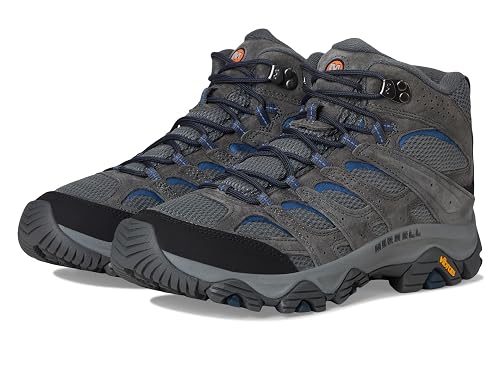
Merrell Men’s Moab 3 Mid Hiking Boot
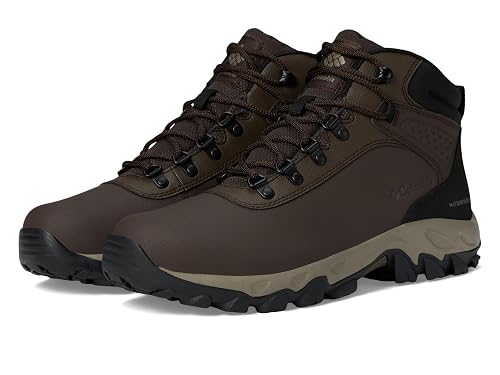
Columbia Newton Explorer
Merrell Moab 3 Mid Waterproof
KEEN Men’s Targhee 4 Low Waterproof
Terrex Free Hiker Gore-TEX 2.0

KEEN Men’s KS86 Retro Sneakers
The Details Behind The Selections
The Mojito Wrap sits in the approach-shoe category, which means it borrows climbing-shoe DNA and adapts it for trail walking. You get a low-cut profile, a wrap-style rand around the toe for toe protection on rocky ground, and a snug lacing system that lets you tune the fit across the forefoot and midfoot.
It shines on dry, rocky terrain where you want grip and ground feel rather than a heavily cushioned ride. Compared to the Moab 3 Hiking Shoe further down the list, this one feels more agile underfoot and less like a padded cruiser. Treat it as a travel-friendly hiking companion rather than a wet-weather workhorse, since it lacks a waterproof membrane.
Points In Its Favor
- Low-cut, lightweight build suits fast day hikes and travel days where pack weight matters.
- Wrap rand shields toes from rock strikes on talus and scree fields.
- Snug lacing system locks the foot in place during sideways moves on uneven ground.
- Climbing-shoe heritage delivers grippy traction on rock and dry slabs.
- Styling transitions easily from trailhead to town, useful for one-bag travel.
Points To Keep In Mind
- No waterproof membrane, so wet trails and stream crossings mean soaked feet.
- Low ankle stack means less support on long descents with heavy loads.
- Suede-like upper may need light cleaning and conditioning over time.
Feature Snapshot
Right Fit For
Travelers and hikers who tackle dry, rocky terrain and want one pair for trail and town without changing shoes.
Swap It Out When
The Merrell Moab 3 Mid Waterproof is a better match for anyone logging long miles in wet conditions or carrying heavier packs.
The Terrex Trailmaker 2.0 Mid pairs a Gore-Tex waterproof membrane (a waterproof yet breathable lining that keeps water out while letting heat escape) with adidas’s BOOST midsole, which compresses and springs back to add energy return under each step. The mid-top collar rises above the ankle bone for added stability on uneven ground, while the upper uses a soft, supportive material that flexes with your foot instead of fighting it.
This shoe fits women tackling long walks through damp forests or shoulder-season rain. Compared to the SCARPA Mojito Wrap above, the Trailmaker trades rock-feet agility for plush, energy-returning comfort and a fully waterproof build. The trade-off shows up in weight, as this shoe runs a bit chunkier than a barefoot-style approach shoe.
Where It Delivers
- BOOST midsole adds noticeable energy return on long, flat approaches.
- Gore-Tex membrane keeps feet dry through wet grass, puddles, and rain.
- Mid-top collar stabilizes the ankle on rolling terrain and rocky descents.
- Breathable upper prevents the clammy feel common in waterproof shoes.
Trade Offs
- Heavier than low-cut trail runners, which adds fatigue on very long days.
- Cushioned ride reduces ground sensitivity on technical scrambles.
Quick Facts
Best Suited To
Women who hike in damp climates or shoulder seasons and want a cushioned ride with waterproof confidence on multi-hour walks.
Look Elsewhere When
The SCARPA Mojito Wrap is a better match for hikers who want a lighter, ground-feeling shoe on dry rocky terrain.
The Moab 3 keeps the classic low-cut hiking-shoe formula alive: a supportive insole, a cushioned midsole, and a Vibram outsole (a high-traction rubber outsole known for grip on varied surfaces) tuned for grip on mixed trail surfaces. Merrell focused Version 3 on softer cushioning underfoot and a more supportive insole shape, which keeps feet happy on long days.
This is the shoe you reach for when you want a familiar, low-fuss option for day hikes, light backpacking, and casual weekend trail work. The honest read is that the Moab line has been around long enough that the fit and feel are well understood. Compared to the Terrex Trailmaker 2.0 above, the Moab trades BOOST-style energy return for a more traditional, supportive ride that many hikers trust.
The Upside
- Vibram outsole grips well on loose dirt, rock, and dry trail.
- Cushioned midsole absorbs impact on rocky descents.
- Low-cut design keeps the shoe light and breathable.
- Wide toe box fits a variety of foot shapes comfortably.
Small Caveats
- Lacks a waterproof membrane, so wet conditions can be uncomfortable.
- Low collar offers limited ankle support on uneven terrain.
Who Should Grab It
Day hikers who want a familiar, comfortable low-cut shoe for fair-weather trail use and don’t need waterproofing.
A Better Fit Elsewhere
The Merrell Moab 3 Mid Waterproof is the natural upgrade for anyone who needs ankle support and waterproofing on the same trail system.
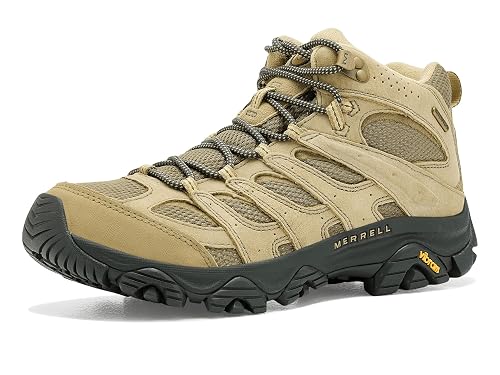
The Moab 3 Mid takes the familiar Moab platform and adds a mid-cut collar that wraps above the ankle. That extra height does meaningful work on rocky trails, uneven descents, and anywhere your foot wants to roll on the side. You keep the same Vibram outsole, supportive insole, and softer midsole as the low-cut Moab 3 above.
This is the boot that fits hikers carrying daypack loads across choppy terrain where ankle stability matters. Compared to the Terrex Trailmaker 2.0 Mid reviewed earlier, this Merrell trades BOOST energy return for a more grounded, traditional hiking-boot feel. Worth noting though that the mid-cut collar adds weight that builds up over long mileage.
Benefits That Matter
- Mid-cut collar stabilizes the ankle on rolling, uneven terrain.
- Vibram outsole grips confidently across dirt, gravel, and rock.
- Supportive insole reduces foot fatigue on multi-hour hikes.
- Cushioned midsole softens impact on rocky descents.
Worth Noting
- Non-waterproof upper struggles in wet or snowy conditions.
- Heavier than low-cut hiking shoes, which can tire legs over distance.
Built With In Mind
Hikers tackling rocky, uneven trails with a daypack who want extra ankle security without moving into a full backpacking boot.
Another Choice May Suit
The adidas Terrex Trailmaker 2.0 Mid is worth a look for hikers who want waterproofing and energy-return cushioning on similar terrain.
The Newton Explorer leans into all-day comfort with Columbia’s Techlite midsole, a lightweight foam designed for long-lasting cushioning and high energy return, plus their Omni-Tech waterproof breathable construction, which seals out water while letting heat and sweat vapor escape. The upper uses waterproof leather with metal hardware, giving the shoe a sturdy, well-built feel that should hold up over time.
This is a reliable pick for hikers who rack up trail mileage and want one shoe that handles dirt, rocks, and wet weather without fuss. Compared to the Moab 3 Hiking Shoe earlier, the Newton Explorer adds waterproofing and a more structured leather upper. You may find the leather build slightly heavier than a mesh-based hiking shoe, which is the trade-off for added durability.
Standout Benefits
- Techlite midsole cushions long trail days without bottoming out.
- Omni-Tech waterproof layer keeps feet dry in rain, dew, and shallow crossings.
- Waterproof leather upper resists abrasion on rough trails.
- Metal hardware adds durability where lacing stress concentrates.
A Few Limitations
- Leather upper runs warmer than mesh in summer conditions.
- Heavier build may tire feet on very long approaches.
- Structured upper needs a break-in period before feeling fully comfortable.
At A Glance
Who It Suits Best
Hikers who log long trail days in mixed weather and want a waterproof, cushioned shoe that handles varied conditions.
Consider Something Else When
The KEEN Targhee 4 Low is worth considering for shoppers who want a lighter, low-cut waterproof shoe for warm-weather use.
This Moab variant layers in a waterproof membrane over the familiar mid-cut Moab platform. You get ankle support from the higher collar, traction from the Vibram outsole, and now a sealed inner bootie (a built-in waterproof sock inside the shoe) that keeps spring mud and rain out of the equation.
It’s the obvious pick for hikers who want the Moab fit and feel plus wet-weather confidence. Compared to the non-waterproof Moab 3 Mid reviewed earlier, this one trades breathability for water protection. The trade-off shows up in warmer months, where the waterproof barrier can trap heat during high-output climbs.
Key Advantages
- Waterproof membrane blocks mud, rain, and shallow water crossings.
- Mid-cut collar stabilizes the ankle on uneven terrain.
- Vibram outsole grips securely on wet rock and loose dirt.
- Supportive insole reduces fatigue over multi-hour hikes.
- Cushioned midsole softens impact on rocky descents.
Honest Caveats
- Waterproof barrier traps heat on hot, dry days.
- Slightly heavier than the non-waterproof Moab 3 Mid.
- Membrane performance can degrade over years of heavy use.
Key Product Details
Made For
Hikers in wet climates or spring mud season who want ankle support and waterproofing in a familiar, well-known fit.
Reach For A Different Pick When
The adidas Terrex Trailmaker 2.0 Mid is a smarter choice for hikers who want a lighter, energy-returning mid-cut in similar wet conditions.
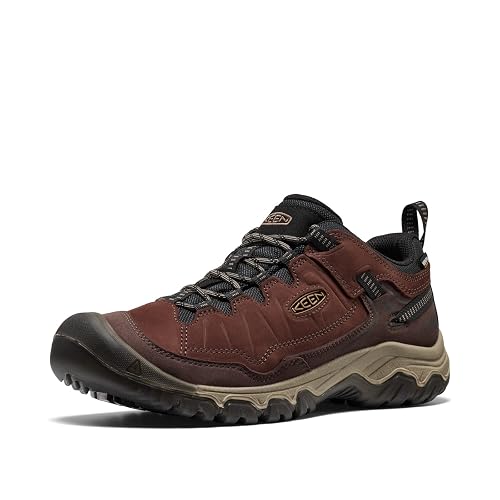
The Targhee 4 Low uses a fused upper-and-outsole construction, a process that bonds the upper directly to the midsole and outsole for fewer weak points over time. Add KEEN.DRY waterproof lining and all-terrain traction, and you get a low-cut hiking shoe designed to outlast cheaper builds. The wider last follows KEEN’s traditional fit, which gives toes room to splay on long descents.
This is the shoe for hikers who put gear through real abuse and want something that holds up season after season. Compared to the Columbia Newton Explorer reviewed above, the Targhee trades leather durability for a lighter, more breathable build. Owners commonly report the direct-attach construction feeling stiffer at first, but breaking in nicely after a few outings.
What Pays Off
- Direct-attach construction resists separation over years of use.
- KEEN.DRY waterproof lining seals out water while remaining breathable.
- All-terrain outsole grips dirt, rock, and loose gravel.
- Wider toe box lets toes splay naturally on long descents.
Softer Spots
- Direct-attach build feels stiffer out of the box than stitched shoes.
- Heavier than minimalist trail runners in the same category.
Perfect Match For
Hikers who want a long-lasting, waterproof low-cut hiking shoe and appreciate KEEN’s roomier fit philosophy.
Where A Sibling Pick Shines
The Columbia Newton Explorer is a better fit for shoppers who want a leather upper and Techlite cushioning for similar multi-day use.
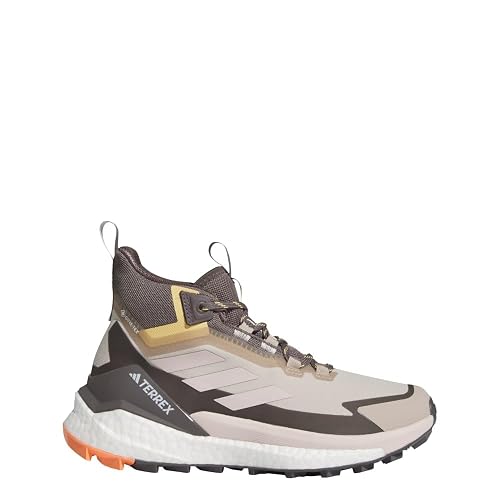
The Terrex Free Hiker 2.0 is built around a BOOST midsole, a cushioning system known for its responsive, springy feel that returns energy with each step. Wrapped in a Gore-Tex waterproof membrane and a soft, supportive upper, it’s designed to extend your range on thru-hikes and multi-day trips where energy return matters over many hours. The low-cut collar keeps weight down compared to mid-cut options.
This shoe fits hikers logging long distances who want a plush, energy-returning ride and waterproof confidence. Compared to the KEEN Targhee 4 Low reviewed above, the Terrex Free Hiker trades KEEN’s wider toe box for a more athletic, snug fit. The catch is that BOOST cushioning is heavier than traditional EVA foam, so the shoe feels chunky on shorter outings.
Useful Strengths
- BOOST midsole delivers energy return on long, sustained miles.
- Gore-Tex membrane seals out rain and wet trail conditions.
- Soft, supportive upper reduces pressure points over multi-day use.
- Lightweight relative to most waterproof hiking shoes in this category.
Some Limits To Know
- BOOST cushioning adds noticeable weight compared to minimalist builds.
- Snug fit may feel tight on wider feet.
Whose Shelf It Belongs On
Thru-hikers and multi-day backpackers who want cushioning, waterproofing, and energy return over long trail days.
Skip It When
The Merrell Moab 3 Hiking Shoe is a better fit for casual day hikers who want a lighter, lower-profile shoe on dry trails.
The KS86 mixes retro sneaker styling with hiking-shoe practicality. You get an aggressive tread for grip, KEEN’s traditional wider footwear fit, and a choice between recycled mesh or environmentally preferred leather uppers. It’s a lifestyle-leaning shoe that can handle gravel paths, park trails, and city walking without missing a beat.
This is the shoe for casual wearers who want trail-ready grip without the technical look of a hiking boot. Compared to the Moab 3 Hiking Shoe earlier, the KS86 trades Vibram-class hiking traction for a more sneaker-style feel that’s lighter on the foot. Worth noting that the upper lacks a waterproof membrane, so the shoe isn’t built for wet trails.
What Works In Its Favor
- Retro sneaker styling transitions easily from trail to town.
- Aggressive tread grips gravel paths and light trails.
- Wider KEEN fit accommodates varied foot shapes comfortably.
- Recycled mesh option offers a lighter, more breathable build.
- Lower profile than a hiking shoe, easier to wear casually.
Room For Improvement
- No waterproof membrane for wet conditions.
- Less cushioning than dedicated hiking shoes on long walks.
- Not built for technical terrain or heavy loads.
Who Will Love This
Casual walkers and travelers who want trail-capable grip with sneaker styling for light paths and everyday wear.
Not Your Match When
The SCARPA Mojito Wrap is the stronger pick for hikers who want real trail performance and toe protection on rocky ground.
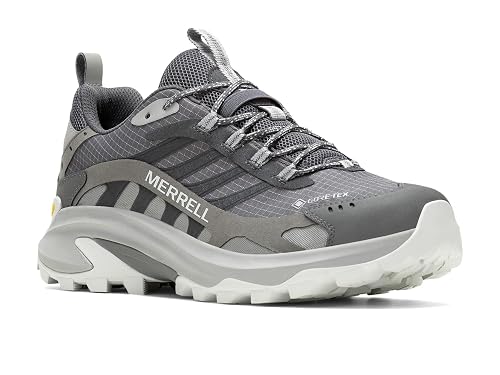
The Moab Speed 2 GTX takes the Moab platform and applies athletic-shoe thinking. Vibram TC5+ rubber (a Vibram rubber compound tuned for high-traction grip on wet and dry surfaces) pairs with new traction lugs for grip, while a Gore-Tex membrane adds waterproofing. The result is a hiking shoe that feels closer to a trail runner than a traditional hiker.
It’s designed for hikers who move quickly on the trail and want waterproofing without giving up athletic responsiveness. Compared to the Moab 3 Hiking Shoe earlier, this one trades pure comfort-first cushioning for a faster, more agile ride. You may find the reduced stack height leaves less protection underfoot on sharp rock.
The Value In It
- Vibram TC5+ rubber with new traction lugs grips well on varied terrain.
- Gore-Tex membrane keeps feet dry in wet conditions.
- Athletic shoe geometry supports a faster hiking pace.
- Lower profile than a traditional hiking shoe.
Things To Consider
- Lower stack height means less underfoot protection on sharp rock.
- Less cushioning than the classic Moab 3 for comfort-first hikers.
- Reduced ankle coverage compared to mid-cut options.
Feature Rundown
Right Fit For
Active hikers who prioritize pace and agility on the trail and want waterproofing without the bulk of a traditional hiking boot.
Where Another Pick Suits Better
The KEEN Targhee 4 Low is a more comfortable choice for hikers who prefer a wider fit and longer-lasting cushioning on multi-day trips.
What To Weigh Before Choosing Shoes For Trekking
Trail shoes live or die by a handful of attributes that matter more than brand reputation or color choice. Getting these right saves you blisters, sore ankles, and a shoe that falls apart after one wet season.
Fit and Last Shape. The single biggest factor. A last is the foot-shaped mold around which a shoe is built, and it determines width, toe-box volume, and overall volume. Try shoes on at the end of the day when feet are slightly swollen, and leave a thumbnail’s width at the front of the longest toe. You want enough room for toes to splay on descents without your foot sliding around.
Outsole Compound and Lug Depth. Vibram rubber and similar compounds grip on wet rock, loose dirt, and packed trail. Lug depth (the height of the tread blocks on the outsole) matters: shallow lugs suit road-to-trail use, while deeper lugs bite into mud and loose terrain. Day hikers usually want 3-5 mm lugs; backpackers in soft ground want more.
Waterproof vs. Breathable. A Gore-Tex or similar membrane keeps water out but traps heat. For summer hiking in dry climates, skip waterproofing for breathability. For wet climates, shoulder seasons, or stream crossings, waterproofing is worth the heat trade-off.
Cushioning vs. Ground Feel. Plush midsoles (EVA, BOOST) absorb impact on rocky trails but reduce the ability to feel the ground. Minimal cushioning gives better proprioception (your foot’s sense of position and terrain underfoot) and lighter weight, but transfers more impact to joints. Choose based on trail roughness and joint sensitivity.
Key Considerations Across These Picks
Mistakes Worth Dodging
Going waterproof when you don’t need it is a common trap. Waterproof membranes trap heat and dry slowly, so a hot-climate day hiker in a Gore-Tex shoe ends up with soaked feet from sweat instead of rain. Match the membrane to your actual conditions.
Picking shoes based on looks without trying them on is another pitfall. Last shapes vary wildly between brands and even between models within the same brand. The Moab 3 fits many feet, but the Terrex Free Hiker runs narrower. Always try before committing.
When Paying More Pays Off
Higher-tier hiking shoes add cost through better outsole compounds, more durable upper materials, and refined midsole foams. The upgrade pays off for hikers logging many miles per season or tackling technical terrain. For occasional weekend day hikes on tame trails, mid-tier options deliver most of the benefit at lower cost.
Premium builds also tend to use direct-attach or fused construction, which bonds the upper directly to the midsole rather than stitching them together. That construction resists separation over years of wet-dry cycles, so the upgrade makes sense for hikers who keep gear for multiple years rather than replacing shoes seasonally.
Frequently Asked Questions
What is the difference between hiking shoes and trekking shoes? Hiking shoes typically refer to low or mid-cut designs aimed at day hikes and light backpacking, while trekking shoes often describe similar low-to-mid-cut designs built for multi-day treks. The categories overlap significantly, and many models work for both.
Do I need waterproof shoes for Trekking? Waterproof shoes help in rain, snow, and stream crossings, but they trap heat on dry trails. Choose waterproofing for wet climates or shoulder seasons, and skip it for summer hiking in arid regions.
How long do trekking shoes typically last? Most trekking shoes last 500-800 miles of trail use before midsole foam and outsole tread wear down. Heavy backpackers and rugged terrain shorten that lifespan, while fair-weather day hikers can often exceed it.
Should I size up for trekking shoes? Sizing up by a half size is common to leave room for foot swelling on long descents. Your toes should have a thumbnail’s width of space at the front of the longest toe when standing.
Can I use running shoes for trekking? Trail runners work for non-technical day hikes on well-maintained paths. For technical ground, ankle support, or rough terrain, dedicated trekking shoes provide the protection running shoes lack.
The Takeaway
Your best trekking shoe depends on terrain, climate, and mileage. Match waterproofing to your wettest conditions, choose cushioning based on joint sensitivity, and prioritize fit above all else. Try shoes late in the day, leave room for toe splay, and trust a wider last if your feet spread under load. The right pair disappears under you, so you forget about your feet and focus on the trail ahead.