
A muddy spring loop, a rocky ridge in late summer, a wet scramble through fall leaf litter: the right pair of shoes for trail hiking quietly decides whether you enjoy the day or fight your feet the whole time. Trail conditions vary wildly, so the smartest choice starts with how and where you actually hike. This roundup walks through ten solid options, with honest trade-offs, so you can pick a pair that fits your terrain, your pack weight, and your appetite for cushion versus stability.
A Quick View Of The Lineup
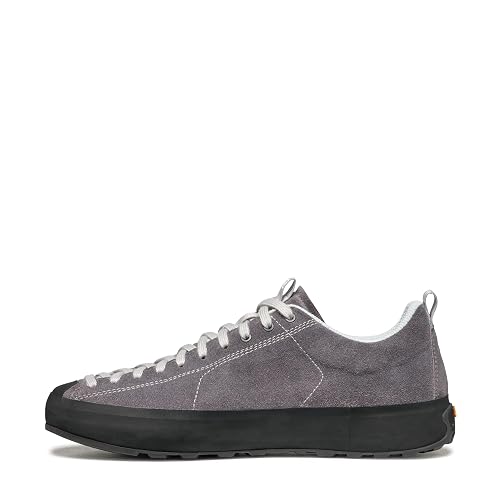
SCARPA Mojito Wrap Walking Shoes
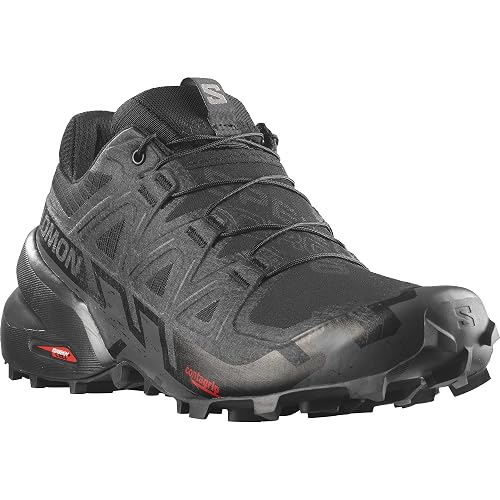
Salomon Speedcross 6
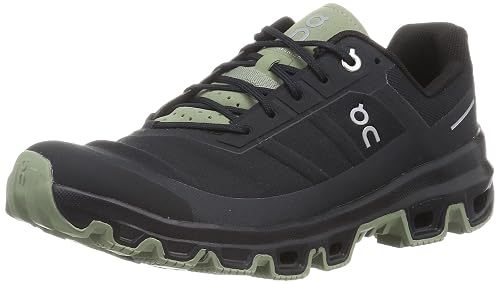
On Cloudhorizon Waterproof
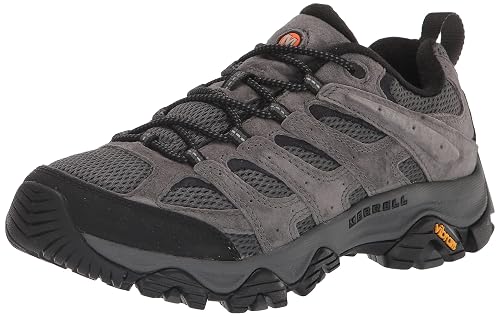
Merrell Moab 3 Hiking Shoe
Merrell Moab 3 Mid Hiking Boot
Columbia Newton Explorer
Merrell Moab 3 Mid Waterproof
KEEN Targhee 4 Low Waterproof

KEEN KS86 Retro Sneakers
Merrell Moab Speed 2 GTX
Inside Each Recommended Option
The SCARPA Mojito Wrap borrows its silhouette from climbing approach shoes, and you feel that heritage the moment you lace them. Low to the ground, snug around the midfoot, and flexible enough to smear on rock, this is a shoe for hikers who want a connected, precise feel on the trail rather than a pillowy ride. Compared with the plush On Cloudhorizon further down the list, this is the opposite end of the spectrum: less cushion, more ground feedback.
For fast day hikes on dry, rocky terrain, or for hikers transitioning from approach shoes, the Mojito Wrap delivers a confident, low-profile ride. The wrap-style upper hugs the foot well, which helps on steep side slopes where looser shoes tend to slide around. If your hikes tend to be on smooth fire roads or involve long miles of flat pavement, the minimal stack height may feel harsh.
Where It Delivers
- Low-profile feel gives real foot-to-trail sensitivity on rocky ground.
- Snug midfoot wrap keeps the foot planted during side hilling.
- Lightweight construction reduces fatigue on long day hikes.
- Versatile enough to move from trail to casual wear without looking out of place.
Worth Noting
- Minimal cushion may feel punishing on long flat miles or hardpack.
- Not designed as a waterproof option, so wet grass and shallow streams will soak through.
- Sizing runs narrow; wide-foot hikers may feel pressure across the forefoot.
Made For
Fast hikers on dry, rocky terrain who want ground feel over cushion and value a shoe that works for travel days too.
Skip It When
The On Cloudhorizon Waterproof is a better match for you if you hike long, flat miles and want plush cushion with weather protection.
The Salomon Speedcross 6 is built for one thing: digging into soft ground. Its tall, widely spaced lugs bite into mud, wet grass, and loose dirt in a way most hikers find hard to match. Where the SCARPA Mojito Wrap trades grip for ground feel, the Speedcross leans fully into traction and a fast, locked-down fit.
For hikers who log miles on muddy singletrack or who treat their hikes like a trail run, this is a familiar and trusted choice. The aggressive outsole sheds mud well and keeps you upright on steep, slick descents. The trade-off is a stiffer ride and a louder, cloppier footstrike on hardpack or pavement.
Real-World Strengths
- Deep, widely spaced lugs grip mud, loose dirt, and wet roots confidently.
- Locked-down heel pocket reduces slip on steep descents.
- Quick-lace system lets you fine-tune fit on the fly without stopping.
Trade Offs
- Lugs wear down faster on rocky or pavement-heavy routes.
- Less protective underfoot than a traditional hiking shoe like the Merrell Moab 3.
- Runs warm in summer; the dense upper offers limited airflow.
Feature Snapshot
Best Suited To
Runners and fast hikers who tackle wet, muddy, or root-heavy trails and want aggressive grip over plush cushion.
Look Elsewhere When
The Merrell Moab 3 Hiking Shoe is the better choice if you mostly hike dry, rocky trails and want a softer, more protective underfoot feel.
The On Cloudhorizon Waterproof is the most cushioned pick in this lineup. On’s signature CloudTec Phase midsole softens every step, and the waterproof membrane keeps your socks dry through puddles, damp grass, and light rain. Compared with the minimalist SCARPA Mojito Wrap or the grip-focused Salomon Speedcross, this is a different philosophy: comfort first, terrain second.
For hikers who spend long days on hardpack, gravel roads, or moderate trail, the cushioning really shines. You feel less beaten up at the end of a 10-mile day, and the waterproof upper helps when weather turns sideways. The trade-off shows up on technical, rocky terrain, where a softer midsole transfers more shock to your feet.
What Makes Sense
- CloudTec Phase midsole softens hardpack and road miles noticeably.
- Waterproof construction keeps feet dry through shallow stream crossings.
- Smooth rocker shape reduces fatigue on long, flat stretches.
Points To Keep In Mind
- Less stable on uneven, technical terrain than a firmer hiking shoe.
- Waterproof membrane reduces breathability in warm, dry climates.
- Lugs are shallower than on the Speedcross 6, so mud traction suffers.
Right Fit For
Hikers covering long miles on hardpack or fire roads who want plush cushion and weather protection in a single shoe.
Another Choice May Suit
The KEEN Targhee 4 Low Waterproof is a smarter pick for you if your routes involve rougher trails and you need a tougher upper.
The Merrell Moab 3 has been one of the most familiar names on trailheads for a long time, and version 3 keeps that reputation intact. It walks comfortably right out of the box, thanks to a softer, more cushioned midsole and a redesigned insole that supports the arch better than previous generations. Compared with the On Cloudhorizon, the Moab 3 has a firmer feel that feels more secure on uneven ground.
For weekend hikers who want one shoe that handles a variety of trails, this is a safe, well-rounded pick. The Vibram outsole grips well on mixed surfaces, and the suede and mesh upper balances breathability with reasonable durability. It is not the lightest shoe here, but for general versatility, the trade is fair.
What Helps Most
- Familiar, out-of-the-box comfort works well for new hikers.
- Vibram outsole grips mixed terrain reliably.
- Balanced support handles moderate trail loads with a daypack.
- Repair-friendly build; resoling services can extend the life of the shoe.
Small Caveats
- Heavier than trail runners like the Speedcross 6 or Cloudhorizon.
- Mesh panels can let in moisture during heavy stream crossings.
Feature Rundown
Whose Shelf It Belongs On
Recreational hikers who want a comfortable, do-it-all shoe for weekend trails without committing to a specific niche design.
Where A Sibling Pick Shines
Reach for the Merrell Moab Speed 2 GTX instead when you want the same fit with a lighter, more athletic feel and a waterproof membrane.
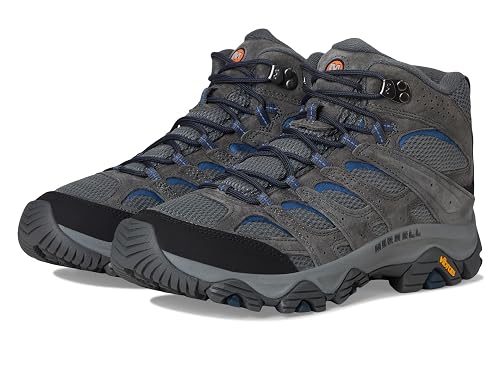
The Merrell Moab 3 Mid adds ankle-height coverage to the familiar Moab platform. For hikers who roll ankles on rocky terrain or who carry heavier daypacks, that extra height makes a real difference. Compared with the low-cut Moab 3 Hiking Shoe, you trade a bit of agility for stability on side slopes and uneven ground.
You still get the same Vibram outsole and updated midsole cushioning, so the ride feels familiar. Where the low-cut Moab excels at fast hiking, the mid version is more about steady, confident walking on rougher trails. The added material around the ankle also helps keep trail debris out.
Useful Touches
- Mid-cut design stabilizes ankles on rocky and uneven terrain.
- Higher collar blocks trail debris like grit and small pebbles.
- Same Vibram outsole grip as the low-cut Moab 3.
Some Limits To Know
- Heavier than low-cut hiking shoes, which can slow fast hikers down.
- Not waterproof by default, so wet conditions may require the Moab 3 Mid Waterproof version instead.
- Mid height runs warm in summer shoulder-season conditions.
Who Should Grab It
Hikers tackling uneven, rocky terrain or carrying heavier packs who value ankle stability over speed.
A Better Fit Elsewhere
The Merrell Moab 3 Hiking Shoe is a better match when you want the same Moab feel but with a lighter, low-cut profile.
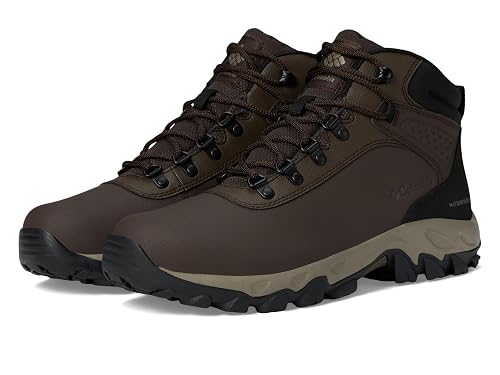
The Columbia Newton Explorer is built for hikers who keep going through damp conditions. Its waterproof leather upper and Omni-Tech membrane keep rain and shallow puddles out, while the Techlite midsole keeps weight reasonable. Compared with the On Cloudhorizon, this shoe leans more toward protection than plush cushioning.
For hikers in wetter climates or shoulder seasons, this is a dependable choice. The leather upper resists abrasion better than mesh, so it holds up against rocks and rough brush. The trade-off is less breathability, and on hot dry days, your feet will feel the heat.
Well-Handled Touches
- Waterproof leather upper handles wet brush and stream crossings.
- Techlite midsole returns energy on longer days.
- Durable construction holds up to rough brush and rocky ground.
Honest Caveats
- Leather upper runs warm in summer heat.
- Break-in period is longer than for a mesh shoe.
- Heavier than trail runners like the Speedcross 6.
Built With In Mind
Hikers in damp climates or shoulder seasons who want weather protection and durable construction over breathability.
Swap It Out When
The Merrell Moab Speed 2 GTX is the better pick when you want waterproofing but prefer a lighter, athletic hiker feel.
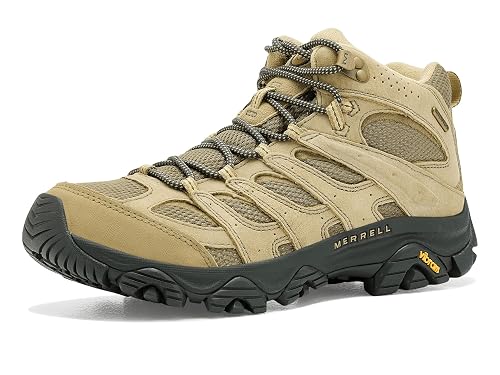
The Merrell Moab 3 Mid Waterproof combines the ankle support of the mid-cut Moab with a waterproof membrane built into the boot. For hikers who want one boot that handles rain, shallow stream crossings, and uneven ground without switching footwear, this fills that role well. Compared with the Columbia Newton Explorer, this version has the familiar Moab fit and feel.
You get the same Vibram outsole and cushioned midsole as the standard Moab 3, plus the added membrane that keeps moisture out. The trade is heat buildup, and on long dry climbs your feet may get clammy despite the waterproof layer.
The Value In It
- Waterproof membrane keeps feet dry through wet trails and stream crossings.
- Mid-cut height stabilizes ankles on rocky terrain.
- Same comfortable Moab fit hikers are familiar with.
Practical Considerations
- Waterproofing reduces breathability on hot, dry hikes.
- Heavier than the low-cut Moab 3 or trail runners.
- Membrane performance can degrade over time if the boot is not cleaned and dried properly.
Quick Facts
Perfect Match For
Hikers facing wet shoulder-season trails who want ankle support and waterproofing in a familiar Moab platform.
Not Your Match When
The On Cloudhorizon Waterproof is a better pick when you want weather protection in a lighter, lower-cut profile.
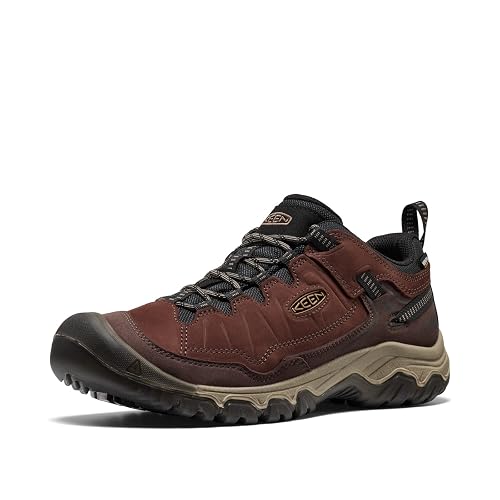
The KEEN Targhee 4 Low is one of the toughest shoes in this lineup. Its fused upper construction and direct-attach build create a durable, weather-resistant shoe that holds up to heavy use. The KEEN.DRY waterproof lining keeps feet dry through wet trails, while the wider toe box gives your toes room to splay on long descents.
For hikers who log serious mileage or who treat their shoes roughly, the Targhee 4 is built to absorb that abuse. It feels sturdier than the Merrell Moab 3 and more protective than the Speedcross 6. The trade is weight; this is not the shoe for fast, light hiking.
Notable Gains
- Direct-attach fused construction resists abrasion over many seasons.
- Wide toe box accommodates natural foot splay on long descents.
- KEEN.DRY lining blocks water while managing moisture reasonably.
- All-terrain outsole handles rocks, roots, and loose dirt.
Factors To Consider
- Heavier than trail runners or athletic hikers.
- Stiffer ride takes longer to break in than softer options.
- Wider fit may feel loose for hikers with narrow feet.
Who Will Love This
High-mileage hikers who value durability and a roomy toe box over weight savings or speed.
Reach For A Different Pick When
The Merrell Moab Speed 2 GTX is a smarter choice if you want similar toughness with a lighter, more athletic feel.
The KEEN KS86 is a different animal from the rest of this list. It is technically a sneaker, but its recycled mesh or eco-friendly leather upper and aggressive tread give it real trail capability. For hikers who want one shoe that handles a light trail and looks at home in town, this is a compelling crossover.
The wider KEEN last gives toes room to move, and the cushioned midsole handles casual day hikes comfortably. Where the Moab 3 Mid or Targhee 4 is built for serious terrain, the KS86 is meant for gentler trails, gravel paths, and travel days where you do not want to pack a second pair of shoes.
Noteworthy Benefits
- Retro sneaker styling transitions easily from trail to casual wear.
- Aggressive tread grips light trails and gravel paths.
- Wider last accommodates a variety of foot shapes.
- Recycled materials offer a more sustainable construction choice.
Worth Bearing In Mind
- Not built for technical terrain or heavy backpacking loads.
- Less ankle protection than a dedicated hiking shoe.
- Limited weather protection compared to waterproof options like the Targhee 4.
Who It Suits Best
Travelers and casual hikers who want one shoe that handles light trails and everyday wear without switching footwear.
Consider Something Else When
The Merrell Moab 3 Hiking Shoe is the better pick when you need real trail capability and tougher construction for serious hikes.
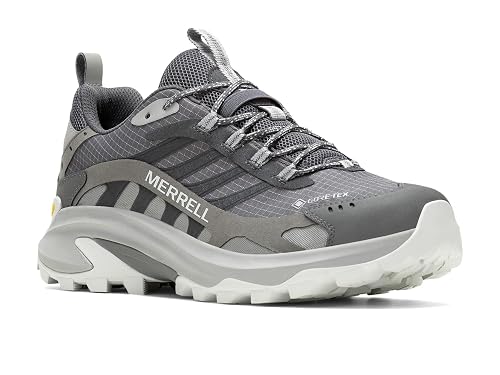
The Merrell Moab Speed 2 GTX takes the familiar Moab DNA and lightens it up into a faster, more athletic shoe. The Vibram TC5+ outsole with redesigned traction lugs grips well on mixed terrain, and the Gore-Tex membrane keeps water out during stream crossings and wet weather. Compared with the heavier Moab 3 Mid, this is a noticeably nimbler shoe.
For hikers who want a single shoe that can handle fast day hikes, wet conditions, and rough trail sections, the Moab Speed 2 GTX is a strong performer. It feels closer to a trail runner than a traditional hiker, which means less underfoot protection but more agility. The trade shows up on rocky terrain where a stiffer sole would shield your feet better.
A Favorable Mix
- Gore-Tex membrane provides reliable waterproofing for wet trails.
- Vibram TC5+ outsole with redesigned lugs grips mixed terrain.
- Athletic feel allows faster, more dynamic hiking style.
Potential Sticking Points
- Less underfoot protection than a traditional hiking shoe on rocky ground.
- Gore-Tex reduces breathability in warm conditions.
- Higher stack height can feel unstable on technical side slopes.
Feature Overview
The Right Fit
Active hikers who want a fast, agile shoe with waterproofing for wet trails and varied terrain.
Where Another Pick Suits Better
The Merrell Moab 3 Hiking Shoe is a smarter choice when you want a more protective, traditional hiking feel for moderate loads.
What Matters Most When Shopping For Trail Footwear
Matching Shoe Type To Terrain
Low-cut hiking shoes like the Merrell Moab 3 or KEEN Targhee 4 Low work well on maintained trails, day hikes, and mixed terrain where ankle support matters less. Trail runners such as the Salomon Speedcross 6 or On Cloudhorizon prioritize agility and weight savings, which suits fast hikers and runners transitioning to trails. Mid-cut boots like the Moab 3 Mid add ankle stability for rocky terrain or heavier packs. Matching the right height to your route makes the biggest difference in how your feet feel at the end of the day.
Waterproofing Versus Breathability
Gore-Tex and similar membranes, found in options like the Moab Speed 2 GTX and the On Cloudhorizon Waterproof, keep water out during rain and stream crossings. The honest trade is reduced airflow, which can leave feet clammy on hot, dry climbs. In wet climates or shoulder seasons, waterproofing is a clear win. In dry, warm conditions, a non-waterproof shoe breathes better and dries faster after sweat.
Outsole Grip And Lug Depth
Deep, widely spaced lugs, like those on the Speedcross 6, bite into mud and soft ground but wear down faster on pavement. Shallower, multi-directional lugs, like those on the Moab 3 and Targhee 4, balance grip and durability for mixed surfaces. For rocky terrain, a firmer rubber compound and supportive midsole protect your feet better than aggressive lugs alone.
Fit, Break-In, And Sizing Room
Hiking shoes should feel snug at the heel and midfoot with room to splay the toes. Wide lasts like the KEEN Targhee accommodate broader feet, while narrow profiles like the SCARPA Mojito Wrap suit narrower feet. Most hiking shoes benefit from a short break-in period of a few short walks before a long trip.
Key Considerations Across These Picks
Mistakes Worth Dodging
Choosing shoes by looks alone is a common error. A retro sneaker like the KEEN KS86 is great for light trails, but it falls short on technical hikes where a real hiking shoe provides needed protection. Skipping a break-in period also catches first-timers off guard; wearing a brand-new shoe on a long hike without testing the fit first can lead to blisters. Shoppers sometimes underestimate the value of trying shoes on later in the day, when feet are slightly swollen, to get a more realistic fit.
When Paying More Pays Off
Higher-tier models in this category typically add features like Gore-Tex membranes, Vibram outsoles, or athletic hiker constructions that justify the cost. The Moab Speed 2 GTX, for example, blends waterproofing, athletic feel, and updated traction in a way the standard Moab does not. For hikers who tackle varied terrain or wet conditions year-round, the extra money goes toward versatility and durability. For casual day hikers on gentle trails, a budget-friendly low-cut hiking shoe handles the job without overspending.
Frequently Asked Questions
How Do Trail Running Shoes Differ From Hiking Shoes?
Trail runners like the Salomon Speedcross 6 are lighter and more flexible, with less underfoot protection but better agility. Hiking shoes like the Merrell Moab 3 have stiffer midsoles, more supportive uppers, and tougher outsoles for rougher terrain. Trail runners suit fast hikers on smoother trails, while hiking shoes handle rocky or uneven ground with more comfort over long distances.
Do I Need Waterproof Shoes For Trail Hiking?
Waterproof shoes help in wet climates, shoulder seasons, or routes with frequent stream crossings. They reduce breathability, so in dry, warm conditions, a non-waterproof shoe breathes better and feels cooler. If your hikes mostly stay dry, skip the membrane and save some weight.
How Long Should Hiking Shoes Last?
With regular use, most hiking shoes last 500 to 1000 miles before the outsole and cushioning wear down. Heavy use on rocky terrain shortens that lifespan, while occasional weekend hikes can extend it. Cleaning shoes after muddy hikes and letting them dry properly between uses helps the upper and midsole last longer.
Are Mid-Cut Boots Better Than Low-Cut Shoes?
Mid-cut boots like the Moab 3 Mid stabilize ankles on rocky terrain and block trail debris, but they add weight and run warmer. Low-cut shoes like the Moab 3 Hiking Shoe or Targhee 4 Low are lighter and more breathable, which suits fast day hikes. Pick based on your terrain and pack weight.
Can I Use Trail Running Shoes For Backpacking?
Light backpacking with a small pack is reasonable in trail runners with stiffer midsoles, like the On Cloudhorizon or Moab Speed 2. Heavy loads over rough terrain call for stiffer hiking boots with more underfoot protection. The honest read is that trail runners handle light loads well, while traditional boots serve heavier packs better.
Closing Thoughts
The right shoes for trail hiking come down to where you walk and how you walk there. Fast hikers on dry terrain will love the agility of the SCARPA Mojito Wrap or Salomon Speedcross 6. Long-mile hikers should look at the On Cloudhorizon or Merrell Moab 3. Wet-weather and ankle-stability needs point to the Moab 3 Mid Waterproof or KEEN Targhee 4. Take an honest look at your usual routes, and the right pair becomes much easier to choose.