
Rucking asks more from your footwear than a casual walk ever will. The right pair absorbs impact under a loaded pack, grips loose gravel, and stays comfortable across miles that stack up quickly. This roundup looks at ten options built for loaded hiking and training, comparing how each handles weight, terrain, and the kind of fatigue that settles into your feet after a long march.
A Fast Comparison Of The Options
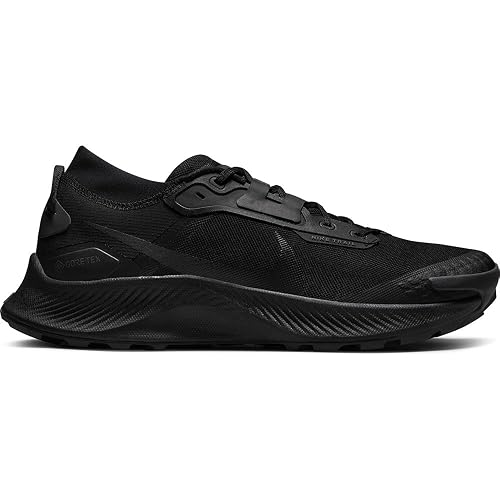
Nike Men’s Trail Running Shoe
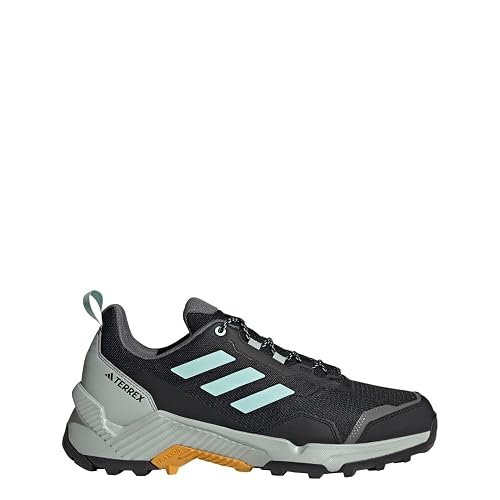
Adidas Eastrail 2.0 Hiking Shoes
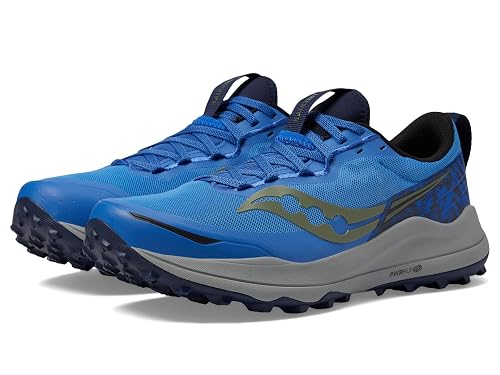
Saucony Xodus Ultra 2
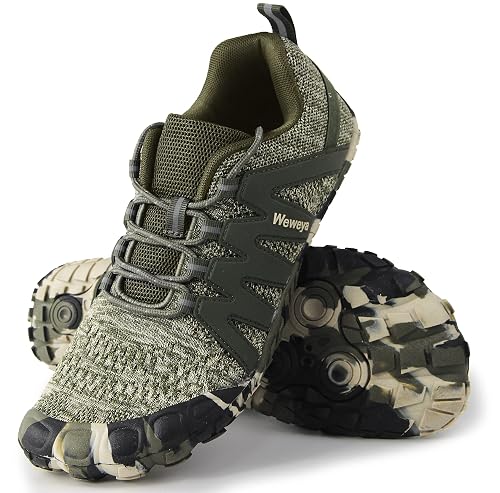
Weweya Barefoot Minimalist Shoes
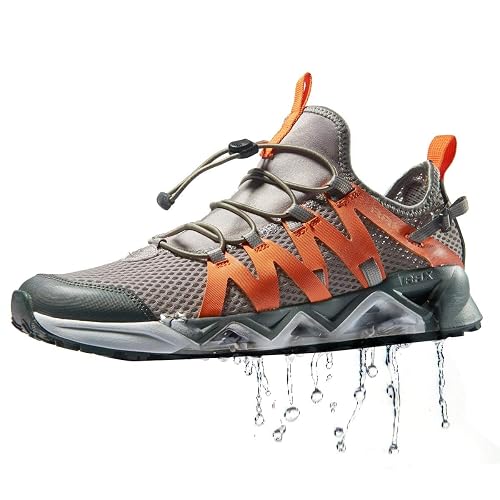
RAX Quick-Dry Aqua Hiking Shoes

Reebok Nano Tactical 6″ Boot

FitVille Rebound NEO V5

WHITIN Zero Drop S91
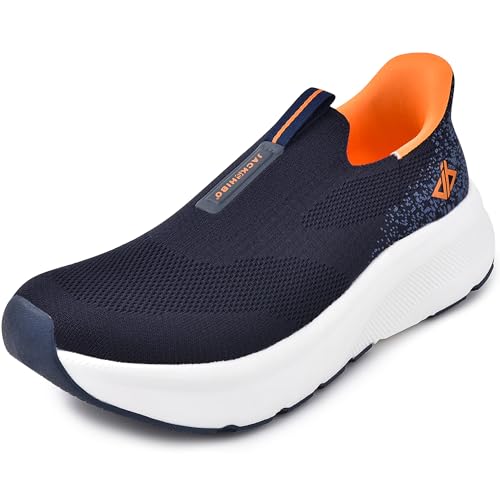
JACKSHIBO Slip-On Walking Shoe
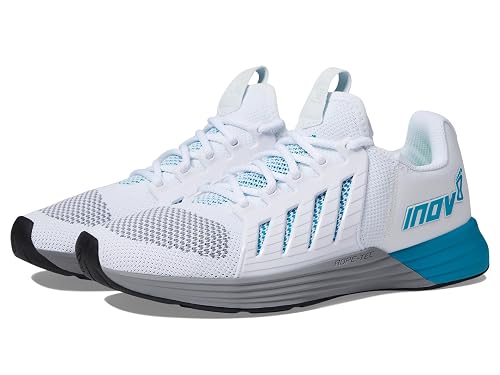
INOV8 F-Lite G 300
A Breakdown Of The Leading Choices
The Nike trail runner opens the list because it solves the two problems ruckers hit most often: heel fatigue under a heavy load, and lateral sway on uneven ground. A Phylon midsole (a lightweight EVA-based foam used for cushioning) paired with an oversized Zoom Air unit (Nike’s pressurized cushioning pocket) absorbs the repeated shock of a weighted pack better than a barefoot-style platform. The structured upper wraps the midfoot, which keeps your stride honest during the last miles of a long march.
You benefit most if your route covers mixed terrain, from paved greenways to loose fire roads. The Flywire lacing system (thin cables that integrate with the laces to lock the midfoot) lets you dial tension without pressure points, helpful when your feet swell after hours under load. Compared with the Adidas Eastrail 2.0 below, this Nike gives up a little breathability for noticeably more rear-foot cushioning.
A Few Strong Suits
- Phylon midsole plus Zoom Air heel unit softens impact under heavy pack weight
- Structured upper and internal padding reduce foot slippage on long slogs
- Flywire cable lacing adjusts midfoot hold precisely, helpful when feet swell
- Trail-ready geometry handles rooty and rocky fire roads
- Cushioning profile suits ruckers training for back-to-back distance days
Honest Caveats
- Heel cushioning stack feels taller than some minimalists prefer for stability work
- Mesh upper runs warm in summer humidity; rotating socks helps with moisture
Right Fit For
Distance-first ruckers who log 3-plus miles under a weighted pack and want rear-foot protection over ground feel.
Consider Something Else When
The Saucony Xodus Ultra 2 suits you better if you want a softer, more rockered ride for multi-hour ultra-distance sessions.
The Eastrail 2.0 leans into the no-fuss end of the trail spectrum. A mesh upper keeps airflow moving on warm days, while the Traxion outsole (a lug pattern engineered for multi-directional grip on uneven ground) holds steady on dirt, gravel, and root-strewn paths. Owners commonly find this pair feels light out of the gate, meaning fewer break-in miles before your first loaded march.
It fits the rucker who trains on shorter loops with moderate pack weight, around 20 to 30 pounds. The trade-off versus the Nike trail runner above shows up in the heel cushioning: less stack height means a firmer ride once you exceed two-hour sessions. For weekday conditioning work and weekend path hikes, the Eastrail handles the load without fuss.
A Strong Showing
- Lightweight build reduces leg fatigue on moderate loops
- Mesh upper improves breathability for warm-weather training
- Traxion outsole grips loose dirt and gravel confidently
- Comfortable right out of the box for newer ruckers
Points To Note
- Lower cushioning stack can feel harsh under loads above 35 pounds over long marches
- Mesh upper dries slowly after stream crossings or wet grass
Made For
Beginner-to-intermediate ruckers carrying moderate weight on established trails and gravel paths.
Look Elsewhere When
The Saucony Xodus Ultra 2 is a better match if you regularly carry 40-plus pounds across rocky, technical terrain.
The Xodus Ultra 2 targets ruckers who measure their outings in hours rather than miles. Saucony built it as an ultra-distance trail platform, and that philosophy carries into loaded hiking and rucking. The stack height (the total thickness of material between your foot and the ground) gives a noticeably softer ride under a weighted pack than the Adidas Eastrail, which makes a real difference past the three-hour threshold.
You get the most from this shoe logging back-to-back long marches with heavier pack weights. Compared with the Saucony trail shoes a tier below, this Ultra version pushes more cushioning into the forefoot, which smooths out descents. The honest read: it costs more and weighs more, but the trade is fewer hotspots on routes where you’d otherwise be shifting laces and retying.
Useful Strengths
- Ultra-distance cushioning softens long marches under heavy loads
- Rocker geometry (a curved sole shape that promotes forward roll) helps sustain cadence on flat ground
- Trail-oriented outsole grips technical descents confidently
- Premium midsole compound resists bottoming out under 40-plus-pound packs
Trade-Offs
- Heavier than minimalist picks like the Weweya, which matters on short loops
- Premium price point stretches budgets for casual ruckers
Best Suited To
Committed ruckers and ultra-distance hikers carrying serious weight across long training blocks.
Not Your Match When
The WHITIN Zero Drop S91 is a stronger match if you want ground-feel feedback for stride and posture training.
The Weweya minimalist sits on the opposite end of the spectrum from the Saucony above. A wide toe box lets toes splay naturally, and the flexible rubber sole bends with the foot rather than fighting it. That translates into a very different rucking feel, one that prioritizes foot-strength development and stride awareness over plush cushioning.
It fits the rucker who wants form work or recovery miles between heavier sessions. The flexible outsole protects against sharp objects on packed dirt and gravel, but it does not absorb the punishing shock a weighted pack delivers across pavement. For light rucks under 20 pounds on soft terrain, this shoe trains your mechanics honestly.
Notable Upsides
- Wide toe box lets toes spread naturally for stronger foot mechanics
- Flexible sole encourages midfoot striking during technique drills
- Entry-level pricing makes barefoot training accessible
- Lightweight build reduces fatigue on short recovery rucks
Where It May Fall Short
- Minimal cushioning feels punishing under loads above 25 pounds over long distances
- Thin upper offers little weather protection on cold or wet days
Who It Suits Best
Beginners exploring minimalist form work and light-load ruckers training on soft trails.
Reach For A Different Pick When
The Adidas Eastrail 2.0 is a smarter call for traditional conditioning work with a 30-pound pack.
The RAX aqua shoe earns its spot because rucking rarely stays on dry ground. Stream crossings, wet grass, and muddy trailheads all punish a shoe that cannot drain or grip wet rock. The quick-drying upper and slip-resistant outsole handle those situations competently, which makes this a versatile pick for variable terrain.
You benefit most if your rucking routes include water crossings or coastal paths. Compared with the Reebok Nano Tactical below, the RAX gives up ankle support and cushioning for drainage and quick-dry comfort. For summer rucks where wet feet are guaranteed, that swap usually pays off.
Where It Delivers
- Drains quickly after stream crossings and puddle slogs
- Slip-resistant outsole grips wet rock and slick roots
- Lightweight build prevents waterlogging on long wet routes
- Versatile enough to transition from trail to camp chores
Honest Caveats
- Limited cushioning feels thin under heavy packs across long marches
- Low-profile upper offers minimal ankle support on uneven terrain
Perfect Match For
Ruckers training in wet climates or routes with frequent water crossings and damp ground.
A Better Fit Elsewhere
The Reebok Nano Tactical 6″ Boot is the stronger pick for ankle support under heavier pack loads.
The Reebok Nano Tactical shifts the conversation toward load support. A 6-inch mid-cut shaft (the boot’s upper rises six inches above the sole, wrapping above the ankle) gives the ankle a fighting chance when a weighted pack tips your balance on side slopes. The wider platform (the area of sole in contact with the ground) keeps you planted during lateral movements, which matters when pack weight shifts unexpectedly.
It fits ruckers pushing 40-plus pounds across uneven terrain, especially those transitioning from gym-based rucking to outdoor work. Compared with the RAX aqua shoe above, the Reebok trades drainage for structure. The trade works in your favor when ankle stability matters more than drying speed.
The Value In It
- Mid-cut shaft supports the ankle under heavy pack loads
- Wider platform improves stability on side slopes and uneven ground
- Tactical outsole grips dirt, gravel, and packed earth
- Durable build handles repeated heavy-use training cycles
A Few Limitations
- Heavier than low-cut trail shoes, which adds fatigue over distance
- Less breathable than mesh trail runners in summer conditions
Who Will Love This
Weighted pack trainers and ruckers carrying serious loads across uneven outdoor terrain.
Skip It When
The Nike trail runner is a smarter choice if you prefer low-cut agility over ankle support.
The FitVille Rebound NEO V5 addresses a real rucking problem: foot width. Standard trail shoes squeeze wide feet, and a weighted pack amplifies that pressure over distance. The extra-wide forefoot and orthopedic arch support (built-in structure that supports the foot’s natural curve) reduce pinch points for ruckers with broader feet or conditions like plantar fasciitis (inflammation of the band of tissue along the bottom of the foot).
You benefit most if standard shoes cramp your forefoot under load. Compared with the JACKSHIBO slip-on below, the FitVille trades hands-free entry for a more structured midfoot and heel pocket. For long sessions where foot comfort dictates whether you finish, that structure matters.
What Works In Its Favor
- Extra-wide forefoot accommodates broader feet without compression
- Built-in arch support helps ruckers managing foot pain conditions
- Casual sneaker styling works for daily wear beyond training
- Cushioned midsole softens impact under moderate pack weight
Points To Keep In Mind
- Wider platform feels bulky for narrow-footed ruckers
- Casual aesthetic may not suit serious technical trail use
Built With In Mind
Ruckers carrying wide feet or managing foot pain who prioritize comfort over technical trail performance.
Swap It Out When
The Saucony Xodus Ultra 2 is a smarter pick for technical trail rucking at heavier pack weights.
The WHITIN S91 takes a minimalist approach with a zero-drop platform (heel and forefoot sit at the same height from the ground, no elevated heel) and a wide toe box. That combination trains your foot and lower leg to handle load with better mechanics, which is a useful goal during lighter ruck sessions. The wide toe box lets them splay naturally, while the flat platform keeps your stride honest.
It fits ruckers focused on form and posture training, or anyone rotating in recovery miles between heavier sessions. Compared with the Weweya above, the WHITIN gives up a little flexibility for a slightly more padded ride. For daily ruck training without breaking the bank, this shoe holds its own.
Practical Advantages
- Zero-drop platform promotes midfoot striking and natural posture
- Wide toe box accommodates natural toe splay under load
- Budget-friendly pricing supports daily training rotation
- Lightweight build suits short-to-moderate ruck loops
Things To Consider
- Zero-drop geometry requires an adjustment period for heel-strikers
- Minimal cushioning limits comfort under heavier loads over long distances
Whose Shelf It Belongs On
Form-focused ruckers and value-driven shoppers wanting a versatile minimalist platform for training.
Where Another Pick Suits Better
The Saucony Xodus Ultra 2 is the stronger choice for heavier long-distance rucks with more cushioning demand.
The JACKSHIBO slip-on prioritizes convenience. Hands-free entry removes one of the small annoyances of rucking: bending down to tie boots before every session. A wide toe box and arch support round out the comfort features, which makes this a relaxed pick for casual ruck outings and recovery walks.
It fits ruckers easing into the discipline or anyone wanting a low-friction option between heavier training blocks. Compared with the FitVille above, the JACKSHIBO gives up structured midfoot support for a slip-on construction. That trade works fine for light loads under 20 pounds but limits the shoe for serious distance work.
Key Advantages
- Slip-on design removes the need to bend and tie before each session
- Wide toe box reduces forefoot pressure for casual ruck loops
- Built-in arch support suits everyday walking and light training
- Available in multiple colorways for casual everyday wear
Where It Is Less Suited
- Slip-on construction offers less midfoot lockdown under loaded movement
- Limited cushioning stack for heavier pack training or long marches
Who Should Grab It
Casual ruckers and beginners prioritizing convenience over technical performance on short outings.
Another Choice May Suit
The Nike trail runner is the smarter call for longer sessions where midfoot lockdown drives comfort.
The INOV8 F-Lite G 300 closes the list as a gym-first rucking shoe. It carries more weight than classic F-Lite models (around 10.6 oz per shoe), but that mass delivers structure for loaded indoor work. A stabilizer board inside the midsole keeps the platform flat under heavy lifts, which matters when your rucking sessions include sandbag carries, stair work, or weighted step-ups.
It fits ruckers training primarily indoors or on smooth outdoor surfaces where grip and stability matter more than trail protection. Compared with the WHITIN above, the INOV8 trades barefoot-style ground feel for a firmer, more supportive platform. For mixed gym-and-trail ruckers who value versatility, that trade usually pays off indoors.
Features That Help
- Internal stabilizer board keeps the platform flat under heavy lifts
- Grippy outsole handles gym floors and pavement reliably
- Structured build supports loaded carries and lateral movements
- Versatile enough for both speed and strength training blocks
Practical Considerations
- Heavier than minimalist options, which limits comfort on long outdoor marches
- Outsole lugs wear faster on abrasive outdoor terrain
The Right Fit
Gym-based ruckers and indoor trainees wanting a stable platform for weighted carries and structured workouts.
Not Your Match When
The Saucony Xodus Ultra 2 is the stronger pick for outdoor trail rucking over distance.
What Matters Most Before Choosing Shoes For Rucking
Cushioning And Stack Height
Cushioning determines how much shock your joints absorb on every step. Stack height (the total thickness of material between foot and ground) matters because a weighted pack amplifies impact forces with each footfall. Ruckers logging long sessions benefit from more cushioning, while form trainers often prefer less. Match the stack height to your typical load and distance rather than chasing the thickest midsole you can find.
Outsole Grip And Lug Pattern
Lug pattern is the arrangement of tread blocks on the outsole, designed to bite into dirt, mud, or rock. Trail-oriented lugs grip loose terrain better than flat gym outsoles. For mixed-terrain rucking, look for moderate lug depth that handles dirt without clogging on pavement. Smooth indoor rucking rewards a flatter outsole with broader contact patches for stability under load.
Fit, Width, And Lockdown
Fit matters more in rucking than in casual walking because pack weight magnifies any heel slip or forefoot squeeze. Wide-footed ruckers benefit from extra-wide lasts (the foot-shaped form a shoe is built around), while narrow-footed ruckers need a secure midfoot lockdown. Slip-on convenience has a real appeal, but only if the shoe still holds your foot under loaded movement.
Ankle Support Versus Agility
Mid-cut boots support the ankle under heavy pack loads but add weight and reduce agility. Low-cut trail shoes move naturally and breathe well but leave the ankle to handle uneven ground. Match the cut to your typical terrain: technical ground with heavy packs rewards mid-cut support, while smooth trails and lighter loads reward low-cut agility.
Key Considerations Across These Picks
Common Shopping Slip Ups
The most frequent mistake is choosing a shoe by cushioning alone. Rucking stresses the foot differently than running, so a shoe that feels great on a jog may flatten your arch or slip at the heel under a weighted pack. Test any candidate with the actual pack weight you plan to carry, even if that means loading a backpack in your living room before the first outdoor session.
Another trap is ignoring width. Many ruckers squeeze into standard lasts because extra-wide sizing feels like overkill in a store. Under load, that squeeze turns into blisters and forefoot pain. If you have any doubt about width, prioritize models that explicitly accommodate broader feet.
What The Higher Tier Buys
Premium picks like the Saucony Xodus Ultra 2 deliver more than marketing language. Higher-tier midsoles use denser, more resilient compounds that resist bottoming out under heavy loads over long distances. Better materials also tend to last longer, so the per-mile cost often works out lower for committed ruckers. The upgrade is worth it once you regularly exceed 30 pounds and two-hour sessions, because cheaper midsoles start to feel flat and lose their rebound well before the upper wears out.
Frequently Asked Questions
What type of shoes work best for rucking?
Trail-oriented running shoes and lightweight hiking shoes handle most rucking well. The key attributes are cushioning under load, secure midfoot lockdown, and an outsole that grips the terrain you train on. Dedicated rucking boots exist, but most people find low-cut shoes more versatile.
Can I use running shoes for rucking?
Yes, especially trail runners with structured midsoles and stable platforms. Road running shoes tend to lack the outsole grip and lateral stability that loaded pack movement demands. If you already own trail runners, give them a loaded test before buying dedicated rucking footwear.
How heavy should my rucking pack be to start?
Start lighter than you think. Many ruckers begin around 10 to 20 pounds, including the pack itself, and add weight gradually over weeks. The goal is consistent mileage under load, not maxed-out packs on day one.
Do I need waterproof shoes for rucking?
Not necessarily. Waterproof membranes keep feet dry in short encounters with wet ground, but they also trap heat and slow drying once water gets past the membrane. For most climates, quick-drying breathable shoes paired with moisture-wicking socks handle wet conditions more comfortably than fully waterproof options.
How often should I replace my rucking shoes?
Most ruckers replace shoes every 300 to 500 miles, depending on terrain and load. Watch for compressed midsoles, worn lugs, or new aches appearing in familiar routes. Those signals usually mean the shoe has lost its protective qualities even if the upper still looks fine.
The Takeaway
The best rucking shoe is the one that matches your load, terrain, and training goals rather than any single spec sheet. Cushioned trail runners reward distance, mid-cut boots reward heavy loads, and minimalist shoes reward form work. Start with your typical pack weight and route, then narrow the list from there.