
Nothing derails a good day on the trail faster than a sock that bunches, overheats, or rubs a hot spot into a blister. The right hiking sock is a quiet piece of gear, the kind you only think about when it fails. This shortlist pairs two merino-led trail staples from Darn Tough with two breathable ANTSANG options that handle warm weather, fast movement, and shared gear closets without fuss.
The Picks In Brief

Darn Tough Vermont Men’s Hiker Midweight Micro Crew Sock
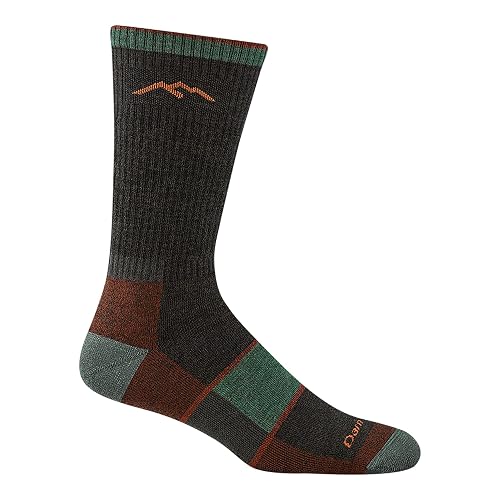
Darn Tough Vermont Men’s Hiker Boot Midweight Full Cushion Socks (1405)
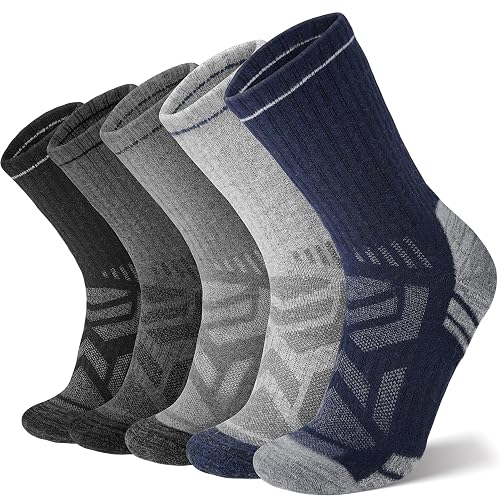
ANTSANG Merino Wool Hiking Socks
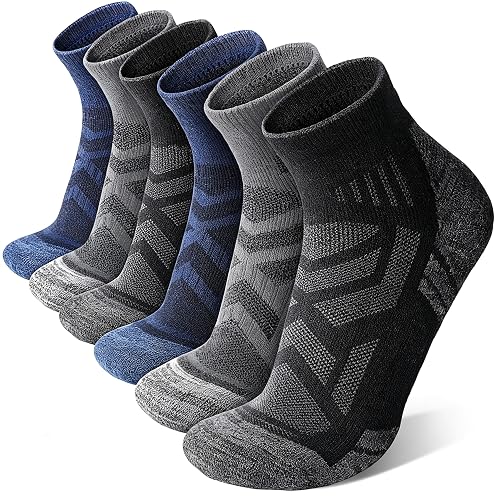
ANTSANG Merino Wool Quarter Ankle Hiking Running Socks
Inside Each Recommended Option
The Darn Tough Micro Crew has earned a loyal following among backpackers and weekend hikers, and it’s the natural starting point for any sock roundup. Sitting a few inches above the ankle, the micro crew height keeps grit and boot cuff friction off your skin without climbing up the calf like a traditional tall hiking sock.
For thru-hikers and long-distance trekkers, this is a sock that quietly disappears on the foot. The midweight knit lands in a sweet spot that works across three-season trails, and the brand’s well-known replacement program adds long-term peace of mind.
Reasons It Performs
- Micro crew height shields the ankle from low boot cuffs and trail debris.
- Midweight cushion balances warmth and breathability for shoulder-season hikes.
- Reinforced footbed construction supports multi-day backpacking mileage.
- Merino-based knit helps manage moisture on long ascents and humid days.
- Brand’s replacement program is a meaningful long-term ownership perk for heavy users.
Things To Consider
- Midweight cushion can feel warm on hot, low-elevation summer days.
- Premium price per pair may give budget-minded shoppers pause.
Who It Suits Best
Three-season backpackers and section hikers logging real mileage who want one sock that handles most moderate conditions.
Where Another Pick Suits Better
For frigid alpine trips and heavy winter boots, the ANTSANG Merino Wool Hiking Socks bring a more breathable, less cushioned alternative that suits warm weather and lighter footwear.
Where the Micro Crew keeps things streamlined, the 1405 Boot Sock leans into comfort for serious conditions. The taller boot height rises above the cuff of a traditional hiking boot, and the full-cushion knit runs the entire length of the sock for steady padding underfoot and along the shin.
The 66% merino wool, 32% nylon, and 2% Lycra spandex blend is the kind of formula trail-tested hikers look for: merino for temperature regulation, nylon for durability, and a small spandex percentage for shape retention. Made in the USA, the 1405 is built for the kind of days when you strap on a heavy pack and don’t stop until camp.
Where It Excels
- Full-cushion construction provides padded comfort across the entire foot and lower leg.
- Taller boot height protects against rubbing from stiff leather uppers.
- Merino-led blend regulates temperature and resists odor on multi-day trips.
- Spandex content helps the sock hold its shape after repeated wear and washing.
- Made in the USA construction appeals to shoppers who prioritize domestic manufacturing.
- Thicker knit adds noticeable warmth for cold-weather hiking and snow approaches.
Worth Noting
- Full cushion can feel bulky in lighter trail-running shoes or low-cut hikers.
- Higher wool content requires air-drying between trips to preserve fiber integrity.
Feature Snapshot
Right Fit For
Cold-weather backpackers and hunters wearing traditional leather boots who want maximum cushion and warmth from cuff to toe.
Swap It Out When
For warm-weather hikes and lightweight trail runners, the ANTSANG Merino Wool Quarter Ankle Hiking Running Socks offer a low-cut, breathable alternative better matched to hot pavement and short distances.
The ANTSANG Merino Wool Hiking Socks land in the roundup as the everyday merino option for hikers who want breathable performance without the premium price tag. Sold for men and women, they’re a flexible pick for shared gear drawers and household shopping.
Breathability is the headline feature, which makes these well suited to warm-weather day hikes, fast-paced trail runs, and humid climates where thicker socks can quickly feel stifling. Pair them with mid-cut hikers or trail shoes and you’ve got a sock that handles three-season mileage without much fuss.
What Earns Its Place
- Enhanced breathability targets hot, sweaty trail days where airflow matters.
- Unisex sizing simplifies shopping for couples and shared packs.
- Merino wool base helps control odor across multi-day trips.
Honest Caveats
- Material breakdown and exact cushion level aren’t listed by the manufacturer, so fit may surprise.
- Lighter construction may wear faster on rugged, rocky terrain than heavier full-cushion options.
Made For
Day hikers and casual trail runners tackling warm-weather routes who want merino comfort at a friendlier entry price.
Consider Something Else When
For deep cold and heavy winter boots, the Darn Tough Vermont Men’s Hiker Boot Midweight Full Cushion Socks (1405) deliver thicker padding and a taller height that handle freezing conditions more confidently.
The ANTSANG Quarter Ankle socks close out the list as the low-cut option for hikers who prefer the agility of trail runners or low-profile hiking shoes. Sitting just above the shoe line, the quarter-ankle height keeps the silhouette minimal without sacrificing the merino wool comfort trail users expect.
Marketed for both hiking and running, this sock leans into crossover appeal: a single pair that handles a morning trail run, an afternoon hike, and a travel day without needing a sock change. The merino blend helps with temperature swings, which matters when bags get tossed in overhead bins or car trunks.
Useful Touches
- Quarter-ankle height pairs cleanly with low-cut trail runners and approach shoes.
- Unisex fit works for travelers packing one sock type across multiple activities.
- Merino wool blend helps manage temperature on long travel days.
Points To Keep In Mind
- Low-cut height exposes the ankle to trail debris and boot cuff friction on rougher routes.
- Manufacturer does not list exact fiber percentages, so durability on rocky terrain may vary.
Feature Snapshot
Best Suited To
Trail runners, fast hikers, and travelers who want one low-cut merino sock to cover a variety of light outdoor activities.
Look Elsewhere When
For multi-day backpacking in traditional mid- or high-cut boots, the Darn Tough Vermont Men’s Hiker Midweight Micro Crew Sock offers more ankle protection and cushioning for the long haul.
What To Weigh Before Choosing Socks For Hikers
Match Height To The Boot
The first decision is almost always height. Low-cut quarter socks suit trail runners and approach shoes, micro crew heights handle most mid-cut hiking boots, and taller boot heights protect against stiff leather uppers in cold or rugged conditions. Picking a height that matches the footwear keeps the cuff from rubbing and the trail debris from getting in.
Read The Fiber Blend
Merino wool is the workhorse of hiking socks because it manages moisture, resists odor, and regulates temperature across changing conditions. Synthetic fibers like nylon add abrasion resistance, while a small percentage of spandex helps the sock recover its shape after wear. Higher merino content typically means more comfort, while higher nylon content typically means more durability.
Calibrate Cushion To Climate
Cushion level is mostly a climate and mileage question. Thinner knits breathe well in summer heat, midweight options cover most three-season days, and full-cushion socks are reserved for cold weather, heavy packs, and stiff boots. Overshooting cushion in warm weather leads to hot, sweaty feet.
Plan For Care
Merino-rich socks last longer when washed in cool water and air-dried rather than tumbled on high heat. Heat can shrink the fibers and weaken elasticity over time, so it’s worth planning a drying routine at home or in camp, especially after multi-day trips.
Key Considerations Across These Picks
Common Shopping Slip Ups
A frequent mistake is buying sock height based on the shoe you own today rather than the shoe you’ll wear most often on the trail. Sock height is more about boot cuff than personal preference. Another pitfall is choosing pure cotton blends for hiking. Cotton holds moisture, which leads to blisters on long descents.
When Paying More Pays Off
Higher-tier hiking socks typically invest in denser merino blends, tighter knit construction, and stronger reinforcement at the heel and toe. Those upgrades matter most for multi-day backpackers, cold-weather hikers, and anyone replacing socks every few months. For casual day hikers, a mid-priced merino option often covers the same trails at a friendlier cost.
Frequently Asked Questions
How Often Should Hiking Socks Be Replaced?
Most merino hiking socks last through several hundred miles of trail use, but heavy backpackers typically rotate pairs every one to two seasons once cushioning feels thin.
Can The Same Sock Work For Hiking And Running?
Yes, especially low-cut merino blends designed for both activities, which handle trail running, day hikes, and travel days without needing a swap.
Is Merino Wool Worth The Higher Cost?
For most hikers, yes. Merino manages moisture, controls odor, and regulates temperature far better than cotton, which is why it dominates the trail sock market.
Should Hiking Socks Be Tight Or Loose?
Hiking socks should fit snugly without bunching or pinching. Too loose and the fabric folds into hot spots; too tight and circulation suffers on long climbs.
Do I Need Different Socks For Summer And Winter?
In most climates, two pairs cover the year: a lighter breathable sock for warm weather and a fuller-cushion boot sock for cold, wet, or winter conditions.
The Takeaway
The right hiking sock comes down to matching height, cushion, and fiber to the trail conditions you actually face. Start with the boot you wear most, choose a merino-led blend that fits the climate, and don’t overlook the simple value of well-constructed socks that you can rotate across the season.