
A long-distance trail asks more from your feet than almost any other piece of gear. The wrong pair blisters by mile ten; the right pair disappears under you, mile after mile, through mud, scree, and creek crossings. This list focuses on hiking shoes and boots built for the sustained effort that thru-hiking demands, with attention to weight, cushioning, traction, and how each design holds up across the wet, rocky, and unpredictable terrain most long trails throw at your ankles.
A Side-By-Side Look

adidas Women’s Terrex Trailmaker 2.0 Mid GTX
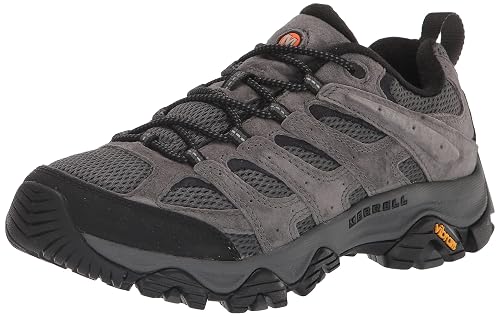
Merrell Men’s Moab 3 Hiking Shoe
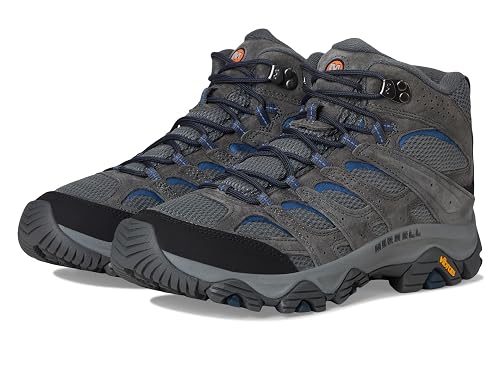
Merrell Men’s Moab 3 Mid Hiking Boot
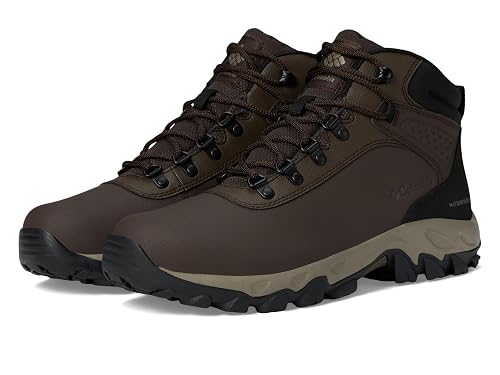
Columbia Newton Explorer
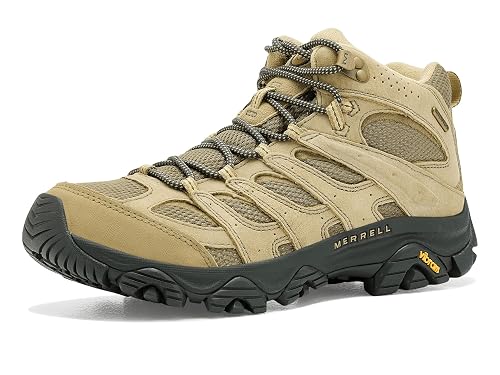
Merrell Men’s Moab 3 Mid Waterproof
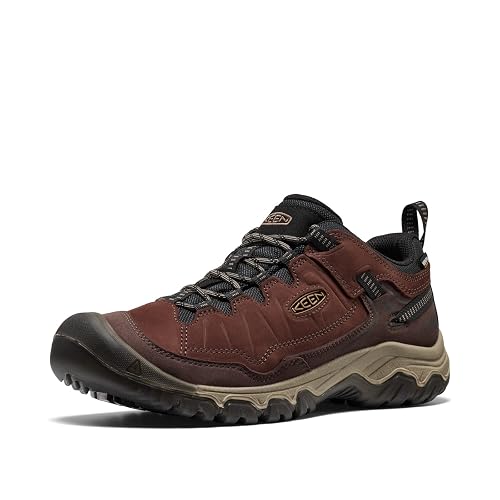
KEEN Men’s Targhee 4 Low Waterproof
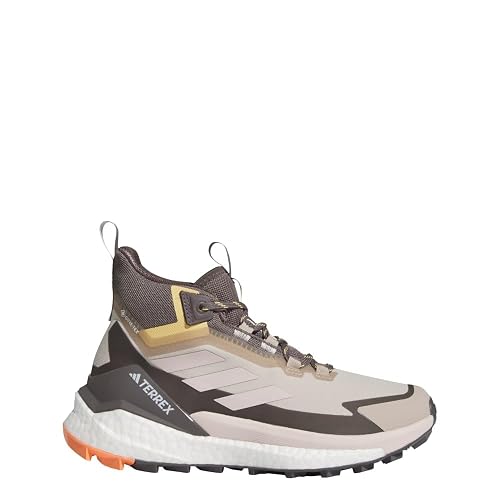
adidas Terrex Free Hiker Gore-TEX 2.0

KEEN Men’s KS86 Retro Sneakers
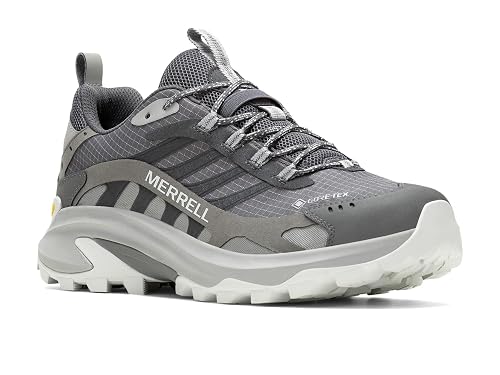
Merrell Moab Speed 2 GTX
A Closer Look At Each Pick
The Terrex Trailmaker 2.0 Mid GTX is built around BOOST cushioning, a midsole foam that compresses and springs back with each step, returning energy rather than simply absorbing impact. That matters on a thru-hike, where the small savings in leg fatigue over thousands of steps add up by midday. The mid-top silhouette adds ankle wrap without the weight penalty of a full boot, which makes it a sensible middle-ground for hikers who want some stability on rocky grades but don’t want to lug a heavy pair across flat stretches.
GORE-TEX is the waterproof membrane inside the shoe, a thin layer that blocks water from entering while letting perspiration vapor escape. The mid-top collar hugs the ankle, and the soft, supportive upper breaks in quickly compared to stiffer leather builds. Owners commonly report that the Trailmaker runs true to size for medium-width feet.
What Helps Most
- BOOST midsole returns energy with each footfall, easing fatigue across long days
- GORE-TEX lining keeps socks dry through rain, dew, and shallow stream crossings
- Mid-top design adds ankle confidence on uneven ground without the weight of a full boot
- Lightweight build suits thru-hikers counting grams and trail feel equally
Things To Consider
- Mid-top collar may feel warm in summer desert sections where breathability matters most
- Synthetic upper can show abrasion wear faster than full leather after repeated rock scuffing
Key Specs
Who It Suits Best
Thru-hikers tackling varied terrain who want plush cushioning, weather protection, and a mid-cut collar that supports the ankle on rocky grades without slowing them down.
Skip It When
The KEEN Men’s Targhee 4 Low Waterproof suits hikers who prefer a wider toe box and a lower, more flexible profile over BOOST-style energy return.
The Moab line has been around long enough that it has its own shorthand in trail towns. Version 3 keeps the low-cut silhouette that made it popular, then refines the underfoot feel with a more supportive insole, a softer midsole, and grippier Vibram rubber. Vibram is a high-traction outsole rubber brand that hikers trust for technical descents and wet rock. The result feels familiar to anyone who has worn a Moab before, just slightly more polished underfoot.
Out-of-the-box comfort is the headline trait here. Many thru-hikers rotate two pairs, and a shoe you can grab straight from the box on a resupply morning saves time and skin. The Moab 3 fits that role well for most foot shapes, with the roomier toe box Merrell is known for.
What Makes Sense
- Vibram outsole grips confidently on wet rock, loose dirt, and rooted sections
- Updated insole and cushioned midsole smooth out long-distance fatigue
- Roomy toe box lets toes splay naturally on steep descents
- Low-cut design keeps weight down for fast thru-hike mileage
Worth Noting
- Low-cut collar offers no ankle protection on boulder fields or heavy packs
- Lacks waterproofing, so wet stretches mean damp socks unless paired with a membrane sock
Right Fit For
New thru-hikers and resupply-friendly hikers who want a versatile, comfortable shoe that breaks in fast and handles a wide range of trail conditions without overthinking it.
Another Choice May Suit
The Merrell Men’s Moab 3 Mid Waterproof suits hikers who want the same Moab comfort but with a waterproof build and mid-cut ankle support for wet, rocky stretches.
Where the Moab 3 hiking shoe keeps things low and nimble, the mid-cut boot adds a padded collar that wraps the ankle. For thru-hikers carrying heavier packs, that extra support matters when a 30-pound load pulls you sideways on a slanted trail. The same Vibram outsole, supportive insole, and cushioned midsole carry over from the low-cut version, so the underfoot feel stays familiar.
Compared to the Trailmaker 2.0 reviewed above, the Moab 3 Mid leans toward traditional trail-boot construction without the BOOST energy-return foam. It feels sturdier on rock and more planted under load, but a touch heavier on long flat stretches.
What Stands Out
- Mid-cut collar stabilizes the ankle when carrying heavier resupply loads
- Vibram outsole delivers reliable grip across variable terrain
- Improved cushioning softens miles of repetitive impact on long trail days
Room For Improvement
- Heavier than low-cut hiking shoes, which adds up across 2,000 miles
- Non-waterproof construction lets water in during creek crossings and heavy rain
Quick Facts
Made For
Thru-hikers carrying 25 to 40-pound packs across rocky terrain who want the Moab fit and feel with extra ankle wrap for uneven ground.
Look Elsewhere When
The Merrell Moab Speed 2 GTX suits thru-hikers who want a more athletic, lighter build with waterproofing for faster daily mileage.
The Newton Explorer leans into classic hiking-boot DNA with a waterproof leather upper, metal hardware, and a Techlite midsole that Columbia designs for long-lasting cushioning and energy return. Techlite is Columbia’s proprietary lightweight foam, built to absorb impact without bulk. Combined with Omni-Tech waterproofing, a sealed membrane that blocks water at the seams and tongue, the shoe targets hikers who walk through wet brush, morning dew, and muddy trail sections.
The leather upper gives the Newton Explorer a more rugged feel than the synthetic builds in this roundup, which can mean a longer break-in but a sturdier long-term shape.
The Good Stuff
- Waterproof leather upper handles wet brush, mud, and puddle splashes with confidence
- Techlite midsole cushions joint impact across multi-hour hiking days
- Metal hardware on the lacing system feels durable and field-repairable
Trade Offs
- Leather upper requires a break-in period before all-day comfort sets in
- Heavier than the synthetic, low-cut options higher up this list
- Owners commonly report that leather needs regular conditioning to stay supple on long trails
Best Suited To
Thru-hikers walking wet, muddy, or brush-heavy trails who prefer a leather boot’s durability over synthetic lightness and don’t mind trading a longer break-in for a sturdier upper.
Consider Something Else When
The Merrell Men’s Moab 3 Mid Waterproof suits hikers who want a roomier toe box, lighter build, and faster break-in over leather’s traditional feel.
Take the Moab 3 Mid, add a waterproof membrane, and you get the boot that ties this whole list together for hikers chasing rainy stretches and snowmelt crossings. The fit and underfoot feel mirror the non-waterproof version, so you don’t pay for the membrane with a stiffer ride. Merrell builds these with a sealed bootie construction that keeps water out at the seams.
For most thru-hikes, waterproofing becomes a real question around streams, snowfields, and shoulder-season weather. The Moab 3 Mid Waterproof answers that question without changing the fit you already know.
Well-Handled Touches
- Waterproof membrane keeps socks dry through creek crossings and rain
- Same Moab mid-cut shape and roomy toe box as the standard version
- Vibram outsole grips wet rock better than most non-waterproof siblings
Small Caveats
- Waterproof membrane reduces breathability in hot, dry sections
- Slightly heavier than the non-waterproof Moab 3 Mid
Feature Snapshot
Who Should Grab It
Thru-hikers tackling trails with frequent stream crossings, spring snowmelt, or rainy shoulder seasons who want the familiar Moab fit with full waterproofing added.
Reach For A Different Pick When
The adidas Women’s Terrex Trailmaker 2.0 Mid GTX suits hikers who want BOOST-style energy return paired with waterproofing in a mid-cut build.
The Targhee line is KEEN’s answer for hikers who want a roomy, protective toe box and a durable build without the bulk of a traditional boot. Version 4 uses a fused upper and outsole construction, meaning the upper is heat-bonded to the platform rather than stitched, which reduces weak points where the shoe typically separates. KEEN.DRY is the brand’s waterproof lining that seals the interior from water while letting heat escape.
Compared to the Moab 3, the Targhee 4 sits a touch wider in the forefoot, which makes it a frequent pick for hikers with broader feet or anyone whose toes splay aggressively on long descents.
Standout Benefits
- Wide toe box accommodates broader feet and natural toe splay on descents
- Fused upper construction improves long-term durability over stitched builds
- KEEN.DRY waterproof lining handles wet weather without heavy bulk
Less Ideal Details
- Low-cut collar gives up ankle support for lighter pack loads
- Runs warm in desert sections due to the sealed waterproof membrane
Perfect Match For
Wide-foot thru-hikers and anyone who has been pushed off narrower lasts by hot spots or bunions, especially on trails with mixed wet and dry conditions.
A Better Fit Elsewhere
The Merrell Moab Speed 2 GTX suits thru-hikers who prefer a more athletic, narrower fit with a more aggressive lug pattern for fast hiking on technical terrain.
The Terrex Free Hiker 2.0 is the low-cut cousin to the Trailmaker 2.0 reviewed first. Where the Trailmaker adds a mid-top collar, the Free Hiker drops it entirely in favor of a more agile, sock-like upper that moves with the foot. Inside, BOOST cushioning absorbs impact and adds energy return, while a GORE-TEX membrane handles wet weather without the bulk of a traditional boot.
This is the shoe you reach for on a fastpacking thru-hike or a section hike where daily mileage stretches past 20 miles. The trade-off is real: less ankle support means rolled ankles on rocky scrambles, and a less protective upper means sharp scree can wear through faster.
Benefits That Matter
- BOOST midsole reduces leg fatigue across very long daily mileage
- Lightweight, low-cut build supports a fast hiking cadence
- GORE-TEX membrane keeps feet dry across wet weather and shallow crossings
Where It May Fall Short
- No ankle collar to stabilize heavier loads on uneven ground
- Thin upper materials can wear faster under repeated rock and scree exposure
Built With In Mind
Fastpacking thru-hikers and ultralight trekkers logging big daily mileage who want plush cushioning and weather protection in a nimble, low-cut silhouette.
Where A Sibling Pick Shines
The adidas Women’s Terrex Trailmaker 2.0 Mid GTX suits hikers who want the same BOOST midsole and GORE-TEX membrane but with a mid-cut collar for added ankle security on rocky grades.
The KS86 sits in a different category than most of this list. It is a retro-styled sneaker with an aggressive tread, built off KEEN’s wider footwear foundation and offered in either recycled mesh or environmentally preferred leather. It is not a technical thru-hiking shoe, and that is part of its point. For thru-hikers taking town days, zero days, or section hikes on well-groomed trails, the KS86 handles the trailhead-to-coffee-shop transition without a second pair of shoes.
The aggressive tread gives more bite than a typical sneaker, so it can handle graded dirt paths and light trail use comfortably. For serious backcountry mileage, the Moab or Targhee options above make more sense.
Everyday Perks
- Retro styling transitions easily from trailhead to town stops
- Wider KEEN last accommodates broader feet without pinching
- Aggressive tread handles light trails, gravel, and campground paths
Possible Compromises
- Not built for sustained backcountry mileage, off-trail travel, or rocky terrain
- Lacks the waterproof membrane and ankle support of a true hiking shoe
Whose Shelf It Belongs On
Thru-hikers packing a casual second pair for town resupply days, plus lightweight day hikers who stick to graded trails and want a versatile, stylish shoe.
Swap It Out When
The Merrell Men’s Moab 3 Hiking Shoe suits thru-hikers who need a true low-cut hiking shoe with Vibram traction for technical terrain and long-distance mileage.
The Moab Speed 2 GTX takes the Moab’s trail knowledge and pairs it with athletic-shoe design cues borrowed from lightweight runners. Vibram TC5+ rubber, a Vibram compound specially formulated for Merrell’s grip targets, sits beneath redesigned traction lugs that bite into soft dirt and shed mud more cleanly than the standard Moab outsole. GORE-TEX lines the interior, sealing out wet weather without turning the shoe into a hot box in mild conditions.
Where the standard Moab leans toward a wider, more planted feel, the Speed 2 narrows slightly and lifts the heel a touch for a more athletic, forward-rolling stride. It is the choice for hikers who log big daily mileage and want a more responsive ride.
What Earns Its Place
- Vibram TC5+ outsole with redesigned lugs grips soft and muddy terrain
- Athletic construction supports faster hiking cadence over long days
- GORE-TEX lining handles wet weather without excessive heat buildup
Practical Considerations
- Narrower fit may feel tight for hikers used to the wider Moab standard last
- Less cushioning depth than the standard Moab for very heavy pack loads
Feature Rundown
Right Fit For
Thru-hikers logging 20-plus daily miles who want athletic responsiveness, modern traction, and waterproofing in a streamlined, lighter package.
Not Your Match When
The Merrell Men’s Moab 3 Mid Waterproof suits hikers who prefer the wider, more traditional Moab fit with mid-cut ankle support for heavier pack loads.
What Matters Most Before Choosing Thru Hiking Shoes
Weight Versus Support
Long-distance hiking rewards light feet, but ankle support still earns its weight when the trail tilts sideways. Mid-cut boots add grams but stabilize your footing under heavy packs. Low-cut hiking shoes save energy over flat miles but leave the ankle exposed on boulder fields and scree slopes. Your pack weight and the terrain profile matter more than any single spec.
Waterproofing Choices
A GORE-TEX or proprietary waterproof membrane keeps socks dry through rain, dew, and shallow crossings. The trade-off is breathability, since the same membrane that blocks water also slows heat and sweat from escaping. Hikers walking desert sections often prefer non-waterproof builds and accept wet feet as part of the rhythm. Hikers crossing mountain streams in shoulder season rarely get that choice.
Traction And Lug Patterns
Vibram outsoles and similar high-traction rubbers grip wet rock and loose dirt better than flat-soled alternatives. Deeper lugs shed mud and bite into soft ground; shallower lugs feel smoother on hardpacked trail. Thru-hikers who see every surface from mud to granite typically want lugs deep enough for soft terrain without being so aggressive that they feel clumsy on rocks.
Fit And Toe Box Shape
Roomy toe boxes let your forefoot splay naturally, which matters more than any cushioning feature on long descents. Narrow lasts can pinch and create hot spots by mile twelve. Wider builds, like KEEN’s traditional last, suit hikers with broader feet or anyone who has been pushed off narrower shoes by bunions or blisters.
Key Considerations Across These Picks
Common Shopping Slip Ups
Many shoppers buy one size up assuming trail shoes run small, then end up with heel slippage and toe bang on descents. Try hiking shoes on at the end of the day when your feet swell, and wear the socks you plan to hike in. Another trap is picking a waterproof shoe for desert miles, which traps heat and moisture until blisters set in.
Why Top Tier Costs More
Premium hiking shoes earn their higher tier through lighter midsole foams, more advanced waterproof membranes, and outsoles engineered with brand-specific rubber compounds. The difference shows up over hundreds of miles, not on a single weekend hike. For a thru-hike, where the shoe carries you for months, the upgrade often pays for itself in comfort and durability.
Frequently Asked Questions
How Long Do Thru Hiking Shoes Typically Last?
Most thru-hiking shoes cover between 400 and 800 miles before the outsole and midsole begin to break down. Lighter shoes with thinner midsoles tend to wear out at the lower end of that range, while heavier leather boots can stretch past it.
Should I Size Up For Thru Hiking?
Most hikers benefit from a thumb’s width of space beyond their big toe to handle downhill swelling and foot splay. Try shoes on in the afternoon and with the same socks you plan to wear on the trail for the most accurate fit.
Are Low-Cut Shoes Enough For A Thru Hike?
Low-cut hiking shoes handle most established thru-hikes comfortably, especially when pack weight stays under 25 pounds. Heavier packs, rocky terrain, or a history of ankle injuries often push hikers toward mid-cut boots for added stability.
How Do I Care For Waterproof Hiking Shoes?
Owners commonly report that cleaning off mud after each section and air-drying at room temperature keeps the waterproof membrane working longer. Avoid direct heat sources like campfires, which can damage the membrane’s bonded layers.
Is It Worth Bringing A Second Pair Of Shoes?
Many thru-hikers rotate two pairs to let each shoe dry and decompress between wear days, which can extend the life of the waterproof membrane. A camp shoe or town shoe, like the KEEN KS86, also gives your feet a break after long mileage days.
The Takeaway
The right thru-hiking shoe matches your foot shape, your pack weight, and the climate you walk through. Matchers who want out-of-the-box comfort often land on a Moab variant, while thru-hikers chasing lighter weight lean toward the Terrex Free Hiker or Moab Speed 2 GTX. Pick the shoe that fits your specific trail and trust your feet to tell you the rest once the first hundred miles are behind you.