
Long trails punish footwear that misses the mark, and thru hiking turns every small flaw into a day-long problem. A good thru hike shoe needs to balance cushioning, traction, weight, and drying speed across mud, creek crossings, and rocky climbs. This list covers ten trail-ready options, from waterproof boots to quick-dry water shoes, so you can match your gait, your terrain, and your packing style to footwear that supports a thousand miles without making every step a negotiation.
A Side-By-Side Look
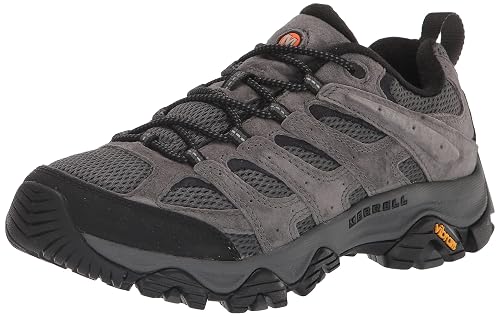
Merrell Men’s Moab 3 Hiking Shoe
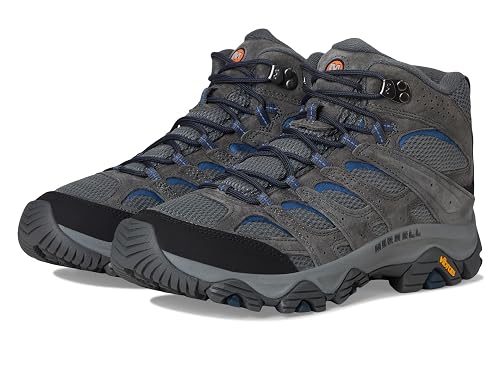
Merrell Men’s Moab 3 Mid Hiking Boot
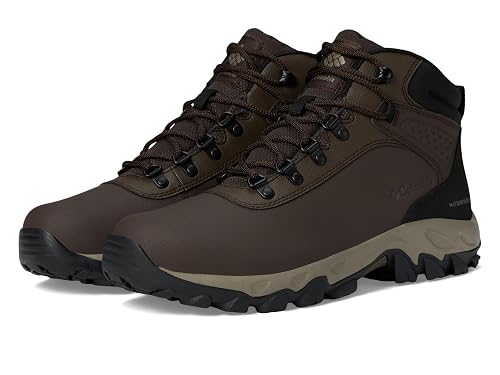
Columbia Newton Explorer
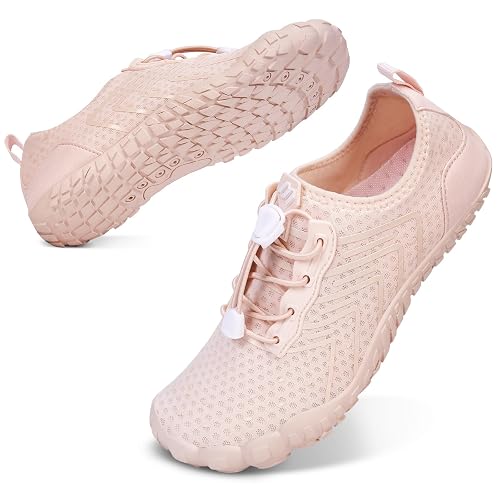
HiGropcore Quick Dry Barefoot Aqua Socks
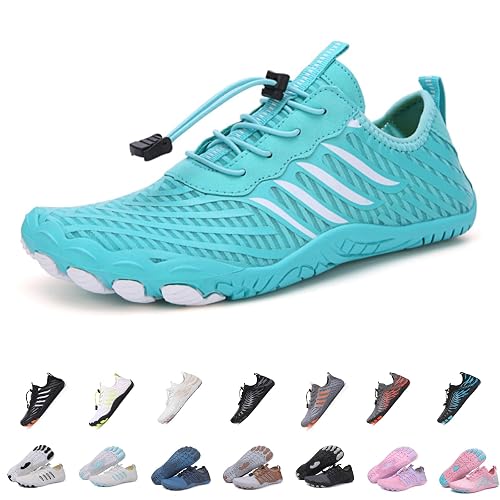
Kaeril Barefoot Wide Toe Hiking Shoes
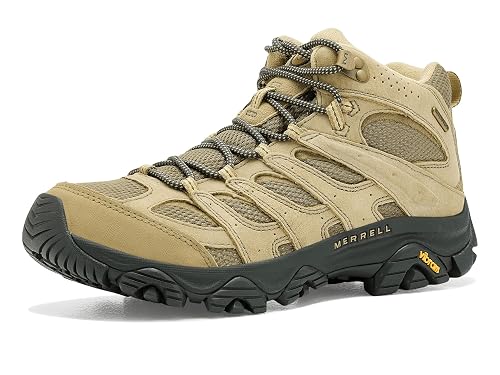
Merrell Moab 3 Mid Waterproof Hiking Boots
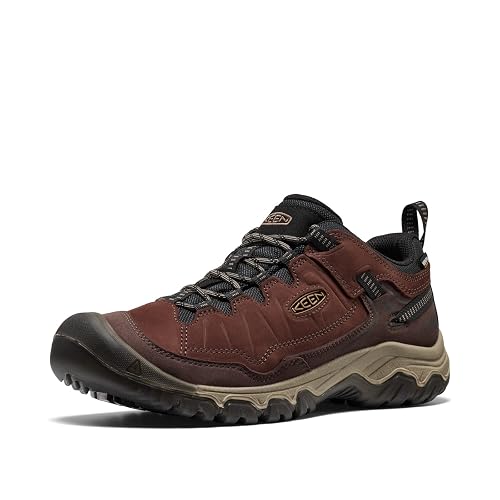
KEEN Targhee 4 Low Waterproof Hiking Shoes

Columbia Men’s Drainmaker IV Water Shoe

KEEN KS86 Retro Style Sneakers
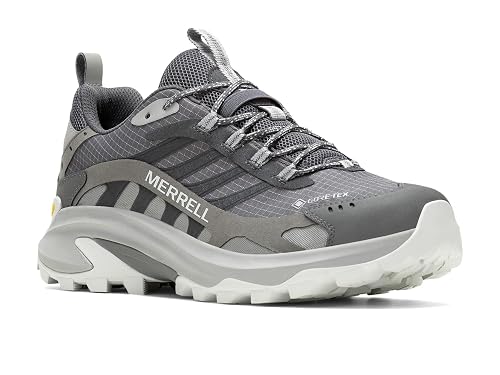
Merrell Moab Speed 2 GTX
A Breakdown Of The Leading Choices
The Merrell Moab line has earned its following the slow way, by logging millions of trail miles and surviving rocky coastlines, desert flats, and alpine switchbacks without drama. Version 3 leans into that reputation with a more supportive insole, a softer midsole, and the grippy Vibram outsole that long-distance walkers swear by. For thru-hikers clocking 15 to 25 miles a day, the balance of cushion, weight, and ground feel feels dialed in from the first mile.
That said, the Moab 3 is not waterproof on its own, so wet weather and stream crossings will soak through eventually. The break-in period is also minimal compared to stiffer backpacking boots, which most thru-hikers prefer anyway. If you carry a light pack on well-maintained trails, this shoe is easy to recommend.
Useful Strengths
- Vibram outsole grips loose dirt, wet rock, and root-covered trail with confidence.
- Roomy toe box lets your forefoot splay on long descents, cutting fatigue on tough climbs.
- Low-cut profile sheds mud and dries faster than mid boots after creek crossings.
- Cushioned midsole softens impact on paved approaches into town.
Things To Consider
- Not waterproof, so wet grass and rain will soak through to your socks.
- Sizing can run slightly narrow for hikers with wide feet.
Who It Suits Best
Thru-hikers and section hikers who log long days on dry or mixed terrain and want a versatile, proven low-cut hiker that wears well over hundreds of miles.
Consider Something Else When
Wet, muddy shoulder-season thru hikes call for the Merrell Moab 3 Mid Waterproof Hiking Boots, which add a membrane and ankle coverage for sogger conditions.
Where the low Moab lets your ankle flex freely, the Mid version wraps the joint for hikers carrying weight over uneven ground. The platform keeps the same supportive insole and softer midsole as the regular Moab 3, which means long mileage is still comfortable. Thru-hikers tackling rocky sections of the PCT or the technical stretches of the AT often reach for this silhouette for added stability without moving into full boot territory.
The trade-off, of course, is weight and warmth. Mid-cut boots trap heat and debris, and they take longer to dry if you take an unplanned swim. If your route is dominated by talus and scree with a heavier pack, the ankle support is worth the extra grams.
What Helps Most
- Mid-cut collar adds ankle stability on rocky, root-heavy terrain.
- Same Vibram outsole geometry as the low Moab, so grip stays consistent.
- Roomy forefoot reduces hot spots across long mileage.
Honest Caveats
- Heavier than a low-cut hiker, which adds up across thousands of trail miles.
- No waterproof membrane listed, so stream crossings still get your feet wet.
- Mid collar can rub against bare ankles in summer heat.
Made For
Thru-hikers carrying a heavier base weight or hiking rocky, technical trails where ankle stability and protection matter more than shaving ounces.
Look Elsewhere When
Fast-and-light thru attempts where every ounce matters are better served by the Merrell Moab Speed 2 GTX, which trades ankle height for a lighter build.
The Columbia Newton Explorer is built around a waterproof leather upper, a Techlite midsole, and Columbia’s Omni-Tech waterproof-breathable membrane. That combination targets thru-hikers who know rain is not optional, whether they’re crossing Oregon in spring or pushing through shoulder-season mud on eastern routes. The leather shell resists abrasion from scree and brush far better than most mesh hikers on this list.
Leather does come with trade-offs, though. It runs warmer in summer and takes longer to dry if water gets inside. For hikers in the Pacific Northwest or anywhere wet, the trade is a fair price to pay for dry feet at the end of a stormy day.
What Makes Sense
- Waterproof leather upper blocks rain and resists trail abrasion.
- Techlite midsole adds responsive cushioning for 20-mile days.
- Omni-Tech membrane helps keep water out without sealing in all heat.
Some Limits To Know
- Leather runs warmer than mesh hikers in summer conditions.
- Heavier than low-cut mesh options, which shows up on long mileage.
Best Suited To
Thru-hikers tackling wet routes like the Pacific Northwest sections of long trails who want a leather hiker that shrugs off rain and rough brush.
A Better Fit Elsewhere
Desert and dry-climate thru routes favor the lighter Merrell Moab 3 Hiking Shoe, which breathes better in hot, arid conditions.
HiGropcore’s quick-dry aqua socks are not a thru-hike primary, but they earn a real spot in the kit. On trails with endless fords, swapping into a barefoot-style sock between crossings lets your main hiking shoes dry faster at camp. The non-slip outsole gives grip on slick river rocks, and the wide toe box keeps your forefoot from squeezing after miles of wet sock.
These are not built for technical terrain or long mileage, so think of them as a support tool rather than the daily driver. For thru-hikers on the low routes of the Sierra or the swollen creeks of the Appalachian Trail in spring, they can be a relief.
Key Advantages
- Quick-dry construction keeps weight low after stream crossings.
- Non-slip outsole grips wet rocks and slick log crossings.
- Wide toe box lets toes spread naturally after hours in damp socks.
- Packable enough to stow in a side pocket without bulk.
Factors To Consider
- Minimal cushioning means they are not a thru-hike primary.
- Not designed for rough or rocky trails over long distances.
Whose Shelf It Belongs On
Thru-hikers tackling water-heavy routes who want a light camp and crossing shoe to give their main hikers time to dry.
Swap It Out When
You need an all-day trail shoe and want something with real structure, in which case the KEEN Targhee 4 Low Waterproof Hiking Shoes are a smarter primary choice.
Kaeril’s barefoot-style hiking shoes target thru-hikers who want a closer feel underfoot, with a wide toe box and a flexible sole that lets the foot move naturally. For hikers transitioning away from stiff boots, the shape can relieve pressure on bunions and widen the splay over time. The breathable upper keeps airflow moving on hot summer climbs.
Zero-drop platforms demand calf and foot strength to avoid shin soreness, so beginners should build mileage slowly. For long-time minimalist hikers, the ground feedback feels right and the wide toe box is a quiet gift after thousands of miles.
What Pays Off
- Wide toe box lets toes splay for natural balance and comfort.
- Breathable upper helps feet stay cool in summer heat.
- Non-slip outsole grips damp trail surfaces.
Potential Compromises
- Minimal cushioning can cause shin and calf soreness for new barefoot wearers.
- Not suited to carrying heavy packs over rough terrain.
- Less foot protection than leather or structured hikers around sharp trail hazards.
The Right Fit
Experienced minimalist hikers and thru-walkers who want a natural step over flat-to-rolling terrain and who already have strong feet and ankles.
Reach For A Different Pick When
You are new to thru hiking or carry a heavy pack, in which case the Merrell Moab 3 Mid Hiking Boot offers more structure and protection.
This version of the Moab pairs the mid-cut collar with a waterproof membrane, giving thru-hikers a wet-weather option that still rides on the familiar Moab platform. The combination handles muddy climbs, wet grass, and shoulder-season rain without soaking through on the first stream. For hikers starting in spring or crossing mountains in shoulder seasons, the extra dryness adds real comfort.
The trade is breathability and dry time, two things waterproof boots always sacrifice. If your feet run warm, plan for vent breaks and bring a second pair of socks for camp.
Noteworthy Benefits
- Waterproof membrane keeps feet dry through wet grass and rain.
- Mid-cut collar supports ankles on muddy or uneven terrain.
- Familiar Moab fit reduces break-in time for switching hikers.
Less Ideal Details
- Waterproof construction traps heat in summer conditions.
- Dries slowly if water enters over the top in deep crossings.
Who Should Grab It
Thru-hikers tackling shoulder-season routes, muddy terrain, or wet climates where staying dry is more important than shedding grams.
Skip It When
Hot summer thru hiking is on the calendar, where the breathable Merrell Moab 3 Hiking Shoe keeps feet more comfortable.
The KEEN Targhee 4 leans on a direct-attach construction that fuses the upper to the outsole for long-lasting durability. A KEEN.DRY waterproof lining handles wet weather, and the wide platform gives your foot a stable base under a heavy pack. Thru-hikers who load up with full gear often find the extra width and structure worth every ounce.
The wider fit, which fits some hikers perfectly, can feel loose if you have narrow feet. Adding a thicker sock or using the lacing pattern carefully solves most of that.
Where It Excels
- Direct-attach construction boosts long-term durability over rocky trails.
- KEEN.DRY waterproof lining blocks rain and wet grass.
- Wide platform supports heavy pack loads over uneven terrain.
- All-terrain outsole grips dirt, rock, and root.
Trade Offs
- Heavier than minimalist hikers, which adds up over long mileage.
- Run warm in hot, dry climates.
Built With In Mind
Thru-hikers carrying a heavier base weight who need a stable, durable, waterproof shoe that handles varied terrain without complaint.
Not Your Match When
You are going ultralight and want a faster, lighter shoe, in which case the Merrell Moab Speed 2 GTX is a more responsive option.
The Drainmaker IV plays the same supporting role as the HiGropcore aqua socks, but with more structure and grip. Its drainage ports move water fast, and the outsole grips slippery riverbed rock and sandy put-ins. For thru-hikers camping near rivers or lakes, the shoe doubles as a camp slipper and a stream-crossing tool.
It will not replace a hiking shoe for serious mileage, and the cushioning is light. As a sidekick for water-heavy stretches, though, it pulls more weight than its size suggests.
Everyday Advantages
- Ported outsole drains and dries faster than closed shoes.
- Grippy tread handles slick rock and muddy banks.
- Lightweight enough to pack without weighing down your kit.
Practical Considerations
- Not enough support or protection for daily trail mileage.
- Open ports can pick up sand and small pebbles on dry stretches.
Perfect Match For
Thru-hikers who camp near water often and want a versatile camp and crossing shoe that handles wet ground without soaking overnight.
Consider Something Else When
You need one shoe to handle the whole trail, where the Merrell Moab 3 Hiking Shoe is a stronger daily driver.
The KEEN KS86 is not a trail shoe in the strict sense, but it pulls double duty as a resupply and zero-day option. Its retro silhouette slips into town without looking out of place, while the aggressive tread still handles the short walk to a laundromat or a hitch into a resupply stop. For thru-hikers who value town presence and comfort between trail days, the dual-purpose design earns its pack weight.
Long trail days are not where this shoe shines, so it is a secondary, not a primary. Treat it as the pair you reach for when the trail takes a break.
Advantages To Know
- Casual retro silhouette fits in town and at camp.
- Aggressive tread handles dirt paths and gravel roads.
- Recycled mesh or eco-leather upper options suit different preferences.
Where It Is Less Suited
- Not enough support for a full day of trail hiking.
- Limited protection against rocks and trail debris.
Whose Shelf It Belongs On
Thru-hikers who like a dedicated town and zero-day shoe that looks good at resupply stops while still handling short walks off trail.
Reach For A Different Pick When
You are looking for a primary trail shoe, where the Merrell Moab 3 Hiking Shoe handles real mileage better.
The Moab Speed 2 GTX pulls athletic-shoe DNA into the trail category, with a lighter build, a Gore-Tex membrane for waterproofing, and a Vibram TC5+ outsole formulated with traction lugs for grip on everything from loose dirt to wet rock. Thru-hikers chasing speed records or simply aiming for bigger miles each day often reach for the lighter platform over the standard Moab.
Lighter builds mean less protection underfoot, so sharp rocks and rough descents are felt more directly. Runners and fast-packers will see the speed advantage outweigh the cushioning trade.
Well-Handled Touches
- Vibram TC5+ outsole with traction lugs grips varied terrain.
- Gore-Tex membrane keeps feet dry through wet conditions.
- Lighter build supports fast daily mileage and thru attempts.
- Trail-informed design carries over Merrell’s proven Moab DNA.
Soft Spots
- Less underfoot protection than standard Moab hikers.
- Waterproof membrane reduces breathability on summer climbs.
The Right Fit
Thru-hikers and fast-packers chasing big miles in variable conditions and willing to trade some cushion for a more responsive, lighter ride.
Swap It Out When
You carry a heavier pack and need more support, where the Merrell Moab 3 Mid Hiking Boot offers more structure.
What Matters Most Before Choosing Thru Hike Shoes
Fit is the first decision and the most important. A thru hike covers weeks or months of daily use, so a snug heel with room in the toe box is essential for blister control over time. Trying shoes on at the end of the day, after your feet have swollen, gives a more honest sense of fit than a morning try-on.
Terrain and climate shape the second. Wet routes and shoulder seasons favor waterproof membranes and higher-cut collars for protection. Hot, dry desert routes reward breathable mesh and quick-dry construction that lets sweat evaporate. The Vibram outsole compounds grip well across dirt, rock, and root, but tread depth and lug pattern matter on loose scree and steep climbs.
Weight and pack load round out the decision. Ultralight thru-hikers often prefer athletic hikers in the Moab Speed class, while traditional backpackers carrying heavier loads tend to reach for the Moab Mid or KEEN Targhee 4 for the added stability. A camp or stream-crossing shoe, like the Drainmaker IV or HiGropcore aqua socks, handles water-heavy sections without soaking your daily drivers overnight.
Key Considerations Across These Picks
Mistakes Worth Dodging
Choosing the wrong size is the most common thru-hike footwear mistake, and it is amplified by the volume of daily miles. Going by your street size usually undershoots, since feet swell after hours of hiking and across thousands of cumulative steps. Most experienced thru-hikers size their hiking footwear about a half size up from normal, with enough room to wiggle toes on descents.
Skipping break-in is another trap. Even a comfortable shoe can cause hot spots in the first 50 miles, so logging real miles on local trails before a long trip surfaces fit problems before you are 200 miles from the trailhead.
Where The Extra Money Goes
Premium hiking shoes and boots typically add cost through upgraded membranes, higher-grade leather or recycled materials, more durable outsole compounds, and direct-attach construction that fuses the upper to the sole. The KEEN Targhee 4 and Merrell Moab Speed 2 GTX both lean on those upgrades, with waterproof linings and Vibram compounds that last longer across harsh miles.
The upgrade pays off most for thru-hikers carrying heavier packs, hiking wet or technical routes, or logging enough mileage to burn through budget options. For shorter section hikes in mild conditions, a value-priced mid-tier shoe often delivers most of the comfort at lower cost.
Frequently Asked Questions
How do thru hike shoes differ from regular hiking shoes?
Thru hike shoes are built to handle weeks or months of daily use without falling apart, with reinforced outsoles, supportive midsoles, and materials that resist abrasion. They also tend to dry faster and breathe better than casual hikers, which matters when your feet rarely get a full day off.
Should I choose waterproof or non-waterproof thru hike shoes?
Waterproof shoes keep rain and wet brush from soaking through, which helps in shoulder seasons and wet climates. They trap heat and dry slowly once wet inside, so hot and dry routes usually favor non-waterproof breathable builds.
How much should thru hike shoes weigh?
Most thru-hikers aim for under 1.5 pounds per shoe for low-cut hikers and accept more weight for mid-cut boots when ankle support matters. Ultralight thru-hikers often drop below 1 pound per shoe, but that usually means less cushioning under heavy loads.
How long do thru hike shoes typically last?
Most hiking shoes last 500 to 800 miles before the midsole breaks down and tread wears smooth. Some hikers swap shoes partway through a long trail, sending the worn pair home rather than carrying the extra weight.
Can I use trail runners instead of hiking shoes on a thru hike?
Trail runners are popular on thru hikes because they are lighter, dry faster, and feel more athletic underfoot. They trade underfoot protection and durability, so hikers carrying heavier packs or tackling rocky terrain often prefer a structured hiking shoe instead.
Bottom Line
The right thru hike shoe comes down to fit, terrain, and pace, and the ten options above cover the most common combinations. Match the build to your route, your pack, and your feet, and you will spend less time worrying about your footwear and more time enjoying the trail.