
Stream water looks innocent until you’ve crouched beside it on day three of a backpacking trip. Giardia, the parasite responsible for one of the most common waterborne illnesses hikers face, lives in exactly that cold alpine spring. The right filter or purifier turns that worry into background noise. This lineup covers the gear that keeps your hydration pack light and your stomach settled, from ultralight straws to high-capacity bottles.
A Quick View Of The Lineup
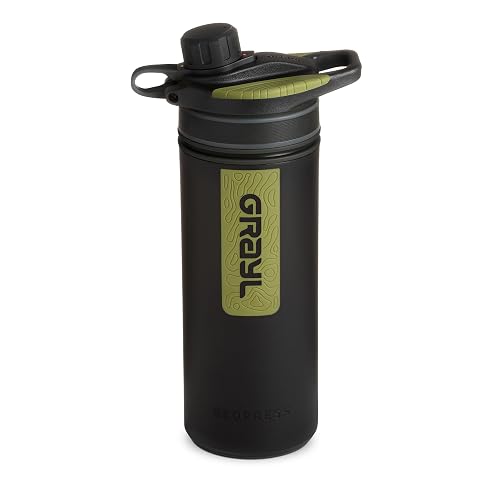
GRAYL GeoPress 24 oz Water Purifier Bottle

GRAYL GeoPress Replacement Cartridge

LifeStraw Personal Water Filter (Blue)

Aquatabs 49mg Purification Tablets 50-Pack
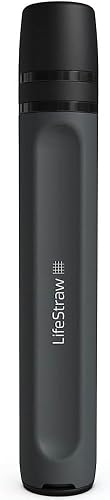
LifeStraw Peak Series Personal Straw
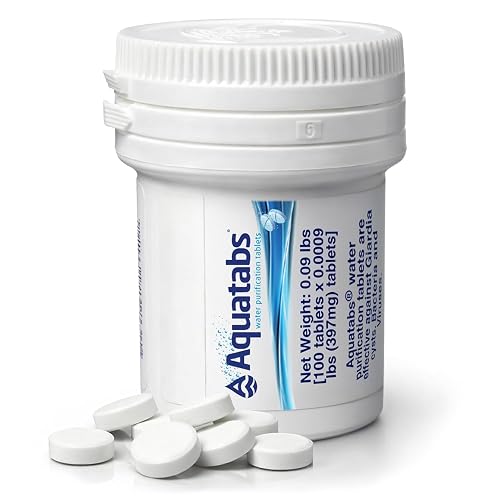
Aquatabs 397mg Tablets 100-Pack
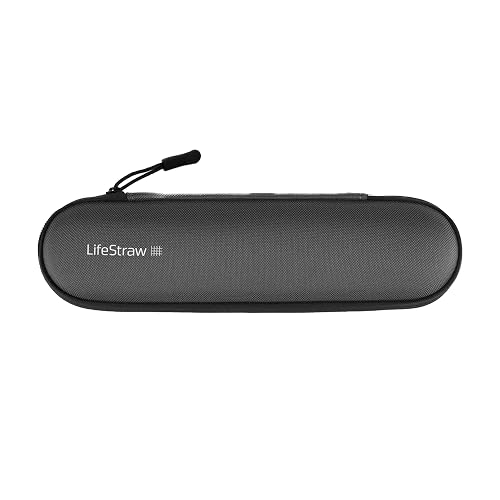
LifeStraw Official Carry Case (Gray)
A Deeper Look At The Lineup
The GRAYL GeoPress is the only option here that purifies rather than simply filters. That distinction matters when you’re tapping a roadside spring in a country where viruses, not just bacteria, ride the water. The 24 oz capacity holds enough for two hikers’ mid-day refill without constant trips back to the creek.
You fill, press, and drink. There’s no pumping, no sucking through a straw, and no waiting on chemistry. For trips where you’ll handle several liters from murky streams, that convenience is hard to overstate.
The Value In It
- Targets viruses, bacteria, and protozoa in a single press cycle
- 24 oz cup size doubles as a vessel for coffee or soup at camp
- No moving pump parts to break or back-flush mid-trip
- Press action feels faster than pumping on long trail days
- Tough outer shell handles rough pack bottoms
Things To Consider
- Cartridges must be replaced after use, so ongoing cartridge cost adds up
- Heavier than a bare straw, which matters for ultralight purists
Who It Suits Best
Small groups traveling internationally, or anyone refilling from sources where virus contamination is a genuine concern.
Where Another Pick Suits Better
Solo thru-hikers counting every gram will prefer the LifeStraw Peak Series straw in slot five for its lighter footprint.
If the GeoPress in slot one is the engine, this cartridge is the consumable that keeps it running. It is not a standalone filter. It only matters if you already own the bottle, and that’s exactly who it serves.
Owners commonly rotate spares into their kit before long expeditions so a tired cartridge never strands them. The hi-vis orange color helps you spot a fresh one in a packed bag.
Practical Advantages
- Restores full pathogen protection to an existing GeoPress
- Bright orange shell is easy to find in a stuffed pack
Room For Improvement
- Useless without the matching bottle body
- Limited shelf life once opened, so timing purchases matters
Made For
GeoPress owners building out a multi-trip rotation kit.
Look Elsewhere When
You do not own the bottle yet; start with the GRAYL GeoPress in slot one and add this cartridge later.
This is the straw that built an entire category. Drop it in any creek, sip, and the membrane inside strips bacteria and parasites before water reaches your mouth. There are no buttons, no setup, and almost nothing to fail.
Ultralight backpackers favor it for the same reason emergency kits stock it: it weighs almost nothing and works the moment you need it. The blue body is easy to spot in a jumble of gear.
A Strong Showing
- One of the lightest filtration tools you can carry
- No setup or pumping, useful when hands are cold or tired
- Long functional life before replacement
- Doubles as an emergency preparedness item for home kits
Trade Offs
- Does not address viruses, only bacteria and protozoa
- Drinking directly from the source is harder than filling a bottle
- Sipping effort can tire jaw muscles on long sessions
Right Fit For
Solo hikers in North American backcountry who value simplicity over all-in-one protection.
Skip It When
You’re heading somewhere with viral risk in the water; the GRAYL GeoPress in slot one handles that gap.
Aquatabs are tiny chlorine-based tablets that drop into any water bottle and disinfect it after a short wait. They pair nicely with a filter as a chemical backup or stand alone for short trips.
Tablet purification works well when the water already looks clean. Muddy sources benefit from a pre-filter, then the tablets handle the invisible threats.
Key Advantages
- Lightweight, flat packaging slides into any pack pocket
- No squeezing, pumping, or sucking required
- Targets viruses, bacteria, and cysts when given time to work
A Few Limitations
- Waiting period before water is safe to drink
- Faint chemical taste that some hikers dislike
- Less effective in very cold or very turbid water
Best Suited To
Hikers who already use a straw or pump and want a chemical backup for cloudy or questionable sources.
Reach For A Different Pick When
You want one-and-done active filtration; the LifeStraw Personal Water Filter in slot three gets you drinking on contact.
The Peak Series is what happens when LifeStraw redesigns its classic straw for modern ultralight setups. The grip is improved, the materials feel more sustainable, and the flow rate is faster on paper than its predecessor.
For thru-hikers on the Pacific Crest or Appalachian Trails, every gram counts. This drops into a hipbelt pocket and stays out of the way until a stream crossing demands attention.
What It Does Well
- Refined grip texture stays comfortable on cold, wet hands
- Faster sip rate than the original LifeStraw design
- BPA-free construction throughout the body
- Compact enough to live in a hipbelt or shoulder strap pouch
Honest Caveats
- Straw-only design still requires direct sipping from the source
- Same virus limitation as the classic straw, so plan accordingly abroad
- Outer body is lightweight plastic, so it needs a protective pouch for rough packs
Feature Snapshot
Who Should Grab It
Thru-hikers and section hikers who already weigh every item and want a clean, modern straw option.
Consider Something Else When
You want to refill a bottle rather than drink directly from the source; the GRAYL GeoPress in slot one serves that habit better.
The 397mg tablets in this 100-pack treat larger volumes of water per tablet than the smaller 49mg version in slot four. A single tab can purify around 4 gallons in roughly 30 minutes, which suits car camping and base camp scenarios.
Family-sized groups and emergency preppers favor the bulk pack because it stretches further per dollar. The trade is slower treatment and more chemical byproducts per dose.
Everyday Perks
- Treats larger volumes per tablet, reducing pill count
- Bulk packaging suits emergency stockpiles
- Works in any clean water bottle or jerry can
Small Caveats
- Slower contact time than the smaller-dose tablets
- Higher chemical dose per treatment may bother taste-sensitive palates
Built With In Mind
Family campers and base camp operators treating jerry cans or large water reservoirs.
Swap It Out When
You’re packing a single day-hike bag; the Aquatabs 49mg tablets in slot four are easier to dose in small quantities.
A LifeStraw straw is a precision tool, and a precision tool deserves a sleeve. This official case wraps the straw in a padded shell with an inner strap so the filter stays put inside your pack.
Travelers and careful packers appreciate the protection when the straw rolls loose at the bottom of a duffel. The hard shell shrugs off bumps that would otherwise crack a plastic body.
Real Benefits
- Padded shell protects the filter body against drops and bumps
- Inner strap keeps the straw secured inside the pouch
- Sturdy zipper holds up to repeated opening and closing
Practical Considerations
- Case only; the filter is not included
- Adds bulk to an otherwise ultralight setup
Whose Shelf It Belongs On
Anyone carrying a LifeStraw straw in checked luggage or shared packs where bumps add up.
A Better Fit Elsewhere
You don’t own a LifeStraw yet; start with the LifeStraw Personal Water Filter in slot three and add the case if your pack style demands it.
How To Match The Right Water Filtrations For Hiking To Your Trip
The best filter is the one you’ll carry and actually use. Match the format to your trip’s length, group size, and source quality rather than chasing lab-sheet specs.
Filter Type And Treatment Depth
Filters handle bacteria and protozoa, which covers most North American backcountry. Purifiers also neutralize viruses, which matters abroad or near agricultural runoff. If your routes cross international borders or sketchy roadside spigots, lean toward the purifier category.
Weight, Capacity, And Daily Demand
Ultralight straws shine on solo trips where every gram is accounted for. Press-style bottles and pump systems weigh more but produce liters fast, which suits groups. Estimate daily water needs at roughly three to four liters per person on warm trips and work backward from there.
Maintenance And Cartridge Reality
All filters need cleaning, all cartridges expire. Straws backflush with a syringe or blow. Purifier cartridges replace after a fixed number of liters. Tablets lose potency once opened. Build a replacement plan into your kit budget so your filter never quits mid-trip.
Backup Layers For Murky Or Sketchy Water
Filters clog faster in sediment-heavy water. Pairing a straw with tablets or carrying a pre-filter sock extends field life. Redundancy is cheap insurance when sources vary.
Where The Picks Differ Most
A few patterns help you choose quickly. GRAYL handles virus coverage with a press-and-drink bottle; LifeStraw delivers ultralight straw simplicity; Aquatabs add chemical backup or bulk treatment. The carry case wraps any LifeStraw straw in protective padding for rougher travel. Match the format to your trip profile rather than chasing the most expensive option.
Where Shoppers Go Wrong
First-time shoppers often pick the lightest straw and assume it covers every threat. Straws miss viruses, so international travelers end up with the wrong tool. Others skip spare cartridges or tablets, which means a clogged filter ends the trip. Build your kit with a primary method plus redundancy.
What Separates Premium From Basic
Premium options like the GRAYL GeoPress add virus protection, faster flow, and a vessel you can drink from like a regular cup. Basic straws cost almost nothing and strip down to the minimum. Spend up when viral risk is real or when your group needs fast refill volume on demand.
Frequently Asked Questions
Do I really need a water filter for day hikes?
Most established trails have reliable springs, but surprise diversions happen. Carrying a lightweight filter covers you when plans change or an emergency forces an unplanned overnight.
Can I use one filter for a group of four?
Press-style bottles and pump filters serve groups well because they produce liters per cycle. Straws work but become a bottleneck when four people wait their turn at the creek.
How long does a filter cartridge last in storage?
Most cartridges stay effective for several years sealed, but lose potency faster once opened and exposed to humidity. Check manufacturer guidance before relying on a stored spare.
Will a filter remove chemical contaminants?
No. Standard hiking filters handle biological threats, not industrial chemicals, agricultural pesticides, or heavy metals. Use bottled water or a specialized carbon block for chemical contamination.
Is boiling water still a backup option?
Yes. Boiling for one minute kills pathogens at most elevations and works without any gear. It is fuel-hungry, which is why most hikers reach for a filter first.
Final Verdict
The right pick depends on your trip style more than any spec sheet. Solo backpackers will love the LifeStraw Peak Series straw for its weight savings. International travelers and group leaders get more value from the GRAYL GeoPress. Layer tablets or a case into the kit for redundancy, and your water plan is set for whatever the trail throws at you.