
Clean water rarely finds itself. On a stretch of switchbacks in the Sierras, a backcountry campsite in the Adirondacks, or a tropical trek through flooded trails, what you drink matters as much as what you pack. Choosing the right purification system shapes how light you travel, how quickly you rehydrate at camp, and how confidently you refill from that questionable stream. The eight options below cover the three most practical formats for hikers: replacement purifier cartridges, ultralight straw filters, and chemical tablets. Each one suits a different style of trip.
A Snapshot Of The Selections

GRAYL GeoPress Replacement Filter Cartridge (Hi-Vis Orange)

LifeStraw Personal Water Filter (Blue)

Aquatabs 49mg Purification Tablets, 50 Pack
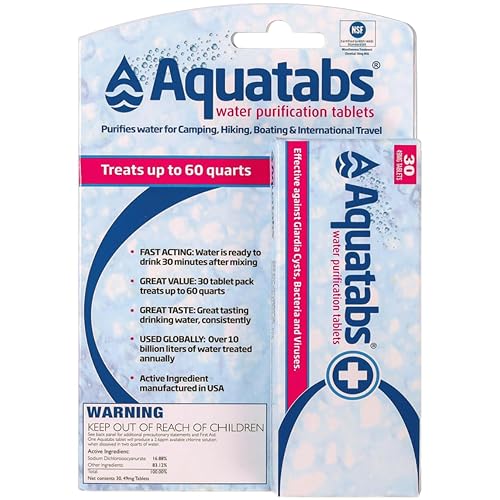
Aquatabs 49mg Purification Tablets, 30 Pack
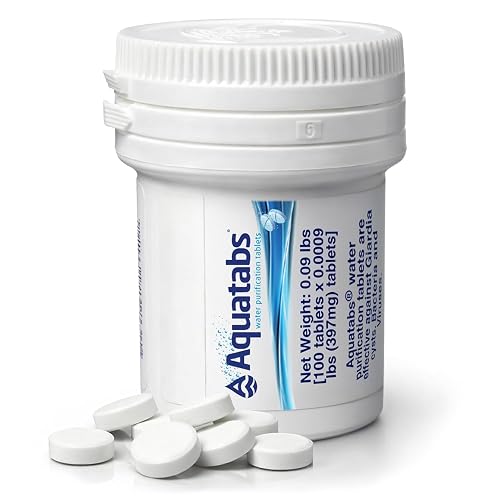
Aquatabs 397mg Purification Tablets, 100 Pack
LifeStraw Peak Series Personal Filter Straw
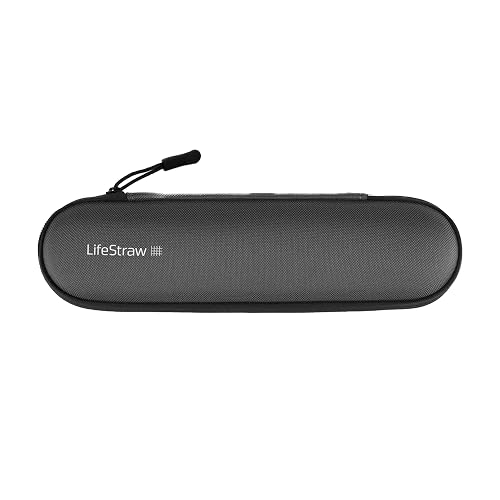
LifeStraw Official Carry Case (Dark Mountain Gray)

CLEARSOURCE Ultra Replacement Filter 3-Pack
Inside Each Recommended Option
This replacement cartridge slots into a GRAYL GeoPress bottle (sold separately) and works as a press-style purifier rather than a slow drip filter. You fill the outer cup from a stream, lake, or questionable tap, drop the cartridge in, and push the inner cup down. The press cycle clears sediment and pathogens in roughly the time it takes to set your pack on a rock. For international travel, desert springs with livestock upstream, or anywhere viral contamination is a real concern, that one-press action is genuinely useful.
Unlike the straw filters in this roundup, the GRAYL format produces clean water in a vessel you can drink from immediately, share with a partner, or pour into a cooking pot. The trade-off is weight and pack footprint: it isn’t an ultralight item, and you need the bottle body to use it. Hikers who already own a GeoPress will see this cartridge as routine maintenance. Newcomers should factor in the full system before committing.
Why It Works Well
- Targets viruses, bacteria, and protozoan cysts, which is rare for a backcountry filter at this size.
- OnePress action produces drinkable water in seconds, useful for groups refilling at the same stream.
- Bright Hi-Vis Orange shell makes the cartridge easy to spot in a packed bag.
- Works as both a refillable bottle and a cooking water source at camp.
Things To Consider
- Cartridge only: you still need the GeoPress bottle body, which adds cost if you don’t already own one.
- Pressing takes a moderate amount of hand force, which can be tiring after a long day of trekking.
- Heavier and bulkier than a straw filter for ounce-counting thru-hikers.
Who It Suits Best
Travelers and hikers heading into regions with uncertain water quality who already use or plan to buy a GRAYL bottle system.
Look Elsewhere When
Ounce-counting thru-hikers will do better with the LifeStraw Personal Water Filter, which weighs almost nothing and slips into any hip belt pocket.
The original LifeStraw defined a category. It’s a hollow fiber membrane filter shaped like a fat drinking straw: dip the end into a stream, sip, and the membrane physically strains out bacteria, parasites, microplastics, and sediment. There are no moving parts, no chemicals, and no batteries. For a long-distance hiker counting every gram, that simplicity is the entire appeal.
You drink directly from the source, which means the flow rate depends on how hard you suck. Some hikers find that awkward on technical stream crossings; others prefer it because there’s nothing to set up. Note that the LifeStraw is not designed to remove viruses, so it’s well-matched to North American backcountry water and less ideal for tropical or international travel, where a purifier like the GRAYL cartridge covers more ground.
Real-World Strengths
- Ultralight and packable, ideal for long sections of trail where space is tight.
- No setup, pumping, or chemicals required at the water source.
- Filters a meaningful volume of water over its lifespan before needing replacement.
- A trusted form factor widely carried in emergency kits worldwide.
Worth Noting
- Does not remove viruses, which limits its usefulness outside North American backcountry.
- Drinking directly from streams means you need to crouch or kneel to refill.
- Hard plastic shell can crack if tossed loosely in a full pack, which is where the LifeStraw Carry Case earns its keep.
Key Specs
Made For
Thru-hikers and minimalist backpackers who want a no-fuss filter for North American backcountry water.
Consider Something Else When
Travelers heading to regions with viral water risks will want the GRAYL GeoPress Replacement Filter Cartridge for its broader coverage.
Aquatabs are iodine-free chlorine-based tablets that treat water through a timed chemical reaction. Drop one tablet into a liter of clear water, wait, and the active ingredient knocks out bacteria, viruses, and cysts. The 50-pack stretches further than smaller kits, which makes it attractive for longer trips, shared group cooking water, or car-camping rotations where you refill multiple bottles per day.
Compared with the LifeStraw, tablets can’t strain silt or sediment out, so murky water should be pre-filtered or allowed to settle first. The 49mg dose is a standard strength, balanced for typical clear backcountry sources. For pure convenience on a long trail, this format wins: tablets weigh almost nothing and last for years in sealed packaging.
What Helps Most
- Lightweight, with each tablet treating a single liter, easy to portion by day.
- Targets bacteria, viruses, and cysts, making it more thorough than straw filters alone.
- Shelf-stable packaging holds up in a pack or a long-forgotten emergency bin.
- Larger pack count reduces the cost per liter treated over a long season.
Trade Offs
- Requires a waiting period before the water is safe to drink, so you need to plan ahead.
- Doesn’t physically remove sediment, so visibly cloudy water needs pre-filtering.
- Mild chlorine taste is noticeable in cooler water, which some hikers find unpleasant.
Right Fit For
Group campers and budget-conscious hikers who want a long-lasting chemical option for treating clear backcountry water.
Skip It When
Anyone who hates waiting or dislikes any chemical aftertaste will prefer the LifeStraw Peak Series, which lets you drink on demand with no wait.
The 30-pack uses the same 49mg tablet strength as the larger 50-count version, just in a smaller tube. It registers as EPA- and NSF-certified for drinking water treatment, which is the kind of paperwork that matters to people building emergency kits or crossing borders where regulators ask questions. For a two-to-three-day weekend trip, a single tube typically covers every liter you and a partner will drink.
Functionally, this and the 50-pack are interchangeable. The choice comes down to trip length and how you organize your kit. Keep one in a kitchen drawer for boil-order disruptions, another in a glove box, and a third in your pack, and the smaller format starts to make sense. Hikers who dread the chlorine note can squeeze a lemon wedge or shake in a little powdered drink mix after the waiting period.
Where It Helps
- EPA- and NSF-registered formula, useful documentation for emergency preparedness.
- Compact tube fits in a side pocket of a pack or a kitchen drawer.
- Same 49mg dose treats one liter of clear water, easy to keep track of on the trail.
- Targets bacteria, viruses, and cysts in a single step.
Small Caveats
- Smaller pack means more frequent reorders for long-distance hikers.
- Waiting time still applies, so you need to plan refills ahead of thirst.
Feature Snapshot
Best Suited To
Weekend hikers and emergency-preparedness shoppers who want certified, no-fuss treatment for short trips.
Not Your Match When
Multi-week trekkers will run out fast, and the Aquatabs 397mg 100 Pack treats much more water per tablet.
Where the 49mg tablets treat roughly a liter each, these 397mg tablets treat about four gallons of water apiece, depending on the source’s clarity. That shift changes the math: a single 100-pack covers an enormous volume, which makes it well-suited to family camping trips, group expeditions, or a long-stored emergency supply. The trade-off is per-tablet convenience, since splitting a tablet evenly for a single bottle becomes awkward without a small scale.
Bulk tablets also suit basecamps and RV setups where you treat larger volumes in jerry cans. The same 30-minute treatment window applies, so the trade-off is waiting rather than handling weight. For someone who likes redundancy, tossing a few of these alongside a straw filter is a smart move: if the filter clogs or breaks, the tablets finish the job.
A Few Strong Suits
- Each tablet handles roughly four gallons, ideal for high-volume use.
- Targets bacteria, viruses, and cysts in one step.
- Excellent shelf life makes this a sensible addition to any emergency bin.
- Works as a backup when paired with a physical filter like the LifeStraw.
Points To Note
- Large tablets make single-bottle treatment awkward without splitting them.
- 30-minute wait time per batch, longer than a quick straw sip.
Whose Shelf It Belongs On
Family campers, group leaders, and emergency-preparedness planners who treat water in larger volumes rather than bottle by bottle.
A Better Fit Elsewhere
Solo day hikers should save weight and grab the Aquatabs 49mg 50 Pack, which fits a single liter at a time without splitting.
The Peak Series is LifeStraw’s modern take on its classic straw filter. It’s lighter in the hand, with a grippier shell and an improved flow rate that makes sustained sipping less of a workout. For thru-hikers who want the same trusted membrane in a more packable body, this is the version to look at. It filters bacteria, parasites, microplastics, and silt without removing viruses, the same coverage profile as the original.
Compared with the original LifeStraw, the Peak is the better pick for anyone who found the older model awkward to drink from. It’s also a natural backup: drop it into a ditty bag as a failsafe alongside a heavier pump filter, or carry it as a stand-alone in a fastpacking kit where ounces count. A backup case like the LifeStraw Official Carry Case pairs well if you’re tossing it loosely in a pack.
What Earns Its Place
- Improved flow rate over the classic LifeStraw design.
- Lighter shell and updated grip make sustained sipping easier.
- No setup time, suitable for fastpacking and emergency stashes.
- BPA-free construction adds peace of mind for daily use.
A Few Limitations
- Still does not remove viruses, limiting its scope in tropical regions.
- Hard plastic shell benefits from a protective case on rough trails.
Quick Facts
Perfect Match For
Fastpackers and emergency planners who want a low-weight backup straw with smoother sipping than the original LifeStraw.
Reach For A Different Pick When
Travelers entering virus-prone regions will appreciate the GRAYL GeoPress Replacement Filter Cartridge more for its full pathogen coverage.
This is the official LifeStraw carry case, designed to hold a Personal or Peak Series straw in a padded shell. It includes an internal strap to keep the filter from rattling around and a sturdy zipper that holds up to being shoved into a hip belt pocket or a top-lid compartment. For anyone who’s ever pulled a cracked straw out of a fully loaded pack, the value here is obvious.
Note that this is the case only: the filter itself is not included. That makes it a companion purchase rather than a standalone solution. It also fits the LifeStraw Personal Water Filter and the Peak Series, so the same case can move between filters if you upgrade over time. It’s the kind of accessory you forget about until you need it.
What It Does Well
- Padded shell reduces the risk of cracks from pack impacts.
- Inner strap holds the filter steady during long travel days.
- Compact enough to toss in a hip belt or a top-lid mesh pocket.
- Compatible with both the classic LifeStraw and the newer Peak Series.
Points To Keep In Mind
- Case only, no filter included, so this isn’t a complete solution on its own.
Who Should Grab It
Anyone carrying a LifeStraw straw on rugged trips where pack impacts and rough handling are routine.
Where A Sibling Pick Shines
If you don’t already own a LifeStraw, the LifeStraw Peak Series filter is the more useful starting point, and you can add this case later.
This three-pack of replacement filters slots into the Clearsource Ultra three-canister system and includes the VirusGuard element, which targets viruses as well as bacteria and cysts. The kit is built for high-volume basecamp use, where you’re filtering water into a large container rather than sipping from a stream. Hikers who car-camp with a group, or who base out of one spot for multiple nights, will find this format efficient.
Like the GRAYL cartridge, this is replacement media only: you need the full Clearsource system to use it. The activated coconut shell carbon block in the standard filter and the rust-inhibiting sediment pre-filter are well-regarded for producing clean-tasting water from suspect sources. For long trips, replacing the trio on a schedule keeps the system performing as designed. Trail day-hikers don’t need this kind of capacity.
What Stands Out
- Three-stage filtration handles sediment, carbon polishing, and viral protection in one system.
- Three-pack format is convenient for scheduled replacements on long expeditions.
- Designed for high-volume output at basecamps or group sites.
- Activated carbon block improves taste, useful for water with organic off-flavors.
Practical Considerations
- Requires the full Clearsource Ultra system, so it isn’t a standalone filter.
- Too bulky and slow for backcountry use; built for car camping and basecamps.
- Replacement cost adds up over multiple trips, an important long-term budget note.
At A Glance
Built With In Mind
Group basecamps, RVs, and car-camping trips where high-volume filtration matters more than pack weight.
Swap It Out When
Solo backpackers will find the LifeStraw Peak Series far better suited to long trails with no vehicle support.
Choosing A Water Purification System That Actually Fits Your Trips
The right format depends on how you hike, where you go, and how much water you actually drink. Start with the type of trip: day hikes and section hikes in established North American wilderness work well with straw filters, while international travel, tropical climates, and regions with agricultural runoff push you toward purifiers that handle viruses. Multi-day backcountry trips where you carry everything benefit from chemical tablets as a lightweight backup.
Filter Versus Purifier: The Core Distinction
Filters strain out bacteria, parasites, and sediment through a physical membrane. Purifiers go further, removing viruses through chemical, UV, or ultra-fine mechanical action. The North American backcountry generally calls for a filter, because the most common risks are protozoan cysts like Giardia. International routes, where hepatitis A and similar viruses are present, call for a purifier like the GRAYL cartridge or the Clearsource system. If your itinerary crosses both environments, pair a filter with tablets and you have layered protection.
Weight, Pack Volume, And Daily Water Demand
Heavy drinkers on a hot desert trek burn through four to six liters a day, which makes a press bottle or a basecamp filter feel less like a luxury. Thru-hikers counting every gram will run the math differently: a 49-gram straw plus a 50-pack of Aquatabs adds barely any weight and covers most contingencies. The honest read is that adding redundancy costs little, and the peace of mind is real.
Flow Rate, Setup Time, And Willingness To Wait
Some hikers love the patience of dropping a tablet and waiting; others want water in their hands immediately. Press systems deliver water in seconds but require hand strength, while straws demand steady suction. Pumps and gravity systems sit in the middle. If you tend to refill at streams, consider how you feel about crouching, pumping, or waiting. The best system is the one you’ll actually use at mile 18.
Practical Notes Across These Picks
Mistakes Worth Dodging
A common slip is buying a filter that handles only bacteria, then carrying it into a region with viral risk. Match the system to the geography rather than the marketing. Another frequent miss is ignoring the replacement schedule: a straw filter past its lifespan is a plastic tube, and an old carbon block is a sponge. Calendar reminders help, especially for emergency kits that sit unused for years. Finally, skipping sediment pre-filtering for chemical tablets leaves cloudy water only partially treated. Settle, decant, or pre-filter before dropping the tablet.
When Paying More Pays Off
Higher-tier systems earn their price through durability, broader pathogen coverage, and faster output. A press purifier like the GRAYL replacement cartridge costs more per liter than a straw, but it covers viruses and produces drinkable water in seconds. The Clearsource three-pack stretches dollars over time when you factor in scheduled replacements, and the activated carbon block genuinely improves taste in places with tannin-heavy water. Spending up makes sense when your trips cross borders, run long, or feed a group.
Frequently Asked Questions
Do water purification tablets actually work on backcountry streams?
Yes, when used as directed on clear water. Aquatabs in this roundup are formulated to handle bacteria, viruses, and cysts over a defined waiting window. Murky water should be pre-filtered or allowed to settle so the chemistry can do its job.
Can a straw filter remove viruses?
Standard hollow fiber straw filters, including the LifeStraw models in this list, are not rated to remove viruses. For viral protection, choose a purifier such as the GRAYL GeoPress cartridge or the Clearsource system with VirusGuard, or pair a filter with chemical tablets.
How long do replacement cartridges typically last?
Lifespan depends on the system and the water you treat, but manufacturer specs are the right reference point. Tracking the volume you push through, and noting when flow rate drops, are reliable ways to know it’s time to swap.
Are Aquatabs safe for daily long-term use?
They’re widely used for travel and emergency preparedness, and many hikers rely on them for multi-week trips. Anyone with a thyroid condition or sensitivity to chlorine should review the formulation and consult a medical professional before relying on them daily.
Is the LifeStraw Carry Case worth it if I already have a filter?
If you toss the filter loosely into a fully loaded pack, the case pays for itself the first time it prevents a crack. If you keep the filter in a soft pouch or hip belt pocket, you may not need it. The case is more about pack abuse than the filter itself.
The Takeaway
The cleanest answer is the one that matches your trip profile. Thru-hikers and minimalist backpackers will lean toward the LifeStraw straw and a tube of Aquatabs. International travelers and group basecamps will find more security in the GRAYL cartridge or the Clearsource three-pack. Pick the format that fits how you actually hike, pack redundancy where the weight is cheap, and you’ll stay hydrated with fewer worries.