
A reliable water purification system changes how far you can wander. On long trails, in alpine basins, or anywhere taps dry up, the right filter or purifier turns sketchy creek water into hydration you can count on. This roundup covers compact straws, ultralight tablets, pump filters, and UV pens that suit different trip lengths and water sources.
A Fast Comparison Of The Options

GRAYL GeoPress Replacement Filter & Purifier Cartridge (Hi-Vis Orange)

LifeStraw Personal Water Filter (Blue, 1PK)
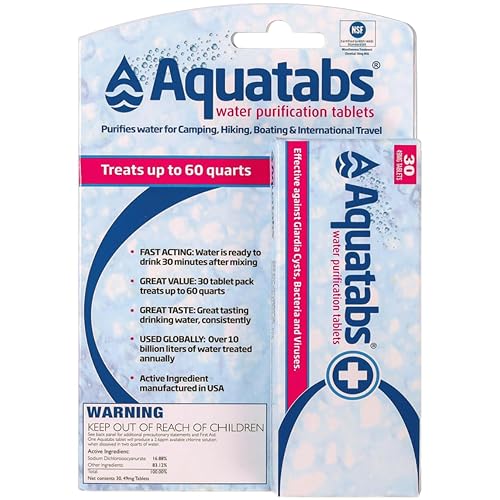
Aquatabs 49mg Tablets, 30 Pack

Aquatabs 49mg Tablets, 100 Pack
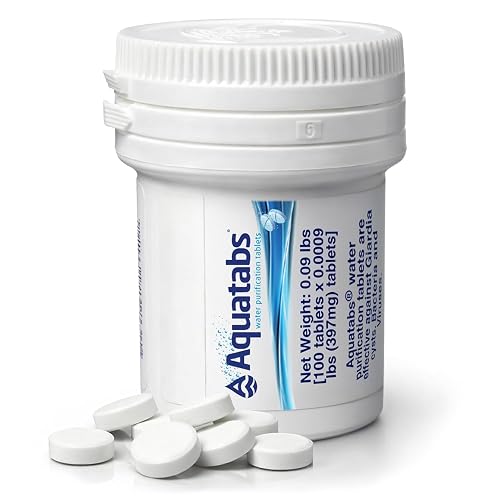
Aquatabs 397mg Tablets, 100 Pack
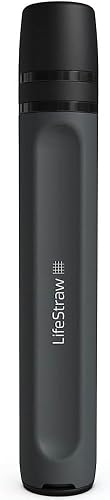
LifeStraw Peak Series Personal Filter Straw
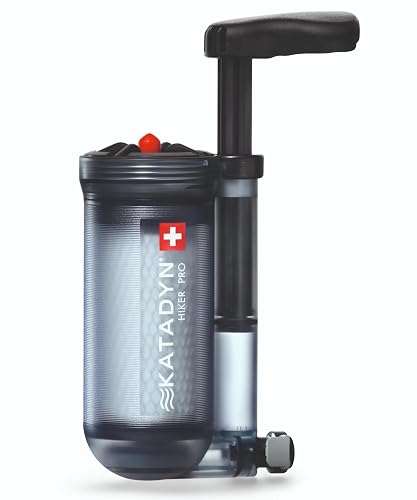
Katadyn Hiker Pro Transparent Hand Pump
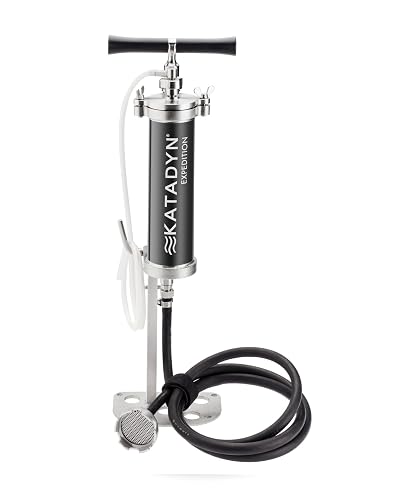
Katadyn KFT Expedition Stainless Steel Pump

SteriPen Adventurer Opti UV Purifier
Why These Options Stand Out
The GeoPress cartridge drops into the GeoPress bottle you already own and treats water with a press rather than a pump or sip. You scoop from a stream, press the cup down, and 8 ounces of clean water appears in roughly the time it takes to swap your socks.
Unlike the LifeStraw straws that follow this review, the GeoPress targets viruses as well as bacteria and protozoa (single-cell parasites like Giardia), making it a sensible choice for international travel or sketchy municipal sources. The hi-vis orange housing is easy to spot in a cluttered pack and the replacement cadence is straightforward.
A Strong Showing
- Virus-level filtration in a press-action cup, rare for hiking-class gear
- Replaces worn cartridges without buying a whole new bottle
- Hi-vis color helps avoid leaving it on a flat rock at camp
- Pairs with the optional electrolyte valve for sports hydration
Points To Keep In Mind
- Only fits GRAYL GeoPress bottles, so it is a refill, not a standalone filter
- Press action takes some hand strength, which may bother smaller hikers on a long day
Whose Trail It Belongs On
Thru-hikers, international travelers, and anyone who wants virus coverage from a single press-and-go tool.
Skip It When
The LifeStraw Personal is a better fit for budget-focused day hikers who just need bacteria and parasite removal without the press action.
The original LifeStraw is the straw that started the personal-filter conversation, and it still earns its slot in ultralight kits. You sip directly from the water source or fill a bottle, place the straw inside, and drink through it like a very long sports straw.
The filter blocks bacteria, parasites, and microplastics (tiny plastic fragments that show up in remote water sources), which covers the most common backcountry risks in North America. Compared with the GRAYL cartridge reviewed above, the LifeStraw is lighter, cheaper, and simpler, but it does not target viruses and you cannot easily share filtered water with a partner.
Bright Spots
- Among the lightest filters on the market, perfect for ounce-counters
- No moving parts to break or lose on rough trails
- Long service life, enough for thousands of liters before replacement
- Drinks straight from the source, no container required
Minor Gripes
- No virus protection, so international or heavily polluted water needs a second step
- Sipping from a moving stream takes practice and gets awkward in deep water
Feature Snapshot
Who It Suits Best
Solo day hikers and emergency-prep newcomers who want a near-zero learning curve.
Where Another Pick Suits Better
The Katadyn Hiker Pro is a better match for backpackers who want to fill bottles and bladders without sipping.
Aquatabs use iodine-based chemistry to knock out bacteria, viruses, and cysts in clear water. Drop one tablet into a liter, wait roughly 30 minutes, and the water is ready to drink. There are no membranes to clog and no batteries to swap.
The 30-count pack suits short trips, weekend overnights, or as a backup tucked inside a larger kit. Compared with the LifeStraw straw reviewed above, tablets treat a whole bottle at once, so you can hand filtered water to a friend without passing the straw around.
Points In Its Favor
- Tiny footprint, slips into a hipbelt pocket or ditty bag
- Treats viruses as well as bacteria, useful abroad
- No squeezing, pumping, or sipping required
- Pre-measured dose, no guessing at the right amount per liter
Things To Consider
- Requires a wait time of roughly 30 minutes before drinking
- Less effective in cold or visibly cloudy water without pre-filtering
- Some users notice a mild chemical taste, which flavoring can mask
Best Suited To
Weekend hikers and travelers who want a featherweight backup that handles viruses.
Look Elsewhere When
The LifeStraw Peak Series suits hikers who want instant, on-demand filtration without the wait.
This is the same 49mg Aquatabs tablet in a larger, thru-hike-ready bottle. A hundred tabs handle a full long trail or a year of weekend trips for a small group. The chemistry is identical to the 30-count pack reviewed above, so flavor and wait time carry over.
Thru-hikers on routes like the AT or PCT commonly pair Aquatabs with a backup filter so cloudy sources or broken gear do not end the water supply. Tablets cost very little per liter, which is why they stay in so many first-aid kits long after a pump filter has called it quits.
The Case For It
- Lower cost per liter than most pump or UV alternatives
- Treats viruses, useful on international routes or shelter-shared water
- Packaging stays sealed until you crack the cap, keeping tabs dry
- Compatible with any bottle or pot you already carry
Honest Caveats
- Tablets are single-use, no flow rate advantage for group cooking water
- Heat, humidity, and a loose lid can shorten shelf life if storage is sloppy
Right Fit For
Long-distance hikers and small groups who want bulk tablet supply without paying premium pricing.
Consider Something Else When
The Katadyn KFT Expedition makes more sense for a base camp that needs fast, high-volume filtering on demand.
The 397mg tablet is the heavy lifter of the Aquatabs range, sized for larger volumes rather than a single liter. One tab can treat roughly four gallons of clear water, which is the kind of math that matters when you are filling a group pot or a water bladder for camp cooking.
Emergency planners and base-camp cooks lean on this strength because it shrinks the tablet count per fill. Compared with the 49mg versions reviewed earlier, the wait time is similar but each tab does a lot more work, so you carry fewer total pieces.
Good Reasons To Consider
- Each tablet treats about four gallons, perfect for cooking pots and bladders
- Cuts the total tab count you need to pack for long trips
- Useful in emergency kits where you may be treating stored tap water
- Same virus and bacteria reduction as the smaller-dose version
Softer Spots
- Overkill for solo day trips where a 49mg tab per liter is simpler
- Must be broken carefully or pre-dissolved to dose smaller containers
Quick Facts
Made For
Group leaders, base-camp cooks, and emergency planners who treat larger containers at a time.
A Better Fit Elsewhere
Solo hikers on day routes are better served by the lighter 49mg tablet reviewed above.
The Peak Series is the next-generation take on the LifeStraw straw, with a reworked body, improved grip, and a faster flow that keeps up with steady sipping. You still drink straight from a stream or a bottle, but the experience is noticeably smoother than the original reviewed earlier.
It uses the same hollow-fiber membrane technology (tiny straw-like tubes that physically block contaminants while letting water through) as the original, so bacteria, parasites, and microplastics are filtered out without chemicals. For hikers who like the straw idea but want a more comfortable mouthpiece and a longer-lasting build, this is the upgrade path.
Key Advantages
- Higher flow rate than the original LifeStraw, less effort per sip
- BPA-free (made without bisphenol A, a common plastic additive) construction with recycled materials in the body
- No extra parts to lose, just the straw itself
- Useful as a backup filter stashed in a pack lid
A Few Limitations
- Still no virus protection, so international water needs a second step
- Sipping from deep or moving sources can be awkward for first-time users
Feature Card
Who Should Grab It
Hikers who already know they want a straw filter and want the latest grip and flow updates.
Reach For A Different Pick When
The SteriPen Adventurer Opti is a smarter pick for clear water if you prefer UV treatment over sipping through a straw.
The Hiker Pro is a pump-style filter built for backpackers who would rather push water through a hand pump than sip from a straw. The transparent body is the standout feature, you can actually see the cartridge, which makes it obvious when it needs cleaning.
It pumps roughly a liter per minute, fast enough to fill bottles and bladders without slowing you down at camp. Compared with the LifeStraw straws reviewed earlier, this filter produces clean water you can hand off, share, or cook with, which is why groups and family campers tend to prefer it.
Well-Handled Touches
- Transparent cartridge so dirt buildup is hard to miss
- Quick-connect fittings work with most bottles and hydration bladders
- Removes bacteria and protozoa from clear water sources
- Field-cleanable cartridge extends service life on long trips
Less-Strong Areas
- Pumping for a minute per liter gets tiring at high altitude or after a long day
- Heavier than straws or tablets, so it adds real pack weight
- No virus reduction, which matters in some international settings
Technical Highlights
Built With In Mind
Solo backpackers and pairs who want fillable, shareable water from clear mountain sources.
Another Choice May Suit
The Katadyn KFT Expedition is the better fit for larger groups that need faster, higher-volume pumping.
The Expedition is Katadyn’s group-class workhorse, with a stainless steel body and a ceramic element rated for tens of thousands of liters. It pumps about four liters per minute, which fills jerry cans and water bladders fast enough for an entire camp.
It is heavier and more expensive than anything else in this roundup, and that is the trade-off you accept for durability and output. Relief organizations, trekking outfitters, and base-camp cooks reach for this kind of filter because the build holds up to repeated daily use across long seasons.
Where It Delivers
- Very high flow rate for the category, around 4 liters per minute
- Stainless body resists dents and corrosion on rough trips
- Ceramic element is field-cleanable and long-lasting
- Designed for groups, expeditions, and emergency response
Practical Considerations
- Heavier than every other option in this list, not for ultralight kits
- Costs more up front, though the ceramic life offsets some of that over time
- Bigger footprint means a dedicated spot in your pack or vehicle
Who Will Love This
Base-camp managers, trekking outfitters, and emergency planners running group-level water needs.
Not Your Match When
Solo hikers are better served by the Katadyn Hiker Pro, which trades flow for a much lighter carry.
The Adventurer Opti uses ultraviolet light to neutralize bacteria, viruses, and protozoa in clear water. You stir the pen in a bottle for about a minute and a half, the lamp clicks off, and the water is treated. There is no taste change and nothing to wait for.
Unlike the pump filters reviewed above, the Opti has no flow rate at all. You still need a bottle or pot to hold the water while the lamp does its work. For travelers chasing the smallest possible kit and the fastest possible treatment of clear water, this is a tidy solution that slips into a side pocket.
The Helpful Details
- UV light treatment, no chemical taste or filter cartridges to replace
- Treats bacteria, viruses, and protozoa in clear water
- Runs on widely available CR123 lithium batteries, easy to find worldwide
- Compact pen shape, fits in a jacket pocket or small pouch
Factors To Consider
- Requires clear water, sediment can shield microbes from the UV light
- Batteries need spares for trips longer than a weekend
- Lamp life is finite, so it is not a forever tool like a ceramic pump
Feature Rundown
Perfect Match For
Travelers and backpackers who treat clear water and want a chemical-free, on-demand option.
Swap It Out When
Aquatabs are a smarter pick for cloudy sources or anyone who would rather skip batteries altogether.
Choosing The Right Setup For Your Trail
Pick a filter by the water you expect to drink, not by the lightest option on the shelf. Clear alpine streams favor hollow-fiber straws, pump filters, and UV pens, while turbid rivers and ponds often call for chemical treatment or a two-step plan that pairs a pre-filter with purification tablets.
Flow rate matters once you are filling bottles for more than one person. A straw works fine for a solo hiker sipping from a creek, but a pump becomes the practical choice the moment you start filling cook pots and shared hydration bladders. Group trips and base camps can justify the weight and cost of expedition pumps for the time they save.
Virus protection is the line that separates filters from purifiers. If your travels include international destinations, untreated municipal taps, or water sources near livestock, prioritize gear that handles viruses, like the GRAYL cartridge, SteriPen, or Aquatabs tablets.
Weight and bulk deserve a final look. Straws and tablets weigh almost nothing and slip into pockets, while pump filters take real space in a pack. Match the system to your trip length and pack style so your water setup does not end up feeling like dead weight by day three.
Key Considerations Across These Picks
Pitfalls Shoppers Hit
Many hikers buy the lightest straw they can find and assume it handles every source. Straw filters generally do not remove viruses, so international or heavily used water sources still pose a real risk. Others skip a backup entirely, which is the kind of mistake that ends a trip when a primary filter clogs on day two.
Where The Extra Money Goes
Premium gear earns its price through durability, faster flow, and broader pathogen protection. Ceramic elements outlast hollow-fiber membranes by years, UV pens treat viruses in seconds, and stainless pump bodies shrug off the kind of abuse that cracks plastic housings. For frequent or international use, the upgrade usually pays for itself in reliability and water confidence.
Frequently Asked Questions
Do straw filters work in cloudy water?
Most hollow-fiber straws clog quickly in turbid sources and lose flow within minutes. Pre-filtering through a cloth or pairing the straw with chemical tablets keeps cloudy water manageable.
How long do purification tablets take to work?
Standard 49mg Aquatabs typically need around 30 minutes in clear water to neutralize bacteria and viruses. Colder temperatures slow the process, so cold-stream treatment usually takes longer.
Can UV pens replace a filter on the trail?
UV pens treat clear water only and do not remove sediment, so they work best as a primary tool in clear alpine sources. Cloudy water needs a pre-filter or a chemical backup to avoid shadowing microbes from the light.
Are pump filters worth the weight?
Pump filters earn their weight when you are filling bottles and cooking water for more than one person. For solo sipping on clear streams, a straw or UV pen usually handles the same job with less bulk.
How often should I replace my filter cartridge?
Replacement depends on use volume and source water, but most hollow-fiber cartridges need swapping every few thousand liters or once flow drops noticeably. Ceramic elements last far longer and need only field cleaning.