
Wet trails punish cheap footwear. Soggy socks and slippery soles turn a pleasant loop into an early retreat, and most hikers feel that sting within their first season.
You’re looking for gear that shrugs off puddles, grips muddy slopes, and stays comfortable mile after mile. The right pair depends on your terrain, pack weight, and how aggressive your routes tend to run. This lineup covers light hikers, mid-cut boots, retro-styled trail shoes, and quick-footed trail runners, all built around waterproof construction.
A Closer Look At The Lineup

adidas Women’s Terrex Trailmaker 2.0 Mid Gore-tex Hiking Shoes
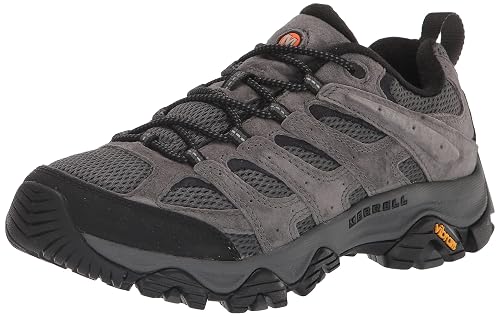
Merrell Men’s Moab 3 Hiking Shoes
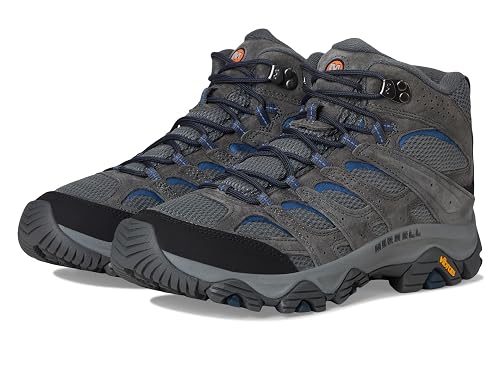
Merrell Men’s Moab 3 Mid Hiking Boots
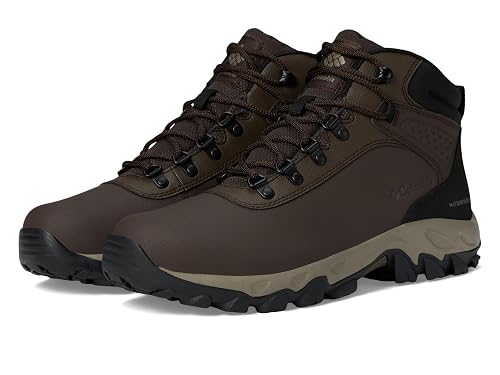
Columbia Newton Explorer
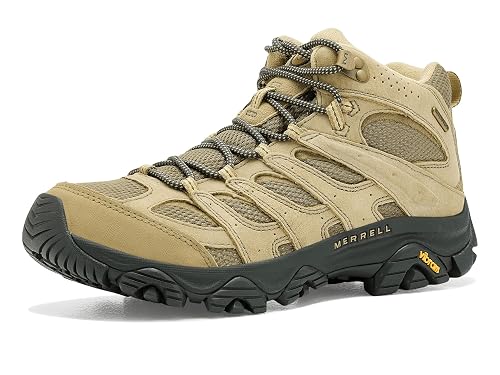
Merrell Men’s Moab 3 Mid Waterproof Hiking Boots
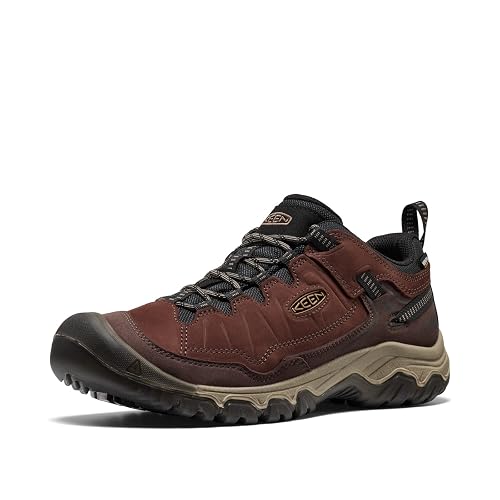
KEEN Men’s Targhee 4 Low Height Waterproof Hiking Shoes
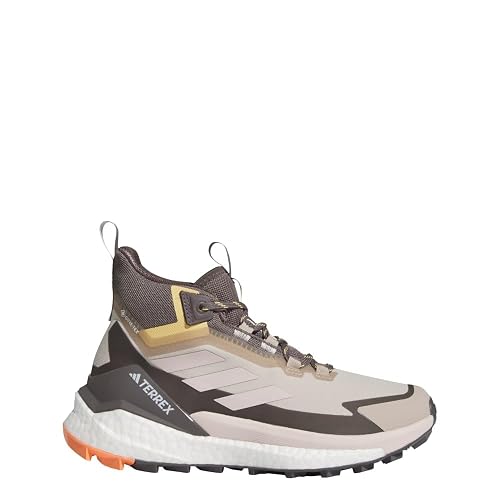
Terrex Free Hiker Gore-TEX 2.0 Hiking Shoes

KEEN Men’s KS86 Comfortable Durable Retro Sneakers
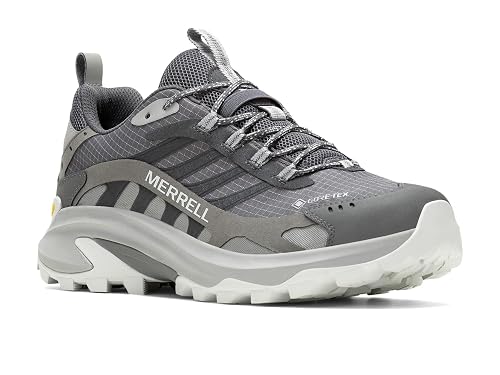
Merrell Men’s Moab Speed 2 GTX
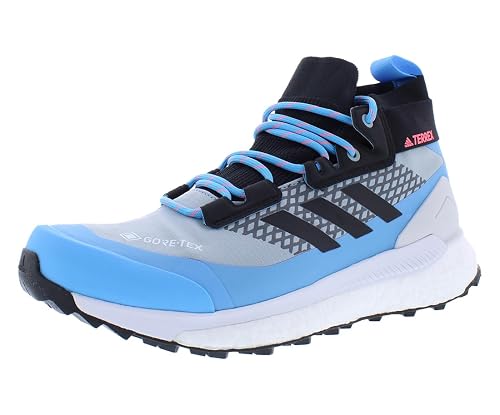
adidas Women’s Hiking Shoes
The Picks, Examined More Closely
Built for days that start at the trailhead and end well past sunset, the Terrex Trailmaker 2.0 Mid leans on a BOOST midsole that returns energy with every push-off. That’s the kind of underfoot pop hikers notice on the second climb of the day, when fatigue usually shows. The GORE-TEX membrane (a waterproof yet breathable lining bonded inside the boot) keeps rain and creek crossings out without sealing in heat, so feet stay comfortable on uphills where temperature climbs fast.
The mid-top collar wraps the ankle for added stability on uneven ground, and the supportive upper holds the foot secure when the pack is heavy. For thru-hikers covering long mileage and weekend warriors pushing past their usual turn-around point, the combination of cushioning, weather sealing, and ankle support earns this shoe serious consideration.
A Few Highlights
- BOOST midsole softens landings and reduces leg fatigue on multi-hour routes.
- GORE-TEX lining blocks rain and stream splash while letting heat escape.
- Mid-top construction adds lateral stability when the trail tilts sideways.
- Lightweight build compared to full-leather boots, useful for fast pack hikes.
- Versatile profile handles everything from forest loops to alpine approaches.
Things To Consider
- Mid-top fit may feel warm during summer hikes in humid climates.
- Owners commonly report a stiff break-in period during the first 20 miles.
- Sizing tends to run narrow for hikers with wider feet.
Key Product Details
Made For
Hikers covering long days with a loaded pack on mixed terrain that often turns wet or technical.
Look Elsewhere When
Wide-foot shoppers should turn to the KEEN Men’s Targhee 4 Low instead, since its roomier platform accommodates broader builds without pressure points.
The Moab line built its reputation on being wearable straight out of the box, and version 3 keeps that tradition alive with a softer, more cushioned midsole than its predecessors. For weekend hikers who don’t want to spend a month breaking in boots, that comfort is the headline feature. The updated insole adds arch support, which matters on trips where you’re on your feet for six hours straight.
Underneath, the Vibram outsole (a high-traction rubber compound engineered for grip on varied surfaces) grips loose dirt, wet rock, and dried mud with equal confidence, so transitioning between terrain types mid-loop doesn’t require slowing down. The low-cut design breathes well in warm weather and keeps weight down, which most casual hikers prefer over a clunkier mid-cut boot.
Real Benefits
- Cushioned midsole handles long days without the sore-arch feeling at mile eight.
- Vibram outsole grips confidently on wet rock and loose gravel alike.
- Roomy toe box lets toes spread naturally on descents.
- Lightweight build reduces foot fatigue on multi-hour trail days.
Honest Caveats
- Low-cut collar offers little ankle support on rocky or off-camber terrain.
- Mesh-heavy upper dries fast but lets trail debris sneak in during dusty hikes.
- Not the warmest option for cold-weather shoulder season hiking.
Right Fit For
Casual hikers logging weekend loops on established trails who value comfort over technical support.
A Better Fit Elsewhere
Backpackers carrying heavier loads across uneven terrain will get more from the Merrell Men’s Moab 3 Mid Hiking Boots, since the taller shaft locks the ankle in place on side slopes.
Taking the Moab comfort hikers already trust, this mid-cut version adds ankle coverage that makes a real difference when the trail turns rocky or steep. The mid-top shaft keeps the ankle from rolling on side-slope traverses, which is exactly when a sprain tends to happen. The updated midsole softens impact while the Vibram outsole grips the same loose and wet surfaces the low-cut Moab handles.
The trade-off shows up in weight and breathability. A taller boot traps more heat than its low-cut sibling, so summer hikers in arid climates may find their feet running warm. For everyone else tackling varied terrain with a moderate pack, the extra support feels like insurance against the unexpected ankle-twist that ruins a trip.
Positive Takeaways
- Mid-cut collar protects the ankle on rocky and root-strewn trails.
- Vibram outsole grips confidently across wet, dry, and loose surfaces.
- Cushioned midsole eases fatigue on multi-hour routes with elevation gain.
- Roomy toe box prevents pinching on long descents.
- Reliable traction handles stream crossings and slick rock without slipping.
Points To Keep In Mind
- Heavier than the low-cut Moab 3, which adds up on long mileage days.
- Mid-cut design traps heat in warm or humid conditions.
- Break-in time tends to run longer than the low-cut version.
Best Suited To
Hikers tackling rocky, uneven trails with a moderate pack who want ankle security without the weight of a full backpacking boot.
Not Your Match When
Trail runners logging fast-paced miles on smooth terrain will move more freely in the Merrell Men’s Moab Speed 2 GTX, which trades support for agility.
The Newton Explorer leans into long-walking comfort with Columbia’s Techlite midsole (a lightweight foam designed for cushioning and energy return) and pairs it with the brand’s Omni-Tech waterproof-breathable system. For hikers who spend more time on groomed park loops and rail trails than on backcountry paths, that combination covers the typical use scenario well.
The leather upper gives the shoe a more durable feel than mesh-heavy competitors, which matters when shoes see hard use at trailheads, campgrounds, and the inevitable creek-side scramble. For families sharing gear across multiple trips a season, this is a comfortable, weather-ready option that handles a wide range of casual hiking.
Notable Gains
- Techlite midsole cushions long walks and reduces end-of-day soreness.
- Omni-Tech waterproofing handles puddles, dew, and light rain confidently.
- Leather upper resists abrasion from rocks and brush edges.
- Stable platform suits hikers who prefer a firmer feel underfoot.
Small Caveats
- Leather build runs warmer than breathable mesh hikers in summer.
- Heavier than athletic hiking shoes, which adds up on longer distances.
Perfect Match For
Casual hikers and families tackling maintained trails where comfort and weather protection matter more than ultralight performance.
Consider Something Else When
Hikers chasing faster mileage on technical terrain will appreciate the lighter, more athletic feel of the Terrex Free Hiker Gore-TEX 2.0.
The waterproof Moab 3 Mid takes everything the standard mid-cut version offers and adds a weather-sealed membrane to handle persistent wet conditions. Where the non-waterproof Moab breathes more freely but eventually surrenders to a soaked-through stream crossing, this version keeps feet dry through puddles, morning dew, and misty ridgelines. That’s a meaningful upgrade for hikers in the Pacific Northwest, New England, or anywhere shoulder-season rain is the rule.
The mid-cut collar adds ankle stability on rocky pitches and side-slope traverses, while the updated insole and midsole keep the underfoot feel cushioned across long mileage. For hikers whose routes cross streams or run through wet grass for hours, this boot bridges the comfort of the Moab line with the weather protection of a true wet-weather boot.
Practical Pluses
- Waterproof membrane holds up through stream crossings and prolonged wet conditions.
- Mid-cut collar adds security on uneven, rocky terrain.
- Vibram outsole grips slick surfaces with confidence.
- Cushioned midsole softens impact on multi-hour routes.
Factors To Consider
- Waterproofing reduces breathability, so feet run warmer in summer.
- Heavier than non-waterproof hikers, which adds fatigue on long mileage.
Feature Snapshot
Who Will Love This
Hikers in wet climates or shoulder-season conditions who need ankle support without venturing into heavy backpacking boots.
Another Choice May Suit
Hot-weather hikers who rarely face prolonged wet trails will find better breathability in the standard Merrell Moab 3 Hiking Shoe.
KEEN’s Targhee line has long been a refuge for hikers with wider feet, and the Targhee 4 Low continues that tradition with a generous toe box and KEEN’s traditional wider footwear platform. For hikers who felt squeezed by the narrower lasts of competing brands, this shoe fits comfortably from the first step. The KEEN.DRY waterproof membrane (KEEN’s proprietary waterproof-breathable lining) seals out puddles and stream splash without the soggy-foot feeling common in cheaper waterproof builds.
The fused upper construction bonds the upper to the outsole without heavy stitching, which adds durability over years of hard use. That’s the kind of build quality hikers notice after multiple trips when seams elsewhere start to fail. Combined with all-terrain traction, this shoe handles loaded day hikes and weekend overnights comfortably.
Practical Advantages
- Wide platform suits hikers who find standard-width shoes too narrow.
- KEEN.DRY waterproofing handles puddles and stream crossings confidently.
- Fused upper construction improves long-term durability.
- Aggressive lug pattern grips loose dirt, mud, and wet rock alike.
- Cushioned midsole supports loaded packs across long mileage.
Possible Compromises
- Heavier than athletic hiking shoes, which adds fatigue on fast-paced hikes.
- Roomy fit may cause heel slippage on narrow-footed hikers.
- Low-cut design offers limited ankle support on side slopes.
Whose Shelf It Belongs On
Wide-foot hikers and those carrying loaded packs on multi-day routes who prioritize durability and weather protection over speed.
Reach For A Different Pick When
Speed-focused hikers logging fast miles will prefer the lighter, more athletic Merrell Moab Speed 2 GTX.
The Terrex Free Hiker Gore-TEX 2.0 targets a different sort of trail user entirely, prioritizing lightweight agility over heavy-duty durability. The GORE-TEX membrane handles wet conditions as well as anything else in this lineup, while the soft, supportive construction reduces fatigue on day hikes where every ounce matters. For hikers who count grams or log fast miles on varied terrain, this shoe feels closer to a trail runner than a traditional hiker.
The trade-off is clear: this shoe rewards construction that favors speed and comfort over heavy load support. Backpackers carrying 30-plus pounds will want a stiffer, more supportive boot. But for day hikers, fast-packers, and anyone who values nimble footing on wet roots and slick rock, the Free Hiker delivers a responsive, weather-ready ride.
Well-Handled Touches
- Lightweight build reduces leg fatigue on long day hikes.
- GORE-TEX membrane seals out rain without trapping excess heat.
- Soft, supportive upper flexes naturally with foot movement.
- Trail-runner feel suits hikers moving at faster paces.
Less-Strong Areas
- Lightweight build lacks stiffness for carrying heavy loads comfortably.
- Less ankle support than mid-cut options on rocky terrain.
Quick Facts
Built With In Mind
Fast-paced day hikers and fast-packers who want weather protection without the weight of a traditional hiking boot.
Swap It Out When
Backpackers carrying heavier loads should reach for the Merrell Moab 3 Mid Hiking Boots, which offer the support and stiffness heavy packs demand.
The KS86 sits in an unusual spot in the hiking-adjacent category: a retro-styled sneaker with KEEN’s aggressive tread and wider fit. For travelers who want one shoe that handles a trail day, a city walk, and a casual dinner without skipping a beat, this style covers ground that pure hikers can’t touch. The recycled mesh upper (or environmentally friendly leather option) keeps the build lighter than traditional hiking shoes.
It’s important to be clear about the category. The KS86 isn’t a dedicated backcountry hiker, and its weather protection and technical support don’t match the rest of this lineup. But for urban travel, light trail use, campground loops, and everyday wear, it earns its place as a versatile, comfortable, style-forward option.
What Helps Most
- Versatile style transitions smoothly from trail to city settings.
- KEEN’s wider fit accommodates broad feet without pressure points.
- Aggressive tread grips light trails and uneven pavement alike.
- Lightweight build suits all-day wear without fatigue.
Some Limits To Know
- Not designed for serious backcountry hiking or heavy pack carrying.
- Weather protection is limited compared to dedicated waterproof hikers.
Right Fit For
Travelers and casual users who want one shoe for trail days, city walks, and everyday wear without changing footwear.
Where A Sibling Pick Shines
Dedicated hikers tackling wet, technical trails will get far more weather protection and traction from the KEEN Men’s Targhee 4 Low.
The Moab Speed 2 GTX takes everything trail runners love about athletic hiking shoes and pairs it with the weather protection of a GORE-TEX membrane. For hikers transitioning from road running to trail, or anyone who wants their hiking shoes to feel as quick underfoot as their trainers, this shoe answers that call. The Vibram TC5+ outsole (a high-grip rubber compound engineered for trail surfaces) with redesigned traction lugs grips wet roots and slick rock with confidence.
The trade-off shows up in support. Speed-oriented construction sacrifices the ankle stability and underfoot stiffness of heavier hikers, so backpackers carrying loads will find this shoe lacking. But for fast-paced day hikes, trail races, and fitness-focused hikers who want weather protection, this shoe brings genuine athletic energy to wet trails.
Everyday Wins
- Trail-runner feel suits fast hikers and fitness-focused trail users.
- GORE-TEX membrane handles wet trails without compromising agility.
- Vibram TC5+ outsole grips wet roots and loose terrain confidently.
- Lightweight construction reduces leg fatigue on long mileage.
Things To Weigh
- Less ankle support than mid-cut hikers on technical terrain.
- Not stiff enough to comfortably carry heavy backpacking loads.
Quick Technical Notes
Who Should Grab It
Fast-paced hikers, trail runners, and fitness-focused trail users who want weather protection without sacrificing speed.
Skip It When
Heavy-load backpackers need the support and stiffness of the Merrell Moab 3 Mid Hiking Boots for safer carries on rough trails.
For hikers taking their first steps onto real trails, this adidas women’s hiking shoe offers an accessible entry point without overwhelming the user with technical features. The build leans toward comfort and weather protection over heavy-duty technical performance, which suits the typical first-year hiker building up their trail mileage. adidas brings a familiar athletic-shoe feel to the hiking category, lowering the learning curve for newcomers.
The waterproof construction handles the puddles, dew, and light rain that newcomers inevitably encounter on early-season hikes. The trade-off is that experienced hikers tackling multi-day routes or technical terrain will want more support and durability than this entry-level option provides. But for new trail explorers finding their footing, it covers the essentials without overcomplicating things.
The Case For It
- Accessible build suits first-time trail hikers learning the ropes.
- Waterproof construction handles common wet-trail scenarios.
- Athletic-shoe feel lowers the adjustment curve for casual users.
- Comfortable enough for everyday trail exploration.
Details To Watch
- Limited technical support for carrying heavy loads on multi-day routes.
- Construction may wear faster than premium hikers under heavy use.
- Fewer trail-specific features than dedicated hiking boots.
- Limited availability details make sizing harder to confirm before purchase.
Perfect Match For
New hikers exploring local trails for the first time who want a comfortable, weather-protected starting point.
Consider Something Else When
Hikers ready to push further should upgrade to the adidas Women’s Terrex Trailmaker 2.0 Mid for the energy-returning midsole and weather-sealed GORE-TEX build.
What Matters Most Before Choosing Waterproof Shoes For Hiking
Match the Shoe to Your Terrain
Trail conditions dictate the support you need. Smooth, groomed paths reward lighter low-cut hikers like the Merrell Moab 3, while rocky, root-strewn routes benefit from mid-cut support that locks the ankle in place on side slopes. Carrying a heavy pack adds stiffness requirements, because loaded feet flex differently than unloaded ones.
Wet conditions shift the equation further. Waterproof membranes (sealed inner linings that block external water while letting interior moisture escape) keep feet dry through puddles and rain, but they reduce breathability. In hot, dry climates, that trade-off can mean uncomfortably warm feet by mid-hike.
Fit Matters More Than Specs
The widest part of your foot should sit comfortably in the widest part of the shoe, with about a thumb’s width of space at the toe. Heels should lock in place without slipping, because heel movement causes blisters faster than almost any other fit issue. Wide-foot hikers should prioritize brands offering broader platforms, since squeezing into narrow shoes guarantees discomfort by mile five.
Sizing varies by brand and even between models. You may find that running-style hikers fit closer to true size, while traditional hiking boots require going up half a size to accommodate foot swelling on long descents.
Weight vs. Support Trade-Offs
Lightweight hikers reduce strain on long days but offer less underfoot protection from rocks and roots. Heavier boots add support and durability but tire the legs faster over distance. Most hikers find their sweet spot in the mid-weight category, which balances cushioning, support, and weight.
Care Extends Shoe Life
Waterproof membranes degrade over time, so cleaning your shoes regularly and avoiding prolonged heat exposure helps maintain weather protection. Owners commonly report that air-drying at room temperature (rather than tossing shoes near a campfire or heater) extends membrane life significantly. Reapplying a waterproofing treatment every season or two restores surface water resistance.
Key Considerations Across These Picks
Mistakes Worth Dodging
Choosing shoes based on looks alone is a frequent misstep, since style rarely correlates with trail performance. Skipping in-store or at-home fit trials leads to blisters and pressure points that ruin early hikes. Assuming all waterproof membranes perform equally is another common error: a quality GORE-TEX liner handles hours of wet grass far better than a budget membrane that wets through after a single stream crossing.
What The Higher Tier Buys
Premium hiking shoes typically deliver better waterproof membranes, more durable upper materials, and stiffer support platforms that handle heavier loads. The upgrade shows up in longevity, comfort over long days, and weather protection in serious conditions. For weekend hikers on maintained trails, mid-tier options cover the bases well. For backpackers and frequent hikers, premium construction pays back in years of reliable performance rather than seasons of use.
Frequently Asked Questions
How long do waterproof hiking shoes typically last?
Most quality waterproof hiking shoes last two to four seasons of regular weekend use before the membrane begins to fail. Heavy backpackers carrying loads across abrasive terrain may replace them annually, while casual trail walkers can stretch them further.
Can waterproof shoes be resoled or repaired?
Most hiking shoes from major brands can be resoled through cobbler services that specialize in outdoor footwear. Replacing laces and applying new waterproofing treatments extends the life of the upper, while a fresh Vibram outsole restores traction without requiring a full replacement.
Are waterproof shoes too hot for summer hiking?
In humid or warm conditions, waterproof membranes trap heat and moisture inside the shoe. Hikers in those environments often prefer non-waterproof hiking shoes that breathe more freely, choosing wet-trail readiness only when conditions actually demand it.
Do waterproof shoes need special cleaning?
Standard soap and water works for routine cleaning. Avoiding harsh detergents and machine washing preserves the membrane and adhesive bonds. Air-drying at room temperature protects the waterproof lining from heat damage.
Should hiking shoes be a half size larger than street shoes?
Feet swell during long hikes, so going up half a size from your normal street-shoe size often provides needed toe-room on descents. Wide-foot hikers may need to go up even further to accommodate forefoot width.
Wrap Up
The right pair depends on the terrain, climate, and pace you hike at. For most weekend trail users, a comfortable mid-tier option covers the bases well. For backpackers and wet-climate hikers, premium waterproof construction earns its place. Try a few pairs on, walk around the store, and trust the fit over the spec sheet. Your feet know what works.