
Carrying binoculars the old way gets old fast. A solid chest pack puts your glass at your sternum, ready in one motion, instead of swinging from a neck strap or buried in a backpack. Hunters, birders, and outdoor photographers all run into the same friction: too much gear, too little reach. The picks below sort that out with magnetic lids, modular layouts, weather-resistant shells, and harnesses that stay put when you move. Your kit feels lighter, your glass stays cleaner, and you stop fumbling when a bird flushes or a buck steps out at 80 yards.
A Quick View Of The Lineup
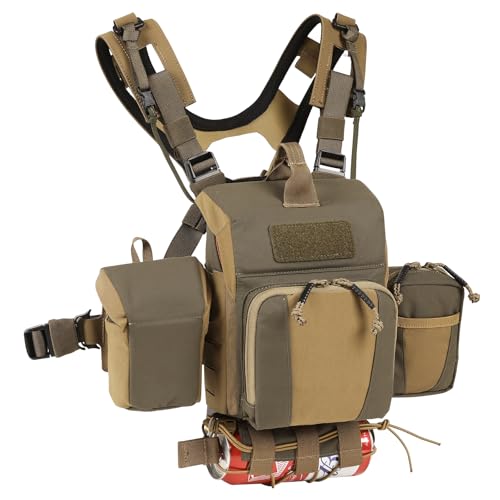
VOTAGOO Binocular Harness Case Bino Chest Pack with Magnetic Closure (Combination, Green)

Eberlestock Recon Modular Bino Pack Harness System
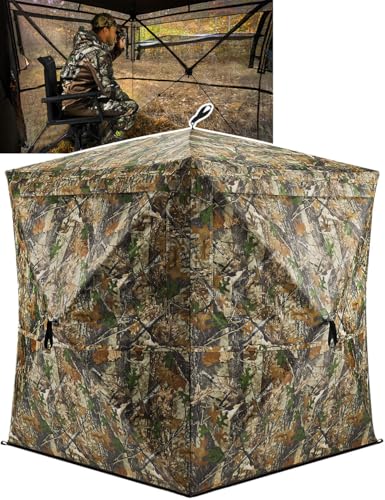
TIDEWE Hunting Blind 270°/360° See Through Ground Blind

TIDEWE Hunting Backpack 40L Camo Pack for Deer Hunting

Badlands Bino X2 Modular Binocular Harness, Approach GT, Medium

Badlands Bino XR Pro Binocular Case, Realtree EDGE

Badlands Bino EZ Modular Binocular Harness, Olive, Medium

Marsupial Enclosed Binocular Chest Pack, Ranger, Medium

TIDEWE Binocular Harness Chest Pack with MOLLE, Camo
Inside Each Recommended Option
The VOTAGOO harness stands out in the budget tier for one simple reason: you get a true modular setup, not a stripped-down shell. The combination style ships with a rangefinder pouch and a small accessory pouch alongside the main binocular case, so your glass, your rangefinder, and a bear spray can all ride on the same platform without extra purchases.
MOLLE webbing (a standardized strap system that lets you clip compatible pouches and accessories anywhere on the harness) across the wings invites further tinkering if you want to bolt on more pouches later. The water-repellent shell shrugs off light rain, and the G2 camouflage option helps you disappear against tree bark and brush. For most weekend hunters running mid-sized glass, this one punches above its tier.
What Earns Its Place
- Combo kit includes rangefinder and accessory pouches, saving a separate add-on
- Modular MOLLE wings accept third-party attachments for growing gear lists
- Magnetic lid allows one-handed, quiet access when game is close
- Three color options, including a jungle-camo pattern suited to timber hunting
- Water-repellent outer fabric handles drizzle and damp brush without soaking through
Things To Consider
- Stitching on budget chest packs can show wear faster at the harness attachment points after a season of heavy use
- No internal shelf means rangefinder and binos may rub together unless you pad the divider
Who It Suits Best
New hunters and casual outdoorsmen who want a full kit without paying for a premium harness brand, especially those running into brushy, wet conditions where camouflage and water repellency matter more than absolute silence.
Where Another Pick Suits Better
Glassers who demand whisper-quiet fabric and premium padding should look at the Badlands Bino XR Pro instead.
The Eberlestock Recon is built like a platform, not just a pouch. The chest rig underneath is the load-bearing layer, and a suite of add-on pouches snaps onto MOLLE-compatible wings so you can scale the rig up or down depending on the day’s mission. A magnetic forward-pull lid gets the binos out fast, and a large front zipper pocket handles calls, licenses, and the small stuff.
Where the VOTAGOO feels like a value kit, the Recon feels like a tinkerer’s setup. Side stretch pockets accept water bottles or extra ammo, and the low-profile wings keep the harness from snagging on pack straps or tree limbs. For gear-obsessed hunters who already run an Eberlestock pack, the Recon slips right into the ecosystem.
Real Benefits
- Chest rig platform grows with you as you add compatible pouches over time
- Magnetic lid opens with a single forward pull, keeping your dominant hand free
- Front zipper pocket swallows licenses, tags, or a small range card without bulging
Worth Noting
- Modular add-ons often cost extra, so the true system price climbs as you build it out
- The platform sits slightly thicker against the chest than minimalist harnesses, which can feel warm in late-season heat
Right Fit For
Hunters and shooters who already lean into modular loadouts and want their binocular rig to slot into a larger chest ecosystem, especially those running long days with layered gear needs.
Not Your Match When
Walk-in hunters counting every ounce should reach for the TIDEWE Harness Chest Pack, which trims weight at the cost of expandability.
The TIDEWE ground blind isn’t a chest pack itself, but it pairs naturally with one. Three full panels of one-way see-through mesh (a fine window material that lets you look out while appearing mirrored from the outside) deliver a 270-degree unobstructed view without exposing you, and the noise-free sliding windows let you reposition silently when a tom turkey struts into range.
Brush-in loops sewn into the camo let you thread local foliage right into the fabric, blending the blind into whatever cover surrounds it. A fiberglass pole frame and metal hubs stand up to wind, and the available footprints run from a 1-2 person layout at 55.5″ floor space up to a 3-4 person layout at 70.5″. Layer this over a TIDEWE binocular chest pack and your glassing-and-shooting loop tightens up nicely.
A Strong Showing
- Three see-through mesh panels open up 270° of viewing without exposing your movement
- Sliding windows operate quietly, preserving your concealment when targets approach
- Three size footprints cover everything from solo runs to family or guide setups
- Brush-in loops let you weave natural cover directly into the camo fabric
Room For Improvement
- Setup takes a few minutes the first few times you wrestle the fiberglass poles into the hubs
- See-through mesh loses effectiveness in heavy snow when contrast reverses the mirror effect
Feature Snapshot
Made For
Turkey hunters and still-hunters who set up on the ground and need a full field of view without telegraphing their position.
Skip It When
Tree-stand hunters who already hunt from elevated positions won’t gain much from the 270° mesh setup, and should stick with a binocular chest pack alone.
Sometimes a chest pack isn’t enough, and you need a full-size pack to back it up. The TIDEWE 40L hunting pack runs at just 3.7 pounds of empty weight, a friendly number for spot-and-stalk hunters who cover ground. High-performance polyester keeps the fabric quiet against branches and shrugs off abrasion when you slide through cactus or blowdown.
The multi-pocket layout keeps layers, snacks, water, and your bino chest pack organized without turning into a single cavern where everything digs into everything else. A 40L volume handles meat, extra layers, and a tripod for glassing ridges. Pair this with a smaller chest harness up front and you’ve got a complete carry system for a full day on public land.
Notable Upsides
- 3.7 lb empty weight keeps the pack from dominating your load on long stalks
- Quiet polyester shell avoids the loud crinkle of cheaper nylon
- Multi-pocket layout separates layers, food, and optics cleanly
Trade Offs
- No internal frame sheet mentioned, so heavy loads can sag into your lower back on long hikes
- 40L runs large for quick afternoon sits, where a smaller daypack fits the mission better
Best Suited To
Whitetail and mule deer hunters running full-day spot-and-stalk sessions who need to carry layers, water, and a tripod without switching packs.
A Better Fit Elsewhere
Hunters who only need optics at the ready should pair a Marsupial Ranger chest pack with a much smaller hydration pack and skip the full 40L rig.
The Bino X2 is the second-generation answer to Badlands’ original chest harness, refined for hunters who care about stealth. The interior fabric is treated to stay quiet when you shift your shoulders, so the binos don’t betray your movement when a bedded buck lifts its head. The ergonomic strap system distributes weight across the upper torso instead of digging into your neck.
Badlands calls the closure Zip-No, a magnetic-and-flap system that opens silently with one hand and stays out of the way once unlatched. Approach GT camo blends into high-country open terrain, while modular attachment points along the harness accept small accessory pouches. For spot-and-stalk hunters, the silence factor alone is worth a serious look.
Good Reasons To Consider
- Quiet interior fabric eliminates the telltale rustle of glass shifting inside a pouch
- Zip-No closure runs silent, ideal for close-range stalks
- Ergonomic strap design spreads weight across the upper torso for long sits
- Modular accessory attachment points let you add small pouches for calls or wind checker
Honest Caveats
- Approach GT camo leans toward open-country and high-elevation patterns, less ideal for thick timber
Quick Facts
Who Should Grab It
Western big-game hunters and open-country stalkers who need a near-silent harness to close the last 50 yards without spooking game.
Consider Something Else When
Timber and whitetail hunters running darker woods will get more camo mileage out of the Badlands Bino XR Pro in Realtree EDGE.
The XR Pro is the flagship of the Badlands binocular lineup, aimed at hunters who run premium glass and want a case that matches. The Zip-No magnetic closure forms a watertight, dust-proof seal, with a magnetic catch at the bottom that holds the lid open when you’re actively glassing so it doesn’t flop back over your objective lenses.
Inside, a moveable shelf lets you dial in the fit for your specific binos, with a zippered pocket and a stretch pocket to organize small accessories. A separate magnetic pocket on the bottom of the case securely holds a rangefinder. Realtree EDGE camo handles hardwood and mixed-cover scenarios, the kind of terrain most North American hunters actually walk through.
What Stands Out
- Magnetic Zip-No seal keeps out dust, mist, and pollen that typically fog or dirty glass
- Adjustable internal shelf customizes the fit for a range of binocular body sizes
- Dedicated magnetic rangefinder pocket keeps the laser unit from sliding around
- Realtree EDGE camo is widely effective in mixed hardwood and conifer cover
Points To Keep In Mind
- Premium pricing puts the XR Pro at the top of this list’s range
- Higher-end padding can run warm against the chest during late-season glassing
- Realtree EDGE stands out less in arid western terrain where Approach GT blends better
Perfect Match For
Eastern hardwood hunters and dedicated whitetailers running premium glass who want a sealed, well-organized case that protects their investment through years of hard use.
Look Elsewhere When
Western high-country hunters chasing elk and sheep in open terrain will get better camo performance from the Badlands Bino X2 in Approach GT.
The Bino EZ lives up to its name, designed for hunters stepping into their first harness system. An adjustable tension-based bungee closure draws the full-coverage lid closed with a simple pull, no zippers, no magnets to fumble. The quiet interior fabric carries over from the higher-end Badlands models, so new users still get the stealth benefit out of the gate.
Accessory attachment points along the harness accept Badlands add-on pouches if you decide to expand later, but the base kit is intentionally simple. Olive color is a safe, neutral choice that works across mixed terrain without committing to a specific camo pattern. The ergonomic strap layout keeps weight off the neck, which is a real blessing on day three of a long hunt.
Useful Touches
- Tension bungee closure is genuinely simple, even with cold or gloved hands
- Quiet interior fabric delivers stealth without the premium-tier cost
- Neutral olive color blends across more terrain types than a single camo pattern
- Modular attachment points offer an upgrade path as your kit grows
Some Limits To Know
- Lacks a dedicated rangefinder pocket, so the laser unit rides in a jacket pocket or hip belt
- Tension closure is slower to open under stress than a magnetic lid like the XR Pro
Who Will Love This
First-time harness shoppers who want a low-fuss entry into the chest-pack world without committing to a steep learning curve or a big budget.
Swap It Out When
Hunters who already carry a separate rangefinder and want a unified chest rig should consider the Badlands Bino XR Pro with its built-in magnetic rangefinder pocket.
Marsupial’s Ranger takes a different design angle than most chest packs, fully enclosing the binoculars behind tall sidewalls and overlapping wings. That extra coverage does a real job: dust, pollen, blowing rain, and trail grit stay out of the optical path, which matters when you’re glassing across a sage flat on a windy afternoon.
Marsupial’s signature magnetic lid still opens silently with one hand, so the protection doesn’t come at the cost of speed. The medium size fits common mid-range glass comfortably, and the harness distributes weight across the chest rather than the neck. For hunters who regularly push through brush or face stormy weather, the enclosed approach pays for itself in fewer lens cleanings.
Advantages To Know
- Fully enclosed design with tall sidewalls keeps out dust, debris, and moisture
- Overlapping wings add a second layer of protection against the elements
- One-handed magnetic access preserves speed when targets appear suddenly
- Chest-mounted weight distribution reduces neck strain over long days
Practical Considerations
- Enclosed design runs a touch bulkier under a jacket than minimalist open-top harnesses
- Magnets can collect small metallic debris in dry, sandy terrain, so owners commonly wipe the lid before each outing
Feature Card
Built With In Mind
Hunters who push through dust, brush, and weather, especially western big-game hunters and southern hog hunters, who need their glass to stay clean across full days of rough use.
Reach For A Different Pick When
Eastern whitetailers in leafy hardwoods with mild weather will get lighter weight and faster access from the Badlands Bino EZ.
The TIDEWE Harness Chest Pack solves a problem most people forget about until they’re three miles in: weight. At just 16.6 ounces, the harness itself disappears on your chest, and it accommodates most mid-to-large binoculars up to 10×42, which covers the bulk of the binos hunters and birders actually carry.
Six adjustment points, four for body fit and two for tethering the binoculars, let you dial in a snug feel that holds during running, climbing, and quick direction changes. The main compartment uses a silent magnetic closure, a real plus on still-hunts where the slightest zipper pop echoes across a quiet basin. For hikers, joggers, and mobile hunters, this is one of the easiest packs to forget you’re wearing.
Benefits That Matter
- 16.6 oz total weight keeps fatigue low on long hikes and runs
- Six-point adjustment locks the harness in place during fast movement
- Silent magnetic closure preserves stealth during close approaches
- Fits most mid-to-large binoculars up to 10×42, covering a wide range of glass
A Few Limitations
- Minimalist build lacks a dedicated rangefinder pocket, so the laser unit rides elsewhere
- Lightweight fabric may not hold up to years of heavy abrasive contact as well as thicker premium options
Feature Rundown
Whose Shelf It Belongs On
Runners, hikers, and mobile hunters logging long distances on foot who need a featherlight harness that stays put through every kind of terrain.
Where A Sibling Pick Shines
Hunters who want a fully modular rig and don’t mind a bit of extra weight should look at the Eberlestock Recon Modular Bino Pack instead.
What To Weigh Before Picking A Binocular Chest Pack
A chest pack lives or dies on three things: how it carries, how it protects, and how fast it lets you work. The fit question matters most because a poorly adjusted harness turns into a neck ache or a bouncing distraction. Look for multiple adjustment points across the torso and shoulders so you can dial the rig snug against your sternum without choking your breathing.
Material and weather protection come next. Water-repellent shells shrug off dew and light rain, while fully enclosed designs with overlapping wings handle dust, pollen, and blowing grit better in dry country. The closure style affects your speed in the field. Magnetic lids open silently with one hand, which matters when game is close. Bungee and zip closures work fine but can cost you a second when something is moving.
Finally, think about the gear you actually carry. A modular MOLLE system (a row of webbing loops that lets you snap on extra pouches) lets you add rangefinder, bear spray, and call pouches as your kit grows. A dedicated rangefinder pocket keeps a laser unit locked in place. Match the pack’s capacity to your binocular body size, and don’t overlook tethers that keep the harness from flapping if you take the lid off for extended glassing.
Key Considerations Across These Picks
Where Shoppers Go Wrong
The most common mistake is choosing a chest pack sized for the wrong binoculars. A pouch that swallows a 32mm compact will let a full-size 10×42 slide around, scuffing the objective lenses against the interior. Match the interior dimensions to your glass before anything else.
Another pitfall is overlooking strap adjustability. A harness with only two adjustment points rarely fits both a layered winter kit and a thin base layer in the same season. Look for at least four body-fit adjustment points so the rig tightens down across a wide range of clothing thickness.
What The Upgrade Pays For
Moving up the price ladder in this category typically buys quieter fabrics, sealed magnetic closures, and modular attachment systems that grow with your kit. A premium pack also tends to include better internal organization, a moveable shelf, and a dedicated rangefinder pocket that holds the laser unit exactly where you expect it.
The upgrade is worth it for hunters who spend long days glassing, who run premium binoculars, or who hunt in rough weather where dust and moisture would otherwise cake on the optics. Casual users who only need a basic carry solution will get full value from the budget tier, especially the VOTAGOO and TIDEWE entries, without paying for features they won’t use.
Frequently Asked Questions
What size binocular chest pack do you need?
Measure the longest dimension of your binocular body, usually the width across the objective lenses, and match it to the pack’s interior dimensions. Most mid-sized 8×42 or 10×42 binos fit into a “medium” chest pack, while full-size 15×56 binos need a “large” or dedicated oversized pouch.
Are magnetic closures really quieter than zippers?
In practice, yes. A quality magnetic lid pulls apart with a soft click at most, while zippers tend to grind or snag, especially with cold or gloved hands. The difference is small in a noisy environment but noticeable during still-hunts in calm conditions.
Can you run a chest pack under a backpack?
You can, though the harness straps may compress against your chest under a pack’s hip belt and shoulder straps. Many hunters run the chest pack on the front of a pack’s shoulder strap or skip the backpack entirely on day hunts.
How do you clean a binocular chest pack?
Most nylon and polyester shells wipe down with a damp cloth and mild soap. Avoid machine washing, which can damage magnetic closures and stitching. Let the harness air-dry fully before storing it to prevent mildew on the interior padding.
Do chest packs fit kids and smaller-framed adults?
Adjustable harnesses with a wide size range fit most body types, but smaller-framed hunters may find the chest panel sits low or wide. Look for harnesses with short torso options or those sold in “small” or “youth” sizing for a more comfortable fit.