
Spotting a bull elk at four hundred yards through timber and rolling terrain separates a successful hunt from a long hike home. The right glass pulls antler definition out of shadow, holds detail in low light at dawn and dusk, and survives being dropped, rained on, and shoved into a pack. This list rounds up nine optics worth your attention, from ultralight pocket binos to dedicated thermal monoculars that change how you scout after dark.
The Essentials At A Glance
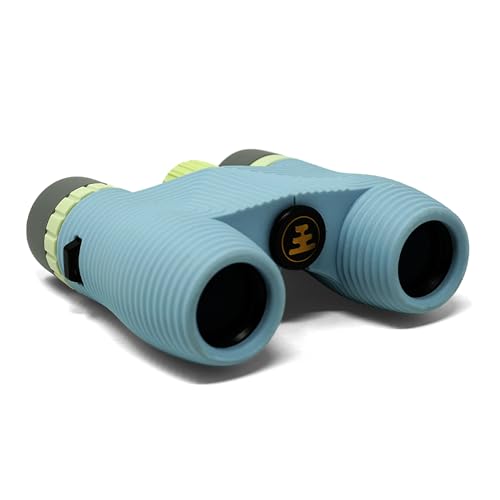
Nocs Provisions Standard Issue 10×25 Binoculars
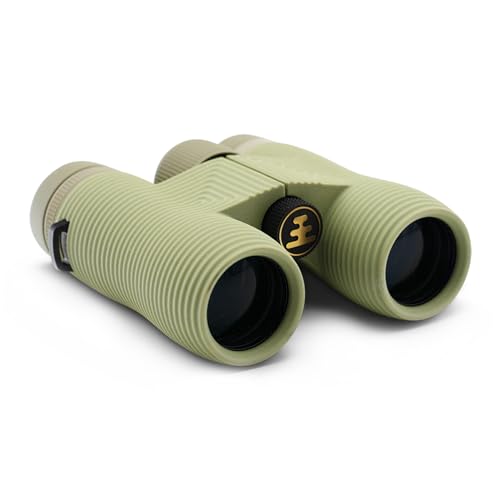
Nocs Provisions Field Issue Compact 10×32 Binoculars

Vortex Diamondback HD 10×42 Binoculars

Bushnell 10x42mm Trophy XLT Binoculars

Nocs Provisions Zoom Tube 8×32 Monocular

Vortex Crossfire HD 10×42 Binoculars

ATN BlazeSeeker 6 Thermal Monocular 207

ATN BlazeSeeker 6 Thermal Monocular 210

ATN BlazeHunter XD 2-16x Thermal Monocular
What Each Pick Brings To The Table
These pocket binos barely register on a belt or in a chest pouch, and that is the entire appeal for an elk hunter who logs ten miles before first light. The fully multi-coated lenses and Bak4 prism keep the image honest for the size, and the sealed housing shrugs off a surprise rain crossing an alpine ridge.
Power tops out at 10x, which holds up across wide meadows but starts to dim at the last hour of legal shooting light. For a backup pair, a backpacker’s primary, or a quick glassing session while using a heavier optic, the weight savings alone earn a spot in the kit.
Everyday Advantages
- Featherweight build disappears on a harness for full-day hunts
- Sealed, fog-proof chassis handles damp timber and snow
- Center-focus wheel is fast enough for moving groups of cows
- Pocketable form factor keeps your rifle hand free on steep terrain
Things To Consider
- 25mm objective gathers less light than full-size hunting glass in heavy cover
- Owners commonly report the 10x power feels shaky without bracing against a tree or pack
Right Fit For
Day hikers and lightweight pack hunters who want a no-fuss binocular for quick spot checks on the move.
Where Another Pick Suits Better
Reach for the Vortex Diamondback HD 10×42 when you need real low-light pull for dawn and dusk sits.
Step up the objective lens to 32mm and the picture brightens noticeably without adding a full pound to the pack. The Field Issue keeps the rugged, sealed body style Nocs is known for, then layers in a precision oversized focus wheel that matters when a bull is moving through open pines at three hundred yards.
Compared to the Standard Issue, this pair trades pocketability for a steadier view, especially in half-light. For most western elk hunters carrying a frame pack, that tradeoff lands exactly right.
The Upside
- 32mm objective pulls extra light compared to pocket 25mm models
- Close focus under ten feet helps when calling a bull in close
- Fully coated glass and Bak4 prism keep color honest on brown hides in fall
- Sealed chassis shrugs off stream crossings and morning frost
Worth Noting
- Still not a low-light specialist next to a 42mm roof prism
- Center focus wheel can stiffen in freezing temperatures before it breaks in
Made For
Mid-distance hunters who want brighter views than 25mm pocket glass without committing to full-size 42mm binos.
Consider Something Else When
Pick the Vortex Crossfire HD 10×42 if you glass for long sessions and need a harness system out of the box.
The Diamondback HD is the kind of binocular that quietly becomes the one you grab for every hunt. The 42mm objectives gather enough light to keep antler tines readable after sunset, and the HD optical system is tuned to fight color fringing along high-contrast edges like a dark backline against bright sky.
For ridge glassing where bulls feed across open parks, 10×42 hits a sweet spot of reach and stability. The chassis is rubber-armored, nitrogen-purged, and proven to handle rough backcountry days.
A Few Highlights
- 42mm objectives extend useful glassing well into the last 20 minutes of light
- HD glass reduces purple fringing on dark antler against snow or sky
- Rubber armor absorbs bumps off saddle horns and pack frames
- Tripod-adaptable for long glassing sessions from a fixed vantage
Points To Note
- Heavier than the 32mm options in this list, so neck fatigue shows up on all-day carries
- 10x magnification requires a steady hold or a brace for clean detail at distance
Best Suited To
Public-land elk hunters who glass open basins and need reliable low-light performance for dawn and dusk.
Skip It When
Swap to the Bushnell 10x42mm Trophy XLT if scanning wide parks matters more than edge sharpness to you.
Key Specs
When the goal is to sweep an entire mountain face for a patch of tan hide, a wide field of view saves minutes. The Trophy XLT pushes a generous 6.2-degree angle of view, meaning a herd of elk covering a slope stays in frame long enough to count and assess.
The waterproof build keeps the optic working in sideways rain on a glassing knob, and the rubber armor takes the abuse of bouncing against a bino harness. Compared to the Vortex Crossfire HD, this Bushnell leans toward scanning speed over edge-to-edge sharpness.
Standout Benefits
- Wide field of view helps locate bedded bulls in steep, broken country
- Waterproof and rubber-armored for wet glassing sessions
- 10×42 configuration balances reach with light-gathering for most daylight hours
Trade Offs
- Edge sharpness falls off compared to higher-end HD glass
- Heavier than mid-size 32mm options, which matters on long hikes out
Whose Shelf It Belongs On
Hunters who need to find elk first and judge them second, especially across big western drainages.
A Better Fit Elsewhere
Choose the Vortex Diamondback HD when you want crisper detail on a single animal at long range.
A monocular is not a replacement for a real binocular on a dedicated hunt, but as a secondary tool it pulls its weight. The Zoom Tube weighs about as much as a full water bottle and slips into a side pocket, so it is there when the main optic stays clipped to the harness.
For glassing a ridge on the move or checking a likely dark patch of timber while sneaking in, the 8×32 setup gives you a quick second opinion. Fully multi-coated glass and a Bak4 prism keep the image respectable for the size class.
What It Does Well
- Sub-ten-ounce weight disappears in a chest pocket
- One-handed operation keeps the rifle ready
- Scratch-resistant housing handles rubs against zippers and gear
- 384ft field of view at 1000 yards covers a lot of ground per sweep
Small Caveats
- Single-eye view lacks the depth perception of a binocular pair
- Water-resistant, not fully waterproof, so heavy downpours can be a concern
Perfect Match For
Solo hunters covering ground who want a redundant spotting tool without doubling their pack weight.
Not Your Match When
Pick a full binocular like the Nocs Field Issue 10×32 if you intend to do most of your glassing through one tool.
At A Glance
The Crossfire HD shares the same HD optical system and 10×42 layout as the Diamondback, but it ships with a glasspak harness that changes how you carry it on long sits. Pulling the binoculars up to your eyes becomes a one-handed motion, which is everything when a bull steps out of a dark timber stringer and you are already on the sticks.
For hunters who freeze on a ridge for hours waiting for movement, the included harness adds real value. Compared to the Diamondback, you trade a touch of optical refinement for a more comfortable carry system.
Notable Gains
- GlassPak harness included for fast deployment and reduced neck strain
- HD lens system cuts chromatic fringing on shaded backlines
- Fully multi-coated optics improve contrast at dawn and dusk
- Rubber armor holds up to daily pack-in and pack-out use
Honest Caveats
- Slightly bulkier than the Diamondback in the hand
- Harness adds bulk for hunters who prefer chest-pouch carry
Who Should Grab It
Hunters who spend long hours on a glassing ridge and want the harness system built into the package.
Another Choice May Suit
Choose the Vortex Diamondback HD if you already own a harness and want slightly crisper optics for the same money.
After the sun drops, a regular binocular becomes a guessing game. A thermal monocular flips that script by turning body heat into a visible signature, even through thin alder and lodgepole. The BlazeSeeker 6 207 is ATN’s entry point, pairing a 256×192 sensor with SharpIR AI processing to clean up the image.
The 207 variant offers a 1.2 to 9.6x magnification range that works well for short to mid-range scanning. For recovering a hit animal after dark or checking a bedding area before committing, this kind of tool changes the entire evening.
Why It Works Well
- Detects heat signatures through partial cover that hides elk from glass alone
- SharpIR processing sharpens edges for clearer animal identification
- 32GB onboard storage records video of recovered animals or scouting sessions
- Wide base magnification suits close-to-medium thermal scanning
A Few Limitations
- 256×192 sensor shows its limits compared to higher-resolution thermal units
- Battery management becomes a routine habit on multi-day trips
Built With In Mind
Hunters who need to recover or scout in darkness and want a lower-cost entry into thermal.
Look Elsewhere When
Choose the ATN BlazeHunter XD if you need higher sensor resolution and integrated laser rangefinding.
Feature Snapshot
The 210 model shares the same sensor and SharpIR engine as the 207 but stretches the magnification up to 13.6x. That extra reach matters when elk are bedded a long way across a basin and you want to confirm a heat signature before committing to a stalk.
Think of it as a longer-reach version of the same platform. The trade-off is a slightly narrower field of view at base magnification, so you give up some of the wide scanning the 207 does well.
What Helps Most
- Higher top-end magnification confirms distant heat signatures
- SharpIR AI keeps animal outlines readable at the long end
- 32GB storage captures footage of night recoveries and scouting
- Handheld form factor works as a complement to standard binos
Where It May Fall Short
- Narrower base field of view than the 207 for quick sweeps
- Higher magnification amplifies hand shake without a stable brace
Who Will Love This
Hunters glassing big western parks who need to confirm distant thermal hits before pushing in.
Reach For A Different Pick When
Pick the ATN BlazeSeeker 6 207 if wider field of view for close-range scanning matters more than reach.
The BlazeHunter XD jumps to a 1280×1024 sensor, which is a different category of thermal imaging altogether. Animal outlines look less like blobby shapes and more like recognizable bodies, even at distance. Pair that with a built-in 1000-meter laser rangefinder and a 1920×1080 OLED display, and the unit becomes a full scouting and ranging system in one hand.
For solo hunters who rely on thermal as a primary tool, the upgrade in detail and range data justifies the premium positioning. Compared to the BlazeSeeker models, the BlazeHunter XD trades the lower entry cost for far more usable information in the field.
Positive Points
- 1280×1024 sensor delivers noticeably sharper thermal images than 256-core units
- Integrated 1000m laser rangefinder adds critical yardage data
- Wi-Fi connectivity supports live view to a paired device
- IP67 rating handles dust and short-term water immersion
Possible Compromises
- Heavier and more expensive than the BlazeSeeker line
- Higher resolution and connectivity features demand careful battery management
Who It Suits Best
Tech-forward elk hunters who want thermal imaging, ranging, and recording in a single handheld unit.
Swap It Out When
Choose the ATN BlazeSeeker 6 207 if you want thermal capability without the rangefinder and connectivity overhead.
Quick Facts
What To Think Through Before Choosing Binoculars For Hunting Elk
Elk hunting puts specific demands on glass that casual birding or stadium use never will. The first decision is magnification versus stability. 8x is easier to hold steady and gives a wider field of view, which helps when scanning a herd. 10x reaches further across open parks but requires a steadier hold or a bracing point on a pack, trekking pole, or tree.
Objective lens size is the second lever. A 42mm objective gathers more light than a 32mm, which directly affects how much usable detail you pull from the scene at dawn and dusk, when elk move most. The trade is weight, and over ten miles of mountainous terrain, every extra ounce registers on the shoulders.
Coatings and glass quality matter more than many shoppers expect. Fully multi-coated lenses and HD or extra-low-dispersion glass elements reduce chromatic aberration, which shows up as purple or green fringing along the high-contrast edge of an antler against a bright sky. That fringing can hide the exact tine count you need to decide whether a bull is worth a stalk.
Weather sealing and chassis strength round out the practical list. A nitrogen- or argon-purged body resists internal fogging when you move from a cold truck to a humid forest. Rubber armor absorbs the inevitable bump off a saddle horn or pack frame.
For thermal, the same principles apply with different numbers. Sensor resolution directly controls how recognizable an animal shape is at distance. Magnification range matters for both wide scanning and tight confirmation. Integrated features like laser rangefinding or recording add capability but also add cost, weight, and battery management.
Key Considerations Across These Picks
Common Shopping Slip Ups
Chasing the highest magnification number ignores how unstable a 12x or 15x binocular becomes without a tripod. For handheld elk glassing, 10x is usually the practical ceiling. Another common miss is buying a 25mm pocket binocular as a primary hunting optic, only to realize it does not pull enough light in the dim hours when elk are moving.
Where The Extra Money Goes
Higher-tier glass spends its premium on HD or extra-low-dispersion elements, fully multi-coated lens surfaces, and tighter mechanical tolerances in the focus and diopter systems. In thermal units, the premium buys larger sensor resolution, faster refresh, and integrated features like rangefinding. Whether the upgrade pays off depends on how often you hunt in low light, how far you typically glass, and whether you treat thermal as a primary tool or a backup.
Frequently Asked Questions
What magnification is best for elk hunting binoculars?
Ten-power is the most common choice because it balances reach across open country with a manageable level of hand shake. Eight-power works for hunters who prioritize a wider field of view and steadier handheld viewing.
Are 42mm objective lenses necessary for elk hunting?
Not strictly, but they help. A 42mm objective gathers more light than a 25mm or 32mm, which extends useful glassing into the half-light hours when elk feed. For daytime hunting in open terrain, smaller objectives can be enough.
Can a thermal monocular replace traditional binoculars for elk hunting?
For daylight glassing, no. Thermal is best paired with a standard binocular as a nighttime and recovery tool. Some hunters use thermal as their primary optic for locating bedded animals in dark cover, but it does not replace the detail and range judgment a quality binocular provides.
How important is waterproofing for elk hunting binoculars?
Very important. Elk country is wet: rain, snow, stream crossings, and morning dew all put moisture on the optics. A nitrogen-purged, o-ring-sealed body resists internal fogging and water intrusion over years of use.
Do I need a binocular harness for elk hunting?
A harness keeps binoculars at chest level, reduces neck strain on long carries, and speeds up deployment when an animal appears. Hunters who glass from fixed ridges benefit most, while spot-and-stalk hunters moving constantly may prefer a chest pouch.