
A good pair of binoculars changes how you hunt. On a frost-edge stand before sunrise, you can glass a far ridge, count antler points, and decide whether to slip in or wait for a better shot. The right optic turns a wide, ambiguous treeline into readable movement and shape, which is the whole point of carrying them into the field.
This roundup walks through nine serious picks for 2026, balancing magnification, low-light transmission, durability, and how each one feels in the hands during a long sit or a steady stalk.
Your Options, Compared

Vortex Diamondback HD 10×42 Binoculars

Bushnell 10x42mm Trophy XLT Waterproof Binoculars

Vortex Copperhead HD 10×42 Binoculars

Pankoo 20×55 Waterproof Binoculars
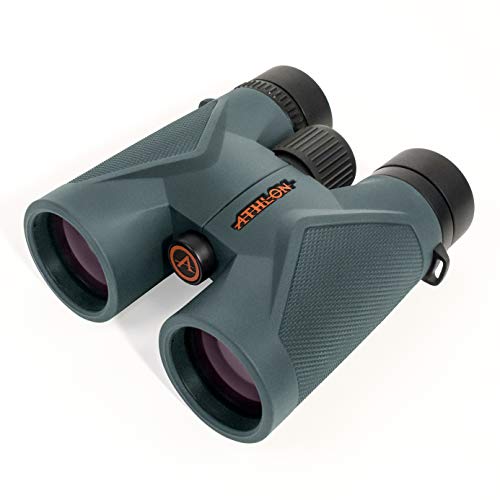
Athlon Optics 8×42 Midas UHD Binoculars

Steiner Marine 7×50 Binoculars

Pankoo 20×55 Binoculars with Phone Adapter

Vortex Crossfire HD 10×42 Binoculars

Pankoo 20×55 Waterproof Binoculars (Convenient)
The Picks, Examined More Closely
The Diamondback HD sits in that sweet spot where optical quality meets a price most deer hunters can justify. Ten-power magnification pulls distant does and bucks into useful detail without pushing the limit of handheld stability, and the 42mm objective lenses gather enough light for those crucial first and last hours of the day.
Compared with the step-down Copperhead later on this list, the Diamondback HD adds upgraded glass elements that help cut color fringing around antler tines and bare branches. For a hunter who values glassing far creek bottoms and field corners, the difference is meaningful at dawn and dusk when contrast matters most.
Useful Highlights
- 10×42 configuration balances reach and a steady handheld view.
- Fully multi-coated lenses support clearer dawn and dusk glassing.
- Phase-corrected prisms improve color fidelity and sharpness across the frame.
- Argon-purged, waterproof and fogproof housing suits cold morning hunts.
- Rubber armor protects against brush contact and accidental drops.
Things To Consider
- 10x magnification can feel jittery for users without a steady hold.
- Slightly heavier than compact 8x models on long stalks.
Key Specs
Who It Suits Best
Whitetail hunters who glass open fields and timber edges regularly and want a versatile optic that handles most conditions without a major investment.
Consider Something Else When
You mostly hunt dense woods at close range, in which case the Athlon Optics 8×42 Midas UHD offers a steadier handheld view.
Bushnell built the Trophy XLT line for hunters who deal with weather that swings fast, from dry ridge winds to wet coastal fog. The 10×42 platform keeps image size familiar, while the housing focuses on sealing out moisture and surviving hard use in a pack or chest harness.
Where the Diamondback leans toward optical refinement, this Bushn focuses on practical durability. The wide 6.2-degree angle of view helps when scanning wide ag fields or coastal flats, where you may need to find deer in a broad sweep rather than zooming straight to one target.
Strengths Worth Knowing
- Waterproof and fogproof housing for storm-day hunts.
- Wide 6.2-degree field of view supports fast scanning.
- 10×42 size covers most deer hunting distances.
- Rubber armor helps with grip in wet or cold conditions.
Points To Note
- Glass quality sits below the Vortex Diamondback HD in direct comparison.
- 10x can feel jumpy for users who prefer a steadier image.
Built With In Mind
Hunters who chase deer in wet climates and want a tough, weather-sealed optic at a workable price point.
Look Elsewhere When
You want crisper low-light performance, in which case the Vortex Diamondback HD 10×42 is the better upgrade.
The Copperhead HD aims at hunters who want modern HD glass without paying Diamondback money. It uses a redesigned optical system aimed at better edge-to-edge sharpness and color fidelity, which matters when a buck slips through low branches at the edge of a clearing.
Adjustable eyecups and a useful diopter make fitting the optic to your eyes straightforward, and the waterproof, fogproof, shockproof housing handles the rough trip into a public-land spot. Compared with the Bushnell Trophy XLT, the Copperhead HD tends to deliver cleaner edges for the price.
Benefits That Matter
- HD optical system focuses on color fidelity and sharpness.
- Adjustable eyecups support eyeglass wearers in the field.
- Waterproof and fogproof construction suits rough weather.
- Strong price-to-performance ratio for new hunters.
Worth Noting
- Slightly bulkier feel than smaller 8×42 designs.
- Not as bright at dusk as glass with extra-low dispersion elements.
Right Fit For
New deer hunters building a first serious kit who want proven glass at a fair price.
A Better Fit Elsewhere
If you spend most sits in heavy timber, the Steiner Marine 7×50 gives a steadier handheld image with more light.
The Pankoo 20×55 packs serious reach for hunters who glass wide western basins or open ag fields. At 20x, a buck at the far edge of a field becomes something you can judge, rather than a vague shape.
The trade-off shows up in stability: 20x magnification amplifies every tremor in your hands, so a tripod or monopod becomes a near necessity for clean, sustained images. Compare that to the 10×42 Vortex and Athlon picks, which trade peak magnification for steadier handheld viewing.
What Pays Off
- 20x magnification reaches deer that other binos leave as shapes.
- Large 55mm lenses support low-light performance at distance.
- BAK4 prisms contribute to a clean, well-formed exit pupil.
- FMC coatings help brightness and clarity across the frame.
Things To Weigh
- 20x is hard to hold steady without support.
- Heavier than typical 10×42 options, which affects long walks.
- Reduced field of view compared to 8x or 10x models.
At A Glance
Best Suited To
Hunters working open country who glass from a vehicle, ridge, or tripod-supported position and need the extra reach.
Swap It Out When
You walk long distances on foot and need lighter, steadier glassing, where the Vortex Crossfire HD 10×42 is a friendlier carry.
The Midas UHD leans on extra-low dispersion glass, a feature usually found in pricier optics, to keep colors honest and reduce fringing around high-contrast antler tines against a bright sky. The 8×42 format sacrifices a bit of magnification but gains a wider, steadier view, which matters during long glassing sessions.
Where the Vortex Copperhead HD prioritizes 10x reach, this Athlon focuses on a calmer, brighter image. The UHD glass pairs well with the 8.1-degree angular field of view for tracking moving deer without constant refocusing.
Standout Benefits
- ED glass reduces color fringing on sharp edges.
- 8x magnification supports steady handheld use all morning.
- Phase-corrected BAK4 prisms improve contrast.
- Argon-purged housing resists internal fogging.
Honest Caveats
- Less reach than 10x or 20x models for distant glassing.
- Slightly higher cost than entry-level HD optics.
Quick Facts
Made For
Hunters who spend serious time glassing at dawn and dusk and value clarity, color, and steady handling more than peak magnification.
Reach For A Different Pick When
You need to read deer at extreme distances, in which case the Pankoo 20×55 brings more reach for open country.
The Steiner Marine started life on boats, which tells you almost everything about how it’s built. The 7×50 setup runs big, bright 50mm objectives and a forgiving 7-power magnification that produces a steady view for users who handhold binoculars for hours.
Where the Vortex 10x42s prioritize reach, this Steiner focuses on ruggedness and low-light reach, which is why hunters working swamp edges, coastal flats, and rain-heavy regions keep coming back to this shape. The floating prism system and rubber-armored body handle drops and rain without drama.
Strong Points
- Large 50mm objectives gather meaningful low-light output.
- 7x magnification stays steady during long glassing sessions.
- Rugged, marine-rated construction handles rough conditions.
- Sports auto-focus keeps images sharp without constant wheel turning.
Less Ideal Details
- Larger and heavier than 42mm roof prism designs.
- 7x reach is limited compared to 10x and 20x alternatives.
Feature Rundown
Who Should Grab It
Hunters who work wet, brushy, or coastal environments and want a tough optic that forgives rough handling.
Another Choice May Suit
You mainly stalk open hardwoods and want lighter carry, in which case the Vortex Crossfire HD 10×42 is easier on the neck.
The phone adapter turns this 20×55 Pankoo into a simple digiscoping rig, which appeals to hunters who like to share sightings, document unusual bucks, or scout public-land glassing spots from a truck window. The same 20-power reach applies, so you still need steady hands or a support.
Compared with the non-adapter Pankoo 20×55 covered earlier, the difference is purely the included mount. For hunters who occasionally want a phone photo of a distant buck, the add-on saves buying a separate adapter and brings the same optical package.
The Good Stuff
- 20×55 optics pull in distant deer for identification.
- Phone adapter supports sharing and documenting sightings.
- BAK4 prisms and FMC coatings support image clarity.
- Long eye relief helps users who wear glasses.
Points To Keep In Mind
- Adapter adds setup time when quick glassing matters.
- 20x still demands support for clean handheld viewing.
- Phone alignment takes practice before quick use.
Perfect Match For
Hunters and content creators who want the option to capture and share what they see at long distances without a separate scope.
Where A Sibling Pick Shines
You rarely share sightings or pull out your phone in the field, in which case the standard Pankoo 20×55 keeps things lighter and simpler.
The Crossfire HD is Vortex’s entry into HD glass at a price most first-time hunters can manage. The 10×42 platform matches the Diamondback and Copperhead, so the ergonomic feel stays familiar across the Vortex line.
Compared with the Diamondback above, the Crossfire HD keeps the core 10×42 shape but trims some premium glass elements and finish details. For a new deer hunter who wants a familiar brand and a forgiving optic, it remains an honest starting point.
Well-Handled Touches
- HD optical system supports cleaner edges than older Crossfire models.
- 10×42 size covers the most common deer hunting distances.
- Includes a GlassPak-style case for field carry.
- Waterproof and fogproof housing suits general hunting use.
Small Caveats
- Glass quality falls short of the Diamondback HD.
- Coatings are simpler than higher-tier Vortex models.
Whose Shelf It Belongs On
First-time deer hunters who want a known brand and a serviceable optic that grows with their hunting skills.
Skip It When
You hunt primarily at dawn and dusk, where the Athlon Optics 8×42 Midas UHD pulls noticeably cleaner low-light images.
This Pankoo 20×55 leans into long-distance reach while keeping the build waterproof and the focus wheel comfortable enough for long sits. For hunters who park on a ridge and spend hours scanning distant basins, it earns its place in the truck.
Where the Vortex 10x42s sit closer to mid-range pricing, this Pankoo pushes reach forward at a lower cost. The honest read is that you trade some optical refinement for raw distance, which works well if your hunting day revolves around glassing far terrain rather than walking long distances.
Reasons It Performs
- 20x magnification reads far-field deer clearly.
- BAK4 roof prisms and FMC coatings support clean imaging.
- Waterproof construction handles wet glassing sessions.
- Large focus knob stays usable with cold or gloved hands.
Worth Bearing In Mind
- 20x still demands tripod or monopod for steady viewing.
- Heavier than typical 42mm roof prism designs.
- Narrower field of view than 8x or 10x alternatives.
Feature Overview
Right Fit
Hunters who sit in one spot and glass far terrain for extended periods and want distance at an accessible cost.
Not Your Match When
You spend most of your hunt walking and stalking, where a lighter 10×42 like the Vortex Crossfire HD is easier to carry all day.
What To Weigh Before Choosing Binoculars For Deer Hunting
Magnification And Stability
Pick a magnification that matches your hunting style. For most deer hunters, 8x or 10x offers the best balance of detail and steady handheld viewing. 20x optics pull in distant deer but demand a tripod or stable rest for clean images.
Objective Lens Size And Low Light
The objective lens is the front lens that determines how much light the binocular gathers. A 42mm objective handles most dawn and dusk glassing, while 50mm or 55mm lenses push deeper into low-light windows at the cost of added weight.
Coatings And Glass Quality
Fully multi-coated lenses and BAK4 prisms improve brightness, color fidelity, and contrast. ED (extra-low dispersion) glass reduces color fringing around high-contrast edges, which matters when judging antlers against bright sky.
Durability And Weather Sealing
Waterproof and fogproof construction protects internal optics from rain, snow, and rapid temperature changes. Rubber armor helps with grip and absorbs minor impacts when crossing rough ground or climbing into a stand.
Smart Considerations Across These Picks
Mistakes Worth Dodging
A common slip-up is chasing maximum magnification without considering stability. 20x binoculars look impressive on paper, but they magnify every hand tremor. Most deer hunters do better with 8x or 10x for handheld use, and only step up to 20x when supported by a tripod or monopod.
Another trap is ignoring the objective lens size. Larger objectives help in low light, but they add bulk and weight. A 42mm lens is the most practical compromise for walking hunters, while 50mm and 55mm designs suit stationary glassing from a stand or vehicle.
Where The Extra Money Goes
Stepping up in price brings upgraded glass, better coatings, and improved mechanical fit. Premium optics use ED glass, phase-corrected prisms, and tighter tolerances, which together produce cleaner edges, better contrast, and more honest color. The case for spending more is strongest for hunters who glass long hours in low light or judge antlers at meaningful range.
Frequently Asked Questions
What magnification is best for deer hunting?
Most deer hunters do best with 8x or 10x binoculars. These magnifications stay steady in the hands while still letting you judge antlers and movement at typical ranges.
Are 20x binoculars good for hunting?
20x binoculars work well for stationary glassing of open country from a vehicle, ridge, or tripod. They tend to be too shaky for comfortable handheld use during walking or stalking.
What is ED glass in binoculars?
ED (extra-low dispersion) glass is a special optical glass that reduces color fringing around high-contrast edges. It improves color fidelity and sharpness, which helps when judging antlers against bright sky or in low light.
How far can you see with 10×42 binoculars?
On a clear day, a 10×42 binocular can resolve deer-sized detail at several hundred yards, and you can detect movement much farther. Practical identification usually peaks around 400 to 600 yards depending on lighting, terrain, and the optic’s quality.
What does waterproof and fogproof mean for hunting binoculars?
Waterproof means the housing is sealed against rain, snow, and accidental drops in water. Fogproof means internal air has been replaced with nitrogen or argon to prevent internal lens fogging during rapid temperature changes.