
A good feed does more than fill a trough. The right mix keeps antlers growing strong through summer, pulls does back to your plot in late winter, and turns a quiet stand into a steady stream of movement. This roundup walks you through eight practical options, from mineral licks and block-style feeds to liquid attractants and no-till seed blends, so you can match the product to the season, your setup, and the herd you’re trying to support.
The Picks In Brief
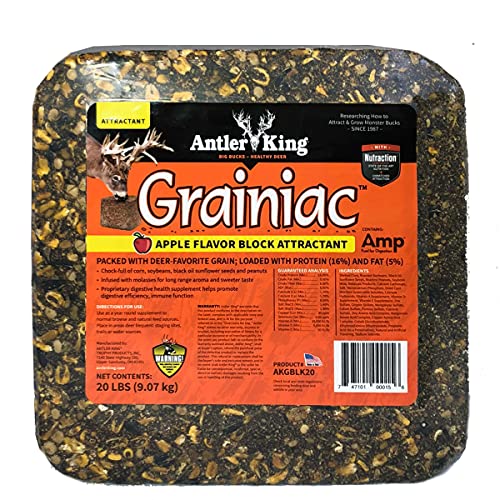
Antler King Apple Flavored Grainiac Block for Deer 20 lb
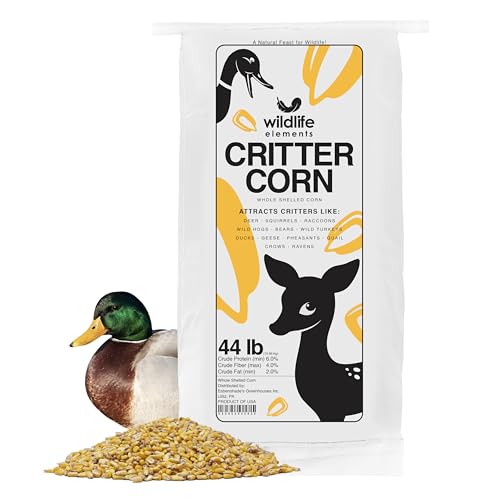
Wildlife Elements Critter Corn 44 lb Whole Shelled

Big Tine Fortified Deer Blend Cherry Rush 10 lb

Wildgame Innovations Persimmon Crushed Deer Attractant 5 lb

Evolved Habitats Buck Jam Apple Liquid Attractant 1 Gallon

Wildgame Innovations Sugar Beet Crushed Deer Attractant 5 lb

Pure Whitetail Power Munch Protein Supplement 10 lb

Pure Whitetail Shady Patch No Plow Food Plot Seed 5 lb
The Strengths Of Each Pick
For hunters managing small food plots or rural acreage, the Antler King Grainiac Block earns its place by doing the one thing most feed products struggle with: staying put. The 20-pound pressed block holds its shape through rain and wind, so you can drop it near a stand or trail and come back days later without finding a pile of mush. Apple flavoring does the heavy lifting on scent, and the 16% protein, 5% fat profile keeps it nutritionally useful across seasons rather than just a cold-weather crutch.
Compared to the bulkier bagged options later in this list, this block trades volume for convenience. You trade the freedom to scatter feed for the freedom to ignore it.
Well-Handled Touches
- Pressed 20 lb format resists weather breakdown longer than loose grain in wet conditions
- 16% protein and 5% fat cover antler growth, lactation, and winter maintenance in one feed
- Apple scent layer draws curious deer from a wider radius than plain mineral alone
- Low-maintenance placement suits stands or mineral sites you cannot visit every day
Things To Consider
- Hardened format means slower intake rates, which can frustrate managers wanting quick traffic
- Once consumed or moved by wildlife, you’ll need a replacement rather than a refill
Quick Facts
Right Fit For
Hunters running low-maintenance mineral sites who want a once-a-season drop rather than weekly refills.
Swap It Out When
You need fast herd traffic and prefer loose grain; Wildlife Elements Critter Corn is a better fit for high-volume gravity feeders.
Plain whole shelled corn sounds boring, and that is exactly the point. Wildlife Elements Critter Corn is a 44-pound bag of cleaned, USA-sourced grain with no flavoring or fortification layered on top, which makes it the most flexible feed in this lineup. You can pour it into a gravity trough, scatter it along a logging road, or top-dress a mineral site, and it works the same way every time. The high-carb profile delivers quick winter energy for deer while still pulling in squirrels, turkeys, ducks, and the occasional raccoon that wanders past your stand.
Where the Antler King block trades labor for longevity, this bag trades nutrition density for raw volume. You get more feed per dollar than anything else on the list, which matters when you’re feeding through a harsh January or stocking multiple sites across a property.
A Strong Showing
- Cleaned, all-natural whole kernel format works in gravity feeders, troughs, and ground sites
- High carbohydrate load fuels cold-weather energy needs for deer and other wildlife
- Large 44 lb bag reduces the number of trips to restock remote plots
- Broad appeal across deer, turkeys, ducks, and small game adds sighting variety
Worth Noting
- Plain corn lacks the protein and mineral fortification of purpose-blended feeds
- Loose grain can spoil in wet weather if not stored in a covered drum or feeder
- May attract non-target species like raccoons or hogs more aggressively than block formats
Whose Shelf It Belongs On
Land managers running multiple feeder sites who need bulk feed at a manageable per-pound cost.
Not Your Match When
You want a self-contained protein boost for late spring antler growth; Pure Whitetail Power Munch covers that role with added probiotics.
Cherry Rush lives in the middle ground between the simple corn option and the heavier supplement feeds. The textured mix combines shell corn, cracked corn, milo, and sunflower seeds, giving deer something to sort through rather than just swallow, and that sorting behavior keeps them on-site longer. Big Tine also layers in a nitro-style mineral and vitamin packet to address the antler-development and fawning stress windows, so the feed pulls double duty as an attractant and a nutrition supplement in one bag.
The 10-pound size hits a sweet spot for hobby plot managers who don’t want to haul 40-pound sacks into the woods but still want a more interesting mix than shelled grain. It also holds up well when paired with a feeder spin or tossed into a trough.
The Upside
- Textured blend of corn, milo, and sunflower seeds encourages natural foraging behavior
- Added mineral and vitamin packet supports antler development and seasonal recovery
- Cherry flavoring increases palatability without leaning on a heavy salt profile
- Manageable 10 lb bag suits smaller plots and quick restock trips
Trade Offs
- Smaller bag means more frequent purchases than the 44 lb corn option
- Loose mix can attract squirrels and birds that compete with deer for early feedings
Key Product Details
Built With In Mind
Hobby plot managers who want a more complete feed than plain corn without committing to bulk bags.
Where Another Pick Suits Better
You need a feed that holds up in a remote mineral site for weeks at a time; the Antler King Grainiac Block handles that better.
Whitetails love persimmons, and finding the fruit fresh in the woods is half the battle. Wildgame Innovations takes ripe persimmons, crushes them into a fine powder, and blends that powder into a high-protein carrier base, which is a smart workaround for anyone hunting outside persimmon country. The crushed format means the scent disperses on the breeze across a wider area than a liquid pour, and the powder absorbs moisture slowly, so the scent tends to keep working through multiple weather cycles.
This is less of a daily feed and more of a pre-season and early-season scouting tool. It complements the bulkier grain options above rather than replacing them.
The Case For It
- Real persimmon base delivers a scent whitetails actively seek out in the wild
- Double-screened powder absorbs and holds moisture for extended release
- High-protein carrier adds nutritional value beyond pure attraction
- Compact 5 lb bag travels well to remote stands and scouting routes
Room For Improvement
- Powder format needs reapplication after heavy rain or long dry stretches
- Strong scent draw can also pull in raccoons and other curious wildlife
Who Will Love This
Hunters patterning new properties or refreshing tired scrape sites where standard corn no longer pulls consistent traffic.
Consider Something Else When
You want a one-step feed and mineral combo without powder application; Evolved Habitats Buck Jam covers that role in liquid form.
Buck Jam takes the messy work out of building a mineral site. The one-gallon jug arrives ready to pour over a stump, a bare patch of dirt, or even a fallen log, and the apple-flavored, salt-sweet liquid starts working on contact. The mineral load inside the mix handles the dietary side of the equation, while the sticky sweetness pulls deer back to lick the site clean over several visits. In a region with acidic groundwater, this gives you a controlled mineral source without hauling fifty-pound mineral blocks into the woods.
Think of it as the low-labor companion to the heavier supplement options. The Persimmon Crushed powder above relies on airborne scent to draw deer in from a distance, while Buck Jam counts on deer discovering and returning to a known lick.
What Earns Its Place
- Ready-to-pour liquid format eliminates mixing and measuring at the site
- Apple scent profile pairs with a strong salt-mineral base for repeat visits
- Works across stumps, logs, and bare ground where blocks cannot sit flat
- Year-round usability suits both summer mineral sites and winter attraction setups
Points To Note
- Liquid can run off in heavy rain before it soaks into the soil
- One-gallon jug weighs more than block or powder options at the carry-in stage
Feature Snapshot
Best Suited To
Land managers building mineral sites in rough terrain who want fast setup without hauling block-format products.
Skip It When
You need a feed that doubles as a winter energy source; Wildlife Elements Critter Corn handles caloric demand more directly.
Sugar beets grow in cold climates and disappear fast once deer find them, which makes fresh beets tough to source outside their growing range. Wildgame Innovations solves that problem by crushing real sugar beets into a concentrated feed that ships anywhere. Late fall and winter are where this product earns its keep, since the natural sugars deliver quick energy right when deer are burning through reserves to survive cold nights and late-season rut activity.
The 5-pound bag is small by feed standards but mighty by concentration, so a little goes a long way on a scrape or mineral site.
Where It Delivers
- Real sugar beet base delivers a sweet, high-energy reward whitetails crave
- Ultra-concentrated format means small amounts produce strong site activity
- Works as a stand-alone attractant or as a top-dress over existing mineral sites
- Shines in late fall and winter when natural sugar sources have dried up
Potential Drawbacks
- Higher price per pound than plain corn makes it a poor choice for daily bulk feeding
- Sweet scent can pull bears and raccoons depending on your region
Made For
Northern hunters targeting late-season energy gaps when standard grains start losing their pull.
Look Elsewhere When
You want year-round bulk value rather than a concentrated cold-weather tool; the Wildlife Elements corn bag covers that need at lower cost.
Power Munch is built around the nutritional side of deer feeding. Roasted soybeans, cracked corn, and seeds anchor the mix, with added probiotics meant to support healthy digestion, a detail that matters more than most casual shoppers realize. The bag also delivers essential vitamins and minerals aimed at antler, bone, and muscle development, which makes it a strong fit for spring and summer feeding when bucks are growing antlers and does are supporting fawns.
Where the Sugar Beet Crushed attractant leans hard on scent and energy, Power Munch leans on nutrition density. Pairing the two in a feeding program gives you both the draw and the diet.
Everyday Wins
- Roasted soybeans and seed blend deliver a denser protein profile than plain corn
- Added probiotics support healthy rumen function during seasonal stress
- Essential vitamins and minerals target antler and bone development windows
- 10 lb bag suits small property managers and weekend feeder trips
Honest Caveats
- Higher protein density raises cost per feeding compared to bulk grain options
- Loose mix can clump if stored in a damp shed or open garage
Product Snapshot
Perfect Match For
Hunters focused on herd health during spring and summer antler growth windows who want more than empty calories.
Reach For A Different Pick When
You want a low-effort pour-and-go block rather than a bagged loose mix; the Antler King Grainiac Block keeps feeding simple.
Not every feeding strategy starts with a bag of grain. Shady Patch is a no-till seed mix built for the spots most food plot seeds ignore: shaded woodland edges, small clearings, and tree-lined fence rows. The blend pulls in clover, chicory, brassica, rye, and rape seeds, which gives deer a changing buffet across the year rather than a single-season flush. Broadcasting the seed without tilling saves hours of equipment work, and the 5 lb bag covers the kind of small, irregular patches that bigger plot mixes overshoot.
This is the long-game entry on the list. Where the block, grain, and attractant products pull deer to existing sites, Shady Patch creates the site itself.
A Favorable Mix
- Shade-tolerant blend thrives where standard plot seeds struggle
- No-till application skips plowing and disc work on rough or wooded terrain
- Diverse species mix provides forage across spring, summer, and fall
- Compact 5 lb bag suits small clearings and irregular-shaped plots
Less Ideal Details
- Establishment depends on proper seed-to-soil contact and rainfall timing
- Slow ramp-up means year-one traffic may be lower than a pre-built feed site
Who Should Grab It
Landowners with wooded edges or shaded clearings who want forage instead of another feeder.
A Better Fit Elsewhere
You need immediate herd traffic this season; Wildlife Elements Critter Corn delivers instant draw without waiting on a seed crop.
What Matters Most Before Choosing Deer Feeds
Match The Feed To The Season
Spring and summer feeding windows benefit from higher protein products like Power Munch, since bucks grow antlers and does support lactation during these months. Late fall and winter shift the priority to carbohydrates and quick energy, which is where plain corn and sugar beet attractants pull their weight. Many managers run two or three products across the year rather than committing to a single bag.
Decide Between Bulk Feed And Targeted Attractant
Bulk grain options like the 44 lb corn bag keep a herd fed at a low per-pound cost but require frequent feeder checks and offer minimal scent draw. Targeted attractants like the persimmon or sugar beet products use concentrated scent to pull deer in from a distance but cost more per feeding. A balanced approach pairs one bulk product with one attractant.
Think About Site Conditions
Flat ground, stumps, logs, and bare dirt each favor different formats. Block-style feeds sit best on flat, level surfaces. Liquid products like Buck Jam soak into stumps and uneven soil. Powder attractants work on both surfaces and broadcast sites. Seed blends need seed-to-soil contact and rain, so timing matters as much as product choice.
Consider Your Local Wildlife Pressure
Strong-scent attractants tend to pull in non-target species like raccoons, bears, and feral hogs in regions where those animals are common. Block formats and high-volume grain tend to focus deer traffic with less bycatch. In areas with heavy non-deer competition, simpler formats often outperform fancy attractants.
Key Considerations Across These Picks
Common Shopping Slip Ups
The biggest mistake shoppers make is buying an attractant-heavy product when they actually need bulk nutrition, or vice versa. Match the format to your real goal: bulk corn for keeping a herd fed through winter, protein supplements for spring and summer growth, attractants for scouting and pre-season patterning. Skipping that step usually leads to a half-used bag of the wrong product and a wasted season of feeding effort.
What The Higher Tier Buys
Premium-tier feeds like fortified blends and probiotic supplements cost more per pound, but the extra spend goes into ingredient quality, vitamin fortification, and digestibility support. For managers focused on herd health and antler development, that premium pays back through stronger body weights and visible antler growth. Casual hobby feeders often do fine with mid-tier options, while serious land managers see the upgrade as a long-term investment.
Frequently Asked Questions
How much protein do whitetail deer actually need?
Mature does and bucks benefit from at least 16% protein during antler growth and fawning seasons. Maintenance diets outside those windows can run lower without harming the herd.
Can I mix multiple attractants at the same site?
Layering a liquid mineral like Buck Jam under a powder attractant like Persimmon Crushed is common and tends to extend site life. Avoid stacking two strong-scent attractants on top of each other, since competing smells can reduce effectiveness.
How long does a 20 lb block typically last?
Block consumption depends heavily on herd size and weather, but most managers report several weeks of steady use before replacement is needed. Wet weather and heavy deer pressure shorten that window.
Do I need a feeder or can I broadcast feed?
Broadcast feeding works for grain and seed products but wastes feed and pulls non-target wildlife. Timed or gravity feeders ration the feed, protect it from rain, and focus deer traffic into a predictable pattern.
When is the best time to start a food plot?
Fall plantings of clover, chicory, and brassica blends establish roots through winter and green up early in spring, giving deer a strong first-year forage base. Spring plantings work too but need more weed control in the establishment phase.