
Deer season sneaks up on you faster than you’d think. Scouting the lease, glassing field edges, and dialing in a broadhead all take time, but the gear choice happens first. A mismatched bow makes the rest of the season feel uphill. The eight picks below cover a wide spread: beginner-friendly compounds, youth starters, a complete arrow set, recurve options for traditional hunters, and a fully-loaded rig for adults. Each one earns its place by solving a specific problem: a wider draw range for growing archers, lighter mass for long sits in a tree stand, or a tunable package that ships ready to hunt.
The Picks In Brief

Genesis Original Lightweight Compound Bow Adjustable 15″-30″ Draw
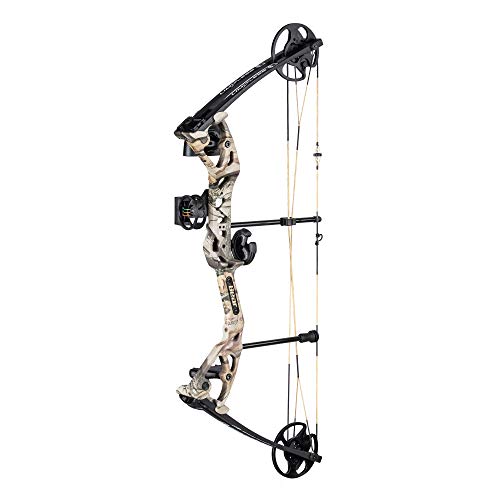
Bear Archery Limitless Dual Cam Compound Bow (God’s Country)

sanlida Pure Carbon Arrows 10-Spine Deflection (12/24 Pack)

Sanlida Noble Takedown Recurve Bow Kit (Wooden)

Sanlida Hermit X8 ILF Takedown Hunting Recurve 60/62″

Barnett Wildhawk Youth Compound Bow, Green

Sanlida Eagle X9 RTH Standard Recurve Bow Set 58″

Sanlida Dragon X8 RTH Compound Bow Package (0-70 lbs)
Meet The Standout Selections
The Genesis Original earns its long-running reputation as a first-bow because it solves the one problem every new shooter faces: growth. A draw length that stretches from 15 to 30 inches and draw weight that walks from 10 to 20 pounds means a kid who barely clears the kitchen counter can share the same setup with a parent on day one.
That wide adjustment window comes from a single-cam system, which uses one cam (a rotating wheel at the end of the limb that controls how the string uncoils) to keep the draw cycle smooth without the tuning headaches of dual-cam designs. For families who want one rig that travels between campers and gets handed off to cousins every weekend, that simplicity pays off. Compared to the Bear Limitless, which is dialed more for transitional youth shooters, the Genesis reads as the friendlier first touchpoint.
Well-Handled Touches
- Draw length adjusts across an unusually wide 15-30″ range, so one bow covers elementary-age shooters through adults
- Single-cam layout eliminates the manual tuning most beginners struggle with during the first month
- Aluminum riser (the central handle section of the bow) keeps total mass low enough for younger frames to hold steady at full draw
- Left-hand draw configuration suits right-eye-dominant shooters in mixed households
Things To Consider
- The 10-20 lb draw weight range won’t carry a hunting license requirement in many states; this is a foundation, not a season-shooter
- Owners commonly find the stock sights need upgrading before paper-tuning at distance
Who It Suits Best
Families buying one bow for multiple skill levels, or any archer stepping into the sport for the first time and wanting a forgiving platform that won’t be outgrown in a season.
Consider Something Else When
Adults planning to hunt heavy cover with the bow should look at the Sanlida Dragon X8, which adjusts up to 70 pounds and ships with sights and a quiver.
The Bear Limitless reads like a junior version of a full hunt rig, which is exactly what transitional shooters need. Its dual-cam system (two matched wheels working in sync for arrow speed and a balanced draw) sends arrows downrange at a stated 265 FPS (feet per second), giving kids a feel for real hunting performance instead of a watered-down starter. The “God’s Country” finish is a styling cue, but the tuning window underneath is the real story.
What’s clever here is the inclusion list. Out of the box, you get a Trophy Ridge sight, a Whisker Biscuit arrow rest (a capture-style rest that holds the arrow with bristles), a three-arrow quiver, a peep sight, and a nock loop, all without a trip to the pro shop. Where the Genesis asks you to add accessories later, the Limitless hands you a complete kit on day one.
What Works In Its Favor
- Stated 265 FPS arrow speed gives young hunters confidence-building performance without an adult rig’s draw weight
- Dual-cam system delivers a smoother back wall (the stopping point at full draw where the draw cycle ends), helping with form consistency
- Factory-installed accessories remove the usual “what else do I need” scramble
- Adjustable draw weight and length accommodate a multi-year stretch as the archer grows
Trade Offs
- Dual-cam designs typically require more periodic tuning than single-cam options like the Genesis
- The stocked accessories are entry-grade; serious tournament shooters tend to swap the rest and sight within a season
Made For
Transitional youth hunters who already shoot consistently at lighter weights and want a setup that feels like a grown-up bow without the grown-up draw cycle.
Look Elsewhere When
A first-time shooter under 12 should start with the Barnett Wildhawk, which uses a smaller frame and lighter draw cycle to keep the form habit fun instead of frustrating.
Arrows are the unsung half of any rig, and sanlida’s pure-carbon set leans hard into consistency. The shaft is built around 10-spine deflection steps (a spine is the arrow’s resistance to bending; lower numbers mean stiffer shafts), letting you match spine to draw weight without guessing which generic tube fits. That kind of tuning support matters once you start chasing tight groups at 30 yards.
The straightness tolerances are split across 0.001″, 0.003″, and 0.006″ grades, so you can pick a budget tier or push for the most uniform match set possible. The 12-pack plus 12-free and 6-plus-6-free bundles put a full dozen match-grade arrows within reach for target shooters and bowhunters who lose shafts to the occasional bad shot. The shafts fit both compound and recurve setups, a rare bit of flexibility.
What It Does Well
- Spine options from 250 through 500 let you match shaft stiffness to draw weight without jumping between product lines
- 0.244″ inner diameter suits a broad range of standard broadhead and field point inserts
- Bulk-buy tiers let you replace lost arrows without disrupting spine-matched groups
- Pure carbon construction keeps GPI (grains per inch, a measure of shaft weight) consistent across shafts for predictable flight
Minor Gripes
- Shaft outer diameter shrinks as spine decreases, so you’ll need to confirm nock fit per spine tier
- Most buyers prefer to add their own fletchings, so plan for a jig and wraps if you want custom-feather builds
Best Suited To
Archers running a tuned compound or recurve who want matched, accurate hunting and target shafts in the same quiver.
Skip It When
A bare-bones starter doesn’t need ten spine options; the Sanlida Noble recurve kit ships with arrows already chosen to the bow, saving new owners the matching homework.
Stepping into traditional archery usually means hunting down risers, limbs, strings, arrows, and a quiver separately. The Sanlida Noble skips that scavenger hunt by bundling everything into a wooden takedown recurve with sizes that range from 48 to 70 inches. The riser is the molded wooden handle with grip and arrow shelf; limbs detach for storage in a closet without disassembling the whole bow.
The kit approach pays off most in the first month. You pull everything out of the box, screw on the limbs, and you’re shooting. For adults and youth stepping into recurve as a discipline rather than a stepping stone, that’s a much cleaner introduction than mixing brands and discovering later that your string length is off.
Real-World Strengths
- Multiple length options cover growing kids and full-sized adult frames in one listing
- Takedown design collapses to a compact pack-down size for transport to the range
- Wooden riser gives a warmer hand-feel and quieter shot than aluminum starter rigs
- Right-hand-only configuration simplifies parts ordering for the majority of shooters
Softer Spots
- RH-only design excludes left-handed shooters, who will need to source a mirrored riser
- Wooden risers typically need a wipe-down after range sessions to prevent moisture swelling at the limb pockets
The Right Fit
New traditional shooters who want every necessary accessory in one box and don’t want to wrestle with compatibility questions before their first shot.
Where Another Pick Suits Better
Anyone planning to hunt heavier game should consider the Sanlida Hermit X8, which uses universal ILF (International Limb Fitting) limb pockets and supports draw weights up to 60 pounds.
Traditional hunters tend to grow into their gear over time, and the Hermit X8 is built for that. The riser uses an ILF mounting standard, which means any ILF-compatible limb from another maker will bolt on without modification. If you eventually want a heavier or lighter limb set, you won’t have to replace the whole bow.
That flexibility is the quiet headline here. The 25-60 pound draw range covers the early practice months and the actual hunting setup without forcing a second purchase. Compared to the Noble kit, the Hermit X8 trades starter-package convenience for future upgrade paths. For a hunter who plans to commit, that tradeoff earns its keep.
What Pays Off
- ILF universal limb compatibility opens a deep upgrade market without buying a new riser
- Wooden construction balances warmth, weight, and that quieter shot trad hunters prefer
- 25-60 lb draw weight range covers target practice and whitetail-class hunting
- Takedown form factor keeps transport painless for spot-and-stalk hunts
Possible Compromises
- RH-only configuration rules out left-handed shooters without third-party riser sourcing
- Wooden riser needs occasional conditioning to prevent drying cracks at the limb pockets over years of outdoor use
Whose Shelf It Belongs On
Traditional bowhunters who plan to invest years in the sport and want a riser that grows with their skill instead of boxing them into factory limbs.
Reach For A Different Pick When
A first-time recurve shooter wanting a single purchase to cover arrows and accessories should grab the Sanlida Noble kit, which ships with matched components already chosen.
Most youth bows are just shrunken adult models with lighter strings. The Wildhawk skips that shortcut. Its 15-pound maximum draw weight and 17-21 inch draw length are scaled to fit small hands without forcing a kid to muscle up to a “real” bow. The reinforced ambidextrous grip adjusts to right- and left-handed shooters, which matters when a family has two kids who want to share.
Two arrows ship in the box, enough to get started without buying extras before the first lesson. Soft-touch grip rollers and an adjustable sight pin help the first dozen arrows land on the target instead of the ceiling. It’s an honest starter for ages 5 and up.
Useful Highlights
- Compact dimensions fit archers as young as five without forcing unsafe draw lengths
- Ambidextrous grip removes the “wrong-handed kid” shopping scramble in mixed households
- Two arrows included so the first backyard session can happen the day the box opens
- Adjustable sight pin grows with the shooter as groups tighten up
A Few Limitations
- Light draw weight won’t satisfy any state’s legal minimum for hunting larger game
- Owners commonly replace the included arrows once kids start losing them in tall grass
Perfect Match For
Parents introducing archery to young children who need a bow scaled to small frames instead of a stretched adult rig.
A Better Fit Elsewhere
Older kids ready for a longer draw and heavier weight should move up to the Genesis Original, which adjusts across a wider draw range as they grow.
The Eagle X9 sits in the middle of Sanlida’s recurve lineup for a reason: it ships ready to hunt at 58 inches, and the 25-60 pound draw range covers most adult whitetail and small-game scenarios without buying extra limbs. The wooden takedown construction keeps the breakdown quick for transport to a lease or cabin.
Where the Hermit X8 leans into ILF compatibility and the Noble leans into kit completeness, the Eagle X9 aims at a balanced middle. It’s a “set up once and shoot” recurve for someone who wants a traditional feel without the upgrade treadmill.
Noteworthy Benefits
- Ready-to-hunt package cuts the parts-list anxiety that comes with bare-bones recurve orders
- 58-inch length works well for average adult shooters in standing and kneeling positions
- Wooden riser and limbs give a warmer shooting feel than all-aluminum starter rigs
- Takedown breakdown fits standard range bags without custom cases
Points To Note
- Not ILF-compatible like the Hermit X8, so future limb upgrades are limited to Sanlida’s own lineup
- Wooden components need a stable humidity environment to keep limb pockets from warping over time
Who Should Grab It
Adult recurve hunters who want a low-fuss traditional setup they can pull out of the closet and shoot without tuning sessions.
Not Your Match When
Archers who plan to step into heavier draw weights over time should pick the Sanlida Dragon X8 compound, which adjusts from 0 to 70 pounds without swapping limbs.
The Dragon X8 is the grown-up version of “I want to hunt this year.” Its draw length spans 18-31 inches and draw weight runs from 0 all the way to 70 pounds, all adjustable without a bow press. That last point matters: most compounds at this level require a trip to the shop for draw weight adjustments, but this rig lets you crank it up as your strength builds.
The accessory list is the deepest in this roundup. Out of the box you get a 5-pin sight, an arrow rest, a stabilizer, a wrist sling, a peep sight, 12 arrows, a quiver, a release aid, an arrow puller, a bow stand, and a soft case. Stated IBO speed (a standardized speed rating set by the Archery Trade Organization, measured at 70 lb draw weight, 30″ draw length, and 350-grain arrow weight) reaches 310 FPS, putting it in hunting-grade territory for whitetail and similar game.
A Few Highlights
- No bow press needed for draw weight or draw length changes, saving pro shop trips during the first season
- Stated IBO 310 FPS puts arrow speed in solid whitetail-class hunting range
- Full accessory kit removes the typical $200+ in add-on purchases for first-time compound shooters
- Wide 0-70 lb draw range suits a starter and a tuned hunting setup without swapping bows
Some Limits To Know
- RH-only configuration excludes left-handed shooters without sourcing a different SKU
- The 30-inch factory arrows may need to be swapped for longer shafts as your draw length settles above 29 inches
- Stock peep sight orientation sometimes needs a serving twist to align cleanly out of the box, a common complaint on first-day setups
Built With In Mind
Adults and teens stepping into compound bowhunting who want one rig that adjusts with their skill and ships with everything they’d buy separately anyway.
Swap It Out When
Traditional archers wanting the heritage feel of wood and string silence should grab the Sanlida Hermit X8 instead, which trades mechanical efficiency for the recurve experience.
Factors Worth Weighing Before Choosing Deer Hunting Compound Bows
Draw Length and Draw Weight Compatibility
Draw length is the distance from the bow’s grip to the full-draw position measured in inches; draw weight is the pounds of force required to pull the string back to that anchor point. Both numbers must fit your body or you’ll fight the bow every session. An archer who forces a 31-inch draw on a 28-inch frame develops bad form habits that take years to undo. Look for adjustable models when in doubt, and match draw weight to your honest strength rather than the heaviest number on the spec sheet.
Riser Material and Total Mass
Compound bows use metal or composite risers, while recurves lean on wood or aluminum. Mass affects how long you can hold at full draw before the shot collapses, which matters in tree stands where steadiness often determines accuracy. Heavier risers absorb hand shock better but tire you out faster during long sits. Lighter risers demand stronger form discipline but pay off in mobility for spot-and-stalk hunters.
Accessory Integration and Tuning Path
A bow that ships with a sight, rest, and stabilizer saves money and guesswork during the first season, but the accessory quality matters. Press-fit (mechanically clamped) components are easier to swap than glued-in parts. Plan ahead: a kit that looks complete today can limit your upgrade options tomorrow. ILF-compatible recurves and no-bow-press compounds preserve future flexibility better than fixed-spec designs.
Arrow Spine Matching
Spine is the arrow shaft’s stiffness rating, and matching it to your bow’s draw weight prevents weak or unstable flight. A 70-pound compound with too-stiff arrows produces wobbly flight and lost energy, while too-weak arrows fragment on release. The sanlida carbon arrow set solves this by offering ten spine options in one product line, simplifying the match process for shooters who want accuracy without the trial-and-error phase.
Key Considerations Across These Picks
Pitfalls Shoppers Hit
The most common buying mistake is sizing the bow to a future self instead of a present body. Adults ordering a 70-pound draw weight before they’ve built the strength to hold it often develop shoulder strain and bad anchor habits within weeks. Another trap: assuming “youth” bows are just smaller versions of adult rigs, when in fact draw length, grip geometry, and mass distribution differ enough to matter. Always measure current arm span (in inches, fingertip to fingertip) and divide by 2.5 for an honest draw length estimate.
The Case For Spending Up
Higher-tier bows in this category typically earn their price through smoother draw cycles, tighter tolerances, and accessory packages that actually hold zero after a season of use. The Sanlida Dragon X8 illustrates this: its stated IBO 310 FPS, no-bow-press adjustability, and bundled accessories replace a stack of aftermarket purchases that would otherwise total more than the price difference. For hunters who plan to shoot monthly rather than twice a year, the upgrade pays back in fewer pro shop visits and less gear churn.
Frequently Asked Questions
What draw weight do most states require for deer hunting?
Most states set a minimum draw weight between 35 and 50 pounds for legal deer hunting, with the exact figure varying by state and weapon type. Check your state’s Department of Natural Resources or fish-and-game website for current regulations before committing to a bow. Anything adjustable up to 50 pounds covers the legal floor almost everywhere in the continental U.S.
Can a youth bow be used for actual hunting later?
Youth bows are typically scaled for light draw weights to match smaller frames, and most won’t meet legal minimums for hunting whitetail or similar game. A 15-pound draw is excellent for skill-building but stops short of delivering the kinetic energy required for ethical, humane harvests. Plan to graduate to a hunting-rated compound or recurve once the young archer builds form and strength, usually around ages 12-14.
Do I need a bow press to adjust draw weight on a modern compound?
Many modern compounds ship with modular limb systems that allow draw weight changes without a bow press, but older or premium rigs often still need one. The Sanlida Dragon X8 in this roundup advertises bow-press-free adjustment up to 70 pounds. If you plan to tune often, a no-press design saves both shop fees and downtime.
What’s the difference between compound and recurve for deer hunting?
Compounds use a system of cams and cables to reduce draw weight at full draw, making them more forgiving for beginners and easier to hold steady for long shots. Recurves store energy through limb flex and shoot quieter, which traditional hunters value for close-range sits and spot-and-stalk tactics. Both work for deer; the choice comes down to whether you prefer mechanical efficiency or a simpler, quieter rig.
How often should arrows be replaced or inspected?
Carbon arrows last for years with careful handling, but they should be inspected for cracks, dents, and delamination before every hunting season. An arrow that hits a rock or tree trunk can develop invisible fractures that fail on release. Shooting a cracked arrow risks injury to the shooter and an unethical miss on game. Rotate a fresh arrow into your quiver every year to keep the set match-broken in and trustworthy.