
A good whitetail coat is the difference between a glassing ridge you actually enjoy and one that drives you back to the truck. Hunters picking gear for late-season sits, rainy mornings, or backcountry stalks need layers that block wind, hold warmth, and stay quiet when a buck finally appears. The picks below cover the spread you’ll actually meet in the field, from softshells for active walks to insulated parkas for frigid tree stands.
A Side-By-Side Look

Beretta Daybreak Softshell Jacket

Beretta Covey 2L Field Jacket

Banded Gear Atchafalaya Hoodie Pullover
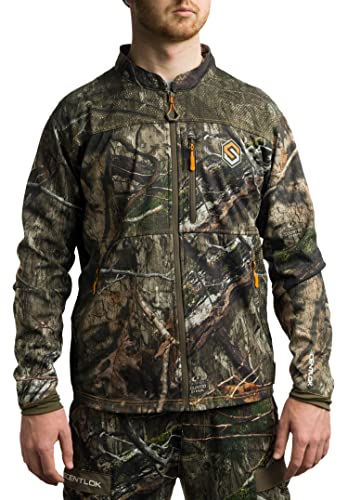
ScentLok Savanna Fuse Lightweight Camo Jacket

Guide Gear Steadfast 4-in-1 Hunting Parka

Realtree Hunting Camo Cargo Pants

Realtree Long Sleeve Camo Hunting Shirt

Beretta B-Xtreme GTX Hunting Jacket

Realtree Camo Hunting Jacket
Meet The Standout Selections
The Daybreak leans into the softshell side of the spectrum, which makes it a natural partner for hunters who walk more than they sit. Where the Banded Atchafalaya in slot three locks you into a still position, this Beretta breathes while you glass and climbs well when the ridge gets steep.
For a softshell jacket, the cut should move with you, and that’s the strength here. You get a quiet outer face that won’t spook a buck at twenty yards, plus enough stretch to throw a follow-through without the jacket binding at the shoulders. It sits in that midweight sweet spot for mid-season deer.
What Works In Its Favor
- Quiet fabric that won’t echo off brush when you draw your bow
- Breathable softshell construction cuts down on sweat during long hikes
- Stretch panels allow free shoulder rotation for rifle mount
- Light enough to wear alone in cool weather, roomy enough to layer under
- Packs small in a daypack when the temperature climbs
Worth Noting
- Softshell fabric sheds light moisture but isn’t fully waterproof in steady rain
- Lighter insulation means you’ll want a base layer underneath for late-season sits
Made For
Ridge walkers and spot-and-stalk hunters who keep moving and want a quiet, mobile layer through mid-fall conditions.
Look Elsewhere When
Snowy tree-stand hunters who sit motionless for hours should reach for the Guide Gear Steadfast 4-in-1 Hunting Parka instead.
If you’ve been drenched in a coastal Sitka spruce forest, you know why a true waterproof layer matters. The Covey 2L uses a two-layer waterproof membrane (a bonded fabric system that blocks rain while letting interior vapor escape) paired with a mesh liner, which sets it apart from the softshell in pick one when weather turns nasty.
Where the Daybreak sacrifices weather protection for breathability, the Covey trades a touch of airiness for staying dry on a six-hour sit. The membrane keeps rain out while the mesh lining helps moisture vapor move through, so you don’t end up soaked from the inside out.
Everyday Advantages
- Full waterproof construction handles prolonged rain and sleet
- Breathable membrane keeps sweat from pooling during active stalks
- Mesh lining improves airflow against your base layer
- Built for variable weather, useful in shoulder seasons
Trade-Offs
- Stiffer outer face can feel less mobile than a pure softshell
- No insulation, so you’ll want fleece underneath once temperatures drop
- Requires occasional reproofing of the DWR (durable water repellent) finish to keep beading performance sharp over time
Perfect Match For
Hunters chasing eastern whitetails through coastal rain, Pacific Northwest drainages, or any swamp where showers roll in mid-morning.
Consider Something Else When
Late-season hunters facing sub-freezing mornings should pair the ScentLok Savanna Fuse Lightweight Camo Jacket underneath for added warmth.
The Atchafalaya isn’t a shell, it’s a warmer, and that’s exactly the point. Coral fleece (a fluffy, high-pile interior fabric that traps body heat against your skin) lines the inside, while a weather-resistant stealth-shell face keeps light wind from cutting through. Mossy Oak Bottomland camo blends well into southern marsh and flooded-timber scenes.
Compared to the Beretta Covey 2L Field Jacket that handles rain, this pullover focuses on heat retention. Pull it on at the truck, leave it on during the climb, and you’ve still got insulation when you settle into the stand.
Reasons It Performs
- Coral fleece lining holds warmth against your core during still sits
- Hooded design adds neck and head coverage without a separate beanie
- Wind-resistant outer blocks the chill that seeps through still air
- Kangaroo pocket doubles as a hand warmer between shooting windows
Points To Keep In Mind
- Not waterproof, so a shell over the top is needed in real rain
- Coral fleece can mat down over years of compression in a storage bag
Best Suited To
Stand hunters, swamp sloggers, and cold-climate whitetail fans who run warm but hate a stiff neck from morning wind.
A Better Fit Elsewhere
Hunters needing true waterproofing for an all-day coastal rainstorm should consider the Beretta Covey 2L Field Jacket instead.
Pressure hunting on big public-land bucks demands a different playbook, and scent control is half the battle. ScentLok built its reputation on carbon-based odor adsorption, and the Savanna Fuse brings that technology into a lighter package built for early-season warmth rather than full winter conditions.
For a lightweight jacket, the trick is staying quiet without cooking yourself, and the Savanna Fuse targets that middle ground. It runs lighter than the Banded Atchafalaya and trades the deep fleece pile for thinner insulation, which matters when you’re hiking a mile to your setup before dawn.
A Strong Showing
- Scent-control technology helps neutralize human odor on close-approach bucks
- Lightweight build reduces fatigue on long walks to remote stands
- Packable construction fits in a daypack as a backup layer
- Camouflage pattern suits open-grass and oak-savanna terrain
Small Caveats
- Scent-control linings degrade with frequent washing if you skip the reactivator dryer sheets
- Lightweight design means it won’t cut it as a standalone piece below freezing
Who It Suits Best
Early-season hunters who chase pressured public-land deer and want every edge on scent before a deer closes the gap.
Skip It When
Late-season hunters in single-digit temperatures will find more warmth in the Guide Gear Steadfast 4-in-1 Hunting Parka.
When the forecast dips into single digits and you’ve got a six-hour sit ahead, modularity beats everything. The Steadfast pairs a waterproof shell with a Thinsulate-insulated liner, which is a synthetic microfiber insulation that traps heat while staying relatively thin and lightweight. You can wear the liner alone, the shell alone, both snapped together, or as a full parka depending on what the morning throws at you.
Compared to the Realtree Camo Hunting Jacket further down the list, this parka is bulkier but far more weather-capable. Trade some packability for the ability to handle a wet, twenty-degree morning without bundling up at the truck.
Advantages To Know
- 4-in-1 modular design adapts across fall, winter, and early spring hunts
- 150-gram Thinsulate insulation delivers warmth without excessive bulk
- Water-resistant outer shell adds rain protection for wet snow
- Built for serious cold-weather whitetail and big-game hunting
Practical Considerations
- Bulkier cut limits mobility for spot-and-stalk hunters
- Heavier than the other picks on this list when fully assembled
- More layers mean more zippers and snaps to fuss with in cold fingers
Right Fit For
Late-season whitetail and mule deer hunters who freeze through long sits and want one jacket that covers every weather shift.
Reach For A Different Pick When
Active hunters covering miles of ground will find the Beretta Daybreak Softshell Jacket a more mobile alternative.
The top half of your whitetail kit gets most of the attention, but cold legs end a hunt fast. These Realtree camo cargos round out a layering system by handling the bottom half with stretch cotton and a slim cut that moves with you when you’re crouched behind a shooting stick.
For a camo pant, six pockets is generous and the stretch cotton helps when you’re kneeling on a hillside for an hour. Pair these with the Realtree Camo Hunting Jacket for a matched head-to-toe setup, or mix them with the Beretta B-Xtreme GTX Hunting Jacket when the weather demands more.
The Value In It
- Stretch cotton fabric bends with you during kneeling and climbing
- Six functional pockets handle calls, tags, and small gear
- Slim fit avoids the bunched-cuff look over boots
- Reinforced construction stands up to rough ground cover
Where It May Fall Short
- No insulation, so cold-weather hunters need long underwear underneath
- Cotton blend holds moisture longer than synthetic pants in steady rain
Whose Shelf It Belongs On
Hunters building a head-to-toe camo system who want one pant that handles three-season use without specialized cuts.
Not Your Match When
Deep-winter hunters standing in snow drifts will want an insulated pant layered beneath the Guide Gear Steadfast 4-in-1 Hunting Parka.
Early September sits can burn exposed skin before you realize what’s happening. UPF 50+ (Ultraviolet Protection Factor, a rating that blocks 98 percent of UV radiation) buys you real shade coverage, and the lightweight breathable weave keeps you from overheating when the morning humidity climbs.
Unlike the Banded Atchafalaya that traps warmth, this shirt pulls heat and moisture away from your skin. It functions as a standalone piece on warm early-season mornings or as the foundation under any of the jackets above.
The Helpful Details
- UPF 50+ sun protection guards neck and arms during long glassing sessions
- Lightweight breathable fabric handles warm early-season weather
- Button-down styling works as a stand-alone top or base layer
- Camo pattern helps break up your silhouette at longer ranges
A Few Limitations
- No insulation means it’s wrong for cold mornings without layering
- Light color interior shows sweat during high-output hiking
Built With In Mind
Early-season bowhunters scouting and stalking in open terrain who need sun protection and breathability more than warmth.
Another Choice May Suit
Hunters heading into late November should swap this for the Banded Gear Atchafalaya Hoodie Pullover as their base layer.
Beretta positions the B-Xtreme GTX as a high-output mountain hunting shell, and the GTX badge (Gore-Tex, a waterproof membrane that vents interior moisture through microscopic pores) tells you exactly what to expect. Compared to the Beretta Covey 2L Field Jacket, this layer leans toward alpine use where you’re working hard between glassing points.
For a high-output jacket, the build balances weatherproofing with breathability so you don’t end up soaked from the inside after climbing a ridge. Premium construction shows up in reinforced shoulders and a cut that doesn’t ride up when you raise your binocular strap.
Practical Advantages
- Gore-Tex membrane offers proven waterproof and breathable performance
- Alpine-oriented cut layers cleanly over insulation
- Reinforced shoulders handle pack straps without wear-through
- Built for high-output mountain hunting where breathability matters
Honest Caveats
- Premium tier commands a higher investment than the rest of the lineup
- Alpine cut runs longer in the torso than traditional whitetail fits
- Lighter interior means you need insulation underneath in cold temps
Who Should Grab It
Backcountry deer hunters covering elevation on multi-day trips who need a weatherproof shell that breathes on the climb.
Swap It Out When
Stand hunters in fixed locations will get more value from the Realtree Camo Hunting Jacket with its built-in fleece.
The Realtree rounds out the list as the kind of jacket most whitetail hunters actually use on a typical November morning. Windproof face fabric blocks the breeze that finds every gap in a layered system, while the fleece lining holds enough warmth for cool-to-cold sits without a second insulating layer underneath.
YKK zippers (a Japanese brand recognized as an industry standard for durable, snag-resistant zipper hardware) are a small detail that pays off over a decade of use. Compare this to the Guide Gear Steadfast 4-in-1 Hunting Parka, which handles deeper cold but costs more bulk and complexity.
What Earns Its Place
- Windproof outer blocks the breeze that cuts through still hunters
- Fleece lining provides enough warmth for cool mid-season sits
- YKK zippers resist snags and breakage over years of field use
- Water-resistant finish handles light precipitation and morning dew
- Versatile enough for most whitetail situations outside the deep freeze
Some Limits To Know
- Water-resistant finish will soak through in a steady downpour
- Single-layer fleece isn’t enough for sub-freezing stand sits
- Realtree patterns excel in wooded terrain but stand out in open snow fields
The Right Fit
Mid-season whitetail hunters who want a versatile jacket that handles wind and cool mornings without going overboard.
Where A Sibling Pick Shines
Hunters facing genuinely bitter cold and deep snow will want the Guide Gear Steadfast 4-in-1 Hunting Parka for its layered warmth.
Field-Tested Factors For Picking Deer Hunting Coats
Climate and hunting style drive more decisions than brand name. A spot-and-stalk hunter covering ridges in October needs mobility and breathability, while a still hunter in a December tree stand needs insulation and weather protection above all else. Match the jacket to the scenario you actually hunt, not the scenario you imagine.
Layering compatibility matters as much as the jacket itself. A coat that fits over a base layer and a mid-weight fleece gives you year-round flexibility, while a snug-fitting piece forces you to choose between mobility and warmth. Think about the layers you’ll wear underneath and check pit-to-pit and sleeve measurements before you commit.
Camouflage pattern and concealment should match your terrain. Realtree patterns excel in deciduous woods, while open-country hunters may prefer a more muted approach. Scent-control technology helps where pressured deer live, but it adds cost and care requirements, so weigh whether your hunting area actually demands it.
Durability and care shape long-term ownership. Reinforced shoulders handle pack straps, YKK zippers outlast cheaper alternatives, and DWR finishes need periodic refreshing to keep beading performance. Factor in maintenance time when comparing jackets, since the cheapest piece isn’t the lowest-cost option if it falls apart in three seasons.
Practical Wisdom From The Coat Drawer
Wrong Turns To Avoid
Buying the warmest jacket when you actually hunt in mild fall weather leaves you sweating on every approach. Match insulation weight to your typical sit temperature, not the worst-case day you might encounter. Layering a lighter shell over a fleece usually beats one heavy parka for versatility.
Where The Extra Money Goes
Premium shells like the Beretta B-Xtreme GTX Hunting Jacket earn their price through Gore-Tex membranes, tougher face fabrics, and better-patterned cuts that don’t bunch under pack straps. The upgrade pays off for hunters who log serious miles or face genuinely harsh weather, but weekend hunters in mild climates often won’t notice the difference.
Frequently Asked Questions
How do I pick the right size for a hunting coat? Plan for the layers you’ll wear underneath. Try the jacket on over your typical mid-layer, and check that you can raise your arms fully without the hem riding up. A coat that fits a t-shirt perfectly will be too snug over a fleece in November.
Do I need a scent-control jacket for whitetails? Pressure on public land and educated bucks makes scent control helpful, but it isn’t mandatory. ScentLok Savanna Fuse Lightweight Camo Jacket and similar pieces help on heavily hunted ground, while private-land hunters with low pressure often manage with scent-free routines.
Can one jacket handle all deer hunting seasons? Modular systems like the Guide Gear Steadfast 4-in-1 Hunting Parka come closest, separating the shell from the liner so you can adjust as temperatures shift. Most hunters end up owning a mid-season jacket and a late-season parka to cover the full calendar.
How do I care for waterproof membranes? Wash with a technical cleaner, skip fabric softener, and tumble dry on low heat to reactivate the DWR finish. Reproof with a spray-on or wash-in treatment once beading stops forming water droplets, typically once a season.
What’s the difference between waterproof and water-resistant? Waterproof means the jacket carries a membrane or laminate that keeps water out under pressure, while water-resistant only sheds light moisture thanks to a DWR coating. For rainy hunts, look for waterproof constructions like the Beretta Covey 2L Field Jacket or any Gore-Tex piece.