
A still-blind at dawn, a frozen tree stand, three hours into a whitetail sit: your feet decide whether the hunt is enjoyable or miserable. The picks below balance insulation, waterproofing, and traction for cold-weather hunting, covering full rubber pull-on boots for deep cold and heavyweight wool socks that go in your current boot setup.
A Closer Look At The Lineup

Heat Equation Alpaca Crew Socks (Heavyweight Thermal, Multi-Pack)
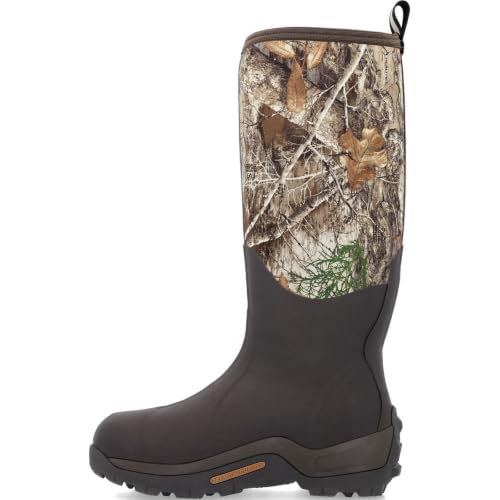
MUCK Woody Max Rubber Hunting Boot (Mossy Oak Break-Up Country)

Heat Equation Alpaca Boot Socks (Heavyweight Thermal, Tall Crew)

LaCrosse Alphaburly Pro 18″ Insulated Hunting Boot (400G Thinsulate)
Inside Each Recommended Option
If your winter boots already work but your toes still go numb by the second hour, the answer is usually what you put under them, not the boot itself. The Heat Equation Heavyweight Thermal alpaca sock is the kind of base-layer upgrade that turns a tolerable morning into a long, comfortable sit.
Alpaca fibers handle moisture differently than cotton, wicking it off the skin so your feet don’t get clammy and then cold. The heavyweight knit and crew-height cuff fit inside most lace-up hunting boots without bunching, and the multi-pack lets you rotate pairs through a season without daily washing.
The Good Stuff
- Heavyweight alpaca knit traps warmth even when your feet are sitting still in a tree stand.
- Moisture-wicking performance keeps sweat from building up and chilling you later in the day.
- Multi-pack value means you can rotate pairs across long weekends and wet hunts.
- Neutral black, dark gray, and army green colors stay quiet and don’t clash with camo.
- Crew cut fits cleanly inside most mid-height hunting boots without folding at the ankle.
Things To Consider
- Heavyweight socks need a half-size boot adjustment for some wearers; you may find a snugger fit in your usual size.
- Alpaca fibers dry slower than synthetic blends if you accidentally soak them crossing a creek.
Who It Suits Best
Hunters who already own solid boots but want to push them into colder weather with a proper sock liner.
Consider Something Else When
If you wear tall pac or rubber boots, the Heat Equation Alpaca Boot Socks pick higher in the list sit higher on the calf and stay put better.
The Muck Woody Max has earned its reputation on late-season whitetail sits and snow-line mornings where the thermometer drops well below zero. It uses a thick neoprene body with a fleece lining for warmth, sealed by a stretch-fit topline that keeps cold air and debris out of the upper boot.
Compared to the Heat Equation sock pick above, this is the full-boot option for hunters who need serious waterproofing and insulation in one piece. The Mossy Oak Break-Up Country camo pattern also blends into typical fall and winter cover better than plain black rubber, which is a small detail that helps when you’re stepping out of a blind.
Useful Touches
- Fleece lining adds noticeable warmth for static sits in sub-freezing weather.
- Stretch-fit topline hugs the calf and keeps snow, slush, and cold air from sneaking in.
- High-grade rubber shell handles water crossings and muddy bottomland without leaking.
- Camo pattern breaks up your silhouette against winter hardwoods and field edges.
Trade Offs
- Pull-on rubber boots require a break-in period and don’t adjust for swelling feet over a long day.
- All-rubber construction runs warmer in early-season temperatures, so you’ll want to size sock weight accordingly.
Feature Snapshot
Right Fit For
Whitetail hunters in snowy or wet climates who want a pull-on boot they can trust in deep cold.
A Better Fit Elsewhere
If you walk long distances and need lighter, more agile footing, the LaCrosse Alphaburly Pro reviewed below is the more mobile pick.
The Heat Equation boot sock is essentially the taller sibling of the crew sock reviewed earlier, built specifically to pair with rubber pac boots and tall winter hunting footwear. The taller cuff keeps skin covered up to mid-calf, which matters once you start wearing full neoprene boots that reach higher up the leg.
Alpaca’s natural hollow-core fibers give this sock a high warmth-to-weight ratio, and the heavyweight knit still breathes enough to avoid the swampy feel some insulated socks leave behind. Think of it as the missing layer between your skin and the rubber shell.
The Case For It
- Taller cuff pairs cleanly with 15-to-18 inch pac boots without exposing skin to the rubber.
- Heavyweight alpaca knit delivers serious insulation for sub-freezing mornings.
- Moisture-wicking fibers pull sweat away during active approaches and stays warm during sits.
Small Caveats
- The tall knit can feel bulky inside narrower lace-up hunting boots, where the crew-height Heat Equation sock fits more comfortably.
- Specialty wool blend requires gentler washing than standard cotton socks.
Made For
Hunters running tall rubber or neoprene pac boots who want a matching tall sock instead of a layering hack.
Skip It When
If your hunting boots stop below the ankle, the Heat Equation Heavyweight Crew sock covered earlier in the list is the cleaner fit.
Where the Muck Woody Max leans toward pure cold-weather bulk, the LaCrosse Alphaburly Pro is built for hunters who actually move. The 18-inch shaft and 400-gram Thinsulate Ultra insulation keep feet warm without the marshmallow feel of heavier pull-ons, and the natural rubber over neoprene construction stays scent-quiet in the woods.
The Active Fit design keeps your heel locked down on uneven ground, which matters when you’re stalking ridgelines or stepping through oak flats at first light. Compared to the Muck pick above, this one trades a bit of peak cold-weather cushioning for noticeably better agility on long approaches.
Useful Highlights
- 400G Thinsulate Ultra balances warmth and mobility for active late-season hunters.
- Natural rubber exterior adds waterproofing and resists abrasion in rocky terrain.
- EVA footbed cushions long walks to and from your hunting spot.
- Active Fit locks the heel to reduce blisters during side-hill approaches.
- Tall 18-inch shaft sheds snow and water crossings.
- Aggressive tread pattern grips mud, slush, and frozen ruts.
Honest Caveats
- Less internal fleece than the Muck Woody Max, so it may run cooler in extreme sub-zero static sits.
- Rubber over neoprene can take longer to dry inside if water pools above the boot line.
Perfect Match For
Hunters covering real distance on each outing who still need a waterproof, insulated boot for cold ground.
Look Elsewhere When
If your hunting style is mostly sit-and-wait in deep cold, the Muck Woody Max reviewed higher in the list is the warmer static pick.
Choosing the Right Setup for Cold Weather Hunts
Getting winter boots right is less about buying the warmest thing on the shelf and more about matching insulation, waterproofing, and mobility to how you actually hunt. A still hunter on a frozen ridge in Wisconsin needs different gear than a roving spot-and-stalk hunter in a milder southern climate, and that gap shapes every choice below.
Insulation That Matches Your Sit Time
Insulation numbers only tell part of the story. Thinsulate and similar synthetics (thin, fibrous insulation layers that trap warm air) keep their loft when dry, so 400 grams of Thinsulate paired with a moisture-wicking sock outperforms a higher gram rating over a sweat-soaked cotton base. If your hunts include quiet two-hour sits, the Muck Woody Max and LaCrosse Alphaburly Pro both deliver steady warmth. For hunters who hike a half mile before settling in, the Alphaburly Pro’s lighter, more breathable construction is usually the better match.
Waterproofing and Tread Patterns
A truly waterproof boot starts with the rubber or neoprene shell, not just the seams. Both rubber pull-ons on this list use full waterproof construction, but tread patterns matter once you’re off the truck. Aggressive multi-directional lugs grip frozen ruts, while wider-spaced lugs shed mud better. Inspecting the outsole before your season starts saves you from slipping on a creek crossing.
The Sock Layer Most Hunters Overlook
Cold feet in a good boot usually trace back to the sock, not the boot itself. The two Heat Equation alpaca options on this list fill different gaps: the crew sock works with mid-height lace-ups, and the tall boot sock matches 15-to-18 inch rubber boots. Heavyweight alpaca wicks moisture better than cotton, which is the real reason feet stay warm longer. If you already own decent boots but still get cold feet, swapping sock systems is often the most cost-effective winter upgrade you can make.
Sizing for Cold-Weather Layering
Heavyweight socks take up more boot volume than summer socks, so plan for a half-size up when you order rubber pull-ons. A common mistake is wearing thin socks in a boot that’s slightly too large; the cold air gap inside the boot drains heat fast. Tight lacing or a snug Active Fit design keeps the foot stable and prevents rubbing during long hikes.
Smart Choices Across the Lineup
Where Shoppers Go Wrong
The biggest winter boot mistake is buying based on insulation grams alone. A 1,200-gram boot sounds warmer, but if it traps sweat against your skin, your feet will feel colder by mid-hunt than in a lighter, breathable build. The smarter move is matching boot warmth to your activity level and pairing the boot with a proper wool or alpaca sock that handles perspiration. Another common trap is ignoring outsole design: aggressive lugs meant for soft mud become slick on hard-packed snow and ice, so a versatile tread is usually the safer all-around pick.
Where The Extra Money Goes
Higher-tier winter hunting boots typically invest in three places: better rubber compounds that resist cracking after repeated freeze-thaw cycles, more sophisticated footbeds that actually support long approaches, and refined fit systems that lock the heel during side-hill movement. The LaCrosse Alphaburly Pro’s Active Fit is a good example of a feature that costs more up front but solves a real-world problem. You pay for materials that hold up over multiple seasons rather than a single winter, which matters if you hunt hard from late fall through early spring.
Frequently Asked Questions
What insulation rating is best for winter hunting boots?
For most cold-weather hunting in the lower 48, 400 grams of Thinsulate or equivalent handles typical morning sits above zero. For deep-cold static hunting below zero, a fully fleece-lined boot like the Muck Woody Max usually outperforms a high-gram synthetic boot, especially over long periods of inactivity.
Are rubber hunting boots better than leather for winter?
Rubber and neoprene pull-ons win on waterproofing and are easier to rinse clean after muddy hunts, which is why they’re popular for wet and snowy ground. Leather breathes better and breaks in around your foot, but it needs more care to stay waterproof over multiple seasons.
Can you wear the same socks in any hunting boot?
Not always. Tall rubber boots need tall socks so skin doesn’t rub against the rubber topline, while mid-height boots fit crew socks more comfortably. The Heat Equation crew sock and boot sock in this list solve those two situations specifically.
How should winter hunting boots fit?
You want enough room to wiggle your toes without the boot sliding on your heel. Plan for a half-size up when adding heavyweight socks, and lace pull-on rubber boots loosely enough that blood keeps circulating through your calves during long sits.
Do you need to break in rubber hunting boots?
Yes, though it’s gentler than leather. Wear your rubber boots around the house with thick socks for a few hours before a hunt so the neoprene relaxes around your calves and your foot settles into the footbed.