
Wet mornings, long stalks, and uneven ground all punish your feet the same way. The right pair of hunting boots for women keeps you dry, steady, and focused when the weather turns or the miles stretch past your truck. This lineup covers rubber pull-ons, tall garden-style boots, insulated neoprene work boots, a hiking hybrid, and one rain shell that rounds out a layered system, so you can match your boot to your terrain and season.
The Shortlist At A Glance

Aigle Course 2 Vario, Unisex Hunting Boots

Trudave Rubber Boots for Women with Steel Shank

HISEA Women’s Mud Rain Boots
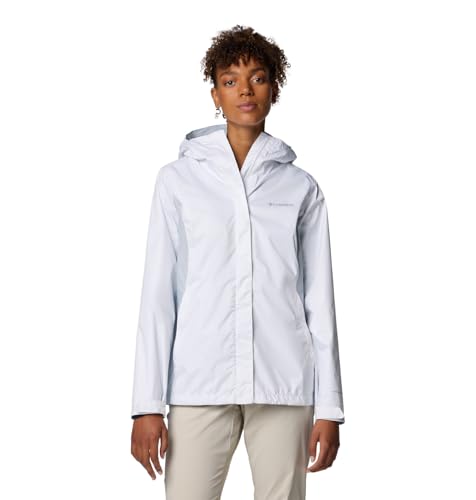
Columbia Women’s Arcadia II Jacket

Columbia Women’s Newton Ridge Plus Waterproof

WOVENPAK Rubber Boots for Women with Steel Shank

Wovenpak Extra Wide Rubber Boots for Women
A Deeper Look At The Lineup
Aigle’s Course 2 Vario lands at the top of this list because of how its hand-laid rubber upper flexes with your ankle over uneven ground. The unisex cut runs larger than typical women’s footwear, so most shoppers need to size down a half to a full step for a snugger fit. Compared with the steel-shank neoprene boots below, this one trades reinforcement for a lighter stride, which matters on long walk-ins.
If you hunt marshy edges or wet lowland brush, the waterproof rubber shell handles standing water and thorny undergrowth without complaint. The brand’s heritage in French workwear shows in the dense rubber compound, which tends to outlast cheaper molded boots over multiple seasons of heavy use.
Good Reasons To Consider
- Hand-built rubber upper resists cracking in freezing and thawing cycles, extending service life for frequent hunters.
- Lighter than the neoprene work boots later in this list, reducing fatigue on long walk-ins across open terrain.
- Smooth rubber cleans up fast with a hose, which matters after a muddy morning in swampy cover.
- Tall unisex cut keeps ticks, briars, and standing water well away from the calf.
Things To Consider
- Limited insulation, so early-season frost mornings may feel colder than in the Trudave or WOVENPAK neoprene pairs.
- Unisex sizing means wider feet fit best; standard women’s widths can feel loose in the heel.
- Rugged rubber soles can scuff finished floors inside cabins or barns.
Who It Suits Best
Walk-in hunters chasing warm-season game in wet lowlands or marshy timber who want a lighter rubber boot.
Where Another Pick Suits Better
The Trudave Rubber Boots with Steel Shank suit you more if you regularly face rocky terrain or need more arch support under heavy loads.
The Trudave pulls on with a mid-calf profile and a 6mm neoprene lining that holds warmth against cold water and frosty mornings. A steel shank runs through the arch, meaning the boot keeps its shape when you cross rocky creek beds or climb over a fence. Versus the Aigle Course 2 Vario, this one trades weight for structural support and a women-specific fit that feels closer to true women’s sizing.
You may find these versatile enough to wear from the treestand to the chicken coop, which is the heart of their appeal for landowners who do both. The boot sits in the Clothing, Shoes & Jewelry category on the listing, with availability across sizes 5 to 11 for a wider range of fits.
Where It Excels
- Steel shank protects the arch from sharp rocks and reduces foot fatigue when climbing steep ridges or working cattle.
- 6mm neoprene insulation keeps feet warm during late-season sits on cold ground.
- Women-specific last fits a wider range of calves and insteps than unisex boots.
- Multi-purpose build handles hunting, farm chores, and garden mucking in a single pair.
Points To Note
- Heavier than non-shanked boots, which may tire you out on long walk-ins to remote stands.
- Neoprene lining can hold moisture if water enters at the top, requiring extra drying time after use.
- Stiff outsole flexes less during the break-in window than the lighter Aigle rubber boot.
Key Specs
Right Fit For
Late-season hunters and farm owners who need a shanked, insulated boot for rocky or cold terrain.
Reach For A Different Pick When
Pick the HISEA Women’s Mud Rain Boots if you want a lighter pull-on for short trips around the backyard or garden without the steel shank weight.
HISEA’s tall garden rain boot steps in as the lighter, friendlier option for hunters who cover short distances and want an affordable pull-on. The waterproof rubber shell handles damp ground, dewy grass, and post-rain stalks without leaking, and the tall shaft reaches further up the calf than most casual rain boots. Compared with the steel-shanked Trudave above, HISEA skips the shank for a softer, more flexible stride.
This pair is the entry-level answer for casual hunting on small properties, lease plots, and food-plot scouting. Owners commonly report it as a comfortable everyday boot for barn chores and dog walks when the lawn is soggy.
The Good Stuff
- Lightweight rubber reduces shin fatigue during repeated short stalks in the morning chill.
- Waterproof construction keeps feet dry through wet grass, mud, and shallow puddles.
- Flexible sole feels closer to a casual shoe than to a heavy work boot.
- Easy pull-on design means no breaking in and quick on-and-off at the truck.
Honest Caveats
- No shank means rocky trails can press hard on the arch over long days.
- Minimal insulation, so cold-weather sits call for thicker socks or a step up to neoprene.
- Basic outsole lugs can wear smoother than premium rubber on abrasive surfaces.
Whose Shelf It Belongs On
New hunters, lease-plot regulars, and homeowners wanting one boot to handle wet chores and short scouting walks.
A Better Fit Elsewhere
Reach for the WOVENPAK Rubber Boots with Steel Shank if your routes involve longer distances or rougher terrain that demands more arch support.
The Columbia Arcadia II Jacket earns its slot because no boot list is complete without a waterproof shell to wear over your layers on a wet sit. The jacket uses a 100 percent nylon face fabric with a waterproof-breathable membrane, which sheds rain without trapping sweat during long stalks. Pairs of rubber boots and a breathable shell cover the two main weather risks in early fall.
Think of this pick as the second half of a wet-weather kit, the part that keeps rain from running down your neck and soaking the base layers under your insulated boot socks. Versus the dedicated boots in this roundup, the Arcadia II handles the upper body so your feet stay focused on the trail.
Where It Helps
- Waterproof nylon shell sheds steady rain, sleet, and wet snow during long sits.
- Adjustable hood and cuffs let you seal out gusts without bulky extra layers.
- Lightweight build packs into a daypack, saving space for snacks and gear.
- Pair with rubber boots from earlier in this list for a full wet-weather system.
A Few Limitations
- Lightweight shell fabric can snag on thorny brush, so caution helps on dense edges.
- Less insulating than a heavier parka, so cold mornings call for a fleece underneath.
- Breathable membranes need occasional cleaning to keep moisture vapor moving.
Feature Snapshot
Made For
Hunters and outdoorswomen who already own a solid pair of boots but need a breathable rain layer for the upper body.
Skip It When
Pick the Columbia Newton Ridge Plus Waterproof boots instead if you want a single boot-hiker that handles dry trail miles without committing to a separate jacket.
The Newton Ridge Plus blurs the line between hiking boot and hunting boot, which makes it the most versatile pick on this list for hunters who walk long distances to reach their stands. Built in the hiking and trekking category, this boot uses a mid-cut ankle shaft, supportive midsole, and waterproof construction that keeps your feet dry through creek crossings and morning dew. Compare that to the rubber pull-ons earlier, which excel in wet marsh but lack ankle support on uneven slopes.
This is a boot for the spot-and-stalk hunter who logs miles before settling in, not for the still-hunter who sits in a permanent box blind.
Strengths Worth Knowing
- Mid-cut ankle support helps on uneven terrain and reduces roll-overs during long approaches.
- Waterproof membrane handles wet grass, shallow puddles, and damp leaf litter.
- Hiker-style outsole grips loose dirt and rocky trails better than smooth rubber soles.
- Lighter feel than rubber work boots, cutting fatigue on long morning walks.
Trade Offs
- Less insulation than neoprene pull-ons, so deep cold mornings call for heavier socks.
- Taller profile can feel warm during early-season stalks in mild weather.
- Fabric upper dries slower than rubber if submerged in standing water.
Technical Highlights
Best Suited To
Walk-in hunters covering miles of trail to reach their hunting spot on dry or damp terrain.
Another Choice May Suit
Reach for the Trudave Rubber Boots with Steel Shank when your routes cross bogs, creeks, or snow where fabric boots would soak through.
WOVENPAK’s hunting and farming boot lands in the middle of this list because it threads the needle between work-boot toughness and warm-weather flexibility. The steel shank supports the arch over uneven ground, and the neoprene lining adds insulation without going full winter-weight. Owners commonly report it as a go-to boot for hunting, gardening, and farm chores across more seasons than lighter pull-ons.
Versus the Trudave above, the WOVENPAK takes a similar construction and tunes it for slightly milder temperatures and shorter stalks. The boot lists in the Women’s Hunting Boots & Shoes category and fits women’s sizes 6 through 11.
What Helps Most
- Steel shank stabilizes the arch during long hours working in fields or hauling gear.
- Neoprene lining adds moderate insulation for cool mornings without overheating in summer.
- Multi-purpose build covers hunting, farming, and gardening in one boot.
- Women-specific sizing runs truer to standard widths than unisex options.
Some Limits To Know
- Heavier than non-shanked boots, which can wear on you during very long approaches.
- Tall shaft may feel stiff around the back of the knee during repeated bending.
- Rugged sole tracks mud indoors, so expect a boot tray near the door.
Who Will Love This
Landowners and multi-use hunters who want one boot for hunting, gardening, and farm tasks across most of the year.
Look Elsewhere When
Pick the Wovenpak Extra Wide Rubber Boots below if you have a wider calf or foot and the standard shaft feels too snug.
The Extra Wide version of the Wovenpak solves the most common complaint about hunting pull-ons: a shaft that pinches wide calves or a toe box that crowds broad feet. This boot uses the same steel shank and 6mm neoprene build as the standard WOVENPAK above, but widens the calf opening and footbed for a relaxed fit. If you have ever pulled off a boot at lunch to find red marks around your ankle, the extra-wide cut addresses that exact frustration.
You may find the looser fit a plus for layering thick wool socks in deep winter, and a small drawback in summer when feet need a snugger hold.
Useful Touches
- Extra-wide shaft fits comfortably over thick socks and around larger calves.
- Steel shank and 6mm neoprene carry the same support as the standard WOVENPAK.
- Roomy toe box reduces pinch on broad feet during long days outdoors.
- Anti-slip outsole pattern helps on slick creek rocks and wet ladder rungs.
Possible Compromises
- Looser fit can feel sloppy in summer or on narrow heels without a thick sock.
- Heavier rubber construction requires more effort on long walk-ins.
- Wider shaft lets more debris fall inside, so gaiters help on dusty or sandy ground.
Spec Overview
Perfect Match For
Hunters with wide feet, muscular calves, or anyone who plans to layer thick wool socks in cold weather.
Swap It Out When
Choose the HISEA Women’s Mud Rain Boots if you have a standard-width foot and want a lighter, easier pull-on without the wide-shaft fit.
What To Weigh Before Choosing Hunting Boots For Women
Match The Boot To The Terrain
Rubber pull-ons like the Aigle Course 2 Vario and the HISEA rain boot excel in wet marsh and lowland brush where water runs freely. For rocky ridges or creek crossings, a steel-shanked neoprene boot such as the Trudave or WOVENPAK protects the arch and holds warmth. If your hunting style involves long walks, a hybrid hiker like the Columbia Newton Ridge Plus Waterproof balances support with stride efficiency.
Insulation Versus Breathability
6mm neoprene adds noticeable warmth but can feel clammy in mild weather. Unlined rubber boots breathe a little better in summer but leave your feet cold in late-season frost. Plan to layer socks smartly, since a thinner wool sock under a heavier insulated boot keeps moisture moving better than a thick cotton pair.
Fit Beyond The Label
Women’s boots fit differently across brands, especially between unisex and women-specific lasts. If your calf is wider than standard, the Wovenpak Extra Wide model reduces the squeeze around the leg. Always check shaft height, toe-box width, and shank type before committing, since these attributes shape comfort more than the listed size.
Build A Layered System
A complete wet-weather kit pairs rubber boots with a waterproof shell, and the Columbia Arcadia II Jacket covers that half. Treating boots and outerwear as a system, instead of separate purchases, helps you match gear to your typical hunting weather rather than chasing a single do-it-all piece.
Key Considerations Across These Picks
Pitfalls Shoppers Hit
A common slip-up is choosing a boot by insulation thickness alone. Thick neoprene feels great in January but turns your feet into a sweat lodge in October. Another misstep is ignoring shaft height: short shafts let water and brush in at the ankle, while overly tall shafts restrict bending during crouching stalks. Skipping a quick check of sole lug depth also costs you, since shallow treads slip on slick mud and wet leaves.
Where The Extra Money Goes
Premium rubber boots use higher-density compounds that resist cuts and cracking over multiple seasons. Steel shanks, women-specific lasts, and bonded neoprene linings also add cost, but each one addresses a real-world pain point: arch fatigue, poor fit, and cold feet. If you hunt fewer than a handful of days per year, a budget pull-on delivers most of the value; serious hunters recoup the upgrade through longer service life and steadier footing on hard terrain.
Frequently Asked Questions
What makes a boot specifically a hunting boot versus a regular rain boot?
Hunting boots typically add reinforcement like steel shanks, deeper lugs, and taller shafts that protect against brush, snakes, and rough terrain. A regular rain boot focuses only on keeping feet dry during short walks on flat ground.
How should hunting boots for women fit when worn with thick socks?
You want about a thumb’s width of space at the toe, with the heel locked in place and no slipping at the ankle. Extra-wide options like the Wovenpak Extra Wide give your calf and foot more room when layering wool socks.
Are rubber pull-ons warmer than fabric hunting boots?
Not always. A neoprene-lined rubber boot holds warmth well in cold water, but a quality hiking boot with the right socks breathes better and stays comfortable across a wider range of temperatures.
How do you clean and store hunting boots after a wet hunt?
Rinse off mud with a hose, pull out the insoles, and let boots air-dry upright in a ventilated space away from direct heat. Storing them with liners out prevents mildew and extends the life of rubber and neoprene.
Can one pair of boots cover most hunting seasons?
In mild climates, a 6mm neoprene boot with a steel shank handles most early and late-season days. For deep winter hunts, layering a quality sock system or stepping up to a heavier insulated boot keeps feet functional through long, cold sits.