
Dialing in a layering system matters more than picking a single jacket. Long sits, glassing sessions, and wet treks punish anyone who treats insulation like an afterthought. The right combo manages moisture, traps heat, and lets you shed or add pieces as the morning warms. Below, nine pieces cover the full stack, from base to shell.
The Picks In Brief

SITKA Gear Women’s Fanatic Fleece Hunting Hoody

SITKA Gear Neck Gaiter Optifade Subalpine
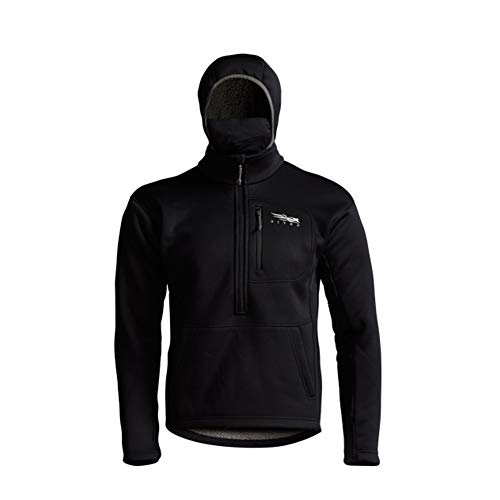
Sitka Gear Gradient Hunting Hoody

SITKA Neck Gaiter Ultra-Warm Fleece

ARIAT Crius Vest

Cuddl Duds Heavyweight 2-Piece Base Layer

SITKA Core Lightweight Crew SS Shirt

Drake Waterfowl 1/4 Zip Refuge Eqwader
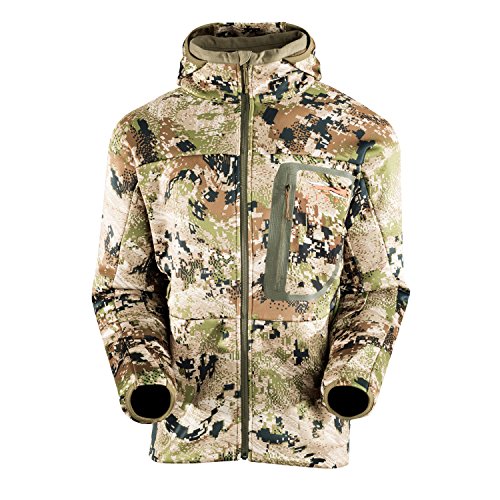
SITKA Gear Traverse Cold Weather Hoody
More Details On Our Top Picks
The Fanatic sits in that middle layer sweet spot, snug enough to wear under a shell without bulk and breathable enough to handle a mid-morning climb. Women hunters tired of men’s-cut gear squeezing the shoulders or bunching at the hips will find the tailoring here a real upgrade.
It layers over a light base like the SITKA Core Lightweight Crew (covered below) and plays well under a waterproof outer for wet days. If your hunting shifts between still hunts and active spot-and-stalk, this hoody bridges both without overheating.
The Case For It
- Feminine cut reduces excess fabric at the torso and sleeves
- Mid-weight fleece traps warmth without the puff of a heavy insulator
- Attached hood adds neck coverage during cold glassing sessions
- Breathable weave keeps sweat moving during hikes
- Pairs cleanly with both softshell and hardshell outer layers
Things To Consider
- Sizing runs trim, so layering thick underneath may feel snug
- Fleece tends to hold scent more than synthetic technical fabrics, so plan on scent-control washing
- No chest or hand pockets for quick storage on the move
Who It Suits Best
Women hunters building a versatile three-season system who want a piece cut for their frame rather than adapted from men’s sizing.
Where Another Pick Suits Better
Hunters chasing waterfowl in cold marshes get more value from the Sitka Gear Gradient Hunting Hoody, which uses high-loft Berber fleece for harsher wet conditions.
Neck gaiters sound like an accessory until a 20 mph wind finds the gap in your jacket. This Optifade Subalpine piece pulls double duty, blocking wind while keeping your neck and lower face hidden from sharp-eyed ungulates.
Subalpine camo (a SITK camouflage pattern designed for stalking at close range in vegetated terrain) works well in mountain timber and brush where deer and elk live. You may find it mismatched in open prairie, where Open Country patterns blend better.
The Good Stuff
- One-size stretch fabric fits a wide range of neck sizes
- Pattern-matched to SITK jackets for a unified concealment profile
- Lightweight enough to stash in a pocket when not needed
Worth Noting
- Single-layer fabric runs cooler than the double-thick SITK Ultra-Warm gaiter later in this list
- Subalpine pattern can stand out in dry desert or snowy environments
Quick Facts
Made For
Big game stalkers working close ranges in wooded terrain who want pattern-matched concealment plus core warmth.
Swap It Out When
Late-season stand hunters in deep cold get more insulation from the SITKA Neck Gaiter Ultra-Warm Fleece in pick 4.
Marsh hunts punish cotton-heavy layers with damp cold. The Gradient Hoody uses high-loft Berber fleece (a thick, textured fleece with deep pile that traps warm air while staying relatively light) to hold heat even when the air cuts through your blind walls.
Unlike the trimmer Fanatic reviewed above, this piece leans insulating. You can wear it as a static outer layer on a calm morning or stack it under a wader jacket when temperatures drop below freezing.
Everyday Wins
- High-loft Berber fleece delivers strong warmth-to-weight ratio
- Non-compressible insulation keeps loft under pack straps and shells
- Hood fits under a wader hood without restricting vision
- Designed for waterfowl but works for any cold-static hunt
Trade Offs
- Bulkier profile than mid-weight fleece, so layering under a tight shell may be tight
- Berber pile can collect burrs and debris in dry brush
Right Fit For
Duck and goose hunters who sit for long stretches in cold blinds and want insulation that handles the worst of pre-dawn temperatures.
Not Your Match For
Hunters running hard on warm-blooded pursuits like spot-and-stalk western hunts get better mobility from the SITK Gear Traverse Cold Weather Hoody covered in pick 9.
When temperatures drop below the comfort threshold of a single-layer gaiter, this double-thick fleece steps in. The high-pile interior traps a real layer of warm air against the neck and lower face, which matters most in static setups where your body heat is all you’ve got.
Compared to the Subalpine gaiter in pick 2, this version sacrifices breathability for warmth. Subalpine pattern works for close-range stalking in vegetated terrain, so this gaiter fits hunters in the timber rather than open prairie.
The Value In It
- Double-thick high-pile fleece blocks wind on exposed ridges
- Subalpine pattern supports concealment in tree-covered terrain
- One-size stretch eliminates sizing hesitation
Honest Caveats
- Thicker fabric can feel stifling during active hikes above freezing
- Pattern stays Subalpine only, so non-timber hunters will want a different camo gaiter
Best Suited To
Late-season stand hunters and western rifle hunters glassing in cold, wind-exposed terrain who need serious neck warmth.
Skip It When
Early-season hunters chasing active roosters or turkeys get more versatility from the lighter SITK Gear Neck Gaiter Optifade Subalpine in pick 2.
Vests fill a layering gap that jackets and hoodies leave open. Your core holds the heat that keeps your hands and feet warm, but full sleeves can overheat you during mid-day glassing. The Crius targets that core with quilted construction and a bulk-free fit.
It layers cleanly over a long-sleeve base like the SITK Core Lightweight Crew SS and slides under a shell on cold mornings. Think of it as a swap-out for the Gradient Hoody when the weather warms and your arms need to breathe.
Points In Its Favor
- Quilted crosshatch pattern traps heat without bulk
- Sleeveless design preserves full arm mobility for shooting and climbing
- Versatile enough to wear off-season for general outdoor use
Minor Gripes
- No camouflage pattern, so it won’t help concealment on wary game
- Light insulation makes it a mid-season piece rather than a deep-winter option
Who Should Grab It
Mid-season hunters who push hard through the morning, then sit and glass through midday, where core warmth matters more than arm coverage.
Reach For A Different Pick When
Hunters needing full camouflage and deeper insulation get a better match in the SITK Gear Traverse Cold Weather Hoody in pick 9.
A base layer is the foundation of the whole stack. Cuddl Duds’ heavyweight set delivers thermal warmth at a price point that won’t sting if you tear a pair mid-season. The two-piece top-and-bottom format covers the full lower body, where cold creeps in fastest.
This set targets hunters building a first layering system who don’t want to drop premium dollars on the layer you’ll never see. For the price tier, it stacks well under the Gradient Hoody or Traverse Hoody above.
Where It Helps
- Two-piece coverage handles both upper and lower body in one purchase
- Heavyweight fabric suits cold-static hunts over active pursuits
- Accessible price for entry-level layering system builds
Where It May Fall Short
- Heavyweight weave runs warm during aerobic climbs, so expect sweat buildup
- Generic thermal fabric lacks the odor-control treatments found on hunting-specific bases like the SITK Core Lightweight
- Durability under heavy pack straps and brush is a common concern across heavyweight knits
Feature Snapshot
Perfect Match For
First-time system builders on a tight budget who need a complete base layer without overcommitting on cost.
Look Elsewhere When
Hunters running high-mileage pursuits want the lighter, odor-managed SITK Core Lightweight Crew SS Shirt in pick 7 instead.
The Core Lightweight Crew sits next to your skin and works all four seasons. Short sleeves and a low-profile crewneck keep it from bunching under mid-layers like the Fanatic Hoody or Traverse Hoody. Quick-dry stretch fabric moves sweat off your body before it chills you on a still-hunt.
Compared to the Cuddl Duds heavyweight set in pick 6, this piece sacrifices raw warmth for moisture management. For active hunters logging long miles in changing terrain, that trade usually wins.
Noteworthy Benefits
- Quick-dry stretch fabric wicks moisture during climbs and stalks
- Odor-control treatment supports multi-day hunts without washing
- Short-sleeve crew design layers cleanly under heavier mid-layers
Points To Note
- Short sleeves leave arms exposed in cold-static setups without a layering shell on top
- Lightweight build suits active hunters more than still-hunters
Whose Shelf It Belongs On
Multi-season hunters who chase elk, deer, and sheep across elevation changes where moisture management matters more than raw insulation.
Consider Something Else When
Cold-static stand hunters get more raw warmth from a heavyweight base like the Cuddl Duds set in pick 6.
The Eqwader sits at the top of the layering stack as your waterproof shell. Refuge HS fabric with HyperShield technology blocks wind and rain while letting body vapor escape, so you don’t end up soaked from your own sweat under the waders.
The quarter-zip neck adds venting on climbs, and binding wrist cuffs seal out cold drafts at the sleeves. Pair this over the Gradient Hoody from pick 3 on a wet duck hunt and you have a complete waterfowl system.
Bright Spots
- Waterproof, windproof, breathable Refuge HS fabric with HyperShield membrane
- Quarter-zip neck dumps heat during active retrieves
- Binding wrist cuffs keep wind and water from sneaking up the sleeves
- Built specifically for waterfowl hunting conditions
Practical Considerations
- Specialized waterproof shell costs more than a basic rain jacket
- HyperShield membrane needs occasional reproofing to maintain water beading after heavy use
Feature Rundown
The Right Fit
Waterfowl hunters working marshes and timber in steady rain or wet snow who need a true waterproof shell over their insulating pieces.
A Better Fit Elsewhere
Big game hunters in dry western climates who rarely see rain get more value from a softshell or mid-weight piece like the SITK Traverse Hoody in pick 9.
The Traverse lands in the middle of the stack as a versatile cold-weather piece. A polyester build with a DWR finish (Durable Water Repellent, a treatment that causes light moisture to bead and roll off the fabric) shrugs off morning dew and light precipitation while holding enough insulation for static hunts.
It wears well over the Core Lightweight Crew and under a heavier shell when conditions turn. Compared to the Gradient Hoody in pick 3, the Traverse is the more mobile, do-it-all option for mixed-terrain hunters who don’t always know what the day will bring.
What It Does Well
- Polyester construction balances weight, warmth, and packability
- DWR finish handles light moisture without a full waterproof shell
- Available in Open Country and Subalpine patterns for terrain matching
- Wide size run including tall and xxx-large options
Some Limits To Know
- DWR finish wears off after repeated washes and needs periodic re-treatment
- Not a true waterproof shell, so heavy rain calls for a separate outer
At A Glance
Built With In Mind
Mixed-terrain hunters who walk in, sit, and stalk all in the same day and want one piece that handles transitions without overheating.
Where Another Pick Suits Better
Hunters locked into static waterfowl setups in brutal cold get stronger insulation from the Sitka Gear Gradient Hunting Hoody in pick 3.
What Matters Most When Building a Layering Stack
A solid hunting layering system isn’t one jacket, it’s three to four pieces working together. Understanding the role of each layer helps you spend money where it actually shows up in the field.
Match Activity Level to Insulation Weight
Heavyweight fleece and puffy insulation trap the most heat, but they also trap the most sweat during climbs. Active hunters, like sheep and elk chasers logging vertical feet, lean toward lightweight bases and breathable mid-layers. Static hunters, like those sitting a treestand or layout blind, can afford more insulation since their body heat isn’t doing as much work. Match your heaviest layer to your slowest moment in the hunt, not your most active one.
Pattern Match Your Outer Layers
Camouflage works only when it disrupts your outline at the distances game typically spots you. Subalpine patterns excel in close-range timber stalking, while Open Country suits open plains and grasslands at longer engagement ranges. Your neck gaiter and hoody should share a pattern family with your jacket. Mismatched camo stands out to sharp-eyed ungulates even when individual pieces look fine on their own.
Build a System, Not a Collection
Buying individual pieces over time often leads to gaps. A base, mid-layer, insulation, and shell that share a brand family typically fit together without bunching or binding. If you already own a SITKA shell, the Gradient or Traverse hoodies from the same brand will layer cleanly underneath. If you’re starting fresh, prioritize versatility: a moisture-managing base, a breathable mid-layer, and a weather-resistant outer covers most scenarios you’ll face.
Pitfalls To Dodge Before You Spend
Treating the Cheapest Piece as Throwaway
Base layers live against your skin and take the most abuse from sweat and pack straps. Skimping here usually means replacing the layer after one season. Invest where it touches you first.
Buying Heavyweight Gear for Active Pursuits
A 400-gram fleece sounds warm on the hanger, but on a five-mile stalk it turns into a sauna. Match weight to your typical pace and add a static insulation piece only for break times and glassing sessions.
Frequently Asked Questions
What is the correct order for layering hunting clothes?
Start with a moisture-wicking base layer against your skin, add an insulating mid-layer like fleece or puffy, then top with a weather-resistant or waterproof shell. Each layer should pull moisture outward without blocking it.
How do I keep my layering system from smelling like game?
Use base layers with built-in odor-control treatments and wash your insulation layers between hunts with scent-free detergent. Store clean layers in sealed plastic bins away from hunting clothes.
Do I need separate layers for waterfowl and big game?
Specialized waterfowl pieces handle wet marsh conditions better, while big game pieces prioritize camouflage and quiet fabric. Many hunters run two systems if they pursue both, sharing only the base layer.
Can I wear cotton as a base layer?
Cotton absorbs sweat and stays wet, which pulls heat away from your body quickly. Synthetic or merino wool bases handle moisture far better in cold hunting conditions.
How should my layering system fit?
Each layer should fit close to the body without restricting movement, leaving room for one more piece above without compressing insulation. Try the full stack at home before a hunt.