
A still spread of foam silhouettes rarely fools wary mallards anymore. Modern waterfowl work better when something on the water moves, splashes, or feeds, because that flicker of activity reads as alive from a distance. Motion decoys do exactly that, turning a flat layout into something that looks like a real flock working a pond. The category breaks into two main ideas: full-body duck decoys with keels that ride waves naturally, and active spinners, jets, and pumps that throw water to grab attention. Both earn a spot in the right setup, and the picks below cover each approach.
How The Shortlist Stacks Up

Avian-X Topflight Gadwall Decoys

Higdon Pulsator PRO Mallard Drake Guide Pack

Higdon Pulsator PRO Motion Waterfowl Decoy
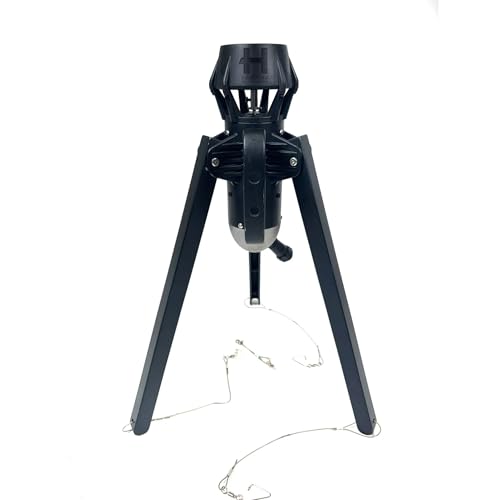
Higdon Motion Machine Decoy System

Avian-X Topflight Pintail Decoys
A Breakdown Of The Leading Choices
Late-season gadwall hunts usually mean grey skies, steady winds, and wary birds that have seen every trick in the book. These Avian-X Topflight gadwalls answer that pressure with a body shape that mimics mature drakes and hens rather than juveniles, and the silver-grey sheen reads correctly across choppy water.
The weight-forward swim keel (the angled blade under the decoy that rides the current) does the heavy lifting. It tips the front down as waves pass, so the head bobs and dips instead of skating sideways. The set runs six decoys with three distinct postures, which keeps the spread from looking like a row of clones.
Where It Excels
- Body proportions match full-grown gadwall, which matters on late-season hunts where educated birds study silhouette closely.
- Weight-forward keel produces natural rocking, so the spread looks alive in light chop without any active machinery.
- No-flake paint finish holds up to repeated transport and cold-water soak cycles, useful for hunters who run the same rig every weekend.
- Three included postures spread confidence across the flock and reduce the “robotic” look flat rigs tend to give away.
Trade-Offs Worth Noting
- Keel-driven motion relies on wind or current, so calm mornings in sheltered potholes can leave the spread looking static.
- Six decoys fill a small hole but rarely finish a spread on their own, and most users pair these with active spinners for full coverage.
Right Fit For
Hunters running dedicated diver spreads on larger reservoirs where wave action keeps the keels working all morning.
Where Another Pick Suits Better
For still-water potholes where wind drops out, the Higdon Pulsator PRO sprays water on its own and keeps things active without relying on weather.
Long sits demand a decoy that keeps working without a charger in your pocket. The Higdon Pulsator PRO mallard guide pack centers on a digital timer that fires visible water bursts at programmed intervals, and the rocking and feeding motion reads as an actively feeding mallard flock from a long way out.
A redesigned pump housing and pipe move more water while lasting longer, and the magnetic on/off switch keeps things simple when you wade in before light. Compared to the passive gadwalls reviewed above, this one creates its own weather.
The Good Stuff
- 14-hour internal battery cuts out midday swaps and handles dawn-to-dusk hunts without recharging in the blind.
- Programmable timer customizes burst cadence, so the spread can match local bird behavior instead of running a fixed pattern.
- Visible spray column catches light and works the eye, pulling ducks from distances where subtle decoy motion is invisible.
- Single magnetic switch reduces fumbling in cold gloves at setup.
Honest Caveats
- Spray-heavy action can overpower subtle spreads, so it fits best when paired with a larger rig rather than three or four floater decoys.
- Internal battery and pump components require a rinse and dry routine after brackish or muddy hunts, and skipping that step tends to shorten service life.
Key Product Details
Made For
Hunters running extended morning sessions in open freshwater where a single active decoy needs to carry the spread from first light through late morning.
Consider Something Else When
Coastal marsh work where salt exposure and rough tidal conditions matter, since the Pulsator PRO Motion Waterfowl Decoy below is built for that environment specifically.
Brackish marsh, tidal creek, and salt pond all punish electronics with corrosion. The Higdon Pulsator PRO waterfowl version keeps the same spray-and-rock action as the freshwater pack above but adds an IPX7-rated waterproof battery housing (sealed against temporary full submersion) so salt spray and an accidental dunk don’t end the hunt early.
The trade-off shows up in runtime: 7 hours per charge with a 3-hour top-up, which covers most morning hunts but not all-day affairs. Charge habits matter more here, and most users find a spare battery or a power bank on long coastal sits.
What Helps Most
- IPX7 sealed battery housing shrugs off splash and brief submersion that would kill a freshwater-rated unit in marsh use.
- 3-hour charge time lets a lunch-break top-up recover most of a day’s runtime from a vehicle outlet.
- Same programmable timer and magnetic switch as the freshwater pack, so the controls stay familiar across rigs.
- Compatible across fresh, salt, and brackish water, useful for hunters who chase multiple coastlines in one season.
Points To Keep In Mind
- 7-hour runtime is shorter than the freshwater version, so dawn-to-dark hunters need a charging plan.
- Salt exposure still requires a freshwater rinse after every outing, and skipping that tends to pit the metal hardware over a season.
Quick Technical Notes
Best Suited To
Coastal and estuary hunters who need a single motion decoy that holds up to salt water and tidal soak cycles without failing mid-morning.
Look Elsewhere When
Hunters running big inland spreads who want one tool to move the whole rig, since the Motion Machine below is built around powering entire layouts rather than serving as a focal point.
Big spreads need big motion, and that’s the entire point of the Motion Machine. Rather than acting like a single feeding duck, it anchors up to three decoys on adjustable tethers and drives them across the water in programmed sequences, which mimics a whole group working a food source.
The controller offers constant-on, realistic decoy action, and maximum water disruption modes, so you can dial intensity to match how aggressive the local flock is. Fold-up portability keeps it practical for hunters who don’t want a full trailer setup.
The Case For It
- Holds up to three decoys and powers all of them in coordinated motion, useful for hunters who want one device to drive an entire cluster.
- Three timing modes let you shift from subtle feeding to aggressive splashing based on how ducks are responding that morning.
- Adjustable decoy tethers keep the working decoys in a believable pattern instead of a tight spinning circle that birds sometimes flag.
- Folds for transport and sets up in minutes, so it suits hunters running solo without a layout boat.
- Ice-blasting mode adds visible spray for situations where surface action alone isn’t enough to draw attention.
Factors To Consider
- Larger footprint than a single spinning decoy, and tucked-away potholes or narrow ditches may not have room to deploy it properly.
- More moving parts mean more post-hunt rinsing, and mud-caked tethers or a fouled pump tend to be the most commonly reported issue.
- More complex than a single Pulsator unit, so first-timers spend more time learning the controller before they hit the marsh.
Who Should Grab It
Spread hunters running large decoy counts who want one tool to anchor motion across the whole layout rather than scattered individual spinners.
Reach For A Different Pick When
Solo hunters working tight timber holes or small potholes find the Avian-X Topflight Pintails more practical, since a smaller spread of weighted floaters travels and deploys faster.
Pintails arrive early and read the spread with long-necked, slim-bodied silhouettes that don’t match stock mallard decoys. The Avian-X Topflight pintails close that gap with mature-bird proportions, sharp tail pins, and a paint scheme that holds its color through a season of cold-water storage.
Like the gadwalls reviewed earlier, these rely on the weight-forward swim keel for motion, so any breeze or boat wake becomes working motion. The set of six covers a small dabbler block without overcommitting the layout.
Well-Handled Touches
- Slim body shape and long tail pins read as mature pintails, which early-season flocks respond to differently than generic mallard silhouettes.
- Weight-forward keel produces natural riding motion in light chop, similar to the gadwall set above, so wind does the work for you.
- Set of six fills a small dabbler block, useful for hunters running species-specific spreads rather than generic flocks.
- Rugged construction handles cold-water storage and repeated transport across a full season.
Where It May Fall Short
- Wind-driven motion drops off completely on glass-calm mornings, so still-air hunters may want to add a Pulsator as a focal point.
- Six decoys rarely finish a larger spread, and most users add a dozen floaters for serious layout hunts.
Whose Blind It Belongs In
Early-season dabbler hunters chasing pintails on shallow marshes and seasonal wetlands where species-specific silhouettes pull better than mixed mallard rigs.
A Better Fit Elsewhere
Hunters after year-round versatility across fresh and salt water may prefer the Higdon Pulsator PRO Motion Waterfowl Decoy for its sealed battery housing.
What Matters Most Before Choosing Motion Decoys
Match Motion Type To Your Water
Wind-driven keels work beautifully on choppy reservoirs and tidal marsh but stall out on glassy mornings. Active spinners and pumps create their own motion regardless of conditions, which makes them more reliable on calm days or in sheltered timber holes. For most hunters, a mix of passive floaters and one active unit covers the widest range of weather.
Think About Runtime And Charging
Battery-powered decoys fall into two camps: long-runtime units that last a full sit, and shorter-runtime units that demand a charging plan. Decide which camp fits your hunting style before buying. Long sits in remote ground blinds favor 14-hour packs, while quick morning hunts work fine with 7-hour units topped up overnight.
Size The Rig To Your Spread
A single Pulsator draws eyes from a long way, but it can’t carry a 30-decoy spread alone. The Motion Machine drives a cluster of three tethered decoys, which adds believable group motion. For larger layouts, pairing several active units with a foundation of weighted floaters usually reads more natural than one loud spinner surrounded by statues.
Consider Water Type And Maintenance
Salt and brackish water punish electronics, so check the IP rating (the Ingress Protection code that rates dust and water resistance) before committing. A freshwater rinse after every hunt keeps hardware alive across seasons, and skipping that habit tends to pit metal parts and shorten service life on any active decoy.
Key Considerations Across These Picks
Common Shopping Slip Ups
The most common mistake is buying one loud spinner and expecting it to carry a full spread, which leaves birds circling instead of committing. Another trap is choosing an active unit without checking battery life against your typical sit length. For most hunters, mixing a couple of weighted floaters with one reliable active decoy outperforms a pile of single-purpose gadgets.
Where The Extra Money Goes
Higher-tier motion decoys typically invest in longer battery life, sealed waterproof housings, and programmable timers that let you tune behavior to local conditions. That upgrade pays off for hunters who run long sits, hunt rough water, or chase multiple species across different environments. For occasional weekend hunters on calm freshwater ponds, a basic mid-tier unit handles the job without the extra cost.
Frequently Asked Questions
How Many Motion Decoys Do You Actually Need?
Most hunters get strong results from one active unit paired with a small block of weighted floaters. Larger spreads benefit from two or three active units spaced across the layout so birds see motion in more than one direction.
Do Motion Decoys Work In Calm Water?
Wind-driven keel decoys go flat on glassy mornings, but active spinners and pumps keep working regardless. For still-water potholes, prioritize battery-powered units with their own spray or surface motion.
Can You Use Motion Decoys In Salt Water?
Only units rated for salt and brackish use, since standard freshwater electronics corrode fast in tidal environments. Look for sealed battery housings with a documented IP rating and rinse the unit with freshwater after every coastal hunt.
How Long Do Motion Decoy Batteries Last?
Runtime varies widely by model, and 14-hour packs cover full-day sits while 7-hour units typically need a midday charge or swap. Match battery life to the length of your typical hunt rather than buying on spec alone.
Do Motion Decoys Replace A Full Decoy Spread?
They enhance a spread rather than replace it. Birds want to see a flock, so combine active units with a foundation of realistic floaters for the most believable layout.