
A turkey hunter’s mouth call lives or dies by realism, and the right diaphragm can turn a stubborn tom into a committed shooter. Whether you’re working public land at first light or running a quick setup before lunch, the call tucked against your palate shapes every conversation in the woods. After sorting through nine options that span friction pots, box calls, and mouth diaphragms, this lineup matches real hunting styles instead of chasing one perfect answer. Hunters chasing soft hen talk, aggressive cuts, and everything in between should find something here worth packing into the vest.
A Quick View Of The Lineup

Woodhaven THP Crystal Turkey Pot Call

Ol’ Yeller SLA-TEK Surface Pot Call


Lynch Fool Proof Turkey Box Call
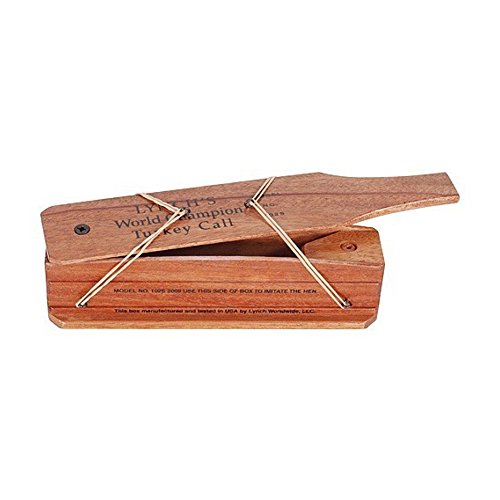
Lynch World Champion Turkey Box Call

Woodhaven Ninja Turkey Mouth Call 3-Pack

WoodHaven Elite Series Turkey Mouth Call 3-Pack

Knight & Hale Run-N-Gun 200-Turkey Vest Frame

HD Hen Series Mouth Call 3-Pack
Inside Each Recommended Option
The Woodhaven THP Crystal Turkey Pot Call sits in a walnut vision pot (a pot call with a recessed lid that funnels sound outward) paired with a maple soundboard, and the crystal surface produces the sharp, high-frequency yelps that cut through windy ridges. Two hand-matched strikers ship with it, so you can flip personalities on the fly: one sounds like a young, fired-up hen, the other like a calmer, mature bird. Hunters who work pressured public land where toms have heard every trick appreciate the range from bright, far-carrying yelps down to soft clucks and purrs once a bird commits.
Friction calls (calls that produce sound by rubbing a striker against a textured surface, rather than blowing into a diaphragm) reward hunters who prep the surface and master striker pressure, and this one leans into that learning curve. You may find the crystal surface needs occasional conditioning to stay crisp after heavy rain or repeated use. Two matched strikers add bulk to your vest pocket but also cover more turkey moods than a single-striker pot.
Reasons It Performs
- Walnut pot and maple soundboard give the call a warm, natural resonance across yelps, cuts, and purrs
- Two hand-matched strikers let you sound like two different hens without switching calls
- Crystal surface reaches across long distances on open ground, then drops into soft tree talk
- Built for both bright, aggressive cutting and believable soft hen chatter
- Vision pot design helps direct sound toward your target turkey
Trade-Offs Worth Knowing
- Crystal surfaces need scouring pads or light sanding to stay sharp after wet hunts
- Carrying two strikers adds gear compared with single-striker pots
- Less forgiving for callers who have not yet learned pressure control
Key Specs
Who It Suits Best
Hunters who run and gun across large blocks of public land and want one pot call that handles both long-distance locators and close-in tree yelps.
Consider Something Else When
Total beginners still learning striker control may get better results starting with the Ol’ Yeller SLA-TEK Surface Pot Call before graduating to crystal.
The Ol’ Yeller SLA-TEK Surface Pot Call revives a heritage name with a custom friction surface designed to sound good even before you know what you’re doing. Housed in a premium walnut pot and paired with a two-piece yellowheart striker, it produces both clear and raspy tones depending on how much pressure you apply. For new turkey hunters intimidated by crystal calls, the SLA-TEK surface forgives sloppy technique and still sounds like a real hen.
Versus the THP Crystal covered above, this call trades a bit of long-range reach for a much gentler learning curve. You may find the surface holds up well across multiple seasons with basic scouring, though heavy moisture can dampen tone until it dries. The yellowheart striker gives you tonal flexibility without forcing you to carry two strikers.
Noteworthy Benefits
- SLA-TEK surface produces clear and raspy yelps, clucks, cuts, and purrs with minimal pressure
- Walnut pot body keeps the call lightweight in a vest pocket
- Two-piece yellowheart striker shifts tone without swapping parts
- Iconic Ol’ Yeller name returned with modernized materials
- Forgiving enough for first-season callers to sound credible
Honest Caveats
- Not as piercing at extreme distances as crystal or slate pots
- Striker wood may need occasional conditioning if tone goes flat
- Won’t match the bright cutt volume that aggressive hunters may want
Who It Suits Best
New turkey hunters and casual weekend callers who want a forgiving pot call that still sounds like a real hen on opening weekend.
Look Elsewhere When
Hunters covering wide-open pastures who need piercing long-range cuts should step up to the Woodhaven THP Crystal Turkey Pot Call instead.
The Woodhaven Red Ninja 3 Pack bundles three diaphragm calls built around the company’s NinjaRed latex, each cut for a distinct vocal personality. The RED Power V, RED Half Venom, and RED Reverse Hammer give you a soft early-morning call, a mid-range workhorse, and an aggressive cutter in one affordable package. Hunters who run multiple setups in a morning appreciate carrying three voices without a stack of bulk.
Compared with the larger Ninja Turkey Mouth Call 3-Pack coming later in this list, the Red Ninja pack trades a bit of tonal polish for a lighter, more forgiving feel that newer callers tend to master quickly. You may find the latex takes a few practice sessions to seat properly against your palate, especially if you’re switching from thicker reeds. Three calls means three chances to lose one in the field, so a small call case is worth adding.
What Earns Its Place
- Three distinct cuts cover soft purrs, standard yelps, and hard cuts
- NinjaRed latex keeps the tone lively with light air pressure
- Hands-free operation leaves both hands on your shotgun or bow
- Pack pricing beats buying three premium diaphragms individually
Practical Considerations
- Three reeds means triple the storage space and more chances to misplace one
- Late-season toms may key in on one cut more than another, requiring call rotation
- Latex can stiffen in cold weather and needs warm-up before it sings
Key Specs
Right Fit For
Budget-conscious hunters who want a full spectrum of mouth calls without buying each reed separately.
Reach For A Different Pick When
Callers chasing one specific, premium sound may prefer the WoodHaven Elite Series Turkey Mouth Call 3-Pack for its more refined cuts.
The Lynch Fool Proof Turkey Box Call uses select straight-grain mahogany and an offset pivoting walnut lid to produce realistic hen yelps with almost no technique required. Just hold the box, push the lid, and pull. For hunters who hate the idea of blowing into a diaphragm all morning, a box call offers a louder, room-filling alternative that carries well across fields.
Versus the friction pot calls earlier, the box call gives up some tonal nuance for sheer volume and ease of use. You may find the lid hinge needs occasional tightening after heavy use, since wood swells and contracts with humidity. Box calls also require a free hand to operate, which matters if you run a bow or prefer two hands on your shotgun.
Points In Its Favor
- Mahogany box body produces warm, classic hen yelps on first use
- Offset walnut lid design simplifies striker motion for new callers
- Loud enough for open fields and long-distance locating
- Durable wood construction handles years of spring hunting
- No learning curve for tone production
Factors To Consider
- Requires a free hand, so less ideal for bowhunters
- Wood tone can shift with humidity and needs occasional conditioning
- Less subtle than mouth calls for close-in tree yelps and purrs
Built With In Mind
Gun hunters running open-field setups and roost-hunting scenarios where volume and ease of use matter more than finesse.
A Better Fit Elsewhere
Hunters who want both hands on the gun should reach for a diaphragm pack like the HD Hen Series Mouth Call 3-Pack instead.
The Lynch World Champion Turkey Box Call builds on the Fool Proof design with a center-pivoting walnut lid and the same straight-grain mahogany construction that has made it a fixture for over seven decades. One side of the lid mimics a hen, the other a gobbler, giving you two distinct vocal options from a single box. Handmade in the USA and hand-tuned, this call has earned its longevity through consistency rather than gimmicks.
Compared with the Fool Proof, the World Champion offers slightly more tonal versatility thanks to its two-sided lid, though it asks for a touch more finesse in lid control. You may find the center pivot takes practice to master compared with the offset design of the Fool Proof, especially if you’re switching between the two calls in a single morning. Mahogany holds up well to spring humidity swings but benefits from light conditioning between seasons.
Useful Highlights
- Two-sided walnut lid produces both hen yelps and gobbler sounds
- Straight-grain mahogany construction adds warmth and clarity
- Hand-tuned in the USA for consistent tone out of the box
- Trusted design with a long track record in the field
- Loud enough for open terrain without screaming
Soft Spots Worth Knowing
- Center-pivoting lid requires slightly more technique than offset designs
- Heavier than diaphragm options in a vest pocket
- Wood tone can dull after years of heavy use without conditioning
Who Will Love This
Traditionalists who prefer a wooden box call over a diaphragm and want both hen and gobbler voices in one tool.
Not Your Match When
Bowhunters needing both hands free will find the Lynch Fool Proof Turkey Box Call’s design easier to live with alongside a drawn bow.
The Woodhaven Ninja Turkey Mouth Call 3-Pack bundles three of the brand’s most popular personalities: the Ninja Ghost, Ninja V, and Ninja Venom. Together they cover everything from soft kee-kees and tree yelps to medium-rasp standard calls and cleaner hen talk. Hunters who like running one call in the morning and another in the afternoon get genuine variety without buying three separate packs.
Compared with the Red Ninja 3 Pack covered earlier, this set leans toward tonal refinement and a wider spread of cuts, trading some of the Red’s snappy volume for smoother, more realistic hen voices. You may find the Ninja Ghost’s looser side stretch takes a few sessions to seat comfortably in the roof of your mouth. Three calls also means triple the chance one gets dropped in the leaves, so a waterproof call case pays off.
Notable Upsides
- Three cuts cover finesse ghost calls, medium yelps, and cleaner hen talk
- Ninja Ghost handles kee-kees, whines, purrs, and tree yelps with low effort
- Ninja Venom’s smoother tone works well for mellow late-season hens
- Pack pricing covers an entire spring season’s vocal range
- Trusted Ninja family of reeds with years of field testing behind them
Less-Strong Areas
- Ninja Ghost can feel loose in the mouth for callers used to tighter reeds
- Three reeds require organized storage to avoid losing one mid-hunt
- May overlap in tone if you primarily need only one voice
Feature Rundown
Best Suited To
All-season hunters who want a single pack that handles early-morning finesse, midday locating, and late-season soft talk.
Skip It When
Hunters chasing aggressive, hard-cutting power should look at the WoodHaven Elite Series Turkey Mouth Call 3-Pack for its Hyper Hammer reed.
The WoodHaven Elite Series Turkey Mouth Call 3-Pack delivers three genuinely different premium voices rather than three variations of the same reed. The Hyper Hammer brings aggressive rasp and hard-cutting backbone, the Bladed V handles sweet yelps and soft talk with almost no effort, and the Chisel Cutter sits between the two with a distinctive cutting edge of its own. Hunters who want a refined range without cobbling together separate packs find this combination covers most calling situations in a single purchase.
Versus the standard Ninja 3-Pack above, the Elite Series trades a bit of forgiveness for more vocal personality on each reed. You may find the Hyper Hammer requires stronger air pressure than softer reeds, which can fatigue your cheeks on long sits. Latex reeds also need protection from direct sunlight in the truck, or they’ll warp between hunts.
Standout Benefits
- Three premium cuts with distinctly different sound personalities
- Bladed V handles low-effort sweet yelps and soft purrs
- Hyper Hammer adds aggressive rasp for stubborn late-season toms
- Chisel Cutter bridges finesse and aggression in one reed
- Premium construction aimed at serious turkey hunters
Things To Weigh
- Hyper Hammer takes more air than softer reeds, which tires new users
- Premium latex needs careful storage away from heat and direct sun
- Costs more than entry-level 3-packs like the Red Ninja
Perfect Match For
Experienced turkey hunters who want three distinctly different premium voices rather than variations on one theme.
Swap It Out When
Hunters who mostly need one forgiving, easy-driving call should save money with the Woodhaven Red Ninja 3 Pack instead.
The Knight & Hale Run-N-Gun 200-Turkey Vest Frame is technically a vest, but it earns a spot on this list because every mouth call, box call, and pot call needs somewhere to live in the field. Weighing roughly 1.5 pounds with a 10-point adjustment system and a hold-tight cinching seat, this frame stays put during long stalks and steep climbs. Open sides keep air flowing on warm April mornings when layered clothing would otherwise have you sweating by 8 a.m.
Versus a standard turkey vest with sewn-in padding, the Run-N-Gun 200 leans toward minimalism and mobility, which suits hunters covering miles of ground before sunrise. You may find the open construction less comfortable than padded vests during long sits where you want a cushioned seat. The integrated MOLLE system (a modular webbing layout that lets you clip on extra pouches and accessories) means you’ll likely add your own call lanyard and shell pockets to dial in storage.
Real-World Strengths
- Lightweight 1.5-pound frame reduces fatigue on long approaches
- 10-point adjustment system fits a wide range of body types
- Hold-tight cinching seat keeps the vest from shifting on rough terrain
- Open construction improves breathability during warm-weather hunts
- MOLLE webbing supports custom pouch and accessory setups
- Multiple pockets and slots keep mouth calls, box calls, and ammo organized
Practical Considerations
- Less cushioned than fully padded turkey vests for long sits
- Open sides let cold wind cut through on early-season mornings
- Requires add-on pouches to match a fully loaded vest out of the box
Quick Facts
Made For
Roving hunters who log miles between setups and want a lightweight frame that carries calls, shells, and gear without bulk.
Where Another Pick Suits Better
Hunters who spend most of the morning on a single stand may prefer a padded vest with built-in call storage over a stripped-down frame.
The HD Hen Series Mouth Call 3-Pack bundles three triple-reed diaphragms (mouth calls with three thin latex strips that vibrate when air passes over them) into an affordable package, covering the Split V, W-Cut, and Combo Cut designs in one purchase. Hands-free operation means both hands stay on the gun or bow, which matters when a tom appears at twenty yards and you need to mount fast. Budget-friendly hunters who lose calls in the leaves or loan them out appreciate the value pricing.
Compared with the Woodhaven 3-packs above, the HD Hen Series offers less tonal refinement per reed but a triple-reed design that tends to run on the raspier side. You may find the Split V’s looser stretch takes practice to control cleanly, especially when switching between calls mid-morning. Triple reeds also need careful drying after wet hunts, since trapped moisture can throw off tone on the next outing.
Positive Takeaways
- Three triple-reed cuts in one affordable pack
- Hands-free design leaves both hands ready for the gun
- Raspy tone profile suits pressured public-land toms
- Low replacement cost if one gets lost or damaged in the field
Points To Keep In Mind
- Triple reeds run raspy, with less clean-hen smoothness than premium packs
- Each reed needs drying time after wet hunts to keep tone consistent
- Tonal range between the three cuts is narrower than premium 3-packs
Who Should Grab It
New hunters, occasional callers, and anyone who burns through calls and wants a low-cost 3-pack that still sounds like a hen.
Another Choice May Suit
Callers who want three genuinely different voices should consider the WoodHaven Elite Series Turkey Mouth Call 3-Pack instead.
Matching Calls to Real Hunting Styles
The mouth turkey call category splits into two big camps: diaphragms and external calls, and each rewards a different style of hunting. Diaphragm calls (also called mouth calls) tuck into the roof of your mouth and leave both hands free, which suits run-and-gun hunters who need to move, mount a shotgun, or draw a bow on a closing tom. External calls, including friction pots and box calls, give up that hands-free advantage for louder volume and a gentler learning curve. Friction pots reward hunters willing to master striker pressure for sharp yelps that carry across open terrain, while box calls offer the easiest entry point for newcomers who want loud, room-filling sound without blowing into latex.
Latex reed design matters more than most newcomers expect. Single reeds produce the cleanest, softest hen talk but take the most practice to control. Double reeds split the difference between volume and finesse. Triple reeds run raspier and louder out of the box, which can be a plus on pressured public-land toms that have heard gentler calls all month. The right reed count depends on the turkeys you hunt and the style you want to project.
Cut style, sometimes called the cut of the latex, shapes the personality of each diaphragm. V-cuts tend toward versatility and medium-rasp yelps. Ghost cuts favor soft kee-kees and finesse work. Cutter cuts add aggression for stubborn toms that need a sharper edge. Hunting public land where toms have heard every trick benefits from a pack that covers two or three cuts, so you can match the mood of the morning without retying knots.
Real-world ownership of mouth calls means dealing with moisture and storage. Latex reeds warp in direct sunlight, stiffen in freezing truck cabs, and lose tone after soaking in morning dew. A small call case, a pocket away from your body heat, and the discipline to dry reeds after wet hunts extend the life of every diaphragm in your vest. Box and pot calls face their own humidity swings, with wood tone shifting as the season warms, which is why most experienced hunters condition their wooden calls once or twice a year.
Quick Notes Before You Commit
Pitfalls Shoppers Hit
The most common mistake is buying a single call and assuming it will cover every turkey situation. A diaphragm tuned for soft kee-kees sounds wrong when you need a hard cutting yelp across a ridge, and a loud box call blows past subtle close-in conversations. Matching the call to the hunt, and ideally carrying two or three voices, beats over-relying on one tool.
Another trap is ignoring latex care. Mouth calls left in a hot truck or stuffed loose in a pocket tend to warp within a season, and warped reeds never sound right again. A waterproof call case costs almost nothing and pays for itself by keeping reeds flat and dry.
Where The Extra Money Goes
Premium mouth calls justify their higher price with tighter manufacturing tolerances and more complex cuts. Each reed is hand-trimmed and tone-tested, which removes the lottery-ticket feel of cheaper packs where you might get one great call and two duds. The wood bodies on premium pot and box calls also tend to use figured hardwoods (pieces with attractive natural figuring in the grain) and matched strikers that hold their tone longer through humidity swings.
For hunters chasing late-season, call-shy toms, that extra refinement can be the difference between a hung-up gobbler and a committed strutter. For casual spring hunters chasing responsive early-season birds, a budget-friendly 3-pack often gets the job done without the upcharge.
Frequently Asked Questions
What is the easiest mouth turkey call for beginners?
The Ol’ Yeller SLA-TEK Surface Pot Call is one of the easiest calls to learn, since the friction surface forgives sloppy striker pressure and still produces believable hen yelps on the first morning.
How do I keep diaphragm calls from drying out?
Store mouth calls in a waterproof case with a small damp sponge or call conditioner, and keep them away from direct sunlight and vehicle heat, which are the two biggest killers of latex reeds.
Why do turkey hunters carry multiple calls?
Carrying two or three different cuts or call types lets you match the mood of the morning, switching from soft tree yelps to aggressive cutting yelps when a tom hangs up or moves in close.
Are box calls or mouth calls better for public land?
Public-land toms often respond well to the volume of a box call for long-distance locating, while mouth calls win during close-in conversations where subtlety matters more than reach.
How long does a turkey mouth call usually last?
With proper storage and drying between hunts, a quality latex reed can last several full spring seasons, though many hunters replace them yearly to keep tone consistent.