
A day hike needs more than water. A comfortable pack, organized storage, and a hydration system that stays easy to use can make the difference between a smooth trail day and a constant reshuffling of gear. I compare compact trail options, roomier day packs, cycling storage, electrolyte mixes, and replacement reservoirs for hikers, runners, and mountain bikers.
An Overview Of The Picks

Propel Electrolyte Powder Drink Mix 3-Flavor Variety Pack

Propel Electrolyte Powder Drink Mix Grape 32 Packets

Osprey Raven 10L Women’s Mountain Biking Backpack

NOOLA Hydration Backpack with 3L Water Bladder
Haimont 5L Trail Running Hydration Vest with Soft Flasks

N NEVO RHINO 18L Hydration Backpack with 3L Bladder
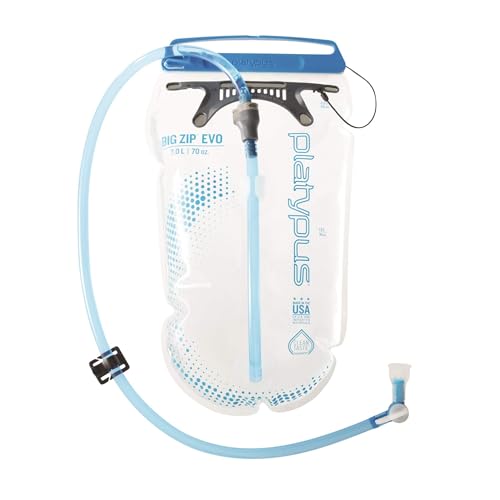
Platypus Big Zip EVO 2-Liter Water Reservoir
Inside Each Recommended Option
For hikers who dislike carrying one identical flavor for every outing, this Propel mix makes hydration feel less repetitive. The pouch contains 32 stick packets across three flavors, which is practical for a day hike where a full bottle may be consumed before the trail ends. It is also useful for warm-weather walks, workouts, and everyday activity because the formula provides electrolytes without sugar.
That makes it a supplement rather than a pack, but it pairs well with any of the hiking packs here. I would choose it for hikers who value easy portioning and variety, while the single-flavor Propel option is more suitable for people who already know which taste they prefer.
Where It Excels
- Three flavors prevent the monotony that can come from a month of identical drink packets.
- Individual sticks are easy to carry in a day pack, pocket, or hydration sleeve.
- Zero sugar suits hikers who want electrolyte support without a sweet drink.
- Thirty-two packets provide a simple supply for repeated trips and shared outdoor routines.
Small Caveats
- Powder packets require mixing and may not be as convenient as a ready-to-drink reservoir system.
- Flavor availability may not suit anyone who prefers a single consistent taste.
At A Glance
Made For
Day hikers and active walkers who want portable electrolyte packets with several flavor options.
Where Another Pick Suits Better
Propel Electrolyte Powder Drink Mix Grape 32 Packets may suit people who prefer one dependable flavor over a rotating assortment.
Single-flavor packs can reduce decision fatigue on the trail, especially for a hiker who already knows that grape works well. The 32-serving format gives me enough supply to treat it like a pantry staple rather than a single-use purchase. Unlike the variety pack, the appeal is consistency, not choice.
For regular day hikers, that predictability is useful. The stick format travels well, and the zero-sugar profile may fit routines that avoid sugary sports drinks, though packet mixing still takes a little preparation. This is a drink component, so it works best alongside a reservoir, flask, or bottle from one of the other picks.
Features That Help
- Single-flavor packaging keeps taste consistent across every serving.
- Thirty-two packets support regular day hikes and recurring outdoor activity.
- Individual packets fit into small compartments without adding bulky bottles.
- Zero sugar gives the drink mix a lighter profile than many flavored options.
Honest Caveats
- Grape is a matter of personal preference, and people sensitive to strong fruit flavors may prefer another option.
- Packets need water and mixing, so cleanup is a small part of trail preparation.
Quick Facts
Right Fit For
Hikers who want a single-flavor electrolyte option and do not want to sort through several varieties.
Another Choice May Suit
Propel Electrolyte Powder Drink Mix 3-Flavor Variety Pack is a better fit for hikers who want to change flavors between outings.
Day hiking on a mountain bike calls for more than a standard daypack, especially across rough terrain or during repeated trail laps. The Osprey Raven 10L is built around that use case, with a winged shoulder harness and an airmesh-wrapped hipbelt intended to keep the load settled as the bike moves over uneven ground. The fit matters more here than simply counting pockets.
I see this as a strong match for women who want organized trail gear and a reservoir system in one package. Compared with the Haimont 5L Trail Running Hydration Vest, the Raven has more conventional backpack storage, while the tool roll gives bike-focused riders a place for small essentials. Exact comfort still depends on torso and hip-belt fit.
Where It Delivers
- The winged harness helps distribute the pack during active mountain biking.
- An airmesh-wrapped hipbelt adds support around the hips, where a riding pack needs stability.
- The tool roll organizes small bike or trail items without using main storage.
- The 10L format provides more room for layers, food, and a reservoir.
Trade Offs
- The cycling-focused harness is more specialized than a simple day-hiking pack.
- A snug adjustment period may be necessary before long rides feel settled.
Best Suited To
Women mountain bikers carrying extra gear on uneven trails, bike-park sessions, or longer outdoor rides.
Where A Sibling Pick Shines
Haimont 5L Trail Running Hydration Vest with Soft Flasks is the lighter alternative for runners who want minimal bounce and front access.
Some hikers carry more than a flask and a snack, and the NOOLA pack is built for that kind of organized day hike. Its 3-liter reservoir sits inside a wider structure that also accommodates clothing, a towel, snacks, and small personal items. The tactical style may appeal to people who prefer a structured pack with clear separation between essentials.
The main advantage is access. Nine pockets, including four zippered compartments and five additional multi-compartments, reduce the need to empty the entire bag to find a phone, keys, or sunglasses. That organization comes with more bulk than the Haimont vest, so walkers who carry only small essentials may feel the difference.
What Works In Its Favor
- The 3-liter bladder supports full-day hydration without frequent refills.
- Four zippered pockets help protect small electronics and personal items.
- Five multi-compartments keep clothing, snacks, and the reservoir more separated.
- 900D abrasion-resistant nylon gives the exterior a more durable material specification.
Room For Improvement
- The many compartments can make the pack feel bulky on short, minimalist hikes.
- A full reservoir and extra layers add noticeable weight, so packing discipline still matters.
Built With In Mind
Hikers who carry layers, electronics, snacks, and water in one organized pack for full-day trail outings.
Consider Something Else When
N NEVO RHINO 18L Hydration Backpack with 3L Bladder may appeal more to hikers who want a larger pack with a simpler trail-day layout.
Fast feet favor a different kind of hydration system, and the Haimont vest puts water close to the body instead of behind the shoulders. Two 500 ml soft flasks provide a total of one liter of drinking capacity, while the front stretch pockets keep gels, snacks, and small essentials accessible. The 5-liter format feels purpose-built for movement rather than a full camping load.
Breathable mesh panels and an ergonomic fit make this more relevant to trail running and endurance training than to long walks with a substantial layer stack. Compared with the Osprey Raven 10L, it carries less and places supplies differently, which can feel better on repeated movement but offers less room for a jacket, towel, or larger meal kit.
Noteworthy Benefits
- Two front soft flasks keep hydration within easy reach during running movement.
- Stretch pockets create quick-access storage for gels and snacks.
- Breathable mesh panels support airflow during warm trail sessions.
- The compact 5L design reduces the bulk associated with a conventional hiking pack.
Details To Watch
- The one-liter flask capacity is modest for some long hikes or hot-weather routes.
- Soft flasks require careful packing and may take up more room than rigid bottles.
Who It Suits Best
Trail runners and endurance hikers who need front-access hydration and minimal pack movement.
Look Elsewhere When
Osprey Raven 10L Women’s Mountain Biking Backpack is a better fit for riders carrying more gear and needing a larger storage area.
An 18-liter pack has room for a full day of trail gear, but the extra capacity only helps when the load is distributed comfortably. This N NEVO RHINO model combines a 3-liter bladder with a larger hiking-pack body, making it more suitable for long routes, extra layers, and substantial food storage. The nylon construction and ventilated mesh areas point toward comfort on extended outings.
Compared with the NOOLA pack, the capacity is larger, but the organization may be less pocket-heavy. Reflective strips add a practical detail for low-light conditions, though they do not replace proper visibility equipment. I would see this as a flexible choice for hikers who want more storage than a running vest without moving to a specialized mountain-bike design.
The Helpful Details
- The 18-liter body provides useful room for layers, food, and trail accessories.
- A 3-liter bladder supports a substantial hydration supply for longer routes.
- Ventilated mesh lines the shoulder straps, waist area, and back for airflow.
- Reflective strips improve low-light visibility in appropriate settings.
Factors To Consider
- Its larger size is unnecessary for short walks or minimalist outings.
- Emptying and cleaning the bladder adds maintenance beyond carrying a small bottle.
Made For
Hikers on longer routes who need more carrying capacity for clothing, food, and hydration.
A Better Fit Elsewhere
NOOLA Hydration Backpack with 3L Water Bladder is the better choice for people who prioritize multiple small compartments over maximum pack volume.
A reservoir is a different kind of hydration-pick item, and this one can improve an existing backpack rather than replace the entire pack. The 2-liter capacity suits day hikes where a hiker wants a tube routed to the shoulder and less need to stop for a drink. The fast-flow valve and large drink tube support quick access, while the quick-disconnect fitting helps during filling and cleaning.
Compared with the Propel packets, the Platypus system is a reusable water carrier rather than a powdered electrolyte mix. It may suit long walks where carrying a drink tube is more convenient than finding a mixing spot. The trade-off is compatibility: the reservoir must fit the pack’s intended hydration system, and owners still need to clean it regularly.
Everyday Wins
- Fast-flow valve supports convenient drinking while walking.
- The large opening simplifies filling and routine cleaning.
- Quick tube disconnection adds flexibility during packing and rinsing.
- A clear reservoir body makes the remaining water level easy to check.
Less Ideal Details
- It is a replacement component, not a complete day-hiking pack.
- Cleaning residue promptly is important for keeping the reservoir ready for repeated trips.
Feature Rundown
The Right Fit
Hikers with a compatible backpack who want a reusable reservoir with fast drinking access and simpler filling.
Swap It Out When
N NEVO RHINO 18L Hydration Backpack with 3L Bladder is a better fit for anyone who needs a complete pack rather than a replacement reservoir.
Choosing A Pack That Fits The Route
Capacity is only the first decision. A 5-liter vest suits runners who need quick access and low bulk, while an 18-liter pack makes more sense for long routes with extra clothing and food. Measure the actual load before choosing based on a number printed on the label.
A reservoir, also called a hydration bladder, should be considered alongside the pack. A 2-liter or 3-liter reservoir reduces the need to carry separate bottles, but cleaning and compatibility with the pack matter more than the headline capacity.
Fit and stability deserve the same attention as storage. A winged harness or airmesh hipbelt may help on a bike, while a vest can feel more natural during running. Every hiker should adjust the shoulder, chest, and waist areas and carry a realistic load before leaving home.
Capacity And Route Length
Short walks usually call for a smaller pack with a soft flask or short reservoir. Longer hikes benefit from room for layers, snacks, and a full bladder. The extra space in the N NEVO RHINO 18L is useful only when the equipment justifies the added weight.
Reservoir Access
Fast-flow valves, wide openings, and quick-disconnect fittings can make refilling and cleaning less awkward. A water tube that stays reachable without requiring the pack to come off is valuable on exposed trails and in busy campgrounds.
Fit Before Features
A feature-heavy pack can still feel wrong on the body. Compare torso length, shoulder placement, waist support, and the position of the hydration tube. Haimont favors active runners, Osprey is designed around mountain biking, and NOOLA emphasizes separated storage.
Weight And Maintenance
Reservoirs need regular rinsing and drying. Larger packs also require more attention to dead weight, and a multi-pocket layout can encourage carrying items that are not needed. Pack only the water, clothing, food, and navigation tools required for the route.
What The Added Capacity Really Changes
Common Shopping Slip Ups
The most common error is selecting the largest pack for every outing. A roomy design feels convenient at the trailhead but becomes tiring after a few miles. Another mistake is ignoring reservoir compatibility, which can turn a useful hydration system into another piece of gear at the bottom of a closet.
What The Higher Tier Buys
Premium trail packs often invest more in suspension, adjustability, specialized storage, and durable exterior materials. Those improvements matter for rough terrain, repeated rides, or long days, while a smaller vest may be enough for a short local loop. I focus on the feature that solves the actual route problem, not on extra equipment that will remain packed.
Frequently Asked Questions
How Much Water Should A Day Hike Hydration Pack Hold?
A 2-liter reservoir often suits many day hikes, while 3 liters provides more capacity for warm weather or longer routes. Personal needs and access to refill points matter more than a fixed number.
Is A 5-Liter Vest Better Than A 10-Liter Backpack?
A 5-liter vest is lighter and keeps hydration close for running or fast hiking. A 10-liter backpack is better for layers, food, tools, and longer outings.
Can I Use An Electrolyte Powder In A Hydration Reservoir?
Mixing powder directly in a reservoir depends on the product instructions and the pack material. Using packets in a separate bottle can reduce clogging and make cleaning simpler.
How Should I Clean A Hydration Reservoir?
Rinse the reservoir and tube promptly, use a mild cleaning method recommended by the manufacturer, and let the components dry completely. Keeping the drink tube accessible helps prevent residue from building up.
Which Hydration Pack Fits Mountain Biking Best?
The Osprey Raven 10L is the most purpose-built option in this group because its winged harness, hipbelt, and tool roll focus on bike movement. Runners may prefer the lower-profile Haimont vest instead.
Final Thoughts
For most day hikers, the NOOLA pack offers the most organized everyday layout, while the Haimont vest suits faster movement and the Osprey Raven handles bike terrain with more specialized support. Propel packets and the Platypus reservoir solve different parts of hydration, so I would choose them based on drinking style and pack compatibility rather than treating them as interchangeable equipment.