
Choosing hiking footwear becomes much easier when terrain, fit, and weather are considered separately. Day hikers on rocky trails need traction, backpackers need ankle coverage, and commuters need a shoe that can move from pavement to gravel without feeling cumbersome. I compare cushioning, waterproofing, outsole design, and practical ownership details across these seven options.
A Closer Look At The Lineup

Merrell Men’s Moab 3 Hiking Shoe

Merrell Men’s Moab 3 Mid Hiking Boot
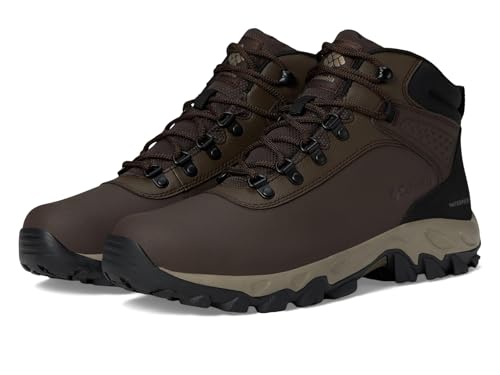
Columbia Newton Explorer

Merrell Men’s Moab 3 Mid Waterproof Hiking Boots

KEEN Men’s KS86 Men’s Comfortable Retro Style Sneakers
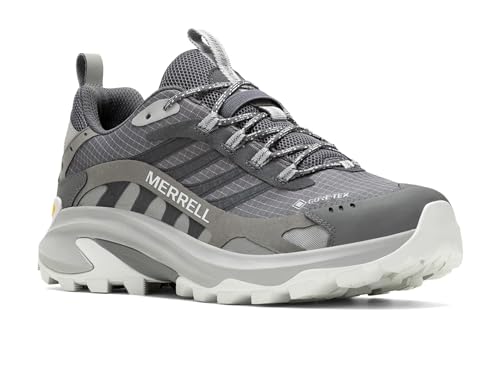
Merrell Men’s Moab Speed 2 Gore-Tex
Merrell Men’s Moab Speed 2 GTX
The Details Behind The Selections
The low-cut Moab 3 fits naturally into a day-hiking rotation, especially for gravel paths, forest trails, and the walk from a trailhead to the overlook. Its supportive insole and cushioned midsole should make long pavement approaches less tiring, while the Vibram outsole gives the shoe a more deliberate trail character than a standard sneaker.
Compared with the mid-height Merrell options later in the list, this model sacrifices some ankle coverage for lighter movement and easier packing. For most casual hikers, that trade seems sensible; technical walkers may prefer the more structured support of a boot.
Everyday Perks
- Low-cut construction keeps the foot flexible on paved approaches and easy trails.
- A supportive insole helps distribute pressure during repeated walking.
- The cushioned midsole adds comfort without turning the shoe into a rigid platform.
- Vibram traction is useful on loose dirt, gravel, and changing trail surfaces.
Things To Consider
- Limited ankle coverage may feel less secure on steep, rocky descents.
- Leather and mesh components can require careful drying after wet hikes.
Who It Suits Best
This model best serves day hikers who split time between pavement, gravel, and maintained woodland paths.
Where Another Pick Suits Better
Merrell Men’s Moab Speed 2 GTX is a better fit for technical trails where aggressive outsole traction matters more than a low profile.
The mid-cut profile makes this Merrell a stronger companion on uneven ground, switchbacks, and routes with loose stones. Ankle coverage adds a sense of structure, while the softened midsole keeps long descents from feeling unnecessarily harsh. It is a practical choice for backpackers who carry more gear than a quick day hike requires.
Compared with the low-cut Moab 3, this boot occupies more space and takes more adjustment before it feels familiar. In return, the higher collar can feel more reassuring on uneven trails, especially where footing changes quickly.
What It Does Well
- The mid-height collar provides more support than a low hiking shoe.
- Soft cushioning helps absorb repeated impact on rocky ground.
- The outsole is suited to trails with variable traction and debris.
- The boot shape gives backpackers a more secure platform under load.
Worth Noting
- Bulk makes this option less convenient for travel and casual wear.
- Break-in may be needed before long treks, depending on the foot shape.
- Waterproofing is not specified, so wet conditions require extra care.
Feature Snapshot
Built With In Mind
This boot fits hikers carrying a pack across rocky, uneven, and moderately demanding routes.
Reach For A Different Pick When
Merrell Men’s Moab 3 Hiking Shoe is easier to pack and more flexible for short, mostly maintained trails.
The Columbia Newton Explorer is built around a waterproof leather upper, making it a logical choice for damp woodland trails, wet gravel, and changing weather. Metal hardware adds a trail-oriented finish, while the Omni-Tech construction is designed to block water while allowing moisture vapor to escape.
Its Techlite midsole supplies cushioning and energy return, a combination that should feel useful during long walks on hard surfaces. Compared with the Merrell low-cut model, this shoe gives wet-weather protection more prominence, though its leather upper may need more deliberate cleaning and drying.
Practical Advantages
- Waterproof construction helps keep feet drier in wet trail conditions.
- The leather upper provides a durable structure for regular outdoor use.
- Techlite cushioning softens impact during long paved approaches.
- Breathable waterproof technology reduces trapped moisture compared with a sealed non-breathable shell.
Small Caveats
- Leather can retain dirt and moisture after muddy hikes.
- Waterproof protection does not eliminate the need to clean vents and seams regularly.
- The structured upper may feel less flexible than the lighter Merrell options.
Made For
Wet-weather hikers and weekend campers who value a protective leather upper over a featherlight feel.
Another Choice May Suit
Merrell Men’s Moab 3 Mid Waterproof Hiking Boots may appeal more to hikers wanting higher ankle coverage in wet conditions.
This mid-height Merrell is the more weather-conscious version of the Moab platform, combining ankle coverage with a waterproof designation for wet trails. It makes sense for hikers crossing muddy paths, shallow puddles, and damp forest sections where a low shoe would leave more of the foot exposed.
The added boot structure and weather protection come with a heavier, less nimble feel than the standard Moab 3. For long distances on smooth pavement, that extra structure may feel unnecessary, but on rough, damp ground the trade becomes easier to accept.
What Earns Its Place
- Waterproof protection supports wet-weather trail use.
- The mid-cut profile adds support around the ankle.
- Cushioning helps absorb impact on rocky approaches.
- The boot format is practical for cool, damp hikes.
Practical Considerations
- Waterproof boots can dry slowly after creek crossings or heavy rain.
- They may feel bulkier than low-cut hiking shoes during fast walks.
- Insoles and laces can collect grit during repeated outdoor use.
The Right Fit
This model best fits hikers who prioritize waterproof coverage and ankle support on wet, uneven routes.
Look Elsewhere When
Columbia Newton Explorer is a better alternative for wet hikes where leather structure and breathability matter more than a mid-height Merrell collar.
The KS86 is not a dedicated technical hiking boot, but it works for neighborhood walks, park paths, travel days, and short trails where lightweight casual footwear is enough. KEEN’s wider last gives it a roomier starting point, while the aggressive tread gives the upper a more outdoors-oriented appearance.
Compared with the Merrell and Columbia hiking shoes, the KS86 places more emphasis on retro styling and all-day comfort than waterproof protection or ankle support. That makes it easier to pair with everyday clothing, but less convincing for mud, steep descents, or loaded backpacking.
Everyday Advantages
- Wide-footed construction may feel roomier than narrow hiking lasts.
- Lightweight materials suit travel and casual daily wear.
- The aggressive tread handles pavement, park paths, and packed dirt.
- Retro styling makes the shoe easier to wear outside hiking settings.
Room For Improvement
- Waterproof protection is not a stated feature of this model.
- Limited ankle support reduces stability on steep or loose terrain.
- Mesh and fabric sections may need regular brushing and drying after outdoor use.
Who Will Love This
The KS86 suits people who want one comfortable shoe for errands, walks, and occasional easy trails.
Swap It Out When
Merrell Men’s Moab Speed 2 Gore-Tex is a better fit for wet, technical trails and hikers who need a more protective outsole.
The Moab Speed 2 Gore-Tex is built for hikers who want a quicker-feeling shoe without giving up weather protection. Its athletic shape favors forward movement on maintained trails, and the Gore-Tex designation adds an advantage during rain, mud, and damp crossings where a non-waterproof sneaker would feel less dependable.
Compared with the Newton Explorer, this model appears more focused on speed and responsive traction. Compared with the mid-height Moab boots, it should be easier to move in, but less supportive on loose descents. The Vibram TC5+ outsole and traction lugs are the details most relevant to technical ground.
A Strong Showing
- Gore-Tex construction supports protection in wet outdoor conditions.
- Vibram TC5+ rubber is designed to improve traction on demanding surfaces.
- Traction lugs can help on loose dirt and uneven trails.
- The athletic profile suits longer walks and quicker movement.
Points To Note
- The low-cut shape offers less ankle support than the mid-height boots.
- Waterproof membranes can slow drying after the shoe becomes saturated.
Technical Highlights
Built With In Mind
This model fits hikers covering wet, uneven, and relatively fast-paced routes.
Where A Sibling Pick Shines
Merrell Men’s Moab 3 Mid Waterproof Hiking Boots offer more ankle coverage for rough descents and uneven trails.
The GTX version shares the Speed 2’s athletic approach and technical outsole direction, making it a sensible choice for wet trails that also demand confident footing. The emphasis is on a low-profile shoe that can cover distance quickly, rather than the steadier, more enclosed feeling of a traditional boot.
Its Vibram TC5+ rubber and redesigned traction lugs are especially relevant on loose ground, while GTX construction adds weather resistance for damp routes. I would still pair it with careful drying habits, since a waterproof shoe can remain uncomfortable long after the trail becomes dry.
The Value In It
- GTX construction provides a weather-resistant layer for damp trails.
- Technical rubber compound supports grip on loose and uneven surfaces.
- Lugged traction helps during climbs and descents.
- The streamlined shape works for hikers covering distance at a steady pace.
Details To Watch
- The low profile remains less protective than a mid-height boot.
- Outdoor debris can lodge in the lugs and require brushing after use.
Built With In Mind
This model suits experienced hikers who prefer a fast, protective shoe over a roomy boot.
Consider Something Else When
Merrell Men’s Moab 3 Mid Hiking Boot is a better fit for hikers prioritizing ankle support over a streamlined profile.
What Matters Most Before Choosing Hiking Shoes
The right hiking shoe depends less on a brand name than on the terrain and duration of the walk. A low-cut athletic model handles pavement and maintained paths more easily, while a mid-height boot adds structure for rough ground. Waterproofing helps in damp conditions, but the upper and outsole still determine how a shoe handles mud, rocks, and long distances.
Fit and Walking Style
Foot shape matters more than a dramatic technical feature. Wide feet may appreciate KEEN’s roomier approach, while hikers with narrow or medium-width feet should compare the lacing system and toe box carefully. A shoe that feels secure on a store floor can shift after several hours, especially on steep grades.
Cushioning and Support
Cushioning absorbs impact, but excessive softness can reduce stability on uneven ground. The Moab Speed 2 models lean toward an athletic stride, the Newton Explorer adds structured leather, and the mid-height Merrell boots provide more ankle coverage. Each serves a different walking style.
Outsoles and Weather
Traction compounds and lug patterns are especially important on loose dirt, gravel, and wet rock. Waterproof construction adds protection, although routine cleaning and drying help preserve comfort over time. Hikers who stay on dry, maintained paths can often choose a lighter shoe than those carrying a pack through mud.
Practical Trail-Shoe Checks
Common Shopping Slip Ups
Choosing by appearance alone can lead to a poor match, especially because a casual sneaker may look trail-ready without offering the structure needed on rocks. Foot type, terrain, and hike duration deserve more attention than color. Shoes should also be tried with the socks normally worn on the trail.
What The Higher Tier Buys
Higher-end hiking footwear often adds waterproof membranes, more specialized rubber, stronger upper materials, or additional ankle structure. Those details help on wet or technical ground, though they also add weight and maintenance. A lightweight casual model remains more sensible for paved walks and easy park trails.
Frequently Asked Questions
Are low-cut hiking shoes good for long walks?
Yes, for maintained trails and mixed pavement, especially with a cushioned midsole and supportive insole. Boots may feel steadier on rocky descents.
What is the difference between waterproof and water-resistant hiking shoes?
Waterproof footwear is designed to block moisture more fully, while water-resistant footwear only sheds lighter exposure. Neither replaces careful drying after wet use.
Should hiking shoes be worn with thick socks?
Thick socks can add cushioning and reduce friction, but fit should be checked with the footwear already on hand. A shoe that fits in thin socks may become tight with thick hiking socks.
Are wider hiking shoes better for everyone?
No. Wider lasts can reduce crowding for some feet, while others may feel unstable. Foot shape and toe-room placement matter more than width alone.
Can casual sneakers handle light hiking trails?
They can handle short, packed, and relatively even paths. Steep slopes, loose rock, mud, and backpacking loads call for more structured traction and ankle support.
Final Verdict
The Merrell Moab 3 Hiking Shoe remains a practical starting point for everyday trail use, while the mid-height versions suit hikers who need more ankle coverage. Columbia Newton Explorer stands out for wet-weather leather construction, and the Moab Speed 2 models favor faster, more technical movement. The right choice depends on the trail underfoot, the weather overhead, and how much structure a walk truly requires.