
A 30-liter pack hits the sweet spot for most hikers, big enough to carry rain shells, food, and a hydration reservoir, yet small enough to stay out of your way on switchbacks. The tricky part is that “30 liters” tells you almost nothing about how a pack actually performs on the trail. Frame type, back ventilation, hip-belt design, and fabric weight change the day more than the printed capacity. This list sorts through nine options, from ultralight daypacks to tactical internal-frame haulers, so you can match a pack to the terrain you cover.
Your Options, Compared
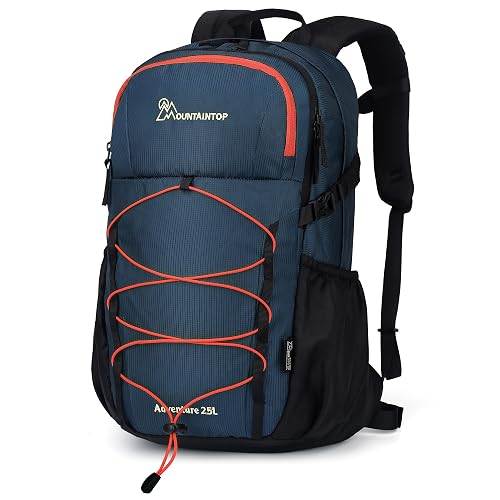
MOUNTAINTOP 25/30L Lightweight Hiking Backpack, Outdoor Daypack
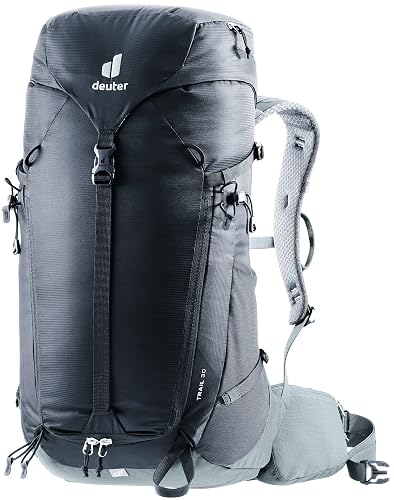
Deuter Trail 30L Backpack for Biking, Hiking & Trekking – Black-Shale
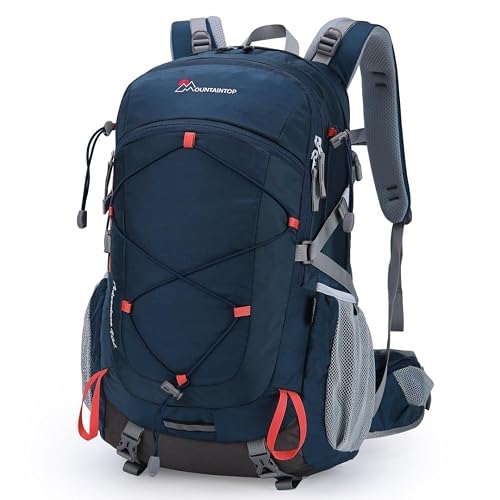
MOUNTAINTOP 40L Hiking Backpack, Lightweight Outdoor Backpacking Pack
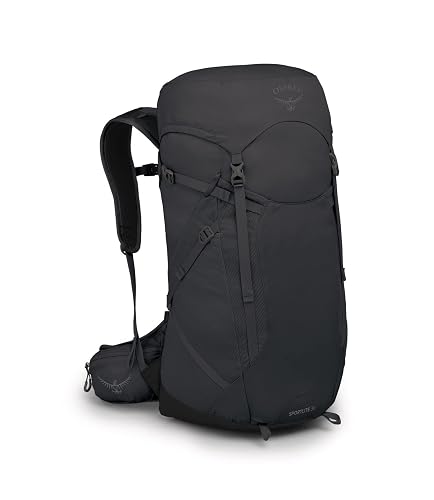
Osprey Sportlite 30L Lightweight Hiking Backpack – Dark Charcoal Grey, S/M
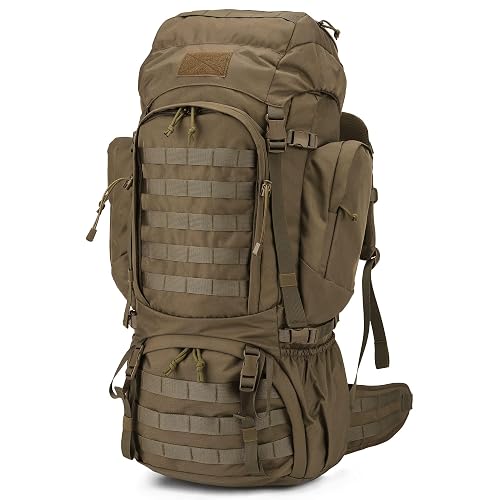
Mardingtop 60L Military Internal Frame Backpack with Rain Cover

Mardingtop 75L Cordura Tactical Backpack with RECCO Reflector
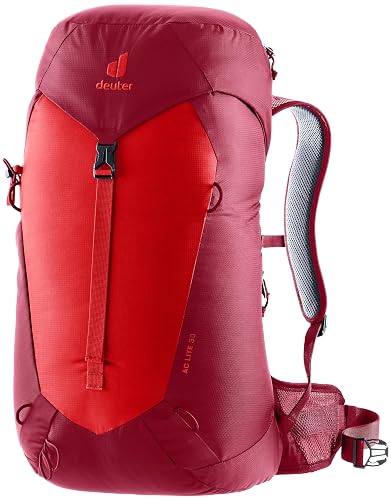
deuter AC Lite 30 Hiking Backpack
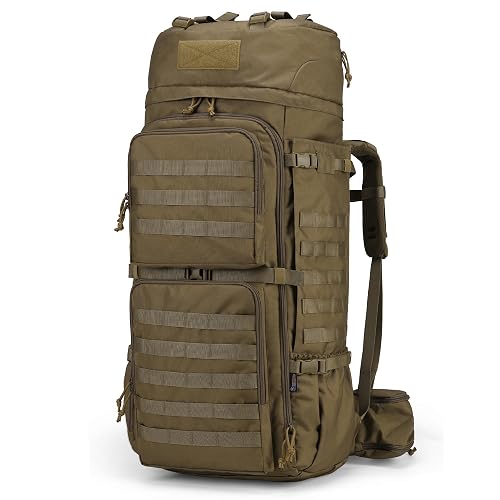
Mardingtop 75L Molle Hiking Internal Frame Backpack with Rain Cover (Khaki)
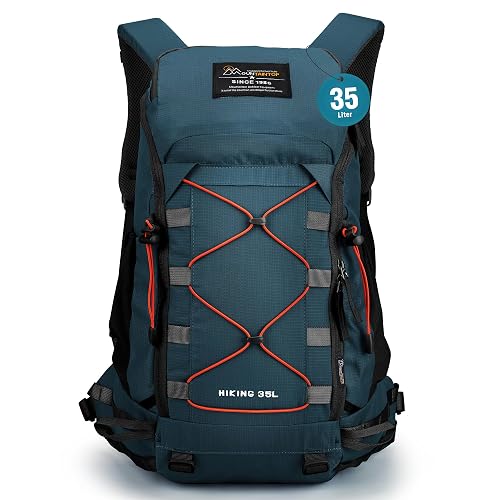
MOUNTAINTOP 35L Hiking Backpack, Lightweight Daypack with Rain Cover
Inside Each Recommended Option
The MOUNTAINTOP 25/30L earns its spot as the entry-level pick for hikers who want functional storage without a steep investment. The lightweight frame and adjustable straps make it forgiving for newer hikers still dialing in their fit, and you can usually wear it through the airport or on a city walk without feeling overbuilt. It handles trail snacks, a rain layer, and a hydration bladder without becoming a tangled mess of straps.
Compared to the Deuter Trail 30L further down this list, this MOUNTAINTOP is simpler, lighter on the back, and less specialized for ventilated cycling or fast trekking. For most casual day hikes and short weekend loops, the capacity sits right in the comfort zone.
Reasons It Performs
- Lightweight shell keeps the pack from feeling like dead weight on shorter routes.
- Adjustable straps grow with you, useful if you’re still tweaking your fit.
- Dual-capacity sizing (25L or 30L) lets you pick a slightly smaller body for shorter days.
- Straightforward pocket layout means no learning curve on the trail.
Things To Consider
- Fabric specs aren’t detailed, so treat the shell as light-duty and avoid dragging it over abrasive rock.
- No listed rain cover, so a separate pack liner is wise in wet climates.
Who Should Grab It
Casual day hikers and travelers building a starter kit will get the most mileage out of this pack’s gentle learning curve and modest price tier.
Reach For A Different Pick When
The Deuter Trail 30L suits you better if you hike aggressively and need a narrower profile with stronger ventilation channels for sustained airflow.
The Deuter Trail 30L is the kind of pack built for people who already know how their hips and shoulders feel after eight miles. The narrow-fit cut and U-frame structure keep the load close to your center of gravity, which matters when the trail pitches up or when you’re hopping on a bike for a multi-modal commute.
The Airstripes back system uses reduced contact surface (smaller pads that touch your back) and large ventilation channels between them, so air can move across your spine. Perforated shoulder straps and hip fins spread pressure evenly instead of digging into one spot. Unlike the MOUNTAINTOP 25/30L that opened this list, this Deuter uses recycled raw materials and is engineered for harder mileage.
Real Benefits
- Narrow-fit profile stays stable when the trail turns technical or you’re riding single-track.
- Airstripes system actively moves air across your back, useful on warm climbs.
- Recycled fabric construction appeals to hikers tracking sustainability.
- Multi-sport versatility covers hiking, biking, and trekking without swapping packs.
Points To Note
- The narrow fit is great for slim torsos but may feel snug on broader frames.
- Owners commonly report the ventilated channels work best with lighter loads; overstuffed loads can press the pads flat.
Made For
Active multi-sport hikers and cyclists who need one pack that handles switchbacks, bike paths, and trailheads without losing stability.
Look Elsewhere When
The deuter AC Lite 30 Hiking Backpack makes more sense if you prioritize maximum ventilation over a narrow race-style cut.
The MOUNTAINTOP 40L pushes beyond the strict 30-liter sweet spot, but that extra room is exactly why some hikers reach for it. The main compartment fits a 16-inch laptop or a weekend’s worth of camp food, and two front zippered pockets plus side bottle sleeves keep small items accessible without unpacking. The water-repellent 400D polyester shell (a mid-weight woven fabric) shrugs off light drizzle.
YKK zippers are widely considered the hardware benchmark for backpacks, and the manufacturer lists them here, which is a quiet but meaningful upgrade over the entry-level MOUNTAINTOP that opened this list. For parents packing snacks and extra layers for the kids, the extra 10 liters can feel like a relief on longer days.
Features That Help
- 400D polyester with water-repellent coating buys you time in light rain.
- 16-inch laptop sleeve makes it dual-purpose for commute-plus-trail days.
- YKK zippers reduce the risk of split seams mid-trip.
- Multiple compartments help separate clean from dirty layers.
Honest Caveats
- At 40L, the pack runs large for short hikes and may feel oversized on a quick three-mile loop.
- No rain cover is mentioned, so the water repellency is light-duty only.
- Some owners note the 400D fabric can feel stiff until broken in.
Right Fit For
Weekend trip packers, parents hiking with kids, and commuters who want one pack that handles both desk and trail.
Swap It Out When
The Osprey Sportlite 30L Lightweight Hiking Backpack is the better match if you want a tighter 30-liter body for fast day hikes.
The Osprey Sportlite 30L takes a stripped-down approach to a technical daypack, and that minimalism is the whole point. The top-loading design (one big opening at the top rather than a complex panel) keeps the silhouette clean, while the AirScape back panel uses ridged foam wrapped in mesh to let air circulate. Compared to the MOUNTAINTOP 40L, this Osprey is more purpose-built and rides noticeably closer to the body.
It’s the kind of pack you forget you’re wearing on the second mile. For fast hikers covering big mileage, that matters more than extra pockets. The S/M size designation also helps you get the torso length right, which is where a lot of poorly fitting daypacks go wrong.
Well-Handled Touches
- AirScape ridged foam back panel balances ventilation with load support.
- Top-loading design with stable compression keeps gear from bouncing.
- S/M torso sizing helps match the pack to your body for better weight transfer.
- Sustainably built construction lines up with eco-minded shoppers.
Small Caveats
- Minimal pocket count means you’ll organize inside the main compartment.
- Lighter build is ideal for moderate loads but can feel underbuilt when fully stuffed.
- Owners commonly report the AirScape foam needs a few trips to soften up.
Best Suited To
Fast-moving day hikers and ultralight enthusiasts who want one pack they can trust on long mile days.
Consider Something Else When
The MOUNTAINTOP 35L Hiking Backpack fits better if you want a slightly larger body with a built-in rain cover and laptop pocket for mixed commute days.
The Mardingtop 60L Internal Frame Backpack steps well outside the 30-liter category, but that’s the appeal for hunters and campers hauling serious gear. MOLLE webbing (rows of heavy-duty stitching loops used to attach extra pouches and accessories) wraps the entire pack so sleeping bags, hammocks, tents, and tools can hang externally. The internal frame transfers weight to your hips instead of your shoulders, which keeps you moving on multi-day trips.
A patch area accepts nametapes and flag patches, and the included rain cover stows out of the way until the weather turns. Compared to the Osprey Sportlite 30L just above, this Mardingtop is heavier, rougher, and far more cargo-oriented. It’s not a fast daypack; it’s a base-camp hauler.
Useful Strengths
- Full-perimeter MOLLE webbing lets you expand carry capacity for group trips.
- Internal frame shifts weight to the hips for longer distances.
- Included rain cover protects gear during unexpected storms.
- Hiking pole and ice axe attachment handles winter or technical terrain.
Less-Strong Areas
- At 60L it’s overkill for day hikes and may feel bulky on singletrack.
- Tactical styling draws attention in urban settings.
Built With In Mind
Multi-day expedition campers, group leaders, and hunters who need a modular hauling platform.
Where Another Pick Suits Better
The Mardingtop 75L Cordura Tactical Backpack is worth considering if you want the heaviest-duty upgrade with RECCO rescue reflector technology.
The Mardingtop 75L Cordura is the burliest pack in this roundup, and it’s aimed at people who treat their gear like equipment, not accessories. The 915D Cordura polyester shell (a denser, more abrasion-resistant weave than standard 600D) shrugs off scrapes against granite and ice, and YKK zippers and buckles hold up under heavy loads. The integrated RECCO reflector (a passive transponder detectable by search-and-rescue teams using RECCO detectors) is a meaningful safety addition for winter or backcountry routes.
At roughly 14.2 by 10.6 by 32.7 inches and 3.2 kg, this pack is a serious commitment. The earlier Mardingtop 60L is the lighter, more versatile sibling; this 75L is the full-expedition choice for snowboarding, alpine routes, and hunts where you need every liter you can get.
The Upside
- 915D Cordura shell resists abrasion far better than standard pack fabric.
- RECCO reflector adds a passive safety layer for remote winter terrain.
- YKK hardware across zippers and buckles reduces field failures.
- 75L volume covers full winter campouts without external bags.
Factors To Consider
- The 3.2 kg empty weight adds up fast on long approaches.
- Size 14.2 x 10.6 x 32.7 in may not fit under standard airline cabin bins.
Whose Shelf It Belongs On
Winter backcountry adventurers, alpine snowboarders, and hunters who need a near-indestructible body and full-volume storage.
Not Your Match When
The Osprey Sportlite 30L is the smarter pick if you want something you can actually carry fast on summer day hikes.
The deuter AC Lite 30 is engineered around one specific problem: a hot back on a long summer hike. The Aircomfort mesh back system uses a flexible steel spring frame to tension a mesh panel away from your back, creating a literal air gap that ventilates as you move. The 600D PES REC BS shell paired with 210D PA recycled fabric balances durability against weight, which is exactly the trade-off most daypack shoppers wrestle with.
Compared to the Deuter Trail 30L earlier in this list, the AC Lite is wider and more comfort-oriented, less aggressive in profile. The fully adjustable chest strap and glass-filled (rigid plastic-reinforced) components show up where they matter for long-day durability. It’s a hot-weather specialist that doesn’t punish you for wearing it.
Bright Spots
- Aircomfort mesh creates measurable airflow for hot-climate hiking.
- Lightweight build keeps the pack from feeling like added ballast.
- Fully adjustable chest strap refines fit on the move.
- Recycled fabric content appeals to sustainability-focused shoppers.
Where It May Fall Short
- The mesh tension system works best at lighter loads; heavier carries can press the mesh against you.
- Wide body style may feel bulky on narrow bike rides.
Perfect Match For
Hot-weather trail walkers, summer backpackers, and anyone whose back tends to sweat through standard foam-padded packs.
A Better Fit Elsewhere
The Deuter Trail 30L is the smarter choice if you want a narrower profile suited for both hiking and biking.
The Mardingtop 75L Molle in Khaki leans into the trekking-and-hauling niche that the brand’s other packs cover, but with one key upgrade: a built-in hydration compartment that accepts a 3-liter bladder, with the tube fed through the top grab handle for easy routing. That’s a meaningful addition for long-distance trekkers who want water on demand without fishing through the pack. The included rain cover is stashed in its own pocket for when the weather shifts.
Built from 600D polyester with YKK zippers, this sits one step below the 915D Cordura version reviewed earlier, but it’s lighter on the wallet and lighter on your back. Compared to the deuter AC Lite 30, this is a full expedition tool, not a daypack. Trekking poles, tents, and sleeping bags all hang from the MOLLE webbing without a fight.
Advantages To Know
- Hydration compartment accepts a 3-liter bladder for hands-free water access.
- Rain cover included and stows in a dedicated pocket.
- MOLLE webbing supports sleeping bags, tents, and tools externally.
- 600D polyester shell balances durability and weight for multi-day trips.
Potential Compromises
- At 75L, it’s overkill for short hikes and demands a real frame to ride well.
- Khaki color shows dirt and trail dust quickly.
Who It Suits Best
Long-distance trekkers and thru-hikers who need hydration, rain protection, and MOLLE expandability for extended routes.
Skip It When
The MOUNTAINTOP 25/30L Lightweight Hiking Backpack is a better fit if you want a simple daypack for shorter outings without the tactical footprint.
The MOUNTAINTOP 35L is the most commuter-friendly daypack in this roundup, and that’s not an accident. A large front-facing zipper opens the main compartment wide, so you can grab a laptop or layers without unpacking the whole top. The dedicated 15.6-inch laptop sleeve and 2.5-liter hydration bladder compartment make it dual-purpose by design.
The high-wear-resistant shell and YKK zippers across the body suggest the brand learned from earlier entries. The included rain cover sets this apart from the MOUNTAINTOP 25/30L that opened the list, so wet commutes and surprise showers are covered. For people splitting time between the office and the trailhead, this pack bridges both worlds without feeling like a compromise at either one.
The Good Stuff
- Front-facing main zipper gives full access without unloading the top.
- 15.6-inch laptop sleeve and 2.5L bladder compartment handle dual roles.
- Included rain cover covers wet commutes and trail showers.
- YKK zippers and buckles reduce hardware failures over time.
Points To Keep In Mind
- 35L body may feel oversized for runners or fast hikers who want minimum bulk.
- Owners commonly report the rain cover is snug to repack once deployed.
Who Will Love This
Commuter-to-trail users and hybrid workers who split time between desk and dirt without owning two separate packs.
Where A Sibling Pick Shines
The Osprey Sportlite 30L is the smarter choice for fast day hikers who want a tighter 30L body and don’t need the laptop sleeve.
Picking The Right Size And Frame For Your Routes
Match Capacity to Trip Length, Not the Label
A “30-liter” label doesn’t mean the same thing across every brand, because some packs count the main compartment only while others include every external pocket. For a true day hike with food, water, layers, and a rain shell, 25 to 30 liters is plenty. For overnight trips, you typically want 40 to 55 liters. For full multi-day carries with a tent and sleeping bag, 60 liters and up is closer to reality. Hikers who consistently push pack volume higher tend to overpack; trimming by ten liters usually improves comfort more than any frame upgrade.
Frame Type Changes How a Pack Feels
Frameless daypacks (the MOUNTAINTOP 25/30L, the Osprey Sportlite 30L) ride light and pack down small, but they buckle under heavy loads. Internal-frame packs (the Mardingtop 60L, the Mardingtop 75L Cordura, the Mardingtop 75L Molle) transfer weight to the hips and handle bigger carries. Back-panel ventilation systems, like the Airstripes on the Deuter Trail 30L and the Aircomfort mesh on the deuter AC Lite 30, matter most when you hike in warm weather and your back sweats through standard foam.
Fabric Weight Is a Useful Clue
Denier (abbreviated “D”) measures fiber thickness in the fabric, so 600D is thicker and more abrasion-resistant than 210D. A 915D Cordura shell handles abrasive winter use better than a 400D polyester shell, but it weighs more. Day hikers in mild climates usually don’t need anything heavier than 400 to 600D.
Fit Matters More Than Spec Sheets
Torso length, hip belt size, and shoulder strap geometry decide whether a pack rides comfortably or fights you all afternoon. Brands like Osprey and Deuter size their packs by torso length, so a quick measurement between your C7 vertebra (the bony bump at the base of your neck) and your iliac crest (the top of your hip bone) saves you from a bad fit.
Key Considerations Across These Picks
Pitfalls Shoppers Hit
One common trap is chasing the biggest liter count that fits your budget without thinking about how you’ll actually load it. A 75-liter pack on a three-mile loop just means dead space bouncing against your spine. The other mistake is ignoring torso fit, since most discomfort blamed on a pack is really a fit problem, not a design problem. Measure yourself before clicking through product pages.
Why Top Tier Costs More
The price gap between the entry MOUNTAINTOP and the Deuter Trail 30L comes down to ventilation engineering, recycled fabrics, and hardware longevity. The premium picks spend money on real airflow systems, hardware that won’t snap mid-trip, and back panels that don’t collapse after a season. The upgrade is worth it for hikers logging weekly miles, and unnecessary for casual users who hit a trail a few times a year.
Frequently Asked Questions
Is a 30-liter backpack big enough for a day hike?
Yes, 30 liters comfortably fits food, water, layers, a rain shell, and a small first-aid kit for most day hikes. If you carry photography gear or climbing rope, you may want to size up to 35 or 40 liters.
What’s the difference between 600D and 915D fabric?
The denier number measures fiber thickness. A 915D Cordura shell is denser and more abrasion-resistant than a 600D polyester shell, which is why the Mardingtop 75L Cordura is marketed toward winter and rough terrain.
Do I need a frame in a 30-liter pack?
For loads under 15 pounds, a frameless pack like the Osprey Sportlite 30L rides well and saves weight. For heavier loads, an internal frame transfers weight to the hips and reduces shoulder fatigue over longer miles.
Are rain covers included with these packs?
Some include one, like the MOUNTAINTOP 35L, the Mardingtop 60L, the Mardingtop 75L Cordura, and the Mardingtop 75L Molle. Others rely on water-repellent coatings or require a separate pack liner, so check the product listing before you assume.
Can a 30-liter hiking pack work as a carry-on?
Most 25 to 35 liter packs fit under standard airline cabin bins. The 60L and 75L Mardingtop packs are too tall and will need to be checked.
Closing Remarks
A 30-liter pack earns its place in your closet only if it matches the way you actually hike. Casual weekend hikers get the most value from the MOUNTAINTOP 25/30L or the Osprey Sportlite 30L, while hotter climates reward the deuter AC Lite 30’s mesh ventilation. Heavy haulers should reach for the Mardingtop tactical options. Match the pack to the route, not the spec sheet, and the trail does the rest.