
Hunting season means long sits in the stand and weekly trips to check SD cards. Cellular trail cameras flip that routine on its head, pushing photos straight to your phone so you can scout a food plot between meetings. The models below cover a range of budgets, solar setups, and trigger speeds, with options whether you manage one property or several.
The Picks In Brief
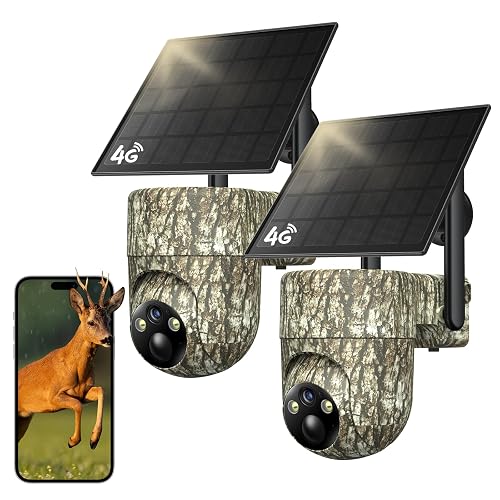
TKENPRO 4G LTE Cellular Trail Camera 360° Solar
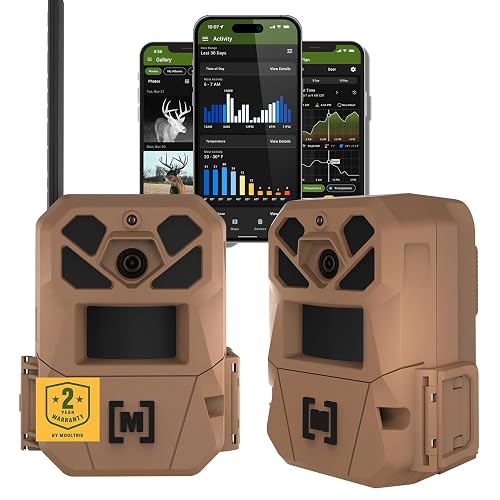
Moultrie Edge 3 Cellular Trail Camera 2-Pack
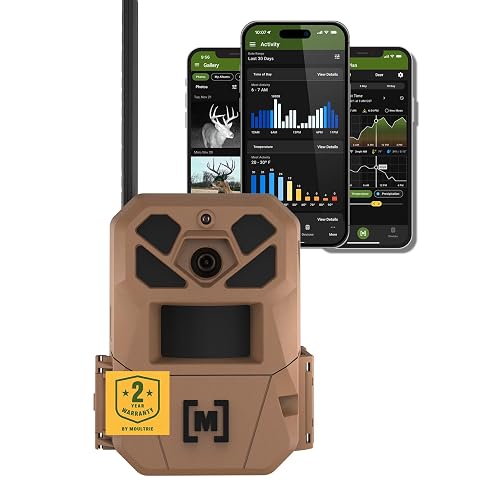
Moultrie Edge 3 Cellular Trail Camera 40MP
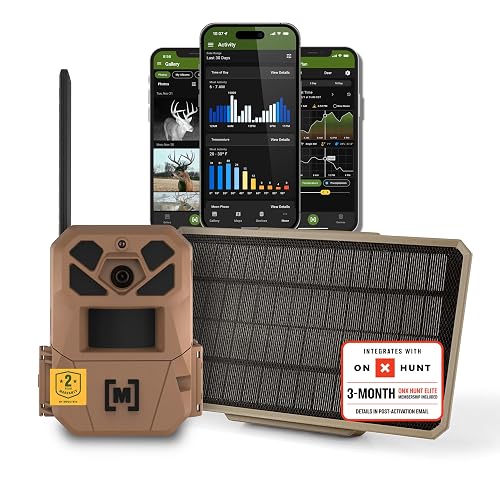
Moultrie Edge 3 Cellular Trail Camera Solar 3.4W
LIWAN Cellular Trail Camera Solar Powered
REOLINK 4K Solar Cellular Security Camera
More On The Choices That Made The List
The TKENPRO 4G LTE Cellular Trail Camera splits off from the standard trail-cam crowd by offering true 360° live streaming, a feature most “panoramic” cameras only hint at. The built-in SIM auto-locks onto the strongest nearby 4G signal, so on most large properties you skip the manual carrier setup that trips up first-timers.
Solar input keeps the unit running through long sits without battery swaps, and the live view means you can pan a food plot from your couch during lunch. It leans toward the higher end of the budget here, but for a hunter managing acreage, the live stream alone can justify the spend.
Strengths Worth Knowing
- 360° live streaming gives a real-time view instead of fixed-angle snapshots.
- Built-in SIM with automatic 4G network selection avoids manual carrier fiddling.
- Solar panel integration reduces trips to swap batteries on remote leases.
- Strong fit for property managers who want eyes on multiple zones from one feed.
Things To Consider
- Cellular data plans after the initial trial add a recurring cost most passive scouting setups avoid.
- Solar charging depends on placement, so shaded tree mounts can shorten runtime.
Key Specs
Who It Suits Best
Hunters running multiple stands across a large property who want live situational awareness and don’t mind a subscription.
Where Another Pick Suits Better
Shoppers wanting a lower recurring cost and simpler one-cam setup should look at the Moultrie Edge 3 single-cam option instead.
The Moultrie Edge 3 2-Pack solves a problem solo cams can’t, which is covering two distinct zones without buying twice. Both units run the same 40MP sensor and 0.5-second trigger, so behavior patterns across stands stay consistent in your photo log.
Moultrie’s app is mature and the four-network auto-connect helps in areas where coverage bounces between carriers. The bundle pricing is the real draw for most buyers, since two single units almost always cost more per camera.
The Case For It
- Matched 40MP image quality across both cameras keeps your photo records consistent.
- 0.5-second trigger helps catch deer at a walk instead of catching only the tail end.
- Two-cam bundle typically saves money versus buying single units separately.
- Auto-connect across four carriers reduces dead-zone frustrations in mixed-coverage areas.
Honest Caveats
- Two cameras double your data plan needs on most monthly cellular tiers.
- No solar panel included, so battery swaps are a regular chore.
Feature Snapshot
Made For
Hunters running two stands or food plots who want matched cameras and a streamlined app workflow.
Skip It When
You only need coverage in one zone, since the single Moultrie Edge 3 with the solar pack is a smarter pick.
The single-unit Moultrie Edge 3 keeps everything that makes the 2-Pack work and skips the second camera. For a hunter covering one core property, this is the cleaner entry point with the same 40MP sensor and 0.5-second trigger.
Trigger speed deserves a second look. Half a second is fast enough to capture deer at a walk rather than catching just the hindquarters, which is where most slower trail cams frustrate users. That performance sits inside a body that mounts like any standard trail cam, so swapping from an older SD-card model is painless.
Everyday Advantages
- 40MP stills reveal antler detail that lower-resolution cams smooth over.
- Fast trigger speed means fewer missed bucks crossing at a trot.
- Single-camera cost is friendlier for first-time cellular buyers.
- App-based scouting removes weekly drives to the lease.
Worth Noting
- Battery-only power means you’ll be swapping cells in heavy-use seasons.
- No solar accessory included out of the box.
- Cellular plan pricing varies by carrier and region.
Best Suited To
Hunters with a single primary stand or food plot who want fast, sharp images without managing two cameras.
Not Your Match When
Your property has two or more hotspots worth monitoring at once, in which case the Moultrie Edge 3 2-Pack makes more sense.
The Edge 3 with the 3.4W solar pack takes the single-cam model and solves its biggest annoyance, which is the battery grind during fall. A small solar panel keeps the unit topped up in most sunny exposures, so monthly visits drop to seasonal check-ins.
Compared to the TKENPRO at the top of this list, the Moultrie lacks live streaming but adds Moultrie’s reliable app and the trusted 40MP sensor. For hunters who care more about uptime than real-time video, this is the most hands-off pick in the roundup.
Bright Spots
- 3.4W solar panel keeps the camera running through peak fall activity.
- Same proven 40MP imaging as the rest of the Edge 3 line.
- Best choice for remote leases where battery swaps are a real chore.
Trade Offs
- Solar panel needs clear sky exposure, so dense canopy mounts can underperform.
- No 360° live view, just standard stills and clips.
Spec Overview
Whose Shelf It Belongs On
Hunters managing remote food plots or leases who want set-it-and-forget-it power and a trusted imaging platform.
A Better Fit Elsewhere
Shoppers who want real-time live streaming should pick the TKENPRO 4G LTE Cellular Trail Camera instead.
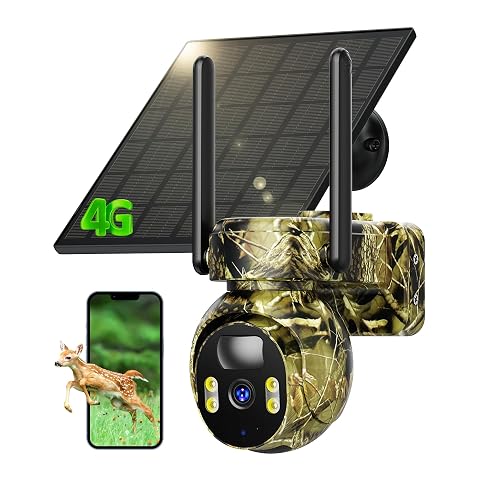
The LIWAN Cellular Trail Camera targets the buyer who wants cellular delivery without learning the technology behind it. The headline feature is the prepaid SIM with a short trial, so you can verify coverage in your area before committing to a monthly plan.
It’s a solid pick for someone moving from SD-card scouting into cellular for the first time. The solar panel keeps the body powered, and the “no WiFi needed” framing removes the most common first-timer objection.
Noteworthy Benefits
- Prepaid SIM and trial data lower the risk of buying cellular for the first time.
- Solar power avoids the battery-swap routine during active scouting months.
- Works on major U.S. networks without manual carrier configuration.
Points To Note
- Image resolution and trigger speed are not specified in available product data.
- Built-in SIM is not user-replaceable, which limits flexibility.
Right Fit For
First-time cellular trail cam owners who want a low-fuss setup with a trial data period.
Look Elsewhere When
You want published specs on resolution and trigger speed, in which case the Moultrie Edge 3 line is more transparent.
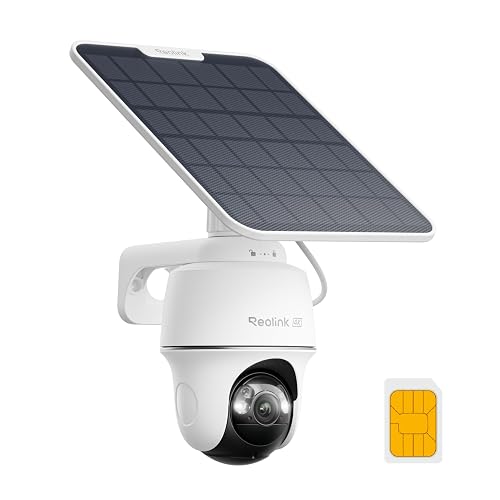
The REOLINK 4K Solar Cellular Security Camera is a hybrid, marketed as a security camera but built with the same solar-and-cellular DNA as a trail cam. For shoppers who also need eyes on a barn, gate, or driveway, the 4K resolution gives a level of detail most trail cams cannot match.
Where it differs from the Moultrie and LIWAN picks is intent. The Reolink is designed for continuous monitoring, not just motion-triggered stills, so it can pull double duty as a wildlife cam and a security cam. For a cabin, rural workshop, or job site, that dual role carries real weight.
Notable Upsides
- 4K resolution captures far more detail than standard trail-cam sensors.
- Solar-powered and 4G LTE connected, so no wiring or WiFi is required.
- Handles both wildlife scouting and property security in one unit.
- Strong fit for remote cabins, rural job sites, and gate monitoring.
A Few Limitations
- Positioned as a security camera, so hunting-specific app features are lighter.
- Cellular data usage runs higher on continuous 4K streams than on still-image trail cams.
Quick Facts
Who Should Grab It
Property owners who want a single camera to cover both wildlife activity and general security at a remote location.
Reach For A Different Pick When
Pure hunting-focused scouting with buck-pattern tracking is the priority, since the Moultrie Edge 3 lineup is built for that workflow.
What Matters Most Before Choosing 360 Cellular Trail Cameras
Connectivity And Carrier Coverage
Cellular trail cameras depend entirely on signal strength at the mount site, so a cam that performs well in town can struggle on a back forty. Look for models with multi-carrier auto-connect, since they pick the strongest available network without manual SIM swaps. The Moultrie Edge 3 line and the TKENPRO both support this approach, which matters in areas where coverage bounces between towers.
Power Source And Deployment Length
Battery-only cameras are simple to place but require seasonal swaps, especially during high-traffic fall months. Solar panels stretch deployment windows and reduce the number of trips to the lease. The Moultrie Edge 3 solar bundle and the LIWAN include solar, which most buyers overlook until they’re standing in the woods with eight dead AAs.
Image Quality And Trigger Speed
Trigger speed is the spec that decides whether you capture a deer or just its footprints. Look for sub-one-second triggers like the 0.5s Moultrie uses, and pair that with high-megapixel stills for clean antler identification. Resolution above 30MP is plenty for scouting, while 4K like the Reolink opens dual-purpose security use.
App Ecosystem And Long-Term Costs
Data plans are the hidden line item in cellular scouting. Some brands bundle short trial periods and shift to monthly fees after, while others use flexible prepaid tiers. Pick a system whose app and plan structure you can live with for multiple seasons, since switching ecosystems later means re-pairing every camera on the property.
Key Considerations Across These Picks
Common Shopping Slip Ups
Many first-time cellular buyers forget to check cell coverage at the actual mount site before buying, then end up returning a perfectly good camera. Drive to the spot and look at your phone’s signal bars, since a cam performs best where your phone holds at least two bars consistently. Another trap is overlooking the data plan cost, which can quietly outpace the camera’s purchase price over a few seasons.
What The Higher Tier Buys
Premium trail cams earn their higher cost through longer battery life, better low-light sensors, and faster triggers that catch movement cleanly. The TKENPRO’s 360° live streaming is a clear example, since the engineering for true panoramic live view costs more than standard fixed-angle optics. Pay more when you need that extra performance edge, and save when a basic trigger-and-send setup meets your scouting goals.
Frequently Asked Questions
Do 360 cellular trail cameras need WiFi to work?
No, they use a built-in cellular SIM and connect over 4G LTE, which is why they work in remote spots without internet. Some models include a prepaid trial SIM, so you can test coverage before committing to a monthly plan.
How long do batteries last on a cellular trail cam?
Battery life varies with how often the camera triggers and how many photos it transmits over cellular. Solar panels like the one on the Moultrie Edge 3 solar bundle dramatically extend runtime, while battery-only units may need swaps every few weeks during peak fall activity.
Can these cameras be used for home security too?
Yes, models like the Reolink 4K Solar are designed as outdoor surveillance cameras and work well for both wildlife and property monitoring. Trail-cam-first models can also monitor driveways and gates, though they may lack continuous streaming features.
What does trigger speed actually affect?
Trigger speed, measured in seconds, is the delay between motion detection and the photo being taken. Faster triggers like the Moultrie’s 0.5-second rating catch animals at a walk or trot, while slower units tend to miss the front half of the animal.
Are cellular data plans required for every model?
Most cellular trail cams require some kind of data plan once any included trial period ends. Pricing varies by brand and carrier, so it’s worth comparing ongoing plan costs before choosing between two otherwise similar cameras.