
A solid 4 person tent turns a backcountry trip from an endurance test into something you actually look forward to. The trick is finding a shelter that balances weight, livability, and weather protection, without forcing trade-offs that ruin your sleep or your back. This lineup covers everything from expedition-grade canvas to sub-3-pound ultralight shelters, with honest notes on what each one does well and where it stumbles.
The Lineup, Simplified
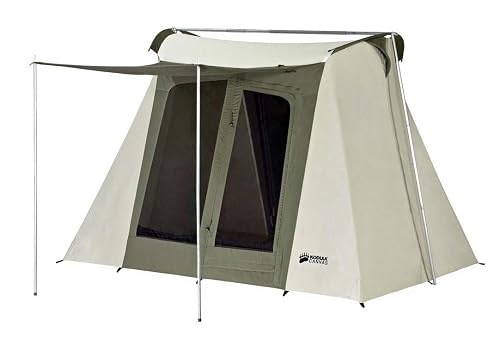
KODIAK CANVAS Flex-Bow Deluxe Canvas Camping Tent
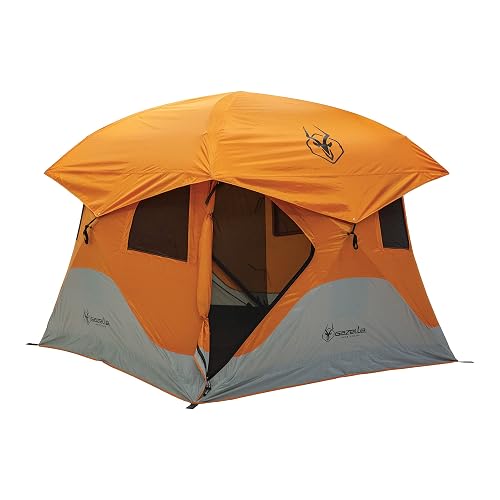
Gazelle T4 Waterproof 4 Person Pop Up Tent

Naturehike Village Instant Tent, 4 Person Cabin
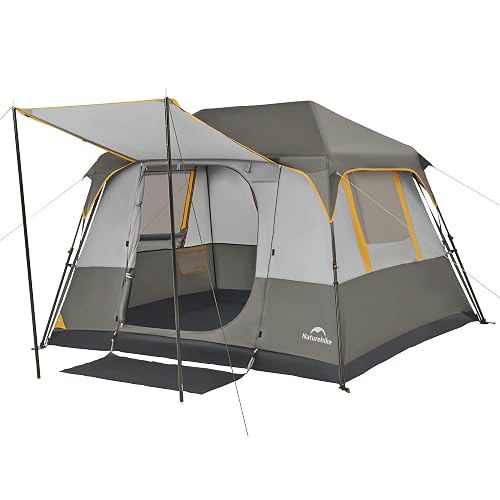
Naturehike Cape 4/6/8 Person Instant Camping Tent
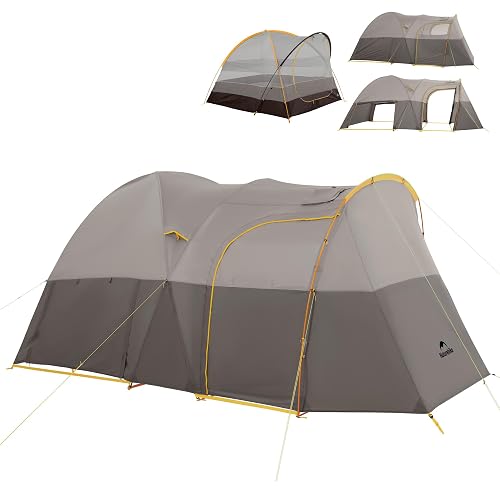
Naturehike KOTA 4/6/8 Person Double Layer Tent

Naturehike Cape Lite 4-6 Person Instant Cabin Tent
The Picks, Examined More Closely
The KODIAK CANVAS Flex-Bow Deluxe is the polar opposite of a lightweight backpacking shelter. Its Hydra-Shield cotton duck canvas, flexed steel pole structure, and 6’1″ ceiling height make it feel more like a wall tent at a permanent hunt camp than a piece of gear you strap to a frame pack. You trade ultralight portability for a roomy, walk-around interior that handles shoulder-season cold and blazing summer sun without turning into a sauna.
For car campers, paddle-portage trips, or anyone splitting gear between a vehicle and a short hike, the weight penalty barely registers. Versus the pop-up options later in this list, you get genuine four-season fabric and a much sturdier frame.
Where It Helps
- Hydra-Shield cotton duck canvas breathes in summer heat, resists condensation, and shrugs off UV damage far better than thin polyester shells.
- Flex-Bow frame with single-person setup keeps tension even across the canopy, so the tent stays taut through wind and overnight temperature swings.
- Walk-around 6’1″ ceiling means you can change, cook under the awning, and stash packs along the walls without crouching.
- Heavy-duty #10 YKK zippers on both D-shaped doors last through seasons of grit and dust where smaller zippers bind.
Trade-Offs To Consider
- Total packed weight makes it impractical for anything longer than a short portage; this is a basecamp tent first.
- Canvas needs occasional drying before storage to prevent mildew on long trips or in damp climates.
Best Suited To
Hunters, outfitters, and basecamp-style campers who prioritize four-season durability over trail weight and want a tent that survives a decade of use.
Skip It When
Thru-hikers and ounce-counting backpackers should look at the Gazelle T4 or Naturehike Cape Lite instead, since the Kodiak’s packed weight is a deal-breaker for multi-day carries.
Where the Kodiak earns its keep through canvas and steel, the Gazelle T4 earns its keep through speed. The pre-assembled hub-and-pole design pops open in roughly 90 seconds, so you spend your arrival energy pitching a rain fly rather than untangling tent poles. The bright orange color also makes it easy to spot in a crowded campground or a fall hunting field.
It comes with a removable floor, mesh windows on every wall, and a separate rain fly for serious weather. Compared with the Naturehike Village you’ll see next, the Gazelle feels more refined in its hardware and goes up faster, though it costs more for the convenience.
Points In Its Favor
- Pop-up hub design collapses setup to under two minutes, a real plus for late arrivals and parents wrangling kids at dusk.
- Removable welded-floor design lets you sweep out dirt, dry the tent, or use just the screen room on warm summer nights.
- Full-coverage rain fly with sealed seams and mesh windows keeps airflow steady during humid evenings.
- Color-coded poles and fewer loose parts mean fewer frustrating fumbling moments on a windy pitch.
Worth Noting
- Polyester fabric and fiberglass poles are lighter than the Kodiak but won’t last as long under heavy UV or tree-sap exposure.
- Packed size is bulky; plan on a large trunk or roof bag rather than a backpack.
Key Specs
Made For
Festival-goers, family car campers, and anyone who values a fast, frustration-free pitch over ultralight trail performance.
Look Elsewhere When
Backpackers carrying their shelter for miles should reach for the Naturehike Cape Lite, since the Gazelle’s bulk and weight make it a poor trail companion.
The Naturehike Village leans hard into the cabin-tent aesthetic: near-vertical walls, a tall peak, and a layout that feels like a small bedroom rather than a tunnel. Pre-attached poles and an automatic structure claim a 60-second setup, so families can pull into a campsite after dark and still have a standing-height shelter before bedtime.
The Ti Black fabric treatment on the 150D shell delivers a serious UPF 12500+ rating and a PU 2000mm+ waterproof coating, both of which matter when summer sun or unexpected rain rolls in. Versus the Kodiak, it’s much lighter and faster, with a more enclosed feel than the Gazelle’s screen-heavy layout.
What It Does Well
- Cabin-style walls and standing-height peak let adults change clothes and kids move around without crawling.
- Pre-attached pole system reaches a livable pitch in roughly a minute, a clear win on rainy arrival days.
- 150D Ti Black fabric offers strong UV blocking and a 2000mm+ waterproof rating for variable summer weather.
- Full-coverage rainfly creates a dry entry vestibule for muddy boots and packs.
Some Limits To Know
- Cabin shape catches wind on exposed ridges; you may need to pick a sheltered site.
- Heavier and bulkier than backpacking-focused shelters, so it really shines only at car campsites.
Right Fit For
Families new to camping who want a tall, roomy shelter that goes up quickly and keeps gear organized inside.
Not Your Match When
Thru-hikers and weight-conscious backpackers should reach for the Naturehike Cape Lite, since this cabin tent’s packed bulk is rough on long carries.
The Naturehike Cape delivers a 60-second pitch at a price that doesn’t punish occasional campers who don’t want to overspend. The tunnel-style layout stretches usable floor space across a long, narrow footprint, which works nicely for two cots plus a gear strip down the middle.
190T polyester with a PU 3000mm waterproof coating is genuinely stout for the category, holding its own against sustained showers. Compared with the Village cabin above, the Cape is a touch lighter and packs smaller, though it sacrifices standing height.
Good Reasons To Consider
- PU 3000mm coating exceeds many competitors in this bracket, giving extra confidence in heavy rain.
- Pre-attached poles cut pitch time to roughly a minute, even for first-time users.
- Multiple size options (4, 6, 8 person) let you scale capacity without changing tent families.
- Tunnel shape offers a good balance of interior volume and wind shedding for most campsites.
Points To Keep In Mind
- Lower peak height than the cabin-style Village; tall campers will crouch near the center.
- Thinner 190T fabric is more vulnerable to abrasion than the heavier shells above.
Quick Facts
Who Should Grab It
Weekend campers and small families who want a fast-pitch shelter with solid rain protection at a reasonable entry point.
Swap It Out When
Cold-weather and shoulder-season campers will find the Naturehike KOTA’s modular design a smarter long-term fit.
The KOTA is the most versatile shelter in this roundup because it isn’t really one tent. The double-layer build lets the mesh inner stand alone in warm months, the rainfly works as a separate canopy, and the full combo holds up across shoulder-season cold snaps. A 75D 210T shell with PU 3000mm+ waterproofing rounds out a genuinely year-round package.
Vestibules and porch space at the front entry add real living area for muddy boots and packs. Versus the simpler Cape above, you trade some pitch speed for modular flexibility, and the price climbs with it.
Where It Excels
- Modular inner mesh plus outer fly works in heat, cold, and shoulder seasons without buying a second shelter.
- 75D 210T polyester shell feels more abrasion-resistant than thinner competitors in this bracket.
- Front vestibule creates a dry staging zone for cooking, gear, and entry.
- Stargazing-friendly mesh inner lets you leave the fly off in calm, dry nights.
Practical Considerations
- More complex setup than single-layer instant tents, so budget extra time on first pitches.
- Higher packed weight and bulk than the Cape Lite, limiting its appeal on long-distance hikes.
Feature Snapshot
Who Will Love This
Year-round campers and shoulder-season backpackers who value modularity and weather-rated fabric over the lightest possible weight.
Consider Something Else When
Casual summer-only campers who never face cold rain should save money and choose the Naturehike Cape Lite instead.
The Cape Lite distills the instant-tent formula down to what most casual campers actually need. A 101.5″ x 101.5″ square floor fits a queen mattress with room to spare, and the 62.2″ peak height gives enough clearance to sit up and read without hunching.
Setup lands around the same 60-second mark as the larger Naturehike models, but the simpler frame and shorter pole span make it noticeably easier for one person to handle. Compared with the Village cabin earlier in the list, the Cape Lite is more compact and beginner-friendly, though it skips the Ti Black fabric’s UV advantage.
The Upside
- Square floor plan simplifies mattress layout, pack placement, and standing-room movement.
- 60-second instant setup lowers the barrier for first-time and solo campers.
- Queen-mattress-friendly footprint means couples can use their existing sleep setup.
- Lower learning curve than the KOTA’s modular system, with fewer pieces to misplace.
Things To Weigh
- Not as UV-blocking as the Village’s Ti Black shell, so it may wear faster under intense sun.
- Cabin profile catches wind on exposed sites; you may need to orient the door away from prevailing gusts.
Perfect Match For
New campers, couples, and small families who want a forgiving, easy-pitch cabin tent for fair-weather weekends.
A Better Fit Elsewhere
Year-round campers and four-season travelers should look at the Naturehike KOTA for stronger weather performance and modular use.
Picking The Right 4 Person Tents For Backpacking Without Regrets
A backpacking tent earns its keep through three traits: low packed weight, dependable weather protection, and a fast pitch when you’re tired. The balance you strike depends entirely on your trips. Weekend car campers can ignore pack size, but anyone carrying a shelter for miles feels every extra pound by day two.
Weight Versus Comfort
Trail-focused tents typically weigh between 3 and 6 pounds for a true four-person shelter, while basecamp models like the KODIAK Flex-Bow push well past 30 pounds. Backpackers covering real distance should aim for the lower end of that range. Casual campers gain little from ultralight builds and lose durability in exchange.
Understanding Waterproof Ratings
A tent’s waterproof rating is measured in millimeters (mm) of water column pressure the fabric can withstand before leaking. A PU 2000mm rating handles steady rain; PU 3000mm or higher handles sustained downpours and puddle-prone sites. Sealed seams and a full-coverage rainfly matter as much as the raw number, since water sneaks through stitching before it ever tests the fabric itself.
Material Choices: Canvas, Polyester, And Nylon
Cotton canvas (like the KODIAK) breathes better and resists UV damage, but weighs far more and dries slowly. Polyester is the category default for its balance of cost, weight, and weather resistance. Higher denier counts (150D, 190T, 210T) generally mean tougher fabric, though the coating and weave matter as much as the number on its own.
Capacity Claims Versus Real Space
Manufacturer “4 person” ratings assume four people lying shoulder-to-shoulder with no gear. Most campers find a 4 person tent comfortable for two adults plus gear, or three people in a pinch. If you want cots, pads, and packs inside the shelter, size up to a 6 person model or accept a tight squeeze.
Things Worth Knowing Before You Commit
Pitfalls Shoppers Hit
The most common mistake is buying on capacity alone and ending up with a cramped interior. Another trap is assuming “waterproof” means the same thing across brands, when in reality fabric coatings, seam taping, and rainfly coverage vary wildly. Always check whether the fly covers the full tent body or stops at the roofline. A third slip is underestimating packed weight, especially with cabin-style instant tents that look compact but bulge in a backpack.
When Paying More Pays Off
Higher-tier models tend to earn their cost through stronger waterproof coatings, better ventilation, more durable zippers, and frames that survive real wind. For year-round use, the upgrade to a double-layer tent like the Naturehike KOTA pays off through modularity and weather performance. For short summer trips, a value pick like the Cape Lite handles the job without draining the gear budget.
Frequently Asked Questions
How heavy should a 4 person backpacking tent be?
For backpacking, aim for under 6 pounds packed. Car campers and basecamp travelers can comfortably exceed 20 pounds if it means a sturdier shelter with standing room and weather-rated canvas.
Can a 4 person tent really fit 4 adults comfortably?
Usually not. Four-person ratings assume tight sleeping quarters with no gear storage. Two adults plus a dog or a child sleep comfortably. Three adults in a pinch. For real comfort with four adults, a 6 person model is the safer choice.
Are instant pop-up tents good for backpacking?
Generally no. Pop-up hubs save pitch time but pack large and heavy. They’re ideal for car camping, festivals, and short walks from a parking spot, but a poor choice for multi-mile trail carries.
What does “waterproof rating” actually mean?
It’s the height, in millimeters, of a column of water the fabric can withstand before leaking. PU 1500mm handles light rain, PU 2000mm handles steady showers, and PU 3000mm+ handles sustained heavy rain and storm conditions.
Do I need a rainfly even if the tent body claims to be waterproof?
Yes. The rainfly protects seams, zippers, and the main fabric from direct UV and abrasion over time. A full-coverage fly also reduces interior condensation by creating an air gap between wet outer fabric and dry inner fabric.
Bottom Line
The right 4 person tent depends entirely on where and how you camp. KODIAK’s Flex-Bow rules the basecamp, Gazelle’s T4 wins on speed, Naturehike’s Village and Cape Lite anchor the cabin and family-friendly end, the Cape covers the value tier, and the KOTA handles four-season versatility. Match the shelter to your trip length, expected weather, and group size, and the rest falls into place.